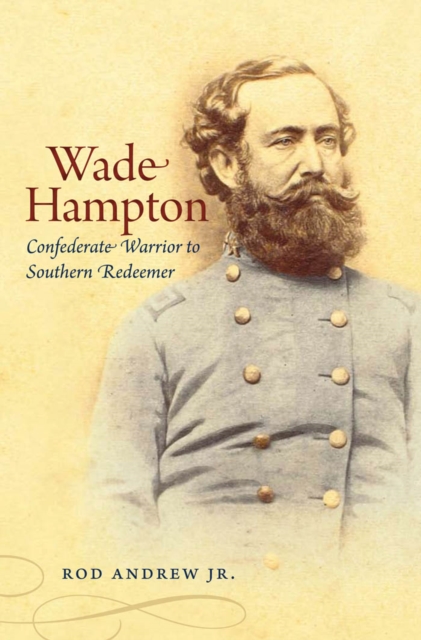
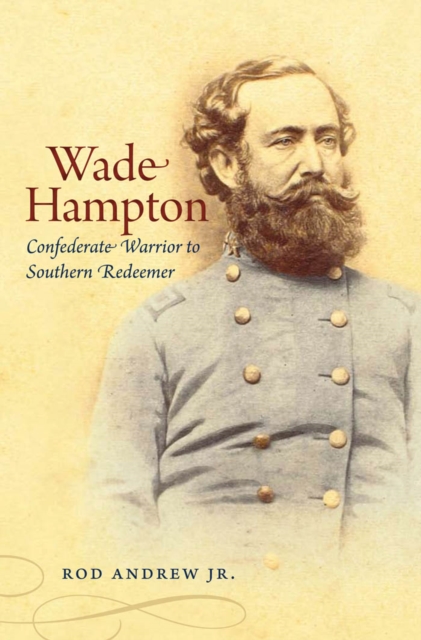
One of the Souths most illustrious military leaders, Wade Hampton III was for a time the commander of all Lees cavalry and at the end of the war was the highest-ranking Confederate cavalry officer.
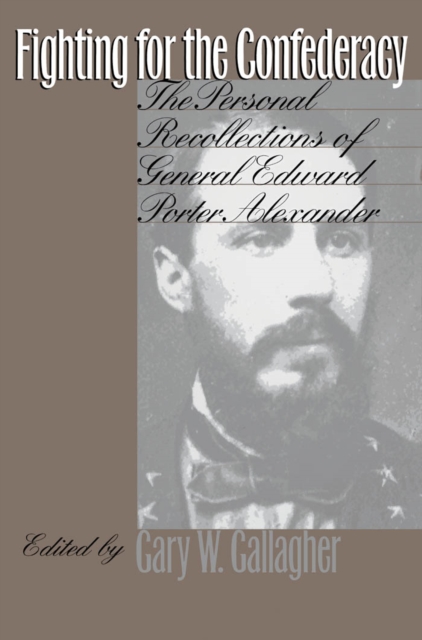
Originally published by UNC Press in 1989, Fighting for the Confederacy is one of the richest personal accounts in all of the vast literature on the Civil War.
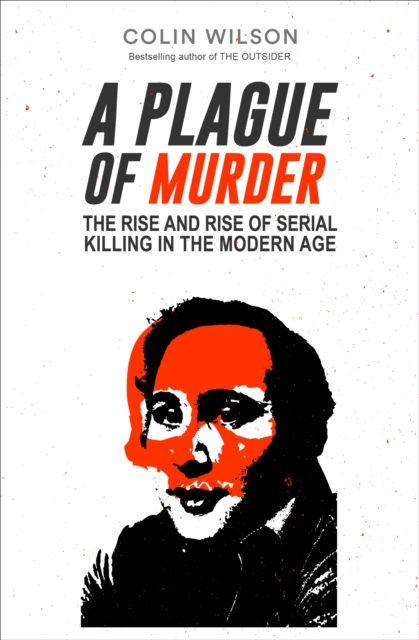
Take a deep dive into the rise and fall of some of the most notorious serial killers of the '80s, including Jeffrey Dahmer, Joseph James DeAngelo, Dennis Lynn Rader, and the Night Stalker.
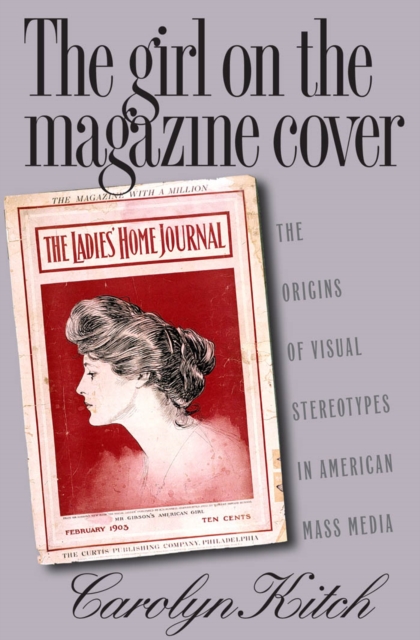
From the Gibson Girl to the flapper, from the vamp to the New Woman, Carolyn Kitch traces mass media images of women to their historical roots on magazine covers, unveiling the origins of gender stereotypes in early-twentieth-century American culture.
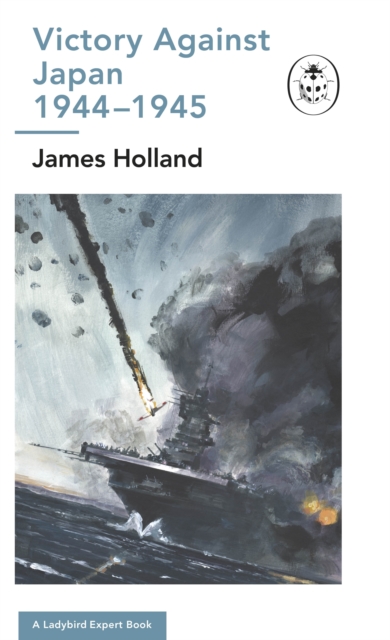
BOOK 12 OF THE LADYBIRD EXPERT HISTORY OF THE SECOND WORLD WAR, FROM AWARD-WINNING HISTORIAN JAMES HOLLANDFeaturing stunning illustrations from Keith Burns, bringing the story to life in vivid detailWhy did Japan decide to attack at Pearl Harbour?
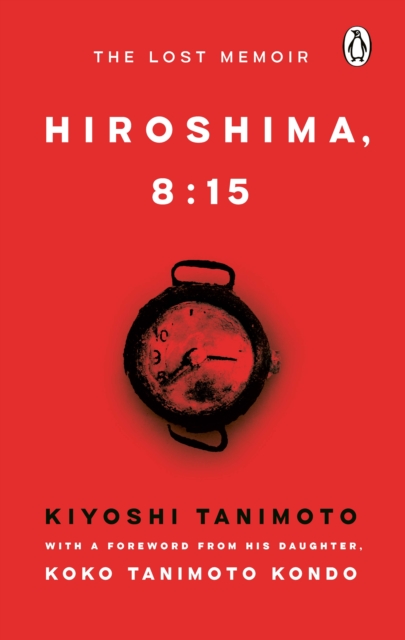
A newly discovered firsthand account of the Hiroshima bombing and its aftermath from one of the survivors a lost classic that brings unprecedented immediacy to our understanding of this world-changing event.
The purpose of this study was to discover what was typical in the history and character of the state during the period of the Civil War and the readjustment that followed.
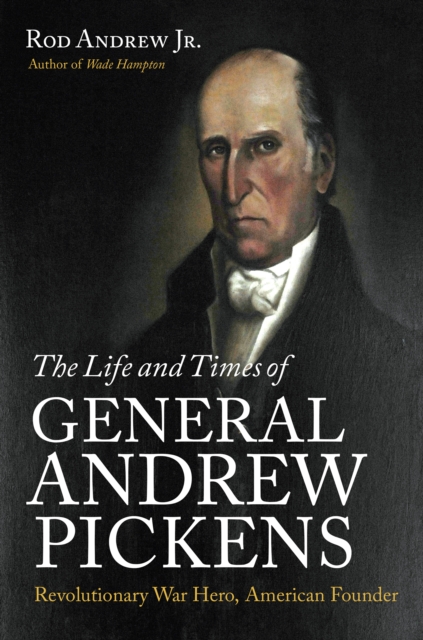
Andrew Pickens (17391817), the hard-fighting South Carolina militia commander of the American Revolution, was the hero of many victories against British and Loyalist forces.
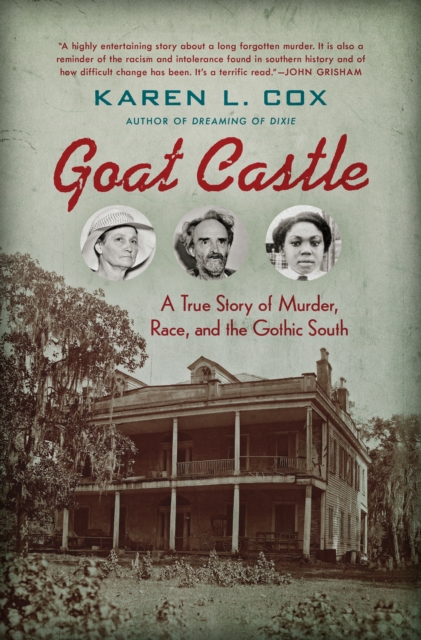
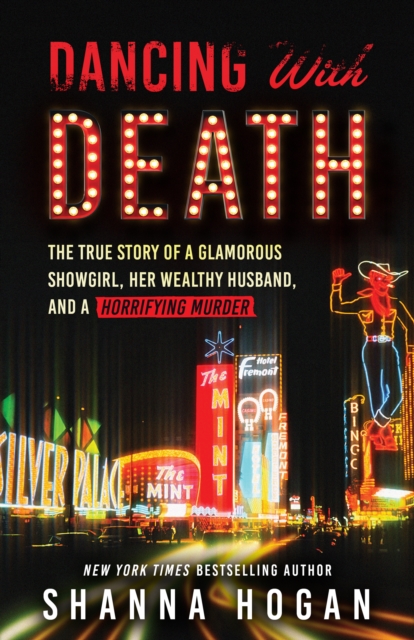
In 1932, the city of Natchez, Mississippi, reckoned with an unexpected influx of journalists and tourists as the lurid story of a local murder was splashed across headlines nationwide.
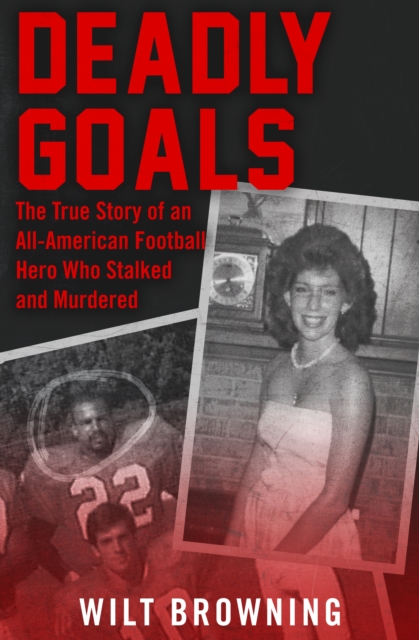
The story of a small town football hero whose obsession and steroid rage led to murder is revealed in "e;this fine true-crime tale"e; (Publishers Weekly).
The purpose of this study was to discover what was typical in the history and character of the state during the period of the Civil War and the readjustment that followed.
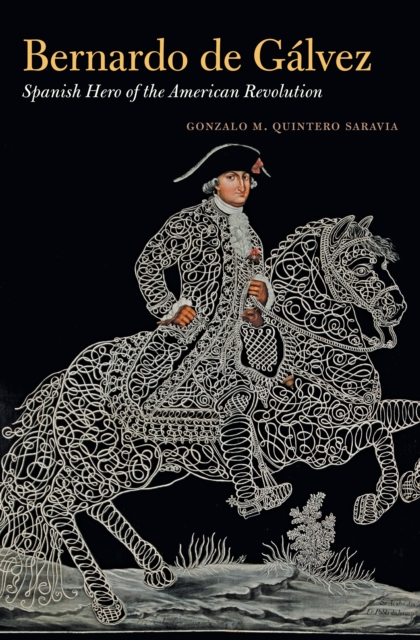
Although Spain was never a formal ally of the United States during the American Revolution, its entry into the war definitively tipped the balance against Britain.
Andrew Pickens (17391817), the hard-fighting South Carolina militia commander of the American Revolution, was the hero of many victories against British and Loyalist forces.
In 1932, the city of Natchez, Mississippi, reckoned with an unexpected influx of journalists and tourists as the lurid story of a local murder was splashed across headlines nationwide.
One of the Souths most illustrious military leaders, Wade Hampton III was for a time the commander of all Lees cavalry and at the end of the war was the highest-ranking Confederate cavalry officer.
From the Gibson Girl to the flapper, from the vamp to the New Woman, Carolyn Kitch traces mass media images of women to their historical roots on magazine covers, unveiling the origins of gender stereotypes in early-twentieth-century American culture.
Seen as a land of sunshine and opportunity, the Golden State was a mecca for the postWorld War II generation, and dreams of the California good life came to dominate the imagination of many Americans in the 1950s and 1960s.
One of the Souths most illustrious military leaders, Wade Hampton III was for a time the commander of all Lees cavalry and at the end of the war was the highest-ranking Confederate cavalry officer.
Originally published by UNC Press in 1989, Fighting for the Confederacy is one of the richest personal accounts in all of the vast literature on the Civil War.