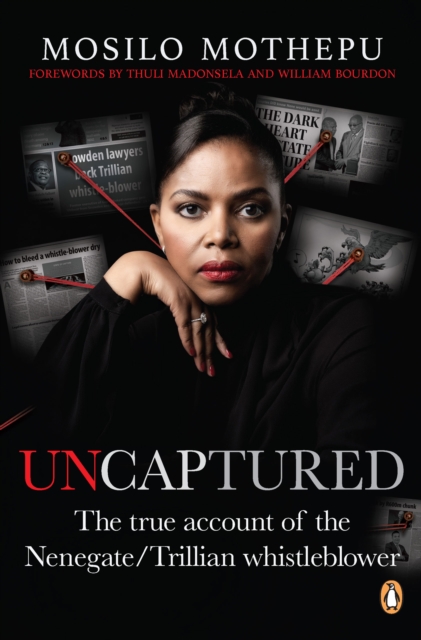
When Mosilo Mothepu was appointed CEO of Trillian Financial Advisory, a subsidiary of Gupta-linked Trillian Capital Partners, in March 2016, the prospect of being at the helm of a black-owned financial consultancy was electrifying for a black woman whose twin passions were transformation and empowering women.
Genomineer vir die kortlys van die KykNET-Rapport boekprys vir nie-fiksie
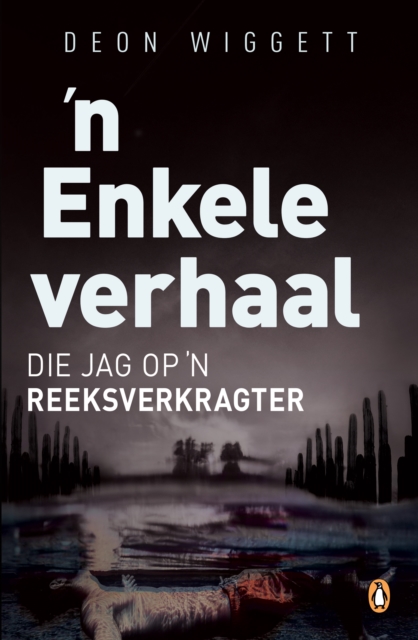
In November 2019 het My Only Story, Deon Wiggett se sensasionele weeklikse podsending, Suid-Afrika meegevoer in sy jag op die pedofiel wat hom as skoolseun verkrag het.
In 1999, idealistic 23-year-old Registered Nurse Sharon Bown left her comfortable family life in Tasmania and joined the Royal Australian Air Force with the aim of providing humanitarian aid to the world.
At Trickle Creek in northern Alberta, Wiebo Ludwig thought hed buffered his tiny religious community from civilization, but in 1990 civilization came calling.
Manson, Sinatra and Me is a Hollywood party girl's memoir that details her encounters with former Presidents, Senators, Congressmen, foreign dignitaries, celebrities, sports stars, businessmen - you name it - including the likes of Frank Sinatra and other members of the Rat Pack.
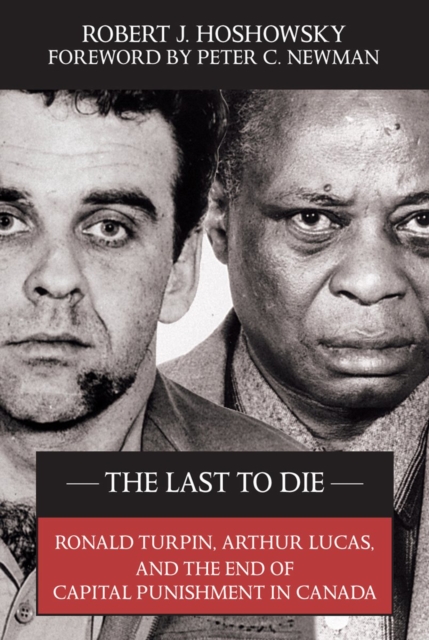
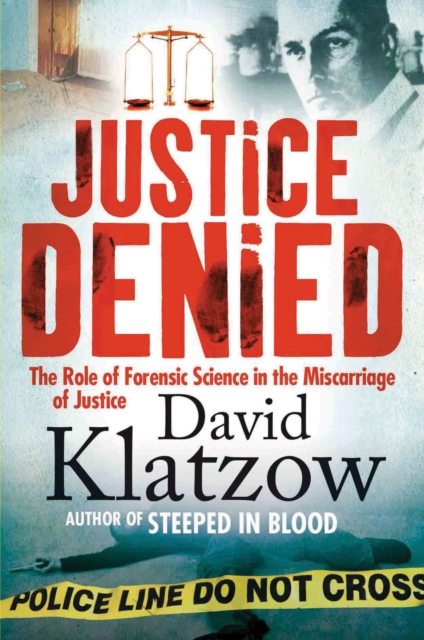
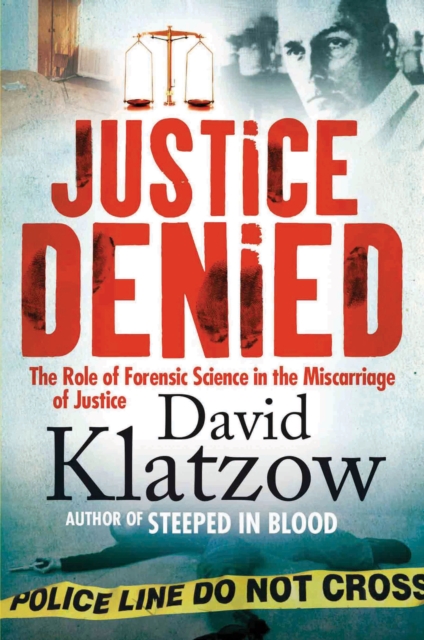
Short-listed for the 2008 Arthur Ellis Award for Best Crime Non-Fiction Although they committed separate crimes, Arthur Lucas and Ronald Turpin met their deaths on the same scaffold at Toronto's Don Jail on December 11, 1962.
Short-listed for the 2008 Arthur Ellis Award for Best Crime Non-Fiction Although they committed separate crimes, Arthur Lucas and Ronald Turpin met their deaths on the same scaffold at Toronto's Don Jail on December 11, 1962.
Short-listed for the 2007 Arthur Ellis Award for Best Non-Fiction They were among Canada's most desperate criminals, yet their names have been all but forgotten in the annals of history - until now!
On 13 November 2010, Anni Dewani was on a dream honeymoon in South Africa after celebrating the happiest day of her life, her marriage to handsome husband Shrien.
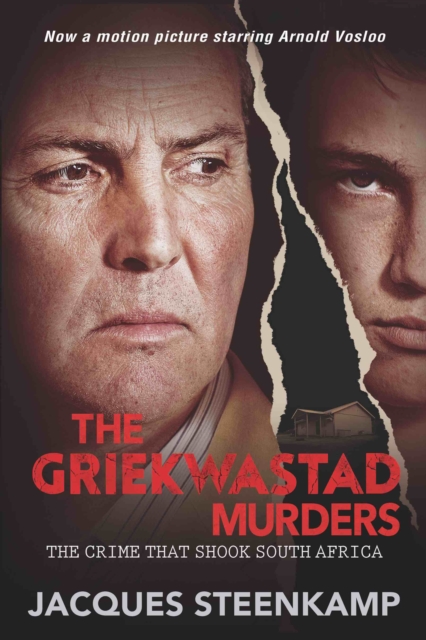
New edition includes the sentencing and identifies Don Steenkamp as the murderer for the first time
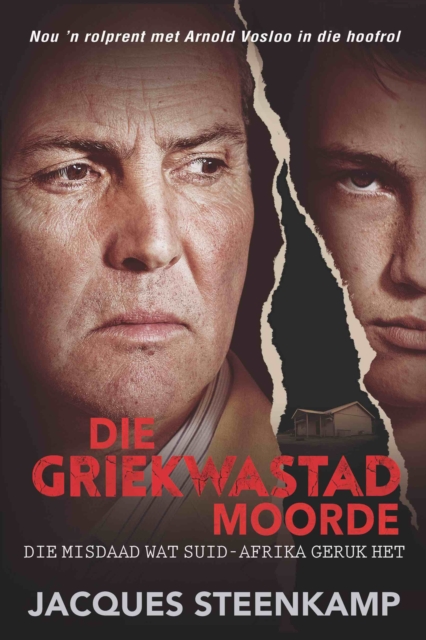
Just after dusk on Good Friday, 6 April 2012, the peace and quiet permeating the small Northern Cape town of Griekwastad was disrupted when a young teenage boy sped into town in his fathers Isuzu bakkie and screeched to a halt in front of the towns nearly deserted police station to announce that his parents and sister had been brutally shot and killed on the family farm, Naauwhoek
Based on interviews with all the role-players, including the investigating officers on the case, the forensic and ballistic experts, and family and friends of the deceased, this is the riveting account of what really happened on Naauwhoek farm on that fateful day, as told by the reporter who first broke the story .
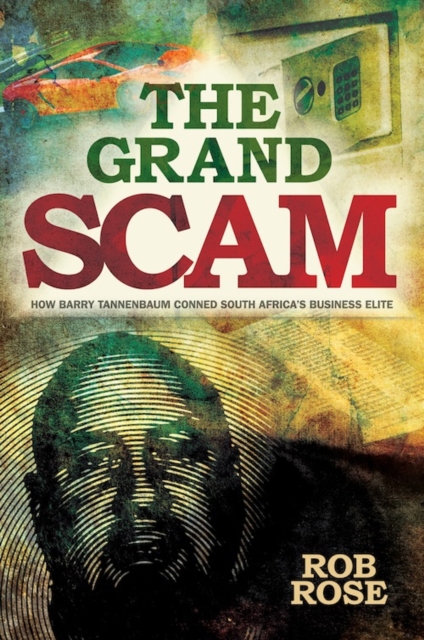
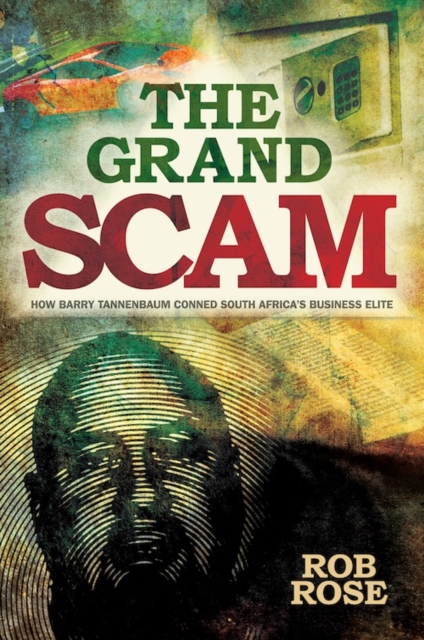
From 2005 to 2009, the heir to one of South Africas blue-blood families, Barry Tannenbaum, methodically constructed the largest-ever con in South African history.
From 2005 to 2009, the heir to one of South Africas blue-blood families, Barry Tannenbaum, methodically constructed the largest-ever con in South African history.
On 13 November 2010, Anni Dewani was on a dream honeymoon in South Africa after celebrating the happiest day of her life, her marriage to handsome husband Shrien.