This highly regarded war memoir was a best seller in both Japan and the United States during the 1960s and has long been treasured by historians for its insights into the Japanese side of the surface war in the Pacific.
Originally published in 1972, Christopher McKee's biography of Edward Preble remains the most authoritative source on this influential early shaper of the U.
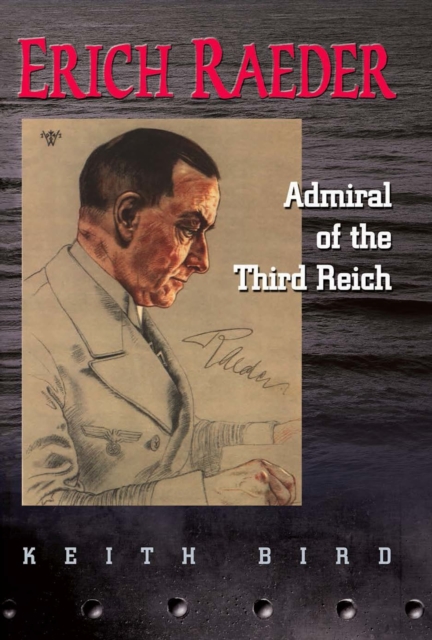
From 1928 to 1943, Erich Raeder led the German navy during the last turbulent years of the Weimar Republic, the rise of Hitler, and through World War II, yet until now there has not been a full-length biography written about him.
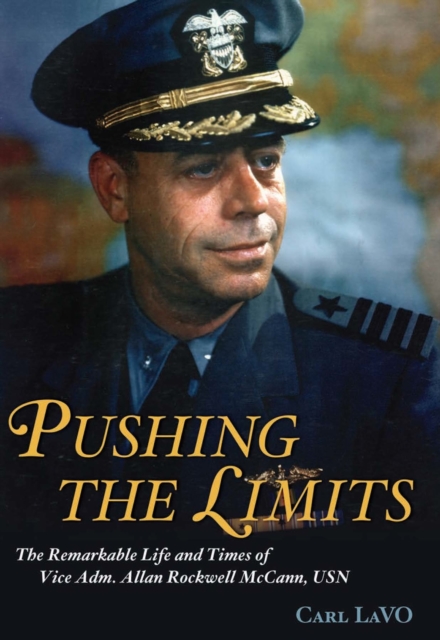
Vice Admiral Allan Rockwell McCann left no reminiscences that might reveal a deeper sense of his extraordinary service, but naval historian Carl LaVO has filled that void by writing this revealing-and often inspiring-biography.
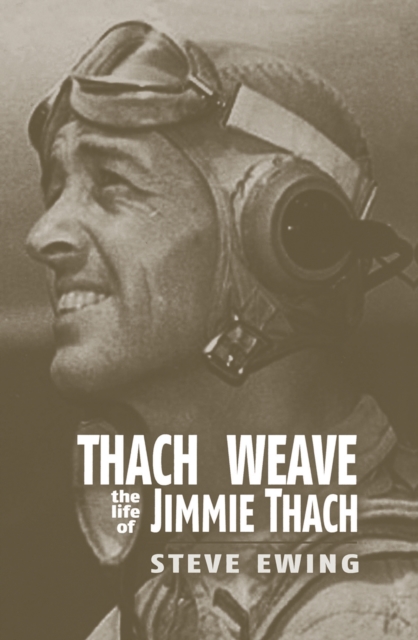
This biography completes a trilogy on the three Navy fighter pilots-Jimmie Thach, Butch O'Hare, and Jimmy Flatley-who developed sweeping changes in aerial combat tactics during World War II.
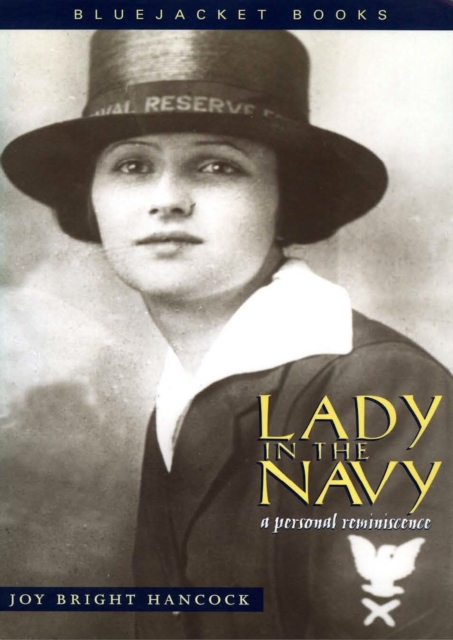
When legislation was passed in 1948 giving women permanent status in the regular and reserve Navy, it was largely due to the efforts of Joy Bright Hancock, the author of this revealing memoir.
This remarkable memoir tells the compelling story of the near-mythic British district officer who helped shape the first great Allied counteroffensive.
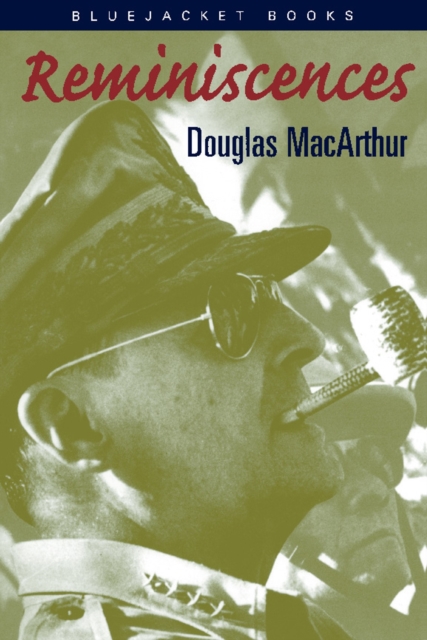
Written in his own hand, and finished only weeks before his death, Reminiscences by General Douglas MacArthur spans more than half a century of modern history.
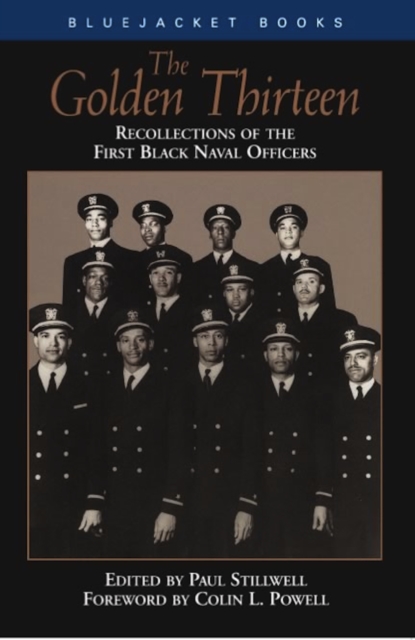
In January 1944 sixteen black enlisted men gathered at the Great Lakes Naval Training Station in Illinois to begin a cram course that would turn them into the U.
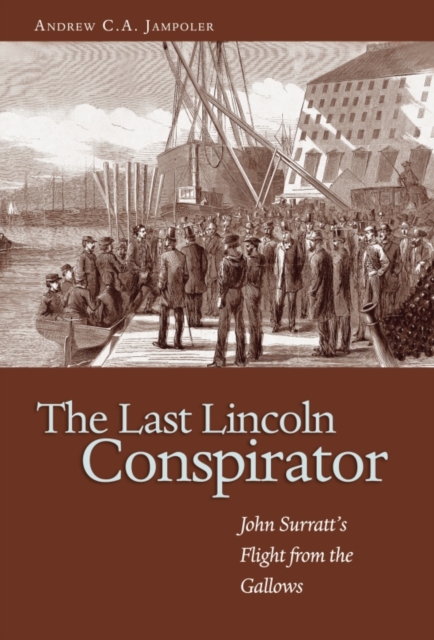
With all that has already been written about President Abraham Lincoln's assassination, one of the little known stories is the case of the only successful conspirator, John Harrison Surratt, the son of Mary Surratt, who was hanged for her part in the crime.
What would cause an otherwise intelligent, well-educated, and, by all accounts, privileged Californian to forgo an easy life in the United States to struggle for survival in a land of strife and mortal danger?
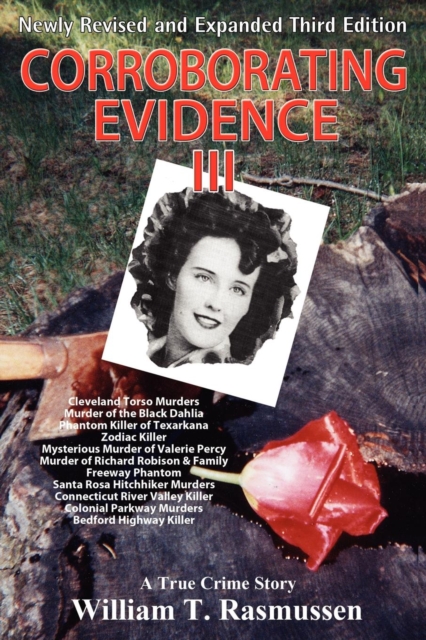
In this newly revised and expanded third edition of "e;Corroborating Evidence,"e; William Rasmussen, author of three previous true-crime books, continues his investigation into famous, unsolved criminal cases by focusing on two separate, unrelated stories.
When Geraldine Gerry Largay (AT trail name, Inchworm) first went missing on the Appalachian Trail in remote western Maine in 2013, the people of Maine were wrought with concern.
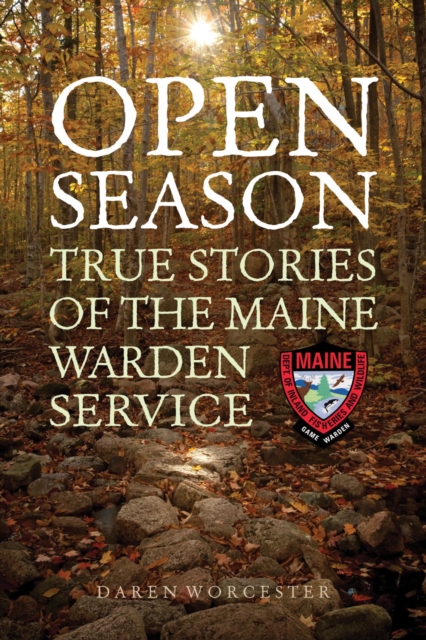
Woods Cop: True Stories of the Maine Warden Service is a collection of 21 stories from twoformer colonels, two lieutenants, two sergeants, four district wardens, a warden pilot, and onecurrently active duty corporal.
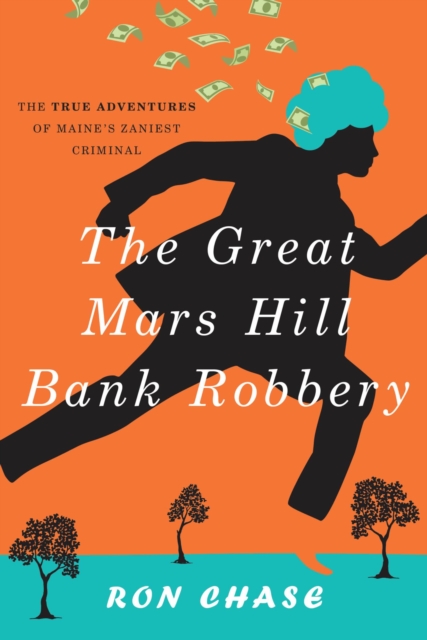
On November 12, 1971, Bernard Patterson, a much decorated Vietnam War hero, turned a real-life version of Don Quixote, Butch Cassidy, and Robin Hood all rolled into one package, robbed the Northern National Bank in Mars Hill, Maine.
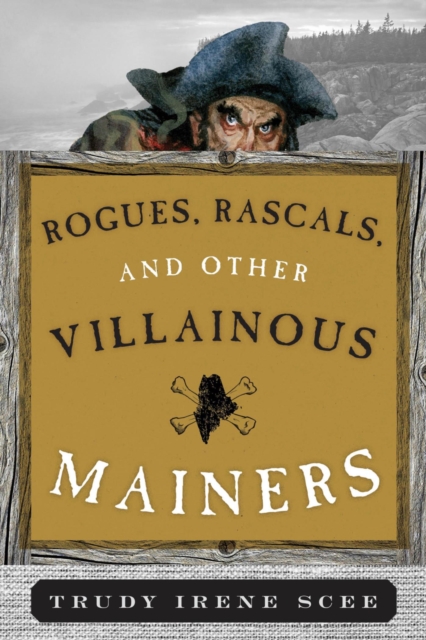
Many nefarious characters have passed through Maine on their way to infamy, including the pirates Dixie Bull and Blackbeard (Edward Teach), and gangster Al Brady, who was gunned down by G-men in the streets of Bangor.
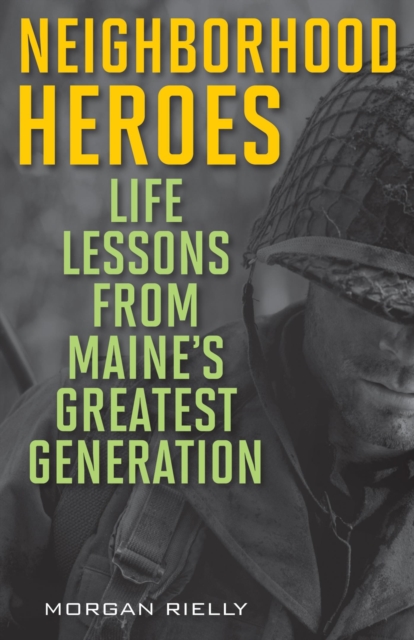
Inspired by the old African proverb: "e;When an old man dies, a library burns to the ground,"e; high-school student Morgan Reilly sought to preserve as many Maine libraries as he could by interviewing men and women from Maine who served in World War II and preserving their stories.
Through intimate portraits of four exonerated prisoners, journalist Alison Flowers explores what happens to innocent people when the state flings open the jailhouse door and tosses them back, empty-handed into the unknown.