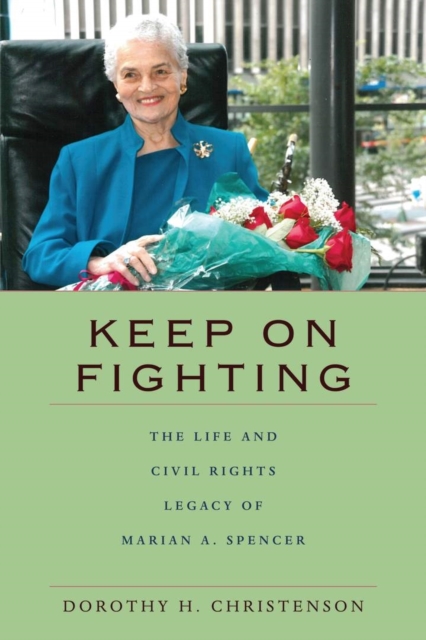
Marian Alexander Spencer was born in 1920 in the Ohio River town of Gallipolis, Ohio, one year after the "e;Red Summer"e; of 1919 that saw an upsurge in race riots and lynchings.
Here is the first fully annotated edition of a landmark in early African American literature Eliza Potters 1859 autobiography, A Hairdressers Experience in High Life.
Once or twice in a generation a poet comes along who captures the essential spirit of the American Midwest and gives name to the peculiar nature that persists there.
Over the past two decades, historians have successfully disputedthe notion that American women remained wholly outside the realm of politics until the early twentieth century.
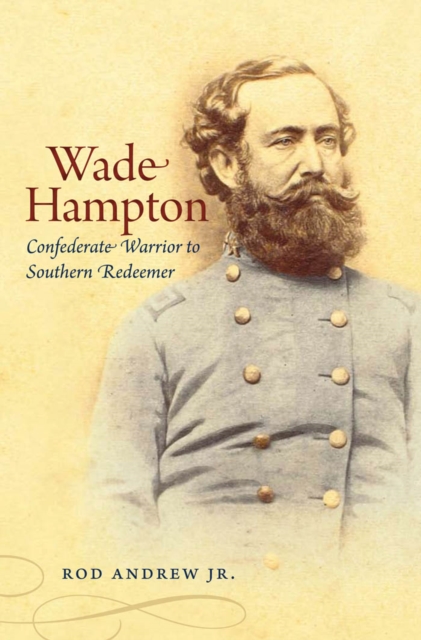
One of the Souths most illustrious military leaders, Wade Hampton III was for a time the commander of all Lees cavalry and at the end of the war was the highest-ranking Confederate cavalry officer.
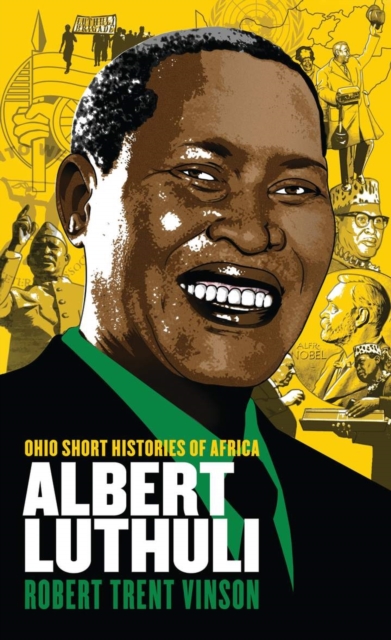
In an excellent addition to the Ohio Short Histories of Africa series, Robert Trent Vinson recovers the important but largely forgotten story of Albert Luthuli, Africa's first Nobel Peace Prize winner and president of the African National Congress from 1952 to 1967.
Polish emigres have written poignantly about the pain of exile in letters, diaries, and essays; others, more recently, have recreated Polish-American communities in works of fiction.
Focusing on the representation of same-sex desire in Victorian autobiographical writing, Oliver Buckton offers significant new readings of works by some of the most influential figures in late-nineteenth-century literature and culture.
Lifestyle Society offers a compelling exploration of how lifestyles have become the central organizing principle of contemporary social life, reshaping traditional understandings of class, identity, and social differentiation.
The first women lawyers in America, like many of their twentieth-century counterparts, had to reconcile the traditional roles assigned to women with their roles as lawyers.
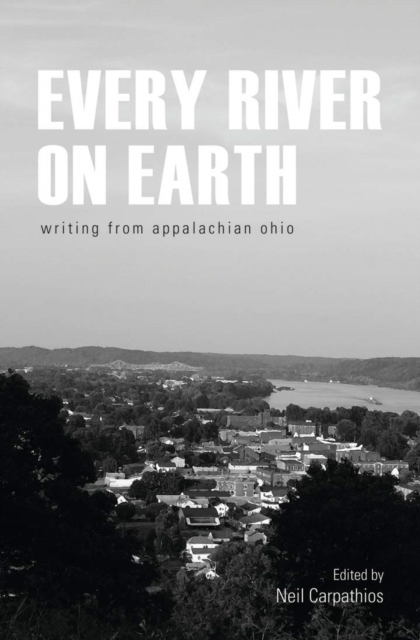
Every River on Earth: Writing from Appalachian Ohio includes some of the best regional poetry, fiction, and creative nonfiction from forty contemporary writers, both established and up-and-coming.
In the twenty-two months covered by this volume, Jefferson spent most of his time at Monticello, where in his short-lived retirement from office he turned in earnest to the renovation of his residence and described himself as a 'monstrous farmer.
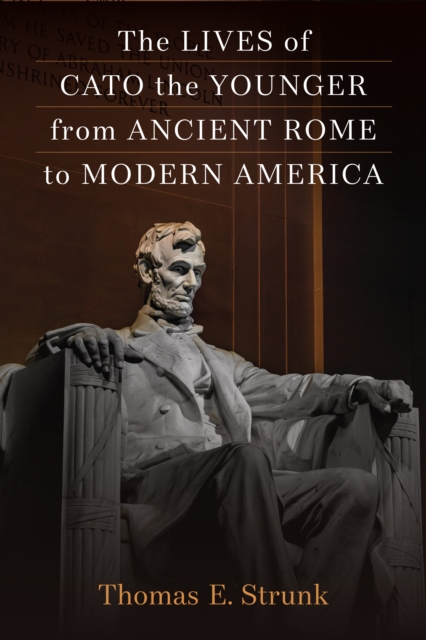
The Lives of Cato the Younger from Ancient Rome to Modern America traces the reception and influence of Cato from his suicide at the fall of the Roman Republic to the twenty-first century.
The Daughter's Dilemma breaks new ground in literary studies through its application of family systems theory to the analysis of nineteenth-century domestic novels.
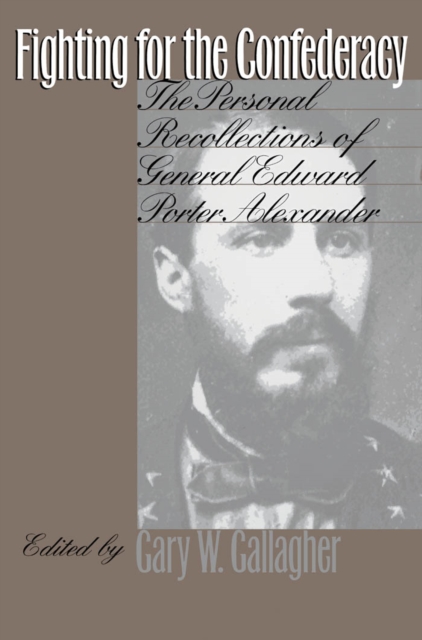
Originally published by UNC Press in 1989, Fighting for the Confederacy is one of the richest personal accounts in all of the vast literature on the Civil War.
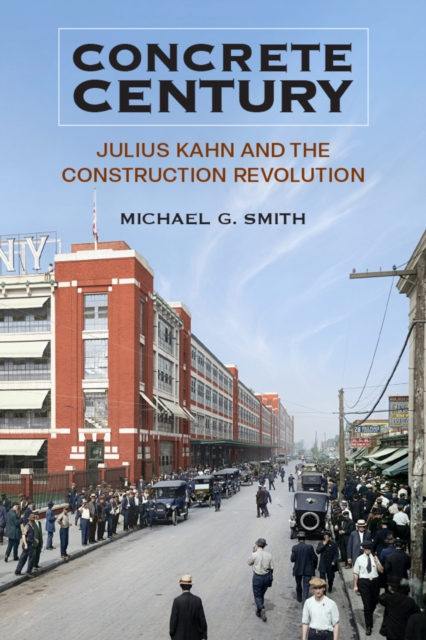
At the turn of the 20th century, industrial manufacturing was expanding dramatically while factory buildings remained fire-prone relics of an earlier age.
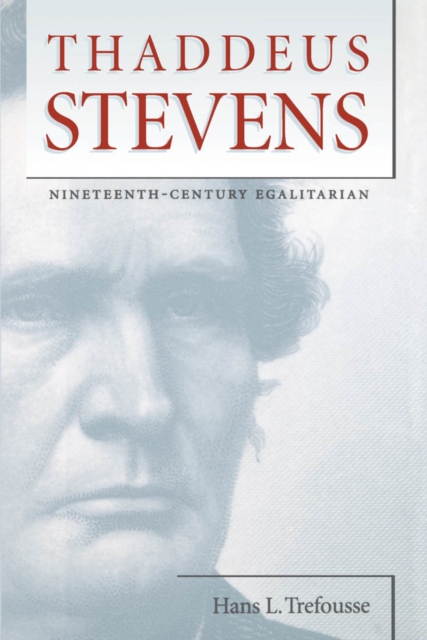
One of the most controversial figures in nineteenth-century American history, Thaddeus Stevens is best remembered for his role as congressional leader of the radical Republicans and as a chief architect of Reconstruction.
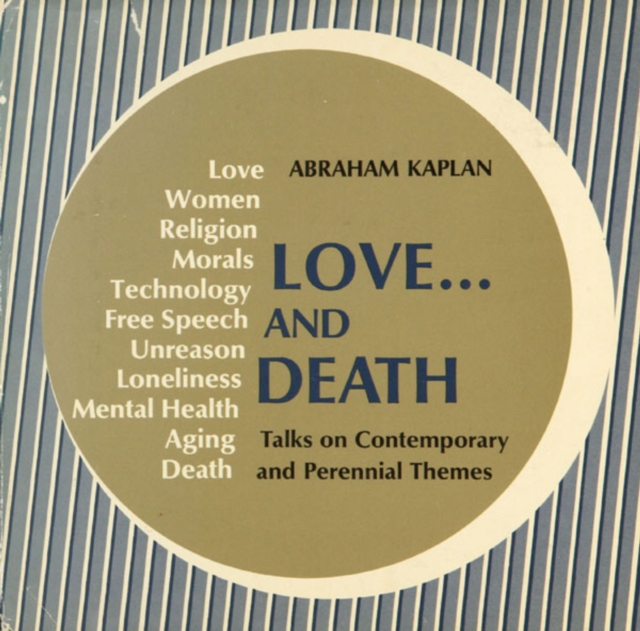
In these eleven talks-originally presented as the highly acclaimed television series "e;The Worlds of Abraham Kaplan"e;-a great teacher discusses the most important questions of traditional and contemporary human experience.
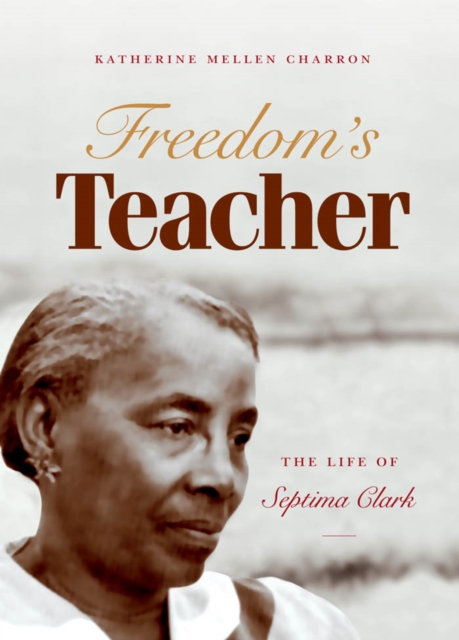
In the mid-1950s, Septima Poinsette Clark (1898-1987), a former public school teacher, developed a citizenship training program that enabled thousands of African Americans to register to vote and then to link the power of the ballot to concrete strategies for individual and communal empowerment.
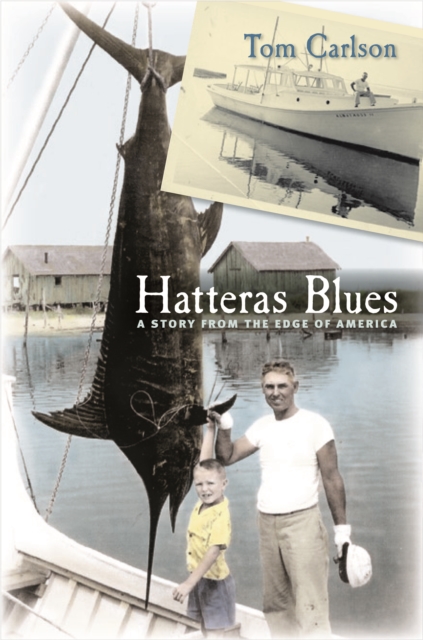
Tom Carlson tells the story of Ernal Foster and the Foster family of Hatteras Village, who gave birth to what would become the multi-million dollar charter fishing industry on the Outer Banks.
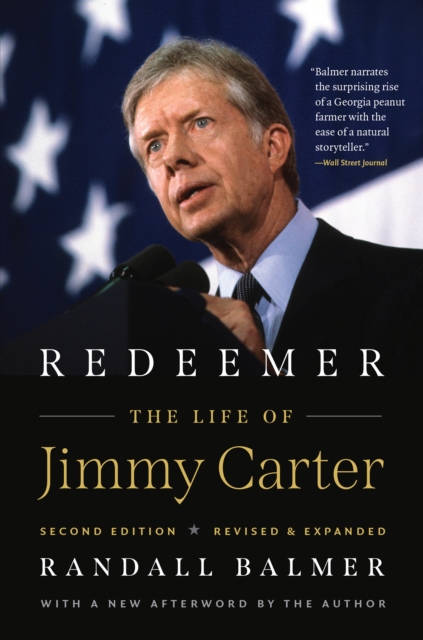
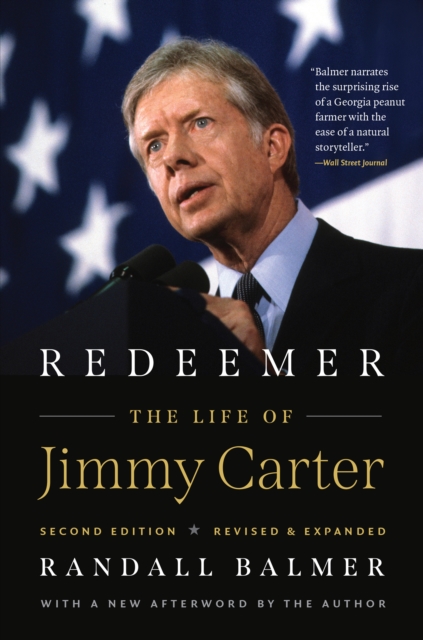
This illuminating biography of our thirty-ninth president by an acclaimed historian of American religion presents Jimmy Carter as the last great standard-bearer of progressive evangelical politics.
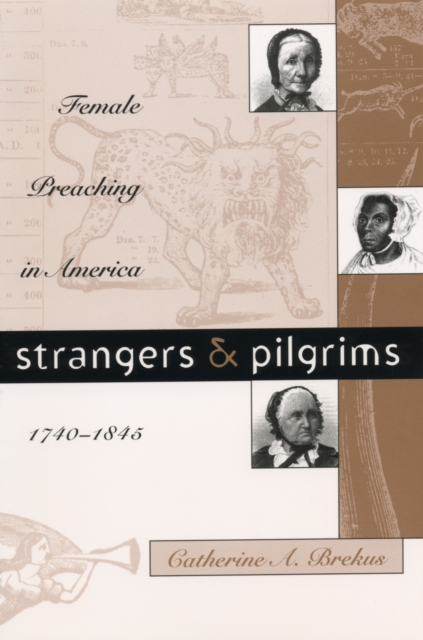
Margaret Meuse Clay, who barely escaped a public whipping in the 1760s for preaching without a license; Old Elizabeth, an ex-slave who courageously traveled to the South to preach against slavery in the early nineteenth century; Harriet Livermore, who spoke in front of Congress four times between 1827 and 1844 these are just a few of the extraordinary women profiled in this, the first comprehensive history of female preaching in early America.
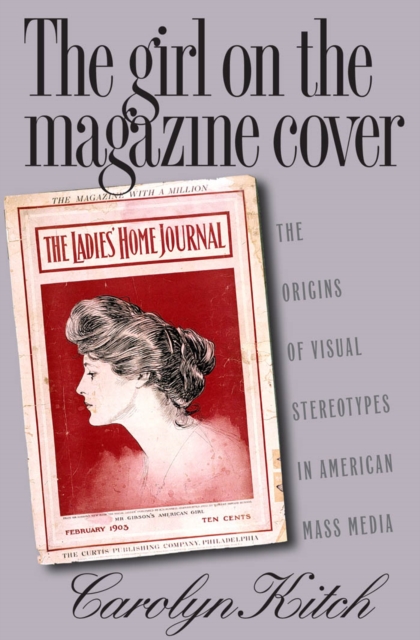
From the Gibson Girl to the flapper, from the vamp to the New Woman, Carolyn Kitch traces mass media images of women to their historical roots on magazine covers, unveiling the origins of gender stereotypes in early-twentieth-century American culture.
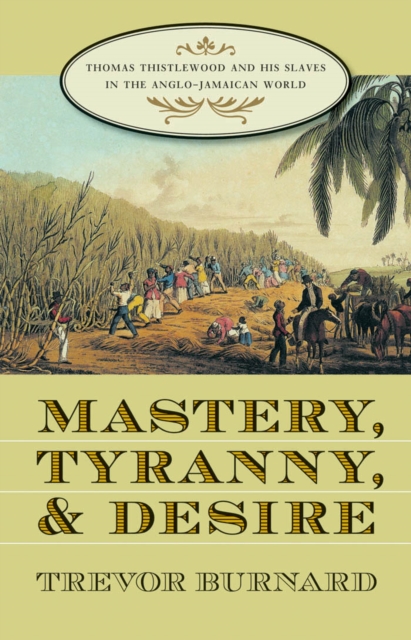
Eighteenth-century Jamaica, Britains largest and most valuable slave-owning colony, relied on a brutal system of slave management to maintain its tenuous social order.
This illuminating biography of our thirty-ninth president by an acclaimed historian of American religion presents Jimmy Carter as the last great standard-bearer of progressive evangelical politics.