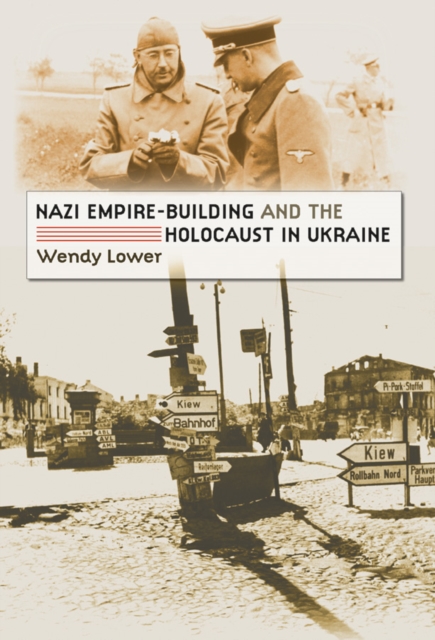
On 16 July 1941, Adolf Hitler convened top Nazi leaders at his headquarters in East Prussia to dictate how they would rule the newly occupied eastern territories.
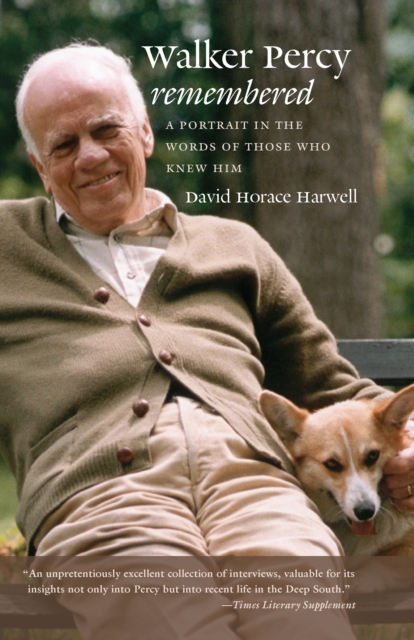
Walker Percy (19161990), the reclusive southern author most famous for his 1961 novel The Moviegoer, spent much of his adult life in Covington, Louisiana.
In this book, John Nelson reconstructs everyday Anglican religious practice and experience in Virginia from the end of the seventeenth century to the start of the American Revolution.
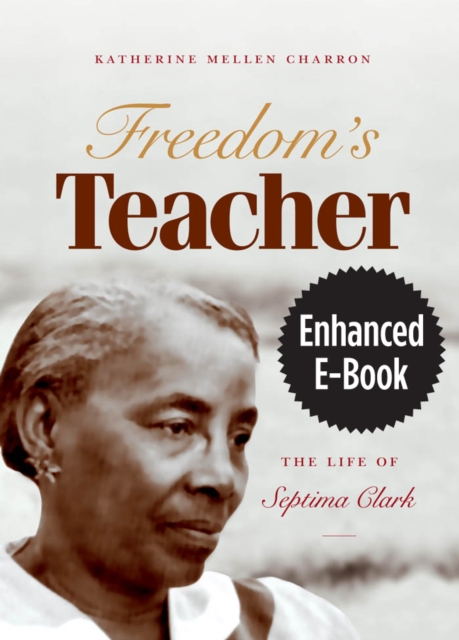
Civil rights activist Septima Poinsette Clark (1898-1987) developed a citizenship education program that enabled tens of thousands of African Americans to register to vote and to link the power of the ballot to concrete strategies for individual and communal empowerment.
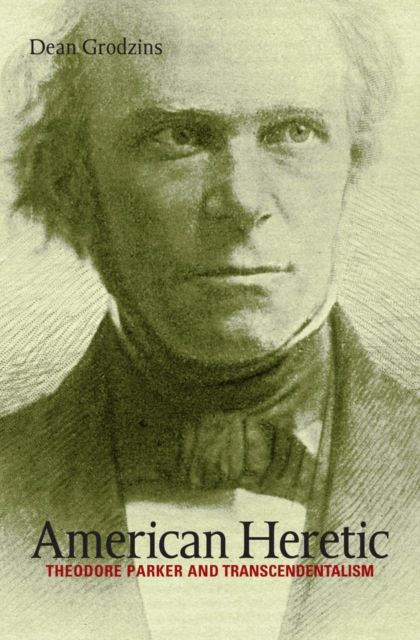
Theodore Parker (18101860) was a powerful preacher who rejected the authority of the Bible and of Jesus, a brilliant scholar who became a popular agitator for the abolition of slavery and for womens rights, and a political theorist who defined democracy as government of all the people, by all the people, for all the people words that inspired Abraham Lincoln.
A landmark work of womens history originally published in 1967, Gerda Lerners best-selling biography of Sarah and Angelina Grimk explores the lives and ideas of the only southern women to become antislavery agents in the North and pioneers for womens rights.
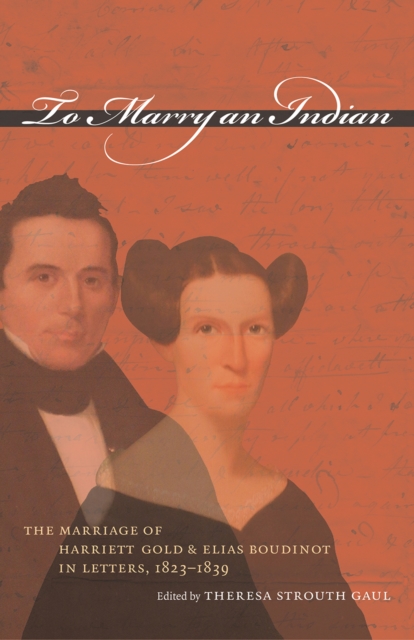
When nineteen-year-old Harriett Gold, from a prominent white family in Cornwall, Connecticut, announced in 1825 her intention to marry a Cherokee man, her shocked family initiated a spirited correspondence debating her decision to marry an Indian.
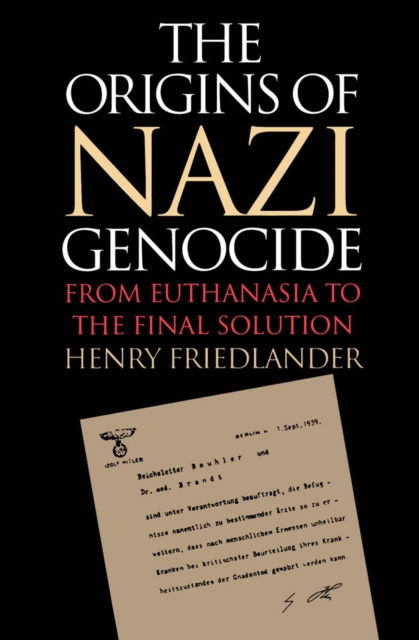
Tracing the rise of racist and eugenic ideologies, Henry Friedlander#### explores in chilling detail how the Nazi program of secretly exterminating the handicapped and disabled evolved into the systematic destruction of Jews and Gypsies.
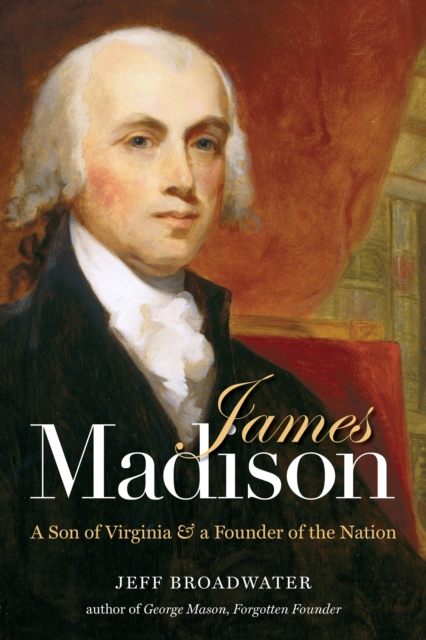
James Madison is remembered primarily as a systematic political theorist, but this bookish and unassuming man was also a practical politician who strove for balance in an age of revolution.
A musician, documentarian, scholar, and one of the founding members of the influential folk revival group the New Lost City Ramblers, Mike Seeger (19332009) spent more than fifty years collecting, performing, and commemorating the culture and folk music of white and black southerners, which he called music from the true vine.
In 1996, Democratic president Bill Clinton and the Republican-controlled Congress ended welfare as we know it and trumpeted workfare as a dramatic break from the past.
Major General Don Carlos Buell stood among the senior Northern commanders early in the Civil War, led the Army of the Ohio in the critical Kentucky theater in 186162, and helped shape the direction of the conflict during its first years.
Shedding new light on contemporary campaigns to encourage marriage among welfare recipients and to prosecute deadbeat dads, Wives without Husbands traces the efforts of Progressive reformers to make runaway husbands support their families.
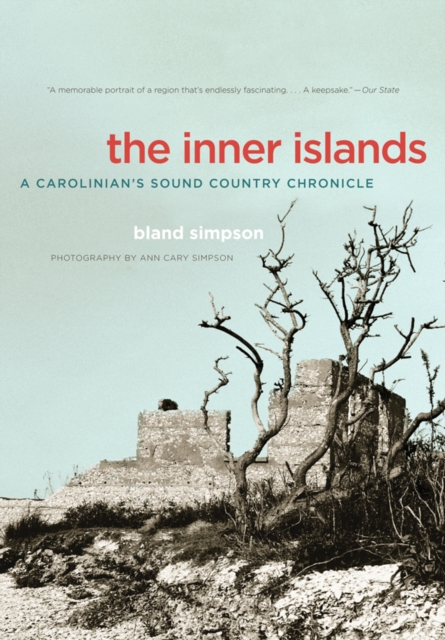
Blending history, oral history, autobiography, and travel narrative, Bland Simpson explores the islands that lie in the sounds, rivers, and swamps of North Carolinas inner coast.
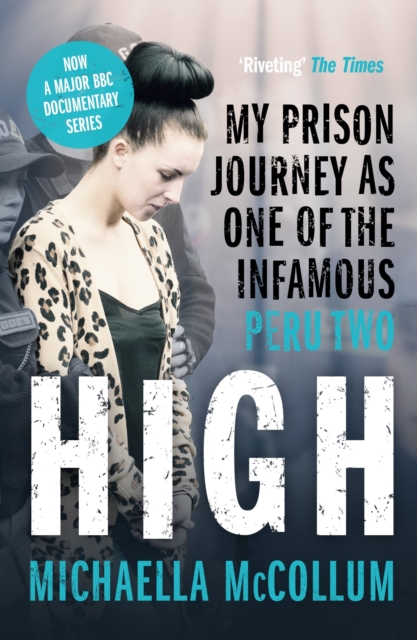
The gritty prison memoir of Michaella McCollum, one half of the infamous 'Peru Two', imprisoned in a Peruvian jail for attempting to smuggle 11kg of cocaine from Peru to Madrid in August 2013.
This book explores what it feels like to be a young person on the autism spectrum and looks at all the brilliant things people on the autism spectrum can do.
Colostrum Unveiled: The Human and Animal Benefits of Bovine Colostrum is emerging as a groundbreaking topic in the fields of health and nutrition, and this book provides a comprehensive exploration of its biological, nutritional, and clinical applications.
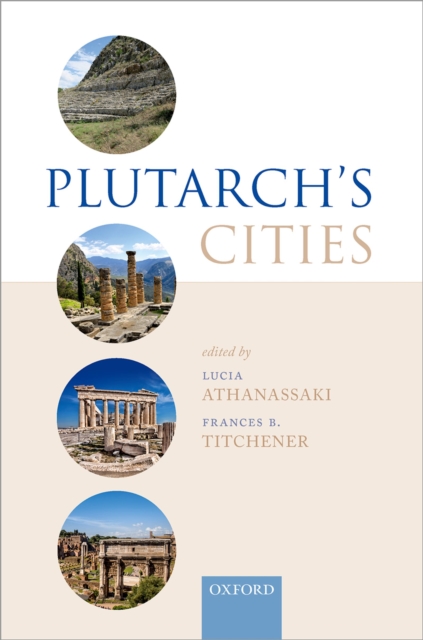
Plutarch's Cities is the first comprehensive attempt to assess the significance of the polis in Plutarch's works from several perspectives, namely the polis as a physical entity, a lived experience, and a source of inspiration, the polis as a historical and sociopolitical unit, the polis as a theoretical construct and paradigm to think with.
Cristina's son was about to embark on gender-affirming care that would likely cause infertility, when she realised the need to support both her child and the adult he would become, and give him the right to have children of his own.
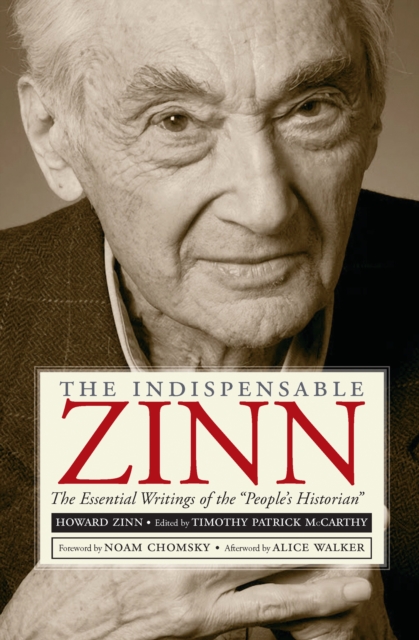
A "e;well-chosen anthology of the radical historian's prodigious output,"e; from A People's History of the United States and lesser known sources (Kirkus Reviews).
Known today as the other speaker at Gettysburg, Edward Everett had a distinguished and illustrative career at every level of American politics from the 1820s through the Civil War.
Written over an eleven-year period, these letters between Thomas Wolfe and Aline Bernstein chronicle a love affair that was by turns stormy, tender, bitter, and contrite.