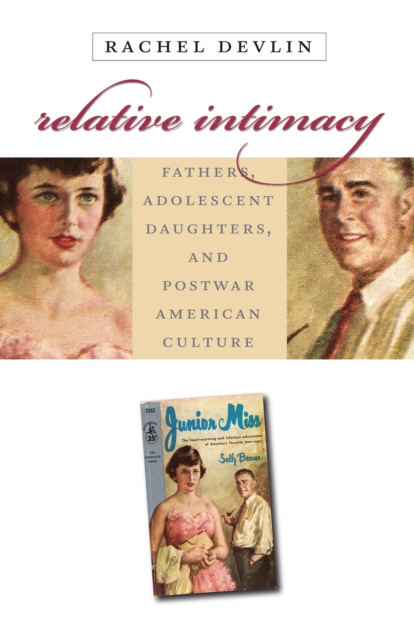
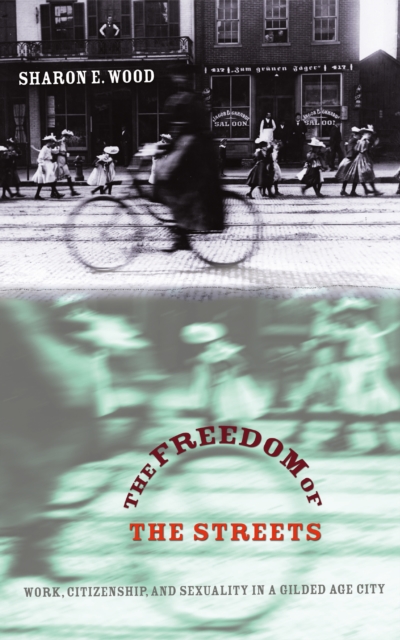
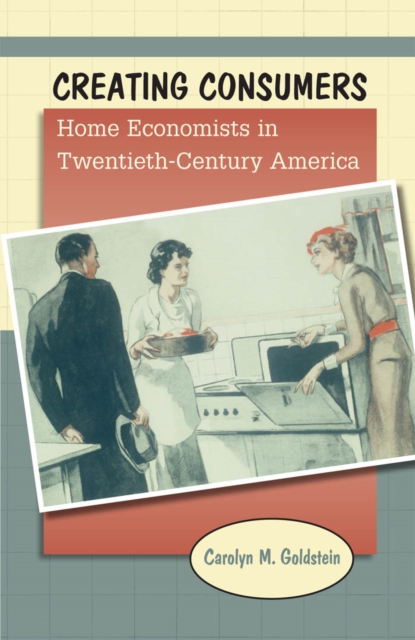
Celebrated as new consumers and condemned for their growing delinquencies, teenage girls emerged as one of the most visible segments of American society during and after World War II.
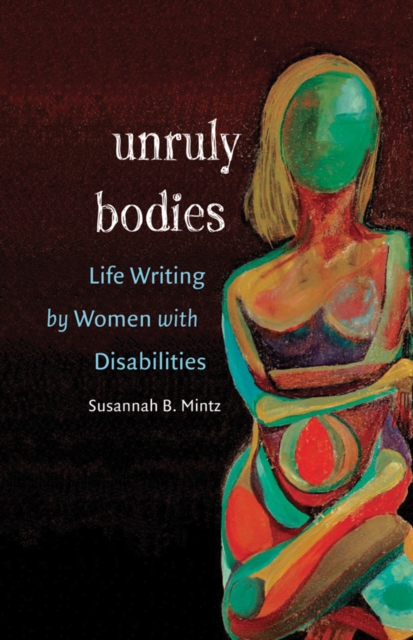
The first critical study of personal narrative by women with disabilities, Unruly Bodies examines how contemporary writers use life writing to challenge cultural stereotypes about disability, gender, embodiment, and identity.
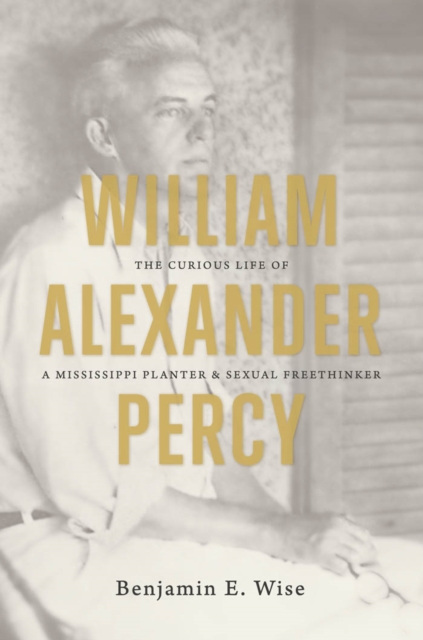
Walker Percy (19161990), the reclusive southern author most famous for his 1961 novel The Moviegoer, spent much of his adult life in Covington, Louisiana.
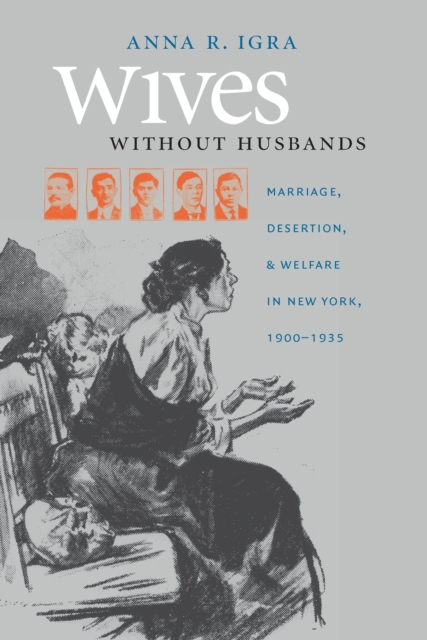
Shedding new light on contemporary campaigns to encourage marriage among welfare recipients and to prosecute deadbeat dads, Wives without Husbands traces the efforts of Progressive reformers to make runaway husbands support their families.
The first major study of slavery in the maritime South, The Watermans Song chronicles the world of slave and free black fishermen, pilots, rivermen, sailors, ferrymen, and other laborers who, from the colonial era through Reconstruction, plied the vast inland waters of North Carolina from the Outer Banks to the upper reaches of tidewater rivers.
A musician, documentarian, scholar, and one of the founding members of the influential folk revival group the New Lost City Ramblers, Mike Seeger (19332009) spent more than fifty years collecting, performing, and commemorating the culture and folk music of white and black southerners, which he called music from the true vine.
On 16 July 1941, Adolf Hitler convened top Nazi leaders at his headquarters in East Prussia to dictate how they would rule the newly occupied eastern territories.
In 1942 Pauli Murray, a young black woman from North Carolina studying law at Howard University, visited a constitutional law class taught by Caroline Ware, one of the nations leading historians.
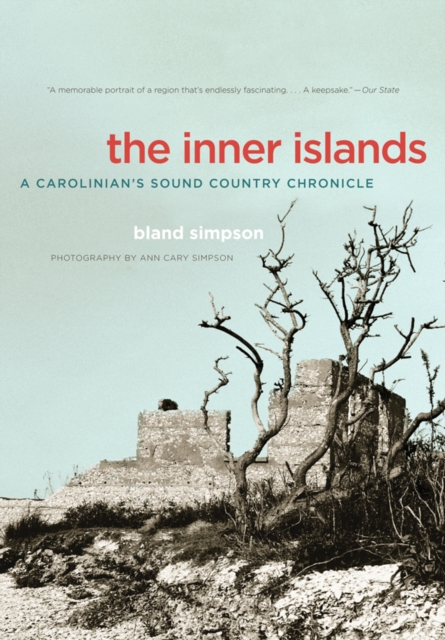
Blending history, oral history, autobiography, and travel narrative, Bland Simpson explores the islands that lie in the sounds, rivers, and swamps of North Carolinas inner coast.
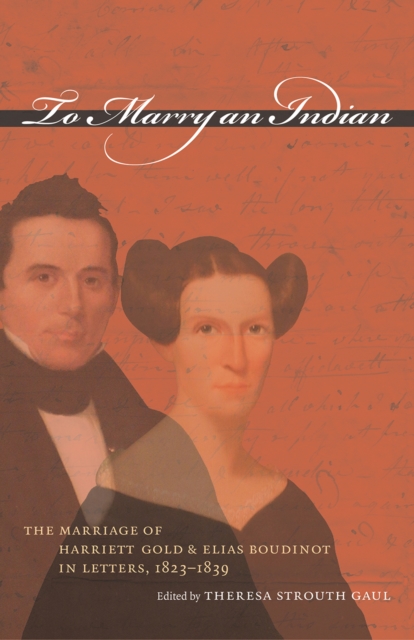
When nineteen-year-old Harriett Gold, from a prominent white family in Cornwall, Connecticut, announced in 1825 her intention to marry a Cherokee man, her shocked family initiated a spirited correspondence debating her decision to marry an Indian.
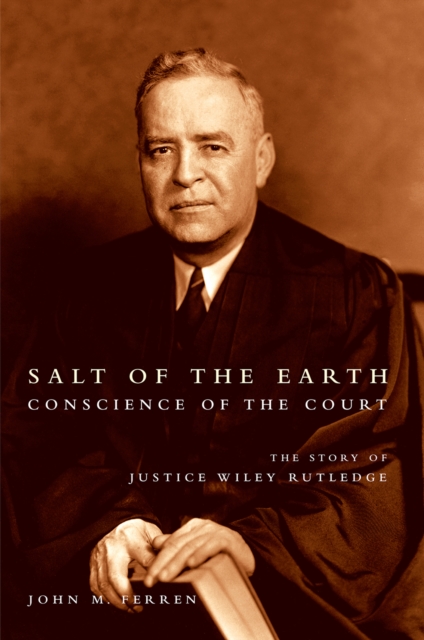
The Kentucky-born son of a Baptist preacher, with an early tendency toward racial prejudice, Supreme Court Justice Wiley Rutledge (18941949) became one of the Courts leading liberal activists and an early supporter of racial equality, free speech, and church-state separation.
In 1996, Democratic president Bill Clinton and the Republican-controlled Congress ended welfare as we know it and trumpeted workfare as a dramatic break from the past.
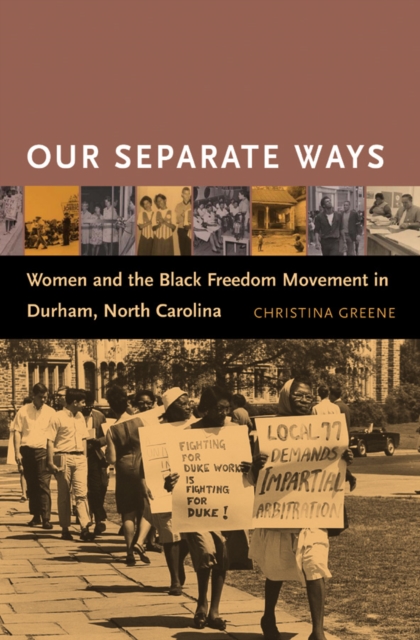
In an in-depth community study of women in the civil rights movement, Christina Greene examines how several generations of black and white women, low-income as well as more affluent, shaped the struggle for black freedom in Durham, North Carolina.
On a summer day in 1846 two years before the Seneca Falls convention that launched the movement for womans rights in the United States six women in rural upstate New York sat down to write a petition to their states constitutional convention, demanding equal, and civil and political rights with men.
Celebrated as new consumers and condemned for their growing delinquencies, teenage girls emerged as one of the most visible segments of American society during and after World War II.
Major General Don Carlos Buell stood among the senior Northern commanders early in the Civil War, led the Army of the Ohio in the critical Kentucky theater in 186162, and helped shape the direction of the conflict during its first years.
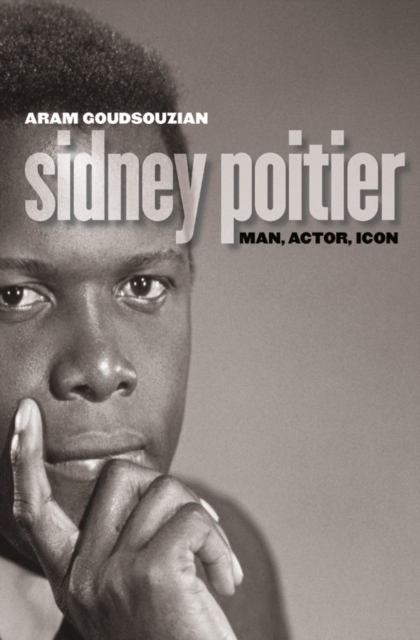
In the first full biography of actor Sidney Poitier, Aram Goudsouzian analyzes the life and career of a Hollywood legend, from his childhood in the Bahamas to his 2002 Oscar for lifetime achievement.
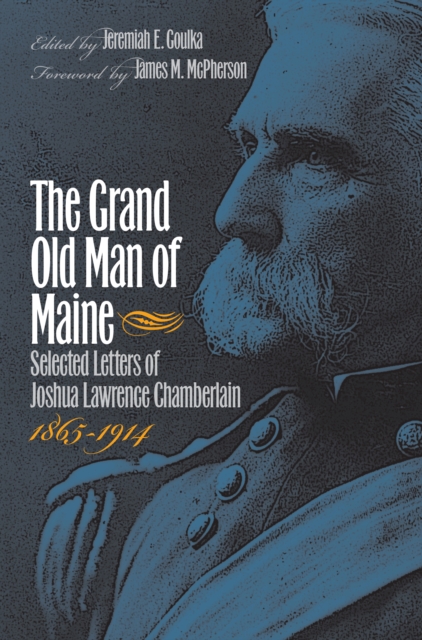
Best known as the hero of Little Round Top at Gettysburg and the commanding officer of the troops who accepted the Confederates' surrender at Appomattox, Joshua Lawrence Chamberlain (18281914) has become one of the most famous and most studied figures of Civil War history.
In this book, John Nelson reconstructs everyday Anglican religious practice and experience in Virginia from the end of the seventeenth century to the start of the American Revolution.
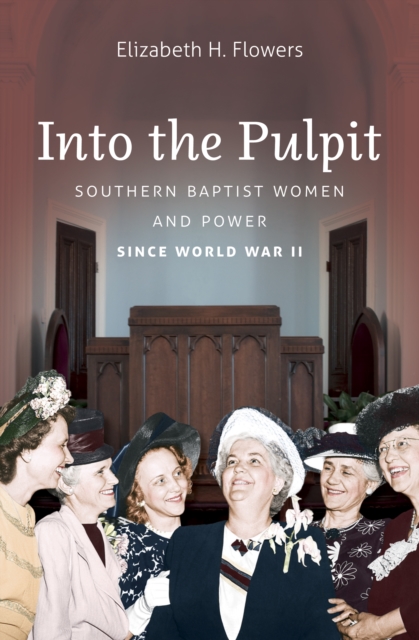
The debate over womens roles in the Southern Baptist Conventions conservative ascendance is often seen as secondary to theological and biblical concerns.
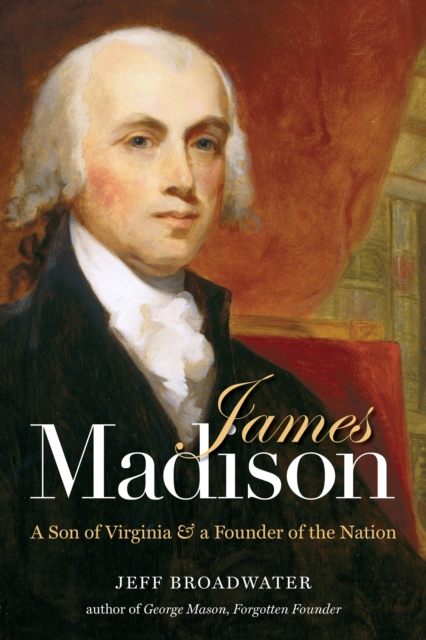
James Madison is remembered primarily as a systematic political theorist, but this bookish and unassuming man was also a practical politician who strove for balance in an age of revolution.
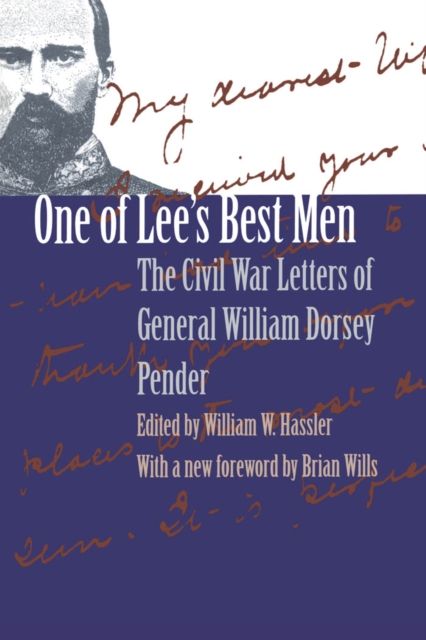
On the day that Lincoln was inaugurated in 1861, twenty-seven-year-old William Dorsey Pender, en route to the provisional Confederate capital in Montgomery, Alabama, hurriedly scribbled a note to his wife, Fanny.
Seminar paper from the year 2020 in the subject American Studies - Literature, grade: 2, , language: English, abstract: Next to being a source of entertainment, novels also offer insights into the culture and the values of the affected society, thereby stimulating critical thinking in the reader about certain features.
A landmark work of womens history originally published in 1967, Gerda Lerners best-selling biography of Sarah and Angelina Grimk explores the lives and ideas of the only southern women to become antislavery agents in the North and pioneers for womens rights.
Out on Assignment illuminates the lives and writings of a lost world of women who wrote for major metropolitan newspapers at the start of the twentieth century.
Volume 3 of A History of the Book in America narrates the emergence of a national book trade in the nineteenth century, as changes in manufacturing, distribution, and publishing conditioned, and were conditioned by, the evolving practices of authors and readers.
Late nineteenth-century San Francisco was an ethnically diverse but male-dominated society bustling from a rowdy gold rush, earthquakes, and explosive economic growth.