Convinced he was the Elijah Messiah, the Spanish peasant Bartolome Sanchez believed that God had sent him in divine retribution for the crimes committed by the Inquisition and the Church.
Ridgeway (Reggie) Callow began his film career in the early 1930s and for four decades worked as an assistant director on some of the most memorable films in Hollywood history.
With the approach of the 500th anniversary of Martin Luther’s inauguration of the Protestant Reformation and the burgeoning dialogue between Catholics and Lutherans opened under Pope Francis, this new edition of Walter Altmann’s Luther and Liberation is timely and relevant.
The decades-long effort to understand the apostle Paul within his Jewish context is now firmly established in scholarship on early Judaism, as well as on Paul.
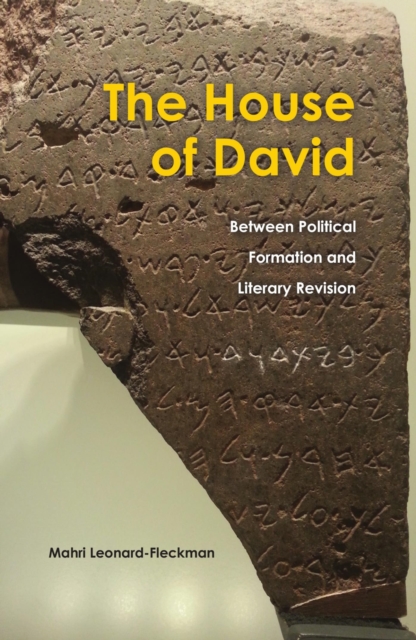
Current scholarly debate over the historical character of David's rule generally considers the biblical portrait to represent David as king of Judah first, and subsequently over "e;all Israel.
Since the mid-twentieth century, apocalyptic thought has been championed as a central category for understanding the New Testament writings and the letters of Paul above all.
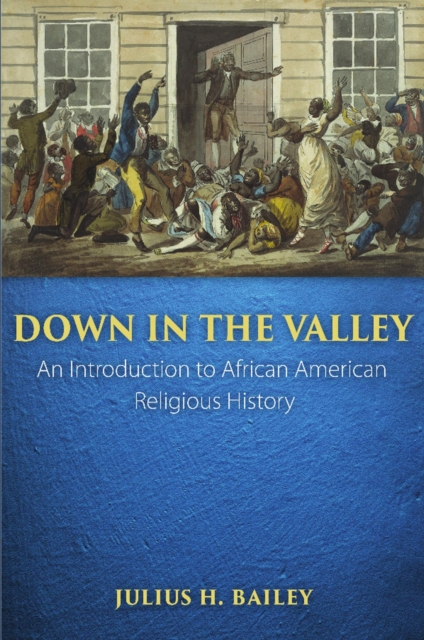
African American religions constitute a diverse group of beliefs and practices that emerged from the African diaspora brought about by the Atlantic slave trade.
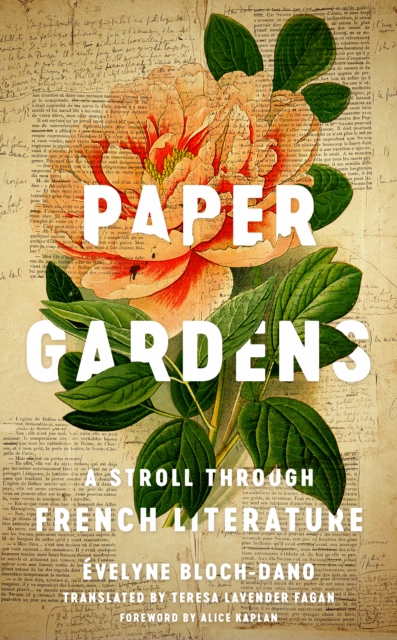
From Jean-Jacques Rousseau to Marcel Proust, from Marguerite Duras to George Sand, from Colette to Patrick Modiano, gardens appear in novels as representations of the real world, but also as reflections of the imagination.
Often, readers and commentators read the Proverbs as timeless observations and recommendations regarding human nature, valid for all cultures and places.
Henry James was the final survivor of a remarkable family, and his memoir, written at the end of a long and tireless career, was prompted initially by the death of his "e;ideal Elder Brother,"e; the psychologist and philosopher William James.
Women of the Constitution follows in the footsteps of the 1912 work The Wives of the Signers, which was devoted to biographical sketches of the spouses of the signers of the Declaration of Independence.
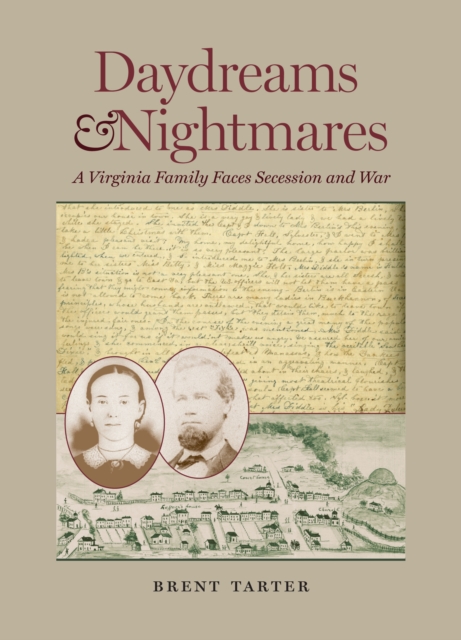
The decision of the eventual Confederate states to secede from the Union set in motion perhaps the most dramatic chapter in American history, and one that has typically been told on a grand scale.
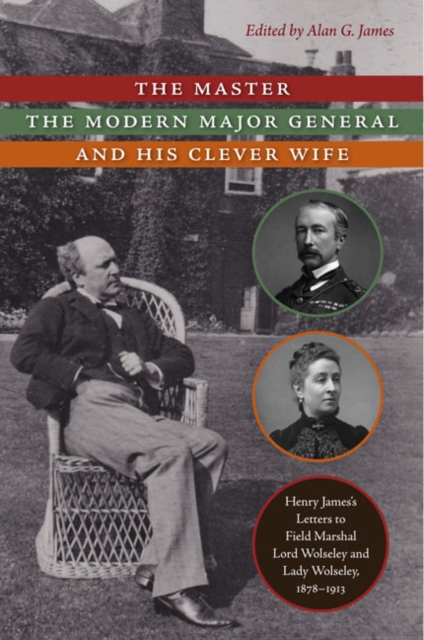
As his letters attest, for nearly forty years Henry James enjoyed a warm and gratifying friendship with Britain's foremost soldier of the last quarter of the nineteenth century and his wife.
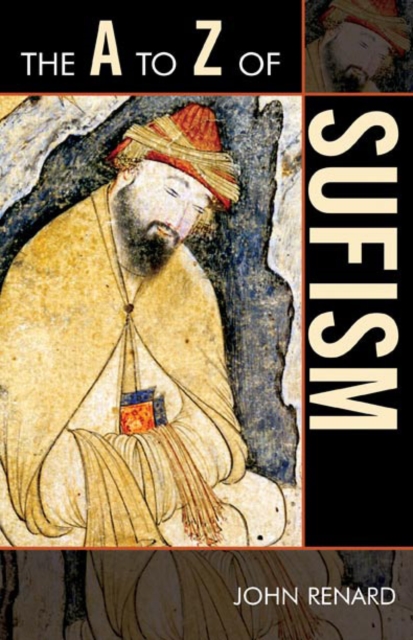
With more than 3,000 entries and cross-references on the history, main figures, institutions, theory, and literary works associated with Islam's mystical tradition, Sufism, this dictionary brings together in one volume, extensive historical information that helps put contemporary events into a historical context.
From the end of Reconstruction to the onset of the civil rights era, lynching was prevalent in developing and frontier regions that had a dynamic and fluid African American population.
John Boorman has written and directed more than 25 television and feature films, including such classics as Deliverance, Point Blank, Hope and Glory, and Excalibur.
During her long career as a public figure in Jacksonian America, Anne Royall was called everything from an "e;enemy of religion"e; to a "e;Jackson man"e; to a "e;common scold.
Last Call for the African-American Church revisits the commandment Jesus left his followers to proclaim the gospel worldwide until his return, one that by all accounts is no longer a priority in the contemporary African-American church.
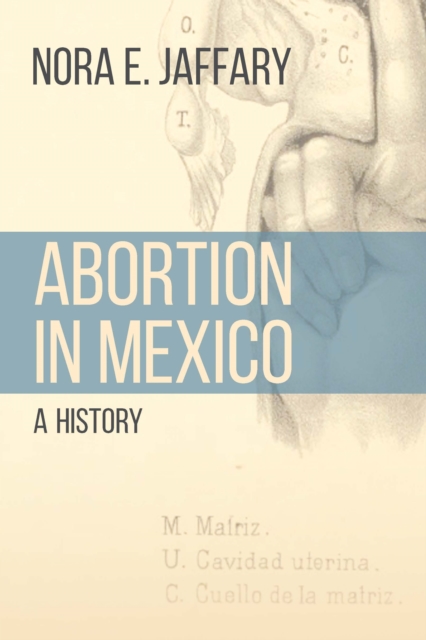
Abortion in Mexico: A History concisely examines the long history of abortion from the early postcontact period through the present day in Mexico by studying the law, criminal and ecclesiastical trials, medical texts, newspapers, and other popular publications.
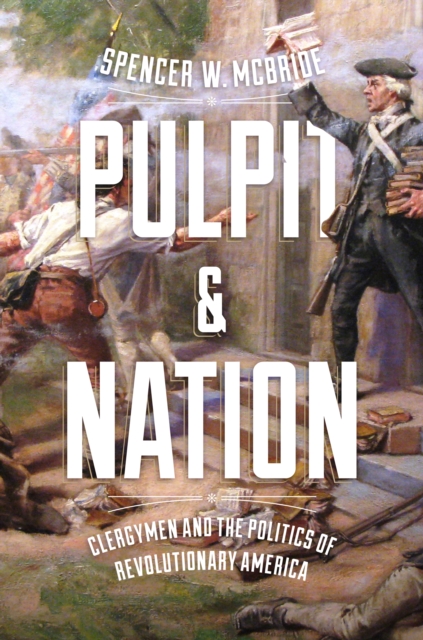
In Pulpit and Nation, Spencer McBride highlights the importance of Protestant clergymen in early American political culture, elucidating the actual role of religion in the founding era.
After spending more than a decade as a journalist in South Asia, Suzanne Fisher Staples turned to writing realistic novels about young people coming of age in modern Pakistan, Afghanistan, and India, as well as the United States.
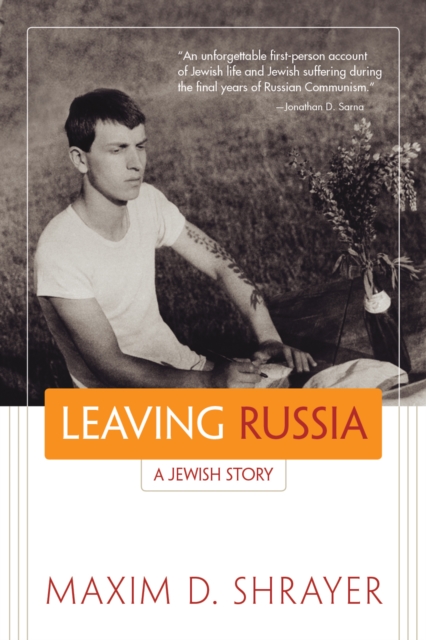
Narrated in the tradition of Tolstoy's confessional trilogy and Nabokov's autobiog-raphy, Leaving Russia: A Jewish Story is a searing account of growing up a Jewish refusenik, of a young poet's rebellion against totalitarian culture, and of Soviet fantasies of the West during the Cold War.
The writers included here are descendants of multiple cultural heritages and reflect the perspectives of various ethnic and cultural backgrounds: Egyptian, Iranian, Iraqi, Jordanian, Lebanese, Libyan, Palestinian, Syrian.