Seminar paper from the year 2001 in the subject English Language and Literature Studies - Linguistics, grade: 1,0, Bielefeld University (Fakultat fur Linguistik und Literaturwissenschaft), course: Word Formation, language: English, abstract: Die Arbeit untersucht die Etymologie von derivational suffixes in der englischen Sprache auf der Grundlage eines Korpus von 70 Suffixen.
Seminar paper from the year 2009 in the subject English Language and Literature Studies - Linguistics, grade: 2,0, Technical University of Braunschweig, language: English, abstract: Phatic CommunicationWhat does it mean when someone asks How are you?
Seminar paper from the year 2007 in the subject English Language and Literature Studies - Linguistics, grade: 2, University of Frankfurt (Main), language: English, abstract: Das mentale Lexikon wird in dieser Arbeit mit seinen verschiedenen Aspekten dargestellt.
Seminar paper from the year 1998 in the subject American Studies - Literature, grade: 2 (B), University of Aberdeen (English Department), course: Chicano Fiction, language: English, abstract: In this essay, I will address the question of Chicano identity by investigating two very different texts, that both deal with a quest for identity in a Mexican-American context: Tomas Rivera's .
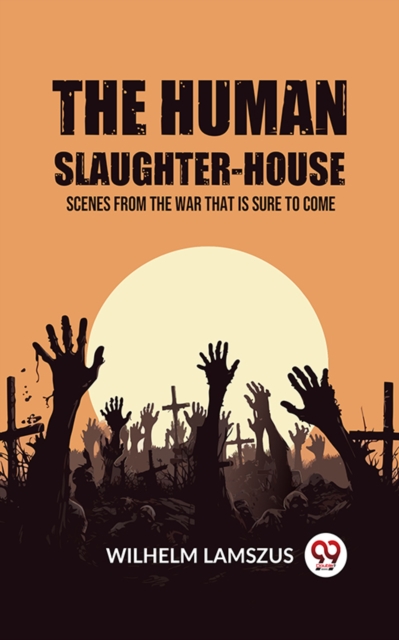
The Human Slaughter-House: Scenes from the War that is Sure to Come by Wilhelm Lamszus is a prophetic work of literature that vividly depicts the brutal realities of war.
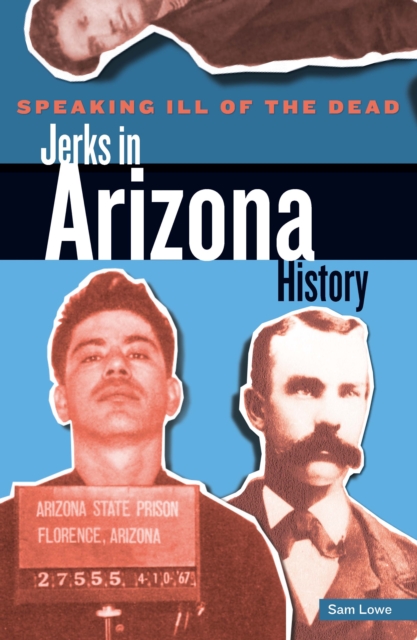
Each volume in this series features approximately fifteen short biographies of notorious bad guys, perpetrators of mischief, visionary if misunderstood thinkers, and other colorful antiheroes from the history of a given state.
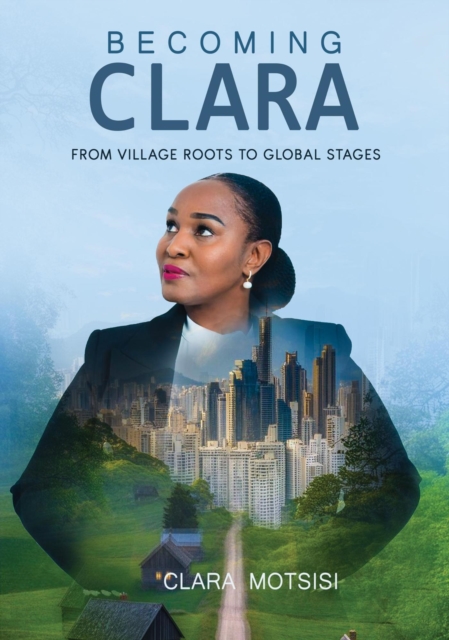
Becoming Clara: From Village Roots to the Global Stage is a deeply personal memoir that traces Clara Motsisi's journey from a modest upbringing in the village of Phokeng, in South Africa's North West Province, to life within international diplomatic communities across the world.
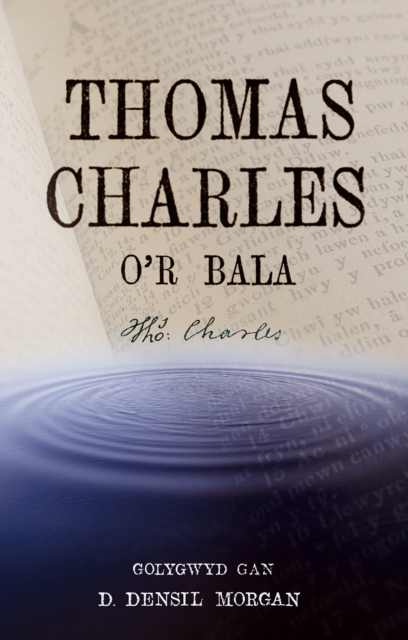
This edited volume discusses the contribution of Thomas Charles of Bala (1755-1814) to the life of Wales on the occasion of the bicentenary of his death.
Seminar paper from the year 2005 in the subject English Language and Literature Studies - Linguistics, grade: 1,7, Technical University of Braunschweig (Englisches Seminar), course: Introduction to Information Structure, language: English, abstract: From language to language, there are different alternatives in which a speaker can structure information.
Seminar paper from the year 2007 in the subject English Language and Literature Studies - Linguistics, grade: 2,0, University of Munster, course: London's Englishes, language: English, abstract: (.
El siglo XX en Colombia fue el escenario para colectivos revolucionarios, nuevas perspectivas en las ciencias sociales, cambios economicos, y la cuna de individuos dispuestos a liderar procesos de transformaciones nacionales.
Bachelor Thesis from the year 2008 in the subject English Language and Literature Studies - Linguistics, grade: 2,0, University of Bayreuth (Lehrstuhl fur Englische Sprachwissenschaft), language: English, abstract: Discourse Marker is a term which is relatively hard to define.
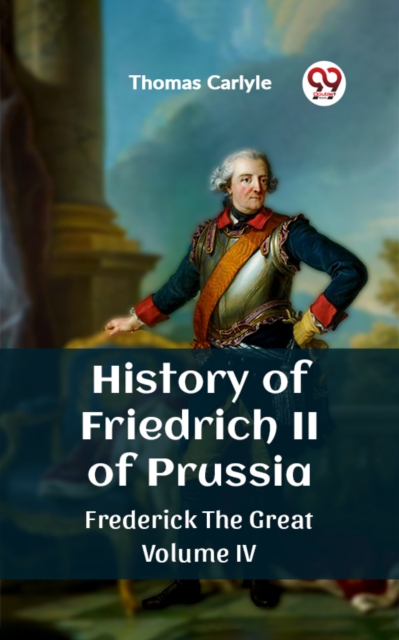
History of Friedrich II of Prussia: Frederick the Great Volume IV by Thomas Carlyle is a biographical work that delves into the life and reign of the influential Prussian monarch.
Seminar paper from the year 2008 in the subject American Studies - Culture and Applied Geography, grade: 1,0, TU Dortmund (Anglistik und Amerikanistik), course: Emerson - The World's Eye, language: English, abstract: The importance of the Romantic period and the meaning of its ideas for the development of the United States can not be overestimated.
Seminar paper from the year 2007 in the subject English Language and Literature Studies - Linguistics, grade: 2, University of Marburg (Fremdsprachliche Philologien), course: Human Language Technologies, language: English, abstract: Machine Translation has more and more become an essential method to assist or even replace human translators.
Seminar paper from the year 2005 in the subject American Studies - Literature, grade: 2,0, University of Nottingham (School of English Studies), course: Cognitive Poetics, language: English, abstract: And indeed, what is better than to sit by one's fireside in the evening with a book, while the wind beats against the window and the lamp is burning?
Hero-Tales of Ireland by Jeremiah Curtin is a captivating collection of Irish folklore and mythology that celebrates the rich tapestry of Celtic culture and heritage.
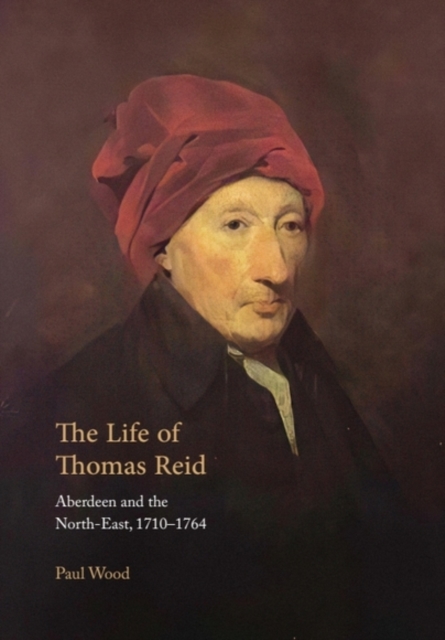
Although Thomas Reid (1710-96) is widely recognised as a leading figure of the Enlightenment, his life has not been analysed in depth since the Victorian era.
Research Paper (postgraduate) from the year 2008 in the subject English Language and Literature Studies - Linguistics, grade: none, Jahangirnagar University (Department of English), course: English Pronunciation, language: English, abstract: Pronunciation is an integrated and integral part of second/foreign language learning since it directly affects learners' communicative competence as well as performance.
Seminar paper from the year 2008 in the subject English Language and Literature Studies - Other, grade: 1,0, University of Gottingen (Seminar fur Englische Philologie), course: Semantics and Pragmatics II: Coherence, language: English, abstract: In contrast to logical fallacies, which are independent of content, fallacies of content usually require specific factual knowledge to be revealed.
Seminar paper from the year 2008 in the subject American Studies - Literature, grade: 2, University of Innsbruck (Institut fur Amerikastudien), course: On the Edge of Sanity: Mental Illness and Disordered Behavior in American Literature, language: English, abstract: In her autobiographical novel Girl, Interrupted Susanna Kaysen deals with the probably most difficult and influential period in her life.
Seminar paper from the year 2009 in the subject English Language and Literature Studies - Linguistics, grade: 1,7, University of Cologne (Englisches Seminar), course: B-Seminar: Morphology , language: English, abstract: This term paper will mainly focus on the morphological studies of Lisa J.
An unabashedly intimate, increasingly challenging, often fun, always homespun jaunt through some eight decades of personal and professional growth, told through what the author calls her "e;coming of age"e; stories.
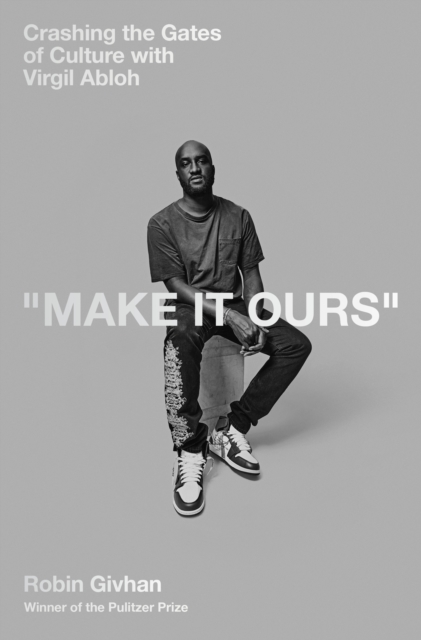
BEST BOOK OF THE YEAR: The Washington Post, The New Yorker, ElleFrom Pulitzer Prize-winning culture critic Robin Givhan comes a groundbreaking chronicle of the legacy of Virgil Abloh, whose iconic rise to the top of the fashion industry transformed our ideas about the connection between who we are and what we wear'Captivating and beautifully written' Tom Ford'Thoughtful, intelligent, honest and masterfully crafted' Marc Jacobs'A thrilling journey into the mind of a genius.
Michelle Obama: A Life of Purpose – Leadership, Resilience, and the Journey That Inspired the WorldFrom a modest childhood on Chicago's South Side to becoming one of the most recognisable women in the world, Michelle Obama's journey is a remarkable story of ambition, perseverance, family, education, and service.
Seminar paper from the year 2005 in the subject American Studies - Culture and Applied Geography, grade: 1,7, University of Potsdam (Institut fur Anglistik/Amerikanistik), course: Text and Context: Important Documents in American History, language: English, abstract: When in 1619 the first 20 blacks arrived in Virginia, nobody could even guess what consequences would arise from this arrival.
History, Manners, and Customs of the North American Indians by Old Humphrey is a seminal work of ethnographic literature that delves into the rich tapestry of Indigenous cultures across North America.
Joffre And His Army by Charles Dawbarn is a captivating historical biography that delves into the strategic leadership of General Joffre during World War I.
In 1692, a raiding party burned York, Maine to the ground, killed the town's own minister at his front door, and marched eighty of its people into the Canadian wilderness.