As global society becomes more and more dependent, politically and economically, on the flow of information, the power of those who can disrupt and manipulate that flow also increases.
Political Journalism explores practices of political journalism, ranging from American 'civic journalism' to the press corps covering the European Union in Brussels, from Bangkok newsrooms to French and Italian scandal hunters.
Political Journalism explores practices of political journalism, ranging from American 'civic journalism' to the press corps covering the European Union in Brussels, from Bangkok newsrooms to French and Italian scandal hunters.
Debates rage over what kind of literature we should read, what is good and bad literature, and whether in the global, digital age, literature even has a future.
Debates rage over what kind of literature we should read, what is good and bad literature, and whether in the global, digital age, literature even has a future.
Bestselling novels by Angela Carter, Salman Rushdie, Gabriel Garcia Marquez and a multitude of others have enchanted us by blurring the lines between reality and fantasy.
Bestselling novels by Angela Carter, Salman Rushdie, Gabriel Garcia Marquez and a multitude of others have enchanted us by blurring the lines between reality and fantasy.
This volume investigates the changing definitions of the author, what it has meant historically to be an 'author', and the impact that this has had on literary culture.
This volume investigates the changing definitions of the author, what it has meant historically to be an 'author', and the impact that this has had on literary culture.
Bringing together eighteen essays from Homa Katouzian, this book explores Iranian history, politics, culture and Persian literature from mediaeval times through the nineteenth century and into the contemporary period.
Japan is rightly regarded as one of the most technologically advanced countries in the world, yet the development and deployment of Internet technology in Japan has taken a different trajectory compared with Western nations.
Japan is rightly regarded as one of the most technologically advanced countries in the world, yet the development and deployment of Internet technology in Japan has taken a different trajectory compared with Western nations.
Contemporary women writers in these two societies are still writing about similar issues as did earlier generations of women, such as exclusions from discourses of nation, a problematic relationship to place and belonging, relations with indigenous people and the way in which women's subjectivity has been constructed through national stereotypes and representations.
Contemporary women writers in these two societies are still writing about similar issues as did earlier generations of women, such as exclusions from discourses of nation, a problematic relationship to place and belonging, relations with indigenous people and the way in which women's subjectivity has been constructed through national stereotypes and representations.
This collection suggests that the disciplines of literature and anthropology are not static entities but instead fluid sites of shifting cultural currents and academic interests.
This collection suggests that the disciplines of literature and anthropology are not static entities but instead fluid sites of shifting cultural currents and academic interests.
The Internet in Indonesia's New Democracy is a detailed study of legal, economic, political and cultural practices surrounding the provision and consumption of the Internet in Indonesia at the turn of the twenty-first century.
The Internet in Indonesia's New Democracy is a detailed study of legal, economic, political and cultural practices surrounding the provision and consumption of the Internet in Indonesia at the turn of the twenty-first century.
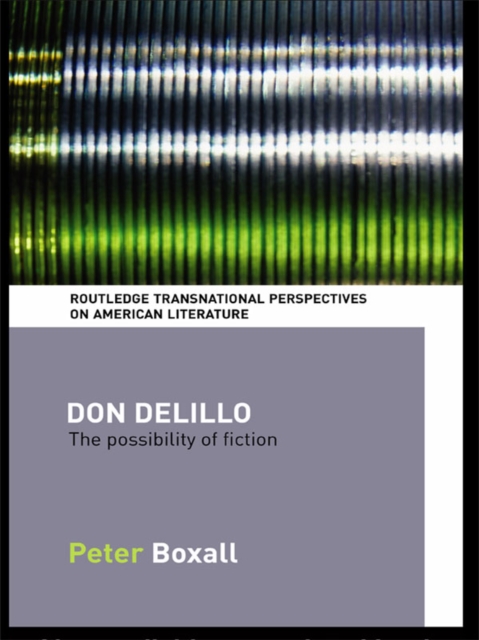
One of the few available books of criticism on the topic, this monograph presents the fullest account to date of Don DeLillo's writing, situating his oeuvre within a wider analysis of the condition of contemporary fiction, and dealing with his entire work in relation to contemporary political and economic concerns for the fist time.
One of the few available books of criticism on the topic, this monograph presents the fullest account to date of Don DeLillo's writing, situating his oeuvre within a wider analysis of the condition of contemporary fiction, and dealing with his entire work in relation to contemporary political and economic concerns for the fist time.
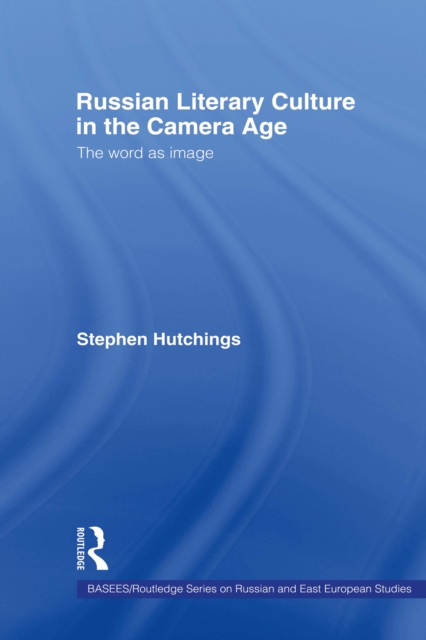
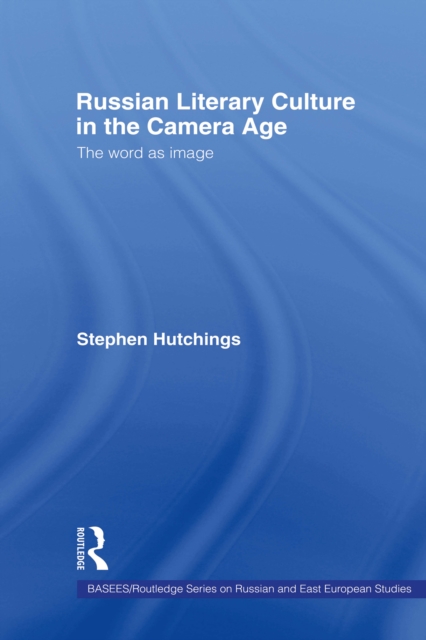
This book explores how one of the world's most literary-oriented societies entered the modern visual era, beginning with the advent of photography in the nineteenth century, focusing then on literature's role in helping to shape cinema as a tool of official totalitarian culture during the Soviet period, and concluding with an examination of post-Soviet Russia's encounter with global television.
This book explores how one of the world's most literary-oriented societies entered the modern visual era, beginning with the advent of photography in the nineteenth century, focusing then on literature's role in helping to shape cinema as a tool of official totalitarian culture during the Soviet period, and concluding with an examination of post-Soviet Russia's encounter with global television.