Remix is now considered by many to be a form of derivative work, but such generalizations have resulted in numerous non-commercial remixes being wrongfully accused of copyright infringement.
Remix is now considered by many to be a form of derivative work, but such generalizations have resulted in numerous non-commercial remixes being wrongfully accused of copyright infringement.
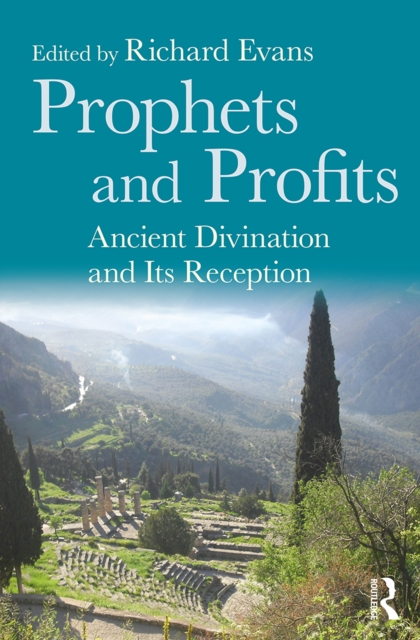
This volume examines the ways in which divination, often through oracular utterances and other mechanisms, linked mortals with the gods, and places the practice within the ancient sociopolitical and religious environment.
This volume examines the ways in which divination, often through oracular utterances and other mechanisms, linked mortals with the gods, and places the practice within the ancient sociopolitical and religious environment.
Mediterranean Slavery and World Literature is a collection of selected essays about the transformations of captivity experiences in major early modern texts of world literature and popular media, including works by Cervantes, de Vega, Defoe, Rousseau, and Mozart.
Mediterranean Slavery and World Literature is a collection of selected essays about the transformations of captivity experiences in major early modern texts of world literature and popular media, including works by Cervantes, de Vega, Defoe, Rousseau, and Mozart.
This collection examines the widespread phenomenon of hypocrisy in literary, theological, political, and social circles in England during the years after the Reformation and up to the Restoration.
This collection examines the widespread phenomenon of hypocrisy in literary, theological, political, and social circles in England during the years after the Reformation and up to the Restoration.
This eighth volume of The Shakespearean International Yearbook presents a special section on 'European Shakespeares', proceeding from the claim that Shakespeare's literary craft was not just native English or British, but was filtered and fashioned through a Renaissance awareness that needs to be recognized as European, and that has had effects and afterlives across the Continent.
This eighth volume of The Shakespearean International Yearbook presents a special section on 'European Shakespeares', proceeding from the claim that Shakespeare's literary craft was not just native English or British, but was filtered and fashioned through a Renaissance awareness that needs to be recognized as European, and that has had effects and afterlives across the Continent.
This eighth volume of The Shakespearean International Yearbook presents a special section on 'European Shakespeares', proceeding from the claim that Shakespeare's literary craft was not just native English or British, but was filtered and fashioned through a Renaissance awareness that needs to be recognized as European, and that has had effects and afterlives across the Continent.
This eighth volume of The Shakespearean International Yearbook presents a special section on 'European Shakespeares', proceeding from the claim that Shakespeare's literary craft was not just native English or British, but was filtered and fashioned through a Renaissance awareness that needs to be recognized as European, and that has had effects and afterlives across the Continent.
This eighth volume of The Shakespearean International Yearbook presents a special section on 'European Shakespeares', proceeding from the claim that Shakespeare's literary craft was not just native English or British, but was filtered and fashioned through a Renaissance awareness that needs to be recognized as European, and that has had effects and afterlives across the Continent.
This eighth volume of The Shakespearean International Yearbook presents a special section on 'European Shakespeares', proceeding from the claim that Shakespeare's literary craft was not just native English or British, but was filtered and fashioned through a Renaissance awareness that needs to be recognized as European, and that has had effects and afterlives across the Continent.
This eighth volume of The Shakespearean International Yearbook presents a special section on 'European Shakespeares', proceeding from the claim that Shakespeare's literary craft was not just native English or British, but was filtered and fashioned through a Renaissance awareness that needs to be recognized as European, and that has had effects and afterlives across the Continent.
This eighth volume of The Shakespearean International Yearbook presents a special section on 'European Shakespeares', proceeding from the claim that Shakespeare's literary craft was not just native English or British, but was filtered and fashioned through a Renaissance awareness that needs to be recognized as European, and that has had effects and afterlives across the Continent.
This eighth volume of The Shakespearean International Yearbook presents a special section on 'European Shakespeares', proceeding from the claim that Shakespeare's literary craft was not just native English or British, but was filtered and fashioned through a Renaissance awareness that needs to be recognized as European, and that has had effects and afterlives across the Continent.
This eighth volume of The Shakespearean International Yearbook presents a special section on 'European Shakespeares', proceeding from the claim that Shakespeare's literary craft was not just native English or British, but was filtered and fashioned through a Renaissance awareness that needs to be recognized as European, and that has had effects and afterlives across the Continent.
This eighth volume of The Shakespearean International Yearbook presents a special section on 'European Shakespeares', proceeding from the claim that Shakespeare's literary craft was not just native English or British, but was filtered and fashioned through a Renaissance awareness that needs to be recognized as European, and that has had effects and afterlives across the Continent.
This eighth volume of The Shakespearean International Yearbook presents a special section on 'European Shakespeares', proceeding from the claim that Shakespeare's literary craft was not just native English or British, but was filtered and fashioned through a Renaissance awareness that needs to be recognized as European, and that has had effects and afterlives across the Continent.
A sequel to Tomita's A Bibliographical Catalogue of Italian Books Printed in England 1558-1603, this volume provides the data for the succeeding 40 years (during the reign of King James I and Charles I) and contributes to the study of Anglo-Italian relations in literature through entries on 187 Italian books (335 editions) printed in England.
A sequel to Tomita's A Bibliographical Catalogue of Italian Books Printed in England 1558-1603, this volume provides the data for the succeeding 40 years (during the reign of King James I and Charles I) and contributes to the study of Anglo-Italian relations in literature through entries on 187 Italian books (335 editions) printed in England.
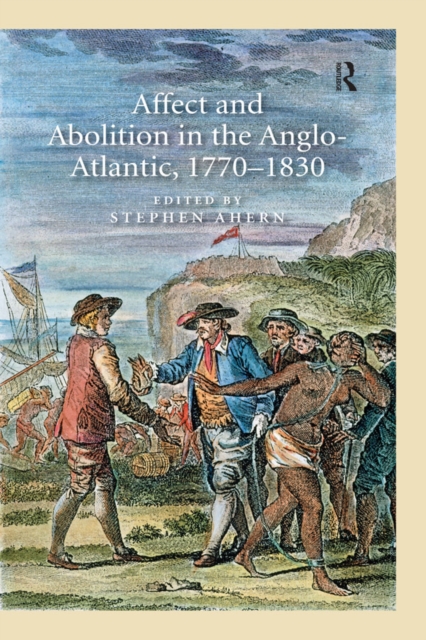
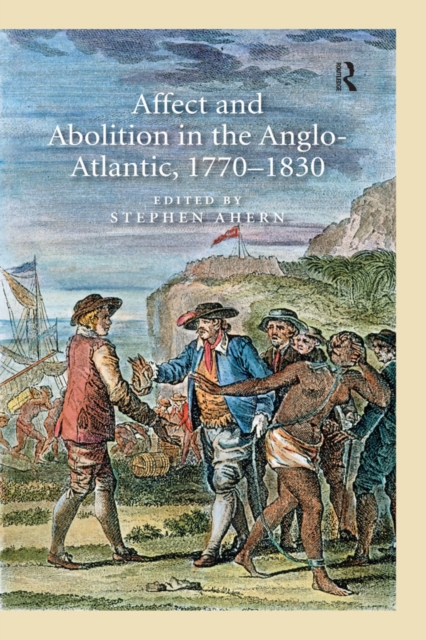
At the turn of the nineteenth century, writers arguing for the abolition of the slave trade and the emancipation of those in bondage used the language of sentiment and the political ideals of the Enlightenment to make their case.
At the turn of the nineteenth century, writers arguing for the abolition of the slave trade and the emancipation of those in bondage used the language of sentiment and the political ideals of the Enlightenment to make their case.
American Memory in Henry James is about the cultural, historical and moral dislocations at the heart of Henry James' explorations of American identity - between power and love; modernity and history; indeterminate social forms and enduring personal values.
American Memory in Henry James is about the cultural, historical and moral dislocations at the heart of Henry James' explorations of American identity - between power and love; modernity and history; indeterminate social forms and enduring personal values.
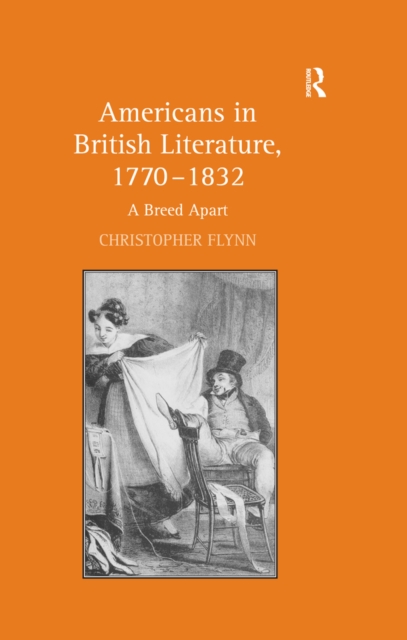
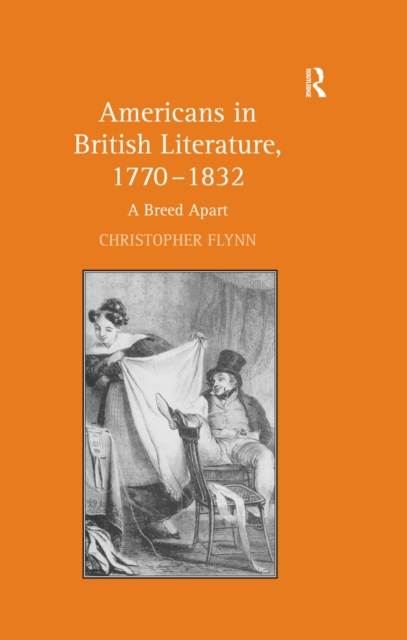
American independence was inevitable by 1780, but British writers spent the several decades following the American Revolution transforming their former colonists into something other than estranged British subjects.
American independence was inevitable by 1780, but British writers spent the several decades following the American Revolution transforming their former colonists into something other than estranged British subjects.
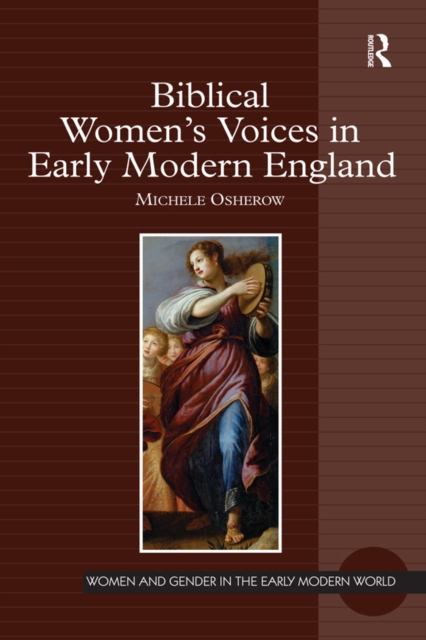
Biblical Women's Voices in Early Modern England documents the extent to which portrayals of women writers, rulers, and leaders in the Hebrew Bible scripted the lives of women in early modern England.
Exploring a range of subjects from the human genome project to Kierkegaard's Fear and Trembling, the poetry of Jorie Graham to feminist Christian art, the contributors pose questions around the theme 'Body and Voice'.
Exploring a range of subjects from the human genome project to Kierkegaard's Fear and Trembling, the poetry of Jorie Graham to feminist Christian art, the contributors pose questions around the theme 'Body and Voice'.
The title page of the 1651 continuation of Sir Philip Sidney's Arcadia, which is made available in facsimile in this volume, designates its author as 'Mris A.
The title page of the 1651 continuation of Sir Philip Sidney's Arcadia, which is made available in facsimile in this volume, designates its author as 'Mris A.
Archipelagic Identities explores the invention and interplay of national, regional and linguistic identities in the literatures of early modern Britain and Ireland.
Archipelagic Identities explores the invention and interplay of national, regional and linguistic identities in the literatures of early modern Britain and Ireland.
Perhaps because of the fact that modern Greece is, through the Orthodox Church, inextricably linked with the Byzantine heritage, the precise meaning of this heritage, in its various aspects, has hitherto been surprisingly little discussed by scholars.
Perhaps because of the fact that modern Greece is, through the Orthodox Church, inextricably linked with the Byzantine heritage, the precise meaning of this heritage, in its various aspects, has hitherto been surprisingly little discussed by scholars.
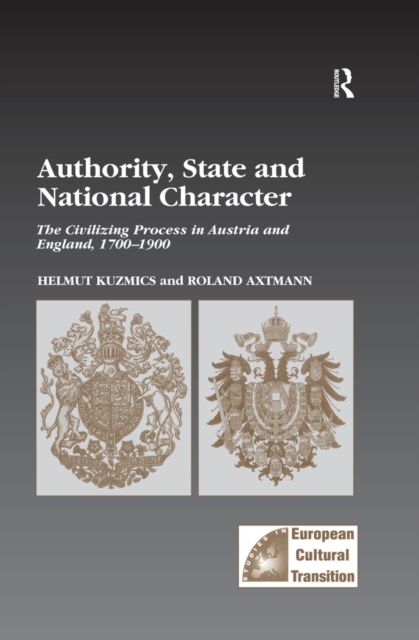
This book presents a cross-disciplinary and methodologically innovative study, combining historical macro-sociology and a sociology of emotions with historical anthropology and cultural studies.
This book presents a cross-disciplinary and methodologically innovative study, combining historical macro-sociology and a sociology of emotions with historical anthropology and cultural studies.
Biblical Women's Voices in Early Modern England documents the extent to which portrayals of women writers, rulers, and leaders in the Hebrew Bible scripted the lives of women in early modern England.
Through an examination of Old Norse and Celtic parallels to certain works of Chaucer, McTurk here identifies hitherto unrecognized sources for these works in early Irish tradition.
Through an examination of Old Norse and Celtic parallels to certain works of Chaucer, McTurk here identifies hitherto unrecognized sources for these works in early Irish tradition.