Greece and the Balkans explores the cultural relationships between Greece and other Balkan countries in the domains of language, literature, thought, translation, and music, and examines issues of identity and perception among the Balkan peoples themselves.
Greece and the Balkans explores the cultural relationships between Greece and other Balkan countries in the domains of language, literature, thought, translation, and music, and examines issues of identity and perception among the Balkan peoples themselves.
Inventive in its approach and provocative in its analysis, this study offers fresh readings of the arguments and practices of four seventeenth-century Euro-American women: Anne Bradstreet, Anne Hutchinson, Sor Juana Ines de la Cruz, and Marie de l'Incarnation.
Inventive in its approach and provocative in its analysis, this study offers fresh readings of the arguments and practices of four seventeenth-century Euro-American women: Anne Bradstreet, Anne Hutchinson, Sor Juana Ines de la Cruz, and Marie de l'Incarnation.
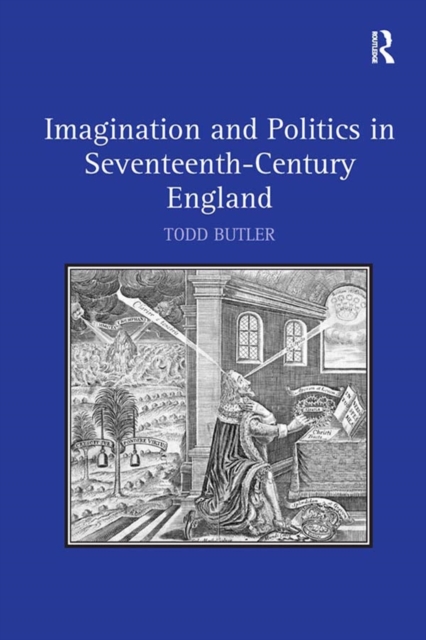
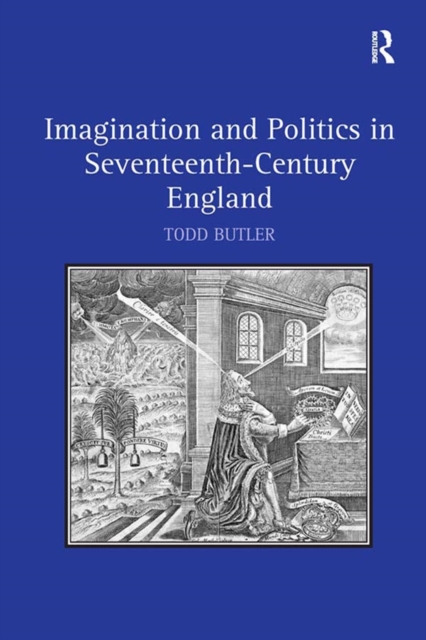
Todd Butler here proposes a new epistemology of early modern politics, one that sees-as did writers of the period-human thought as a precursor to political action.
Todd Butler here proposes a new epistemology of early modern politics, one that sees-as did writers of the period-human thought as a precursor to political action.
The most prolific historian of early modern German literature in the twentieth century, Klaus Garber has largely remained unknown to English-language scholars.
The most prolific historian of early modern German literature in the twentieth century, Klaus Garber has largely remained unknown to English-language scholars.
An Epitome of the History of Faire Argenis and Polyarchus is Judith Man's English translation of a 1623 French work by Nicolas Coeffeteau, Histoire de Poliarque et d'Argenis, which is itself an abridgement and translation of one of the most widely read fictional works of the seventeenth century, John Barclay's 1621 Latin romance Argenis.
An Epitome of the History of Faire Argenis and Polyarchus is Judith Man's English translation of a 1623 French work by Nicolas Coeffeteau, Histoire de Poliarque et d'Argenis, which is itself an abridgement and translation of one of the most widely read fictional works of the seventeenth century, John Barclay's 1621 Latin romance Argenis.
Exploring the significance of animals in Romantic-period writing, this new study shows how in this period they were seen as both newly different from humankind (subjects in their own right, rather than simply humanity's tools or adjuncts) and also as newly similar, with the ability to feel and perhaps to think like human beings.
Exploring the significance of animals in Romantic-period writing, this new study shows how in this period they were seen as both newly different from humankind (subjects in their own right, rather than simply humanity's tools or adjuncts) and also as newly similar, with the ability to feel and perhaps to think like human beings.
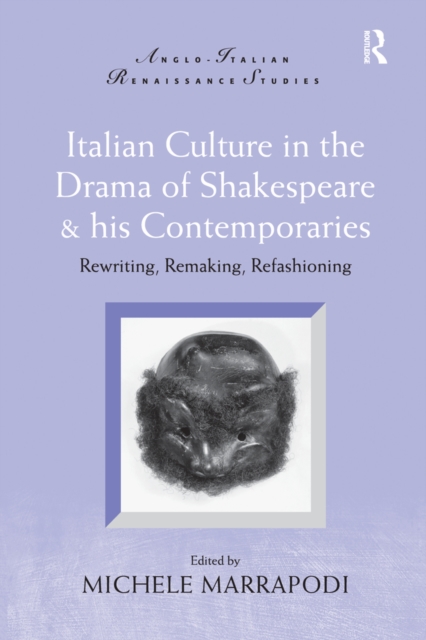
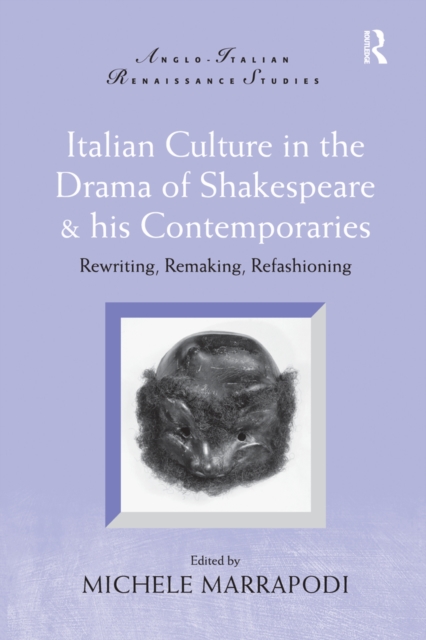
Applying recent developments in new historicism and cultural materialism - along with the new perspectives opened up by the current debate on intertextuality and the construction of the theatrical text - the essays collected here reconsider the pervasive influence of Italian culture, literature, and traditions on early modern English drama.
Applying recent developments in new historicism and cultural materialism - along with the new perspectives opened up by the current debate on intertextuality and the construction of the theatrical text - the essays collected here reconsider the pervasive influence of Italian culture, literature, and traditions on early modern English drama.
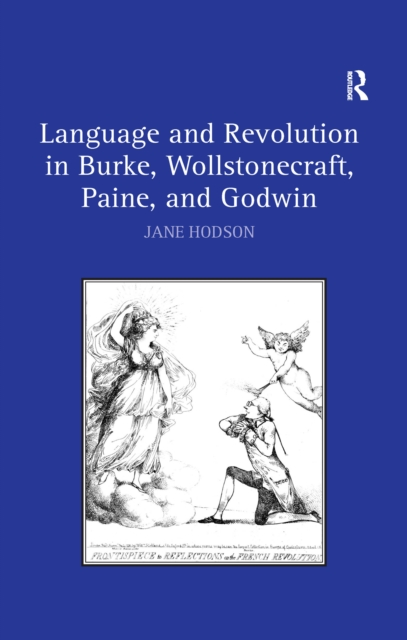
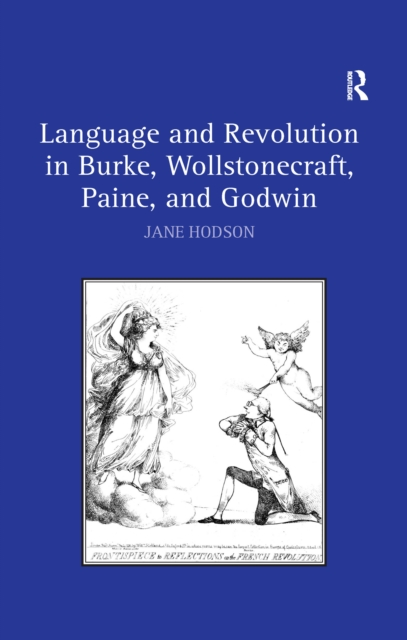
The Revolution in France of 1789 provoked a major 'pamphlet war' in Britain as writers debated what exactly had happened, why it had happened, and where events were now headed.
The Revolution in France of 1789 provoked a major 'pamphlet war' in Britain as writers debated what exactly had happened, why it had happened, and where events were now headed.
Secretaries are the hidden technicians of much literary (and non-literary) writing; they also figure startlingly often as characters in modern literature, film, and even literary criticism.
Secretaries are the hidden technicians of much literary (and non-literary) writing; they also figure startlingly often as characters in modern literature, film, and even literary criticism.
This first full-length study in English on seventeenth-century Italian travel writing enriches our understanding of an unusually fertile period for Italian contributions to the genre.
This first full-length study in English on seventeenth-century Italian travel writing enriches our understanding of an unusually fertile period for Italian contributions to the genre.
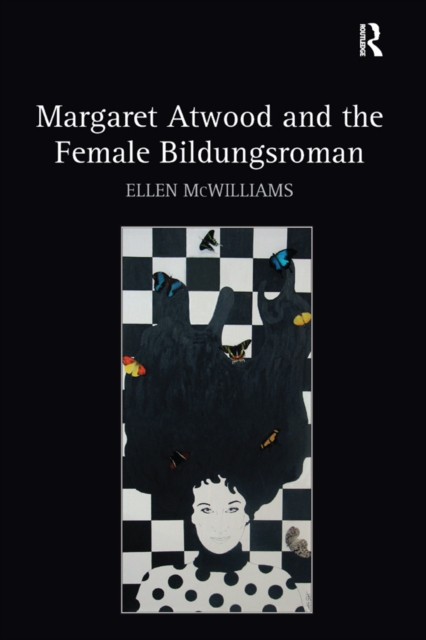
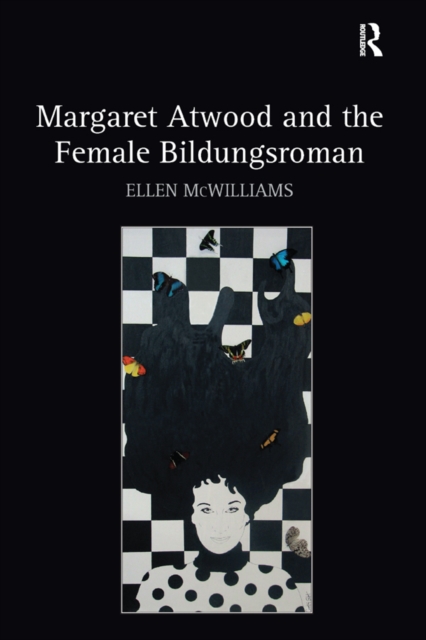
Examining Margaret Atwood's work in the context of the complex history of the Bildungsroman, Ellen McWilliams explores how the genre has been appropriated by women writers in the second half of the twentieth century.
Examining Margaret Atwood's work in the context of the complex history of the Bildungsroman, Ellen McWilliams explores how the genre has been appropriated by women writers in the second half of the twentieth century.
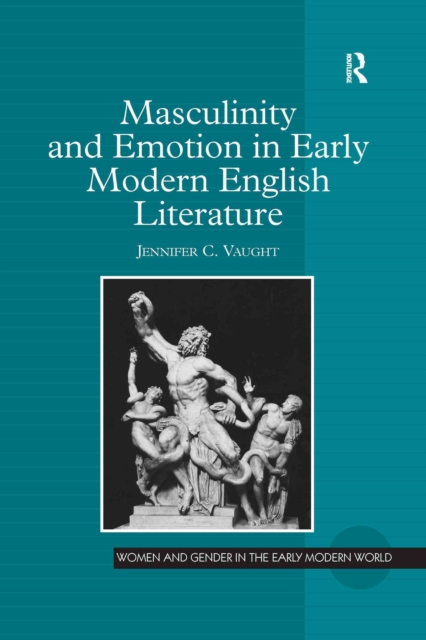
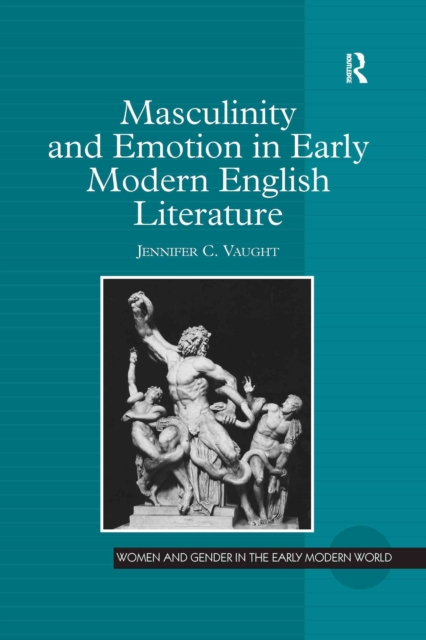
The first full length treatment of how men of different professions, social ranks and ages are empowered by their emotional expressiveness in early modern English literary works, this study examines the profound impact of the cultural shift in the English aristocracy from feudal warriors to emotionally expressive courtiers or gentlemen on all kinds of men in early modern English literature.
The first full length treatment of how men of different professions, social ranks and ages are empowered by their emotional expressiveness in early modern English literary works, this study examines the profound impact of the cultural shift in the English aristocracy from feudal warriors to emotionally expressive courtiers or gentlemen on all kinds of men in early modern English literature.
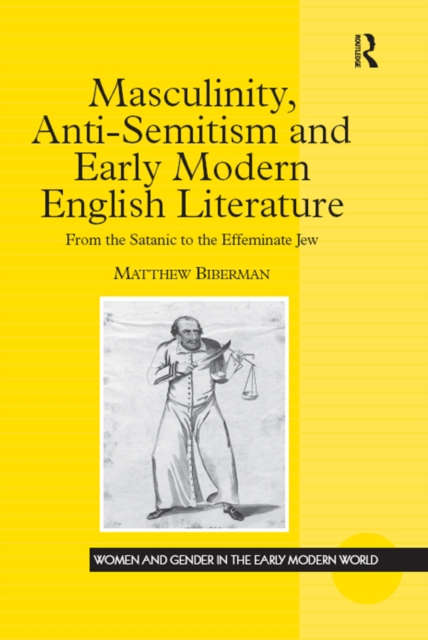
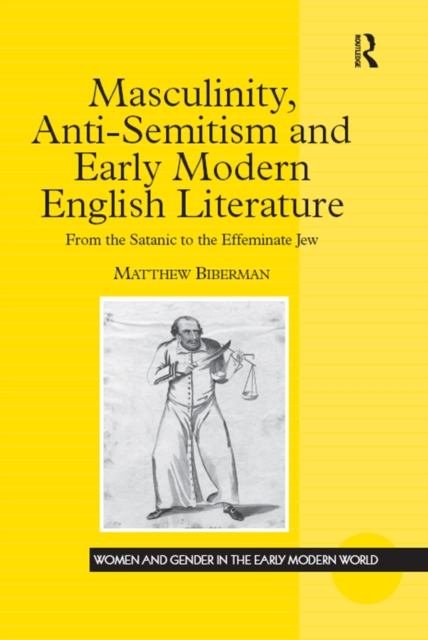
Offering a profound re-assessment of the conceptual, rhetorical, and cultural intersections among sexuality, race and religion in English Renaissance texts, this study argues that antisemitism is a by-product of tensions between received Classical conceptions of masculinity and Christianity's strident critique of that ideal.
Offering a profound re-assessment of the conceptual, rhetorical, and cultural intersections among sexuality, race and religion in English Renaissance texts, this study argues that antisemitism is a by-product of tensions between received Classical conceptions of masculinity and Christianity's strident critique of that ideal.
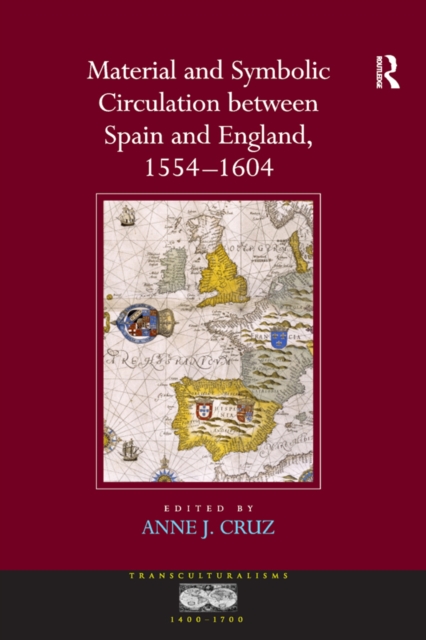
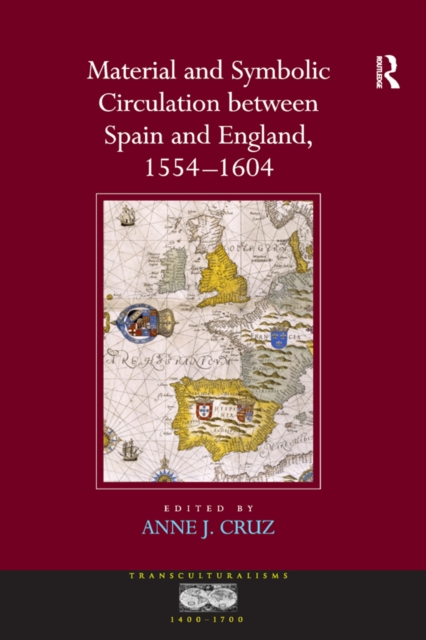
Separated only by a narrow body of water, Spain and England have had a long history of material and cultural interactions; but this intertwined history is rarely perceived by scholars of one country with a view toward the other.
Separated only by a narrow body of water, Spain and England have had a long history of material and cultural interactions; but this intertwined history is rarely perceived by scholars of one country with a view toward the other.
Through case studies from diverse fields of cultural studies, this collection examines how different constructions of identity were mediated in England during the long eighteenth century.
Through case studies from diverse fields of cultural studies, this collection examines how different constructions of identity were mediated in England during the long eighteenth century.
Mock-heroic is the exemplary genre of the English Augustan era: it is one of the few genres that the Augustans invented themselves, and it stands in a symbolic relation to a culture still reverential of the grandeurs of the classical past and uneasy about its ability to emulate them.
Mock-heroic is the exemplary genre of the English Augustan era: it is one of the few genres that the Augustans invented themselves, and it stands in a symbolic relation to a culture still reverential of the grandeurs of the classical past and uneasy about its ability to emulate them.
The concept of moral panic has received considerable scholarly attention, but as yet little attention has been accorded to panics over children and youth.
The concept of moral panic has received considerable scholarly attention, but as yet little attention has been accorded to panics over children and youth.