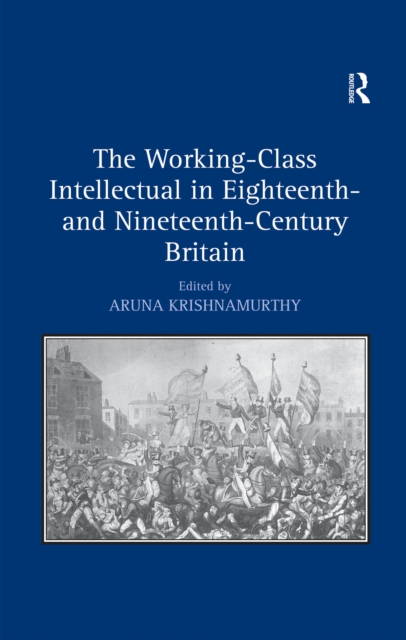
In Britain, the period that stretches from the middle of the eighteenth century to the mid-nineteenth century marks the emergence of the working classes, alongside and in response to the development of the middle-class public sphere.
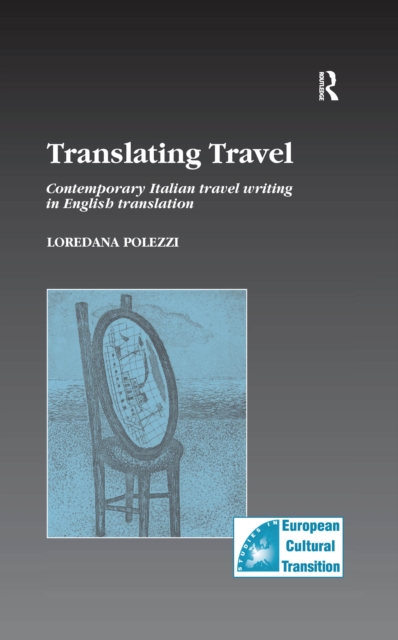
Translating Travel examines the relationship between travel writing and translation, asking what happens when books travel beyond the narrow confines of one genre, one literary system and one culture.
Translating Travel examines the relationship between travel writing and translation, asking what happens when books travel beyond the narrow confines of one genre, one literary system and one culture.
The essays gathered here demonstrate and justify the excitement and promise of cognitive historicism, providing a lively introduction to this new and quickly growing area of literary studies.
The essays gathered here demonstrate and justify the excitement and promise of cognitive historicism, providing a lively introduction to this new and quickly growing area of literary studies.
Disrupting the common assumption that the Victorians regarded their eighteenth-century predecessors with little interest or with disdain, the essays in The Victorians and the Eighteenth Century propose a re-examination of these relationships.
Disrupting the common assumption that the Victorians regarded their eighteenth-century predecessors with little interest or with disdain, the essays in The Victorians and the Eighteenth Century propose a re-examination of these relationships.
Author John Staines here argues that sixteenth- and seventeenth-century writers in England, Scotland, and France wrote tragedies of the Queen of Scots - royal heroine or tyrant, martyr or whore - in order to move their audiences towards political action by shaping and directing the passions generated by the spectacle of her fall.
The period of Kierkegaard's life corresponds to Denmark's "e;Golden Age,"e; which is conventionally used to refer to the period covering roughly the first half of the nineteenth century, when Denmark's most important writers, philosophers, theologians, poets, actors and artists flourished.
The period of Kierkegaard's life corresponds to Denmark's "e;Golden Age,"e; which is conventionally used to refer to the period covering roughly the first half of the nineteenth century, when Denmark's most important writers, philosophers, theologians, poets, actors and artists flourished.
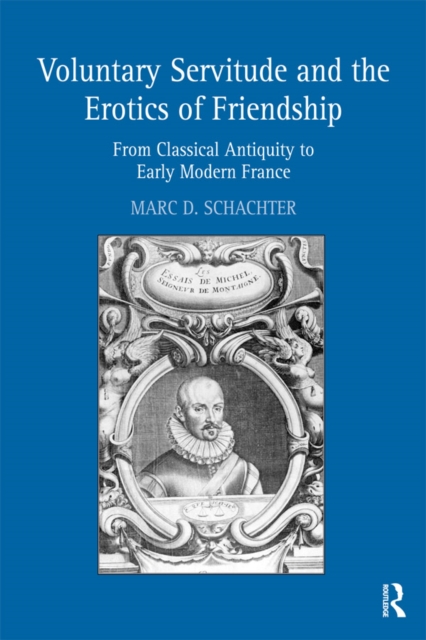
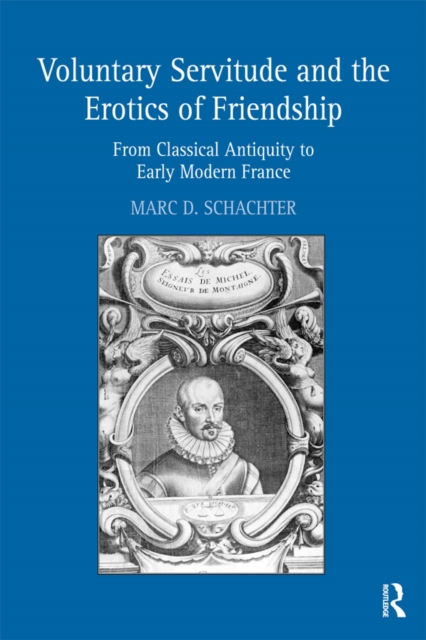
Focusing primarily on three early modern French authors, this book explores the erotics and politics of "e;voluntary servitude"e; in classical antiquity and the early modern period.
Focusing primarily on three early modern French authors, this book explores the erotics and politics of "e;voluntary servitude"e; in classical antiquity and the early modern period.
In the opening section of these related studies of modern literature, Bernard Bergonzi considers the poetry and fiction of two World Wars, including discussions of Wilfred Owen, Richard Aldington's Death of a Hero, Pat Barker's Regeneration, and the poetry of the Desert War of the 1940s.
In the opening section of these related studies of modern literature, Bernard Bergonzi considers the poetry and fiction of two World Wars, including discussions of Wilfred Owen, Richard Aldington's Death of a Hero, Pat Barker's Regeneration, and the poetry of the Desert War of the 1940s.
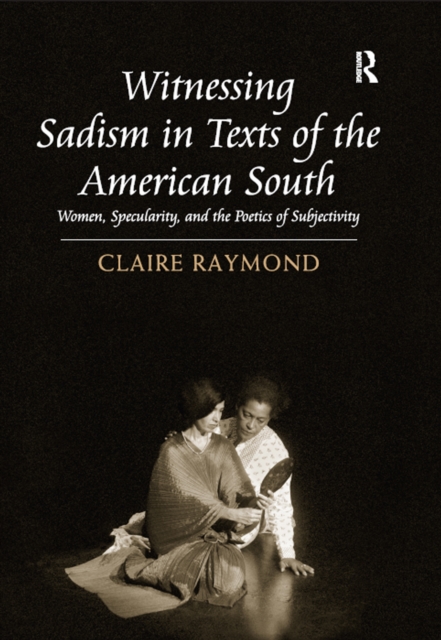
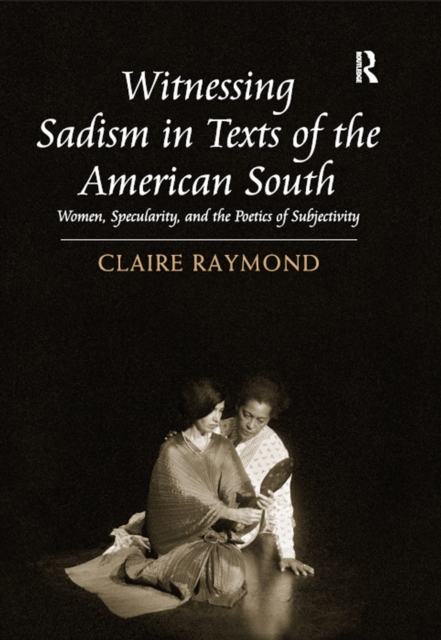
Looking at works by Carrie Mae Weems, Toni Morrison, Emily Dickinson, Flannery O'Connor, Dorothy Allison, Carson McCullers, and Zora Neale Hurston, Claire Raymond uncovers a pattern of femininity constructed around representations of sadistic violence in American women's literature and photography from the late nineteenth and twentieth centuries.
Looking at works by Carrie Mae Weems, Toni Morrison, Emily Dickinson, Flannery O'Connor, Dorothy Allison, Carson McCullers, and Zora Neale Hurston, Claire Raymond uncovers a pattern of femininity constructed around representations of sadistic violence in American women's literature and photography from the late nineteenth and twentieth centuries.
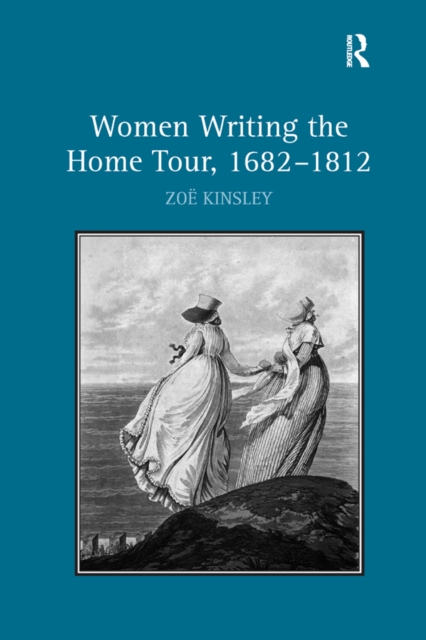
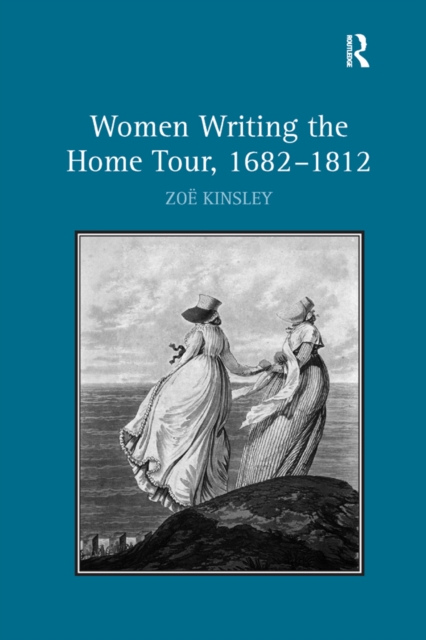
Between the late seventeenth and the early nineteenth century, the possibilities for travelling within Britain became increasingly various owing to improved transport systems and the popularization of numerous tourist spots.
Between the late seventeenth and the early nineteenth century, the possibilities for travelling within Britain became increasingly various owing to improved transport systems and the popularization of numerous tourist spots.
While Kierkegaard is primarily known as a philosopher or religious thinker, his writings have also been used extensively by literary writers, critics and artists worldwide who have been attracted to his creative mixing of genres, his complex use of pseudonyms, his rhetoric and literary style, and his rich images, parables, and allegories.
While Kierkegaard is primarily known as a philosopher or religious thinker, his writings have also been used extensively by literary writers, critics and artists worldwide who have been attracted to his creative mixing of genres, his complex use of pseudonyms, his rhetoric and literary style, and his rich images, parables, and allegories.
While Kierkegaard is primarily known as a philosopher or religious thinker, his writings have also been used extensively by literary writers, critics and artists.
While Kierkegaard is primarily known as a philosopher or religious thinker, his writings have also been used extensively by literary writers, critics and artists.
While Kierkegaard is primarily known as a philosopher or religious thinker, his writings have also been used extensively by literary writers, critics and artists.
While Kierkegaard is primarily known as a philosopher or religious thinker, his writings have also been used extensively by literary writers, critics and artists.
While Kierkegaard is primarily known as a philosopher or religious thinker, his writings have also been used extensively by literary writers, critics and artists.
While Kierkegaard is primarily known as a philosopher or religious thinker, his writings have also been used extensively by literary writers, critics and artists.
While Kierkegaard's use of the Greek authors, particularly Plato and Aristotle, has attracted considerable attention over the years, his use of the Roman authors has, by contrast, remained sadly neglected.
While Kierkegaard's use of the Greek authors, particularly Plato and Aristotle, has attracted considerable attention over the years, his use of the Roman authors has, by contrast, remained sadly neglected.
Primarily a literary history, Women, Modernism and British Poetry, 1910-1939 provides a timely discussion of individual women poets who have become, or are becoming, well-known as their works are reprinted but about whom little has yet been written.
Primarily a literary history, Women, Modernism and British Poetry, 1910-1939 provides a timely discussion of individual women poets who have become, or are becoming, well-known as their works are reprinted but about whom little has yet been written.
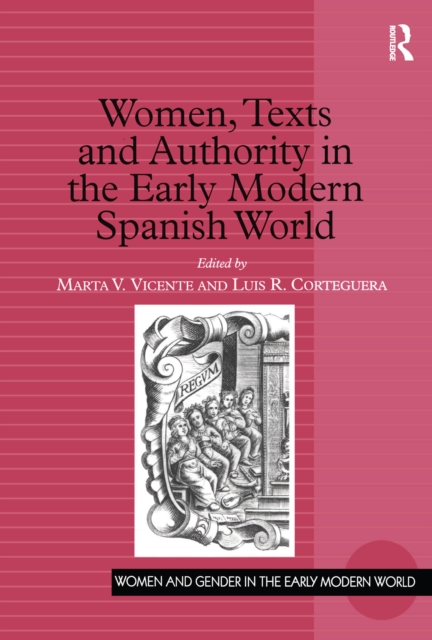
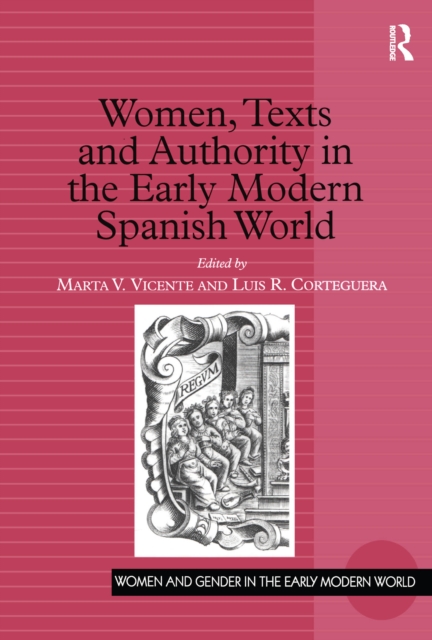
This is the first essay collection to examine the relation between text and gender in Spain from a broad geographical, social and cultural perspective covering more than 300 years.
This is the first essay collection to examine the relation between text and gender in Spain from a broad geographical, social and cultural perspective covering more than 300 years.
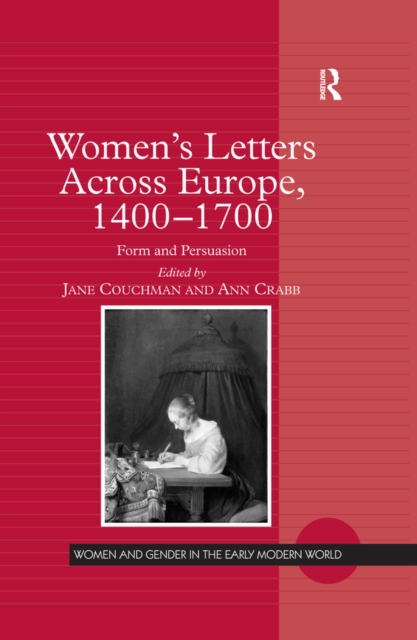
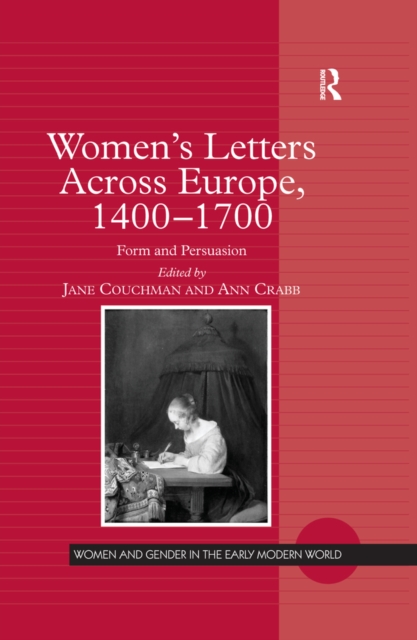
In response to a growing interest, among historians as well as literary critics, in women's use of the epistolary genre, Women's Letters Across Europe, 1400-1700: Form and Persuasion analyzes persuasive techniques in the personal correspondence of late medieval and early modern women.
In response to a growing interest, among historians as well as literary critics, in women's use of the epistolary genre, Women's Letters Across Europe, 1400-1700: Form and Persuasion analyzes persuasive techniques in the personal correspondence of late medieval and early modern women.
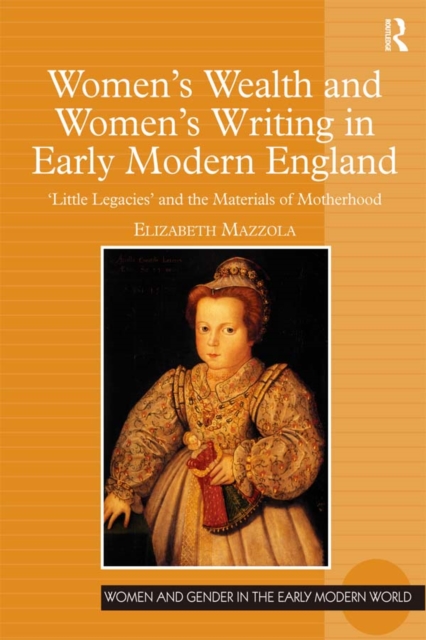
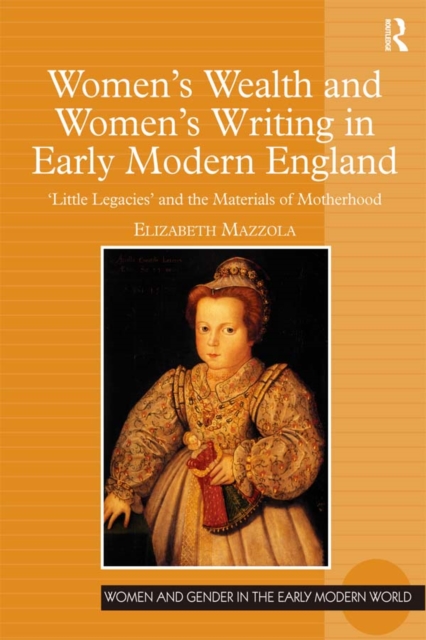
Focusing on both literary and material networks in early modern England, this book examines the nature of women's wealth, its peculiar laws of transmission and accumulation, and how a world of goods and favors, mothers and daughters was transformed by market culture.
Focusing on both literary and material networks in early modern England, this book examines the nature of women's wealth, its peculiar laws of transmission and accumulation, and how a world of goods and favors, mothers and daughters was transformed by market culture.
While postcolonial studies has contributed much to our understanding of Irish modernism, it has also encouraged less-than-accurate portrayals of Joyce and Yeats as polar opposites: Yeats as the inventor of Irish mystique and Joyce as its relentless demythologiser.
While postcolonial studies has contributed much to our understanding of Irish modernism, it has also encouraged less-than-accurate portrayals of Joyce and Yeats as polar opposites: Yeats as the inventor of Irish mystique and Joyce as its relentless demythologiser.