The Transnational in English Literature examines English literary history through its transnational engagements and argues that every period of English Literature can be examined through its global relations.
The Transnational in English Literature examines English literary history through its transnational engagements and argues that every period of English Literature can be examined through its global relations.
Examining the history of the French experience of the Ottoman world and Turkey, this comparative study visits the accounts of early modern travelers for the insights they bring to the field of travel writing.
Examining the history of the French experience of the Ottoman world and Turkey, this comparative study visits the accounts of early modern travelers for the insights they bring to the field of travel writing.
This collection examines the intersections between the personal and the political in travel writing, and the dialectic between mobility and stasis, through an analysis of specific cases across geographical and historical boundaries.
This collection examines the intersections between the personal and the political in travel writing, and the dialectic between mobility and stasis, through an analysis of specific cases across geographical and historical boundaries.
This is the first study to examine the representation of illness, disability, and cultural pathologies in modern and contemporary Iberian and Latin American literature.
This is the first study to examine the representation of illness, disability, and cultural pathologies in modern and contemporary Iberian and Latin American literature.
This book explores a neglected feature of intellectual history and literature in the early modern period: the ways in which the body was theorized and represented as an intelligent cognitive agent, with desires, appetites, and understandings independent of the mind.
This book explores a neglected feature of intellectual history and literature in the early modern period: the ways in which the body was theorized and represented as an intelligent cognitive agent, with desires, appetites, and understandings independent of the mind.
In this monograph, Chris Featherman adopts a discourse analytical approach to explore the ways in which social movement ideologies and identities are discursively constructed in new and old media.
In this monograph, Chris Featherman adopts a discourse analytical approach to explore the ways in which social movement ideologies and identities are discursively constructed in new and old media.
Critiquing the politics and dynamics of the transcultural poetics of reading literature, this book demonstrates an ambitious understanding of the concept of the poet across a wide range of traditions - Anglo-American, German, French, Arabic, Chinese, Sanskrit, Bengali, Urdu - and philosophies of creativity that are rarely studied side by side.
This volume marks the first sustained study to interrogate how and why issues of sexuality, desire, and economic processes intersect in the literature and culture of the Victorian fin de siecle.
This volume marks the first sustained study to interrogate how and why issues of sexuality, desire, and economic processes intersect in the literature and culture of the Victorian fin de siecle.
This seminal book explores the complex relationship between popular geopolitics and nation branding among the Newly Independent States of Eurasia, and their combined role in shaping contemporary national image and statecraft within and beyond the region.
This seminal book explores the complex relationship between popular geopolitics and nation branding among the Newly Independent States of Eurasia, and their combined role in shaping contemporary national image and statecraft within and beyond the region.
This book addresses the shape of English studies beyond the 'center' by analyzing how the discipline has developed, and by considering how lessons from this analysis relate to the discipline as a whole.
This book addresses the shape of English studies beyond the 'center' by analyzing how the discipline has developed, and by considering how lessons from this analysis relate to the discipline as a whole.
Through close readings of select stories and novels by well-known writers from different literary traditions, Fictional Translators invites readers to rethink the main cliches associated with translations.
From the apparently simple adaptation of a text into film, theatre or a new literary work, to the more complex appropriation of style or meaning, it is arguable that all texts are somehow connected to a network of existing texts and art forms.
From the apparently simple adaptation of a text into film, theatre or a new literary work, to the more complex appropriation of style or meaning, it is arguable that all texts are somehow connected to a network of existing texts and art forms.
Narrating Postcolonial Arab Nations significantly enhances the interface between postcolonial literary studies and the hitherto under-studied Arab world.
Imagining Culture, first published in 1996, discusses literature as a whole rather than a partisan interest in those who are in or out of favour, and how that literature relates to other arts as well as to philosophical, historical, and cultural contexts.
Multiple Translation Communities in Contemporary Japan offers a collection of essays that (1) deepens the understanding of the cultural and linguistic diversity of communities in contemporary Japan and how translation operates in this shifting context and circulates globally by looking at some of the ways it is theorized and approached as a significant social, cultural, or political practice, and harnessed by its multiple agents; (2) draws attention to the multi-platform translations of cultural productions such as manga, which are both particular to and popular in Japan but also culturally influential and widely circulated transnationally; (3) poses questions about the range of roles translation has in the construction, performance, and control of gender roles in Japan, and (4) enriches Translation Studies by offering essays that problematize critical notions related to translation.
Multiple Translation Communities in Contemporary Japan offers a collection of essays that (1) deepens the understanding of the cultural and linguistic diversity of communities in contemporary Japan and how translation operates in this shifting context and circulates globally by looking at some of the ways it is theorized and approached as a significant social, cultural, or political practice, and harnessed by its multiple agents; (2) draws attention to the multi-platform translations of cultural productions such as manga, which are both particular to and popular in Japan but also culturally influential and widely circulated transnationally; (3) poses questions about the range of roles translation has in the construction, performance, and control of gender roles in Japan, and (4) enriches Translation Studies by offering essays that problematize critical notions related to translation.
Imagining Culture, first published in 1996, discusses literature as a whole rather than a partisan interest in those who are in or out of favour, and how that literature relates to other arts as well as to philosophical, historical, and cultural contexts.
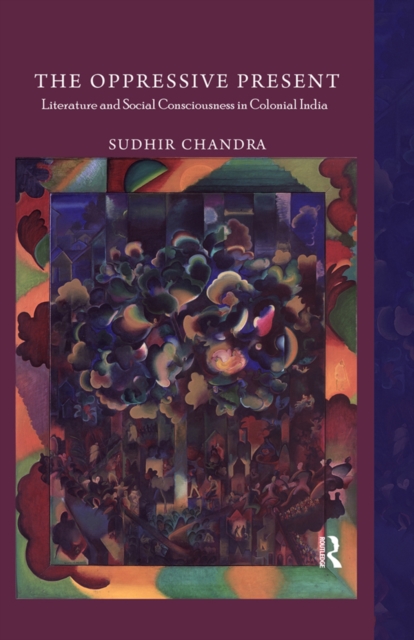
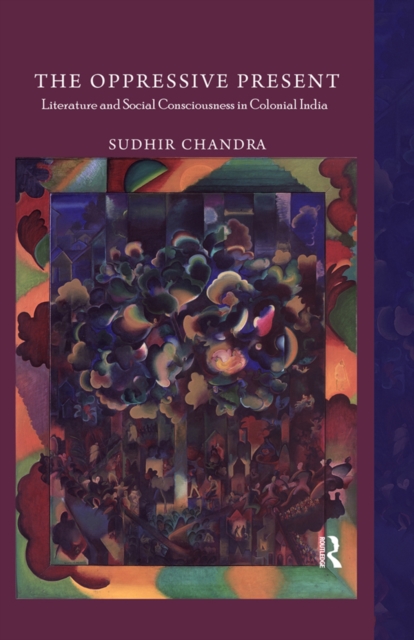
Marking a departure from studies on history and literature in colonial India, The Oppressive Present explores the emergence of social consciousness as a result of and in response to the colonial mediation in the late nineteenth century.
Marking a departure from studies on history and literature in colonial India, The Oppressive Present explores the emergence of social consciousness as a result of and in response to the colonial mediation in the late nineteenth century.
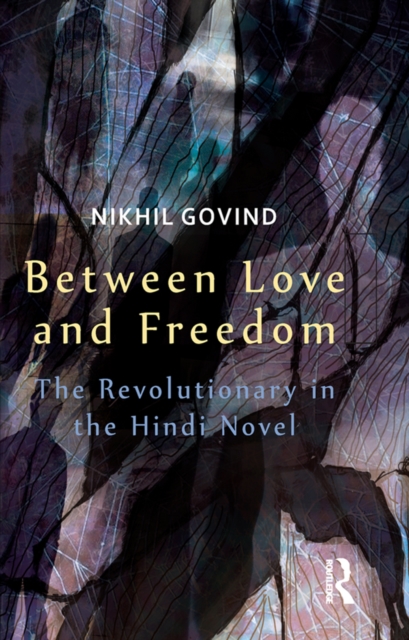
Between Love and Freedom interprets the figure of the revolutionary in the Hindi novel by establishing its lineage in representative Bengali novels, as well as in the contending moralities of Mahatma Gandhi and Bhagat Singh on the idea of violence.