Die vielfältigen Zugänge und Interpretationsperspektiven der interdisziplinären Hamann-Forschung entsprechen der universalen Weite wie auch der singulären Verdichtung und Sperrigkeit des Hamannschen Werkes, dem es um das Ganze der Wirklichkeit in Natur und Geschichte geht, dieses Ganze aber nur im Fragment fassen kann.
Der Band beschäftigt sich mit dem Begriff des Engagements, indem er literarische und künstlerische Projekte von internationalen Autorinnen und Autoren betrachtet, die als interventionistisch, kritisch und radikal konzipiert sind.
Among the many examples of Russian-American emigre literature, a number of less known authors moved to the USA, following their predecessors' transnational and plurilingual experiences.
Heinrich Bölls ›Geschichten‹ und ›Gesellschaftsnarrative‹ geben nicht nur Schauplätze vergangener Interaktionen und Kommunikationen wieder, sondern sie gelten auch als textliche Erinnerungsfiguren, als Symbole und Anhaltspunkte individueller und kollektiver Identität.
Barbara Honigmann verfolgt in ihrem literarischen Schaffen das Ziel, sich als jüdische Schriftstellerin der »Zweiten Generation« im Feld der deutschen Gegenwartsliteratur zu positionieren.
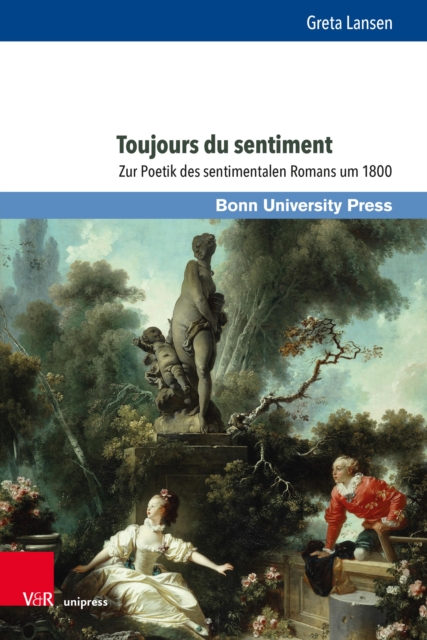
Dem sentimentalen Roman haftet wie keiner anderen Gattung das Vorurteil der trivialen Schwärmerei an, die sich vermeintlich besonders unter Frauen ausbreitet.
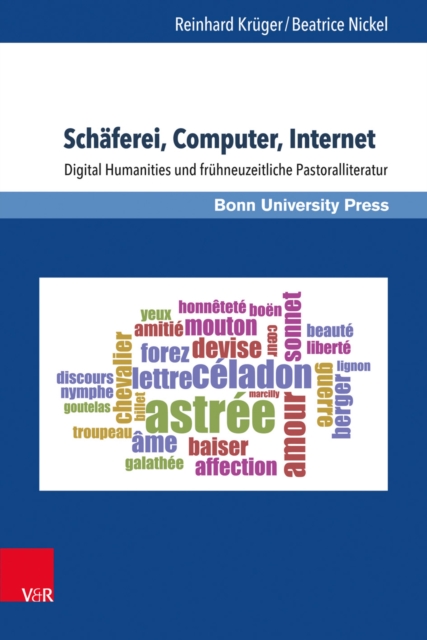
The aim of this book is to unite computer-aided lectures of literary texts with lectures that follow the philological-historical tradition: Both methods should be complementary.
Ausgehend von Ernst Robert Curtius' Traditionsverständnis untersucht Golo Blasche die Kulturphilosophie und die politische Haltung dieses vielleicht meistdiskutierten Romanisten des 20.
Marek Krisch befasst sich in seinem Band mit dem Leben und Schaffen des Publizisten, Romanciers, Dramatikers und Arztes Max Ring, der 1850 aus Schlesien nach Berlin übersiedelte, wo er bis zu seinem Tod 1901 fast ohne Unterbrechung lebte und sich seine literarische Laufbahn rasant entwickelte.
Nachdem es in der unmittelbaren Nachkriegszeit auf Seiten der Sieger und der Besiegten zu einer Fülle antifaschistischer Appelle kam, setzte 1947/48 — im Zuge des beginnenden Kalten Kriegs zwischen den USA und der UdSSR — in den westlichen Besatzungszonen ein ideologischer Gesinnungswandel ein, der unter Berufung auf Parolen wie "Braun gleich Rot" und dann "Rot ist schlimmer als Braun" zu jenen antikommunistischen Propagandawellen führte, durch welche die Verbrechen des Nazifaschismus immer stärker in den Hintergrund traten.
Arch "e;Cherry Dream"e; handler from raised persons Claudia, and successfully forretningskvinde, the pa and forretningsrejse uventet moder Marco, and mand, the har and dye forbindelse til kirsebaer.
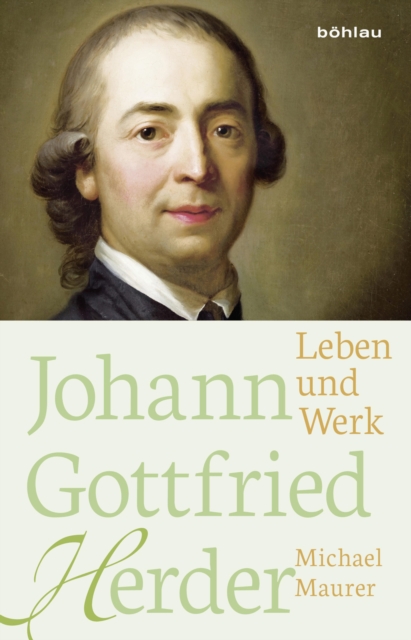
Ein "bekannter Unbekannter": der im ostpreußischen Mohrungen geborene und in Weimar gestorbene Johann Gottfried Herder gehört neben Goethe, Schiller und Wieland zu den bedeutendsten Weimarer Klassikern.
Literary texts in Polish literature written between 1914 and 1920 combine specific meaningful strategies and serve as a medium for transporting collective memories.
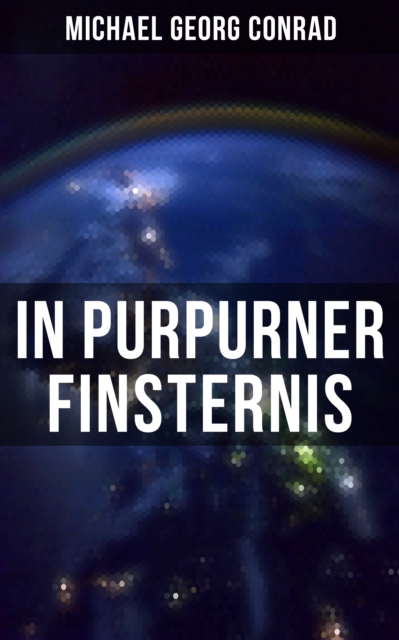
In 'In purpurner Finsternis' von Michael Georg Conrad wird die Geschichte einer Gruppe von Forschern erzählt, die in die Tiefen des Amazonas-Dschungels reisen, um ein mysteriöses Artefakt zu finden.
By analyzing critical and poetological texts of important Spanish authors as well as their concrete realization of aesthetic premises in novels, this study demonstrates the enhancement of the romantic paradigm of love around 1900.
Das Buch 'Genie und Wahnsinn' von Oskar Panizza ist ein beeindruckendes Werk, das sich mit der Verbindung zwischen Genie und Wahnsinn auseinandersetzt.
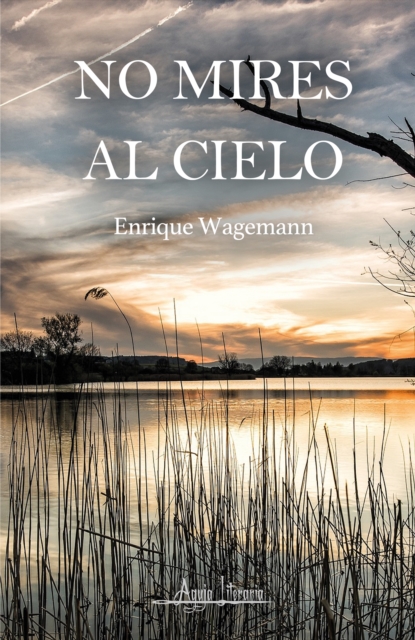
Situada en un país no tan imaginario de Sudamérica (desde la conquista española hasta oscuras dictaduras, gobiernos anárquicos y transiciones democráticas), No mires al cielo es una ficción histórica con personajes que nunca existieron, pero que al mismo tiempo siempre han estado.
Letras para Armanda explora el aislamiento, la búsqueda de la felicidad, las complejidades de las relaciones humanas y las diversas percepciones individuales de la realidad.
An Instant Sunday Times Bestseller'A profoundly urgent intervention' Naomi KleinFrom one of the most influential thinkers of our time, an enlightening, essential account of how a fear of gender is fuelling reactionary politics around the world Judith Butler, the ground-breaking philosopher whose work has redefined how we think about gender and sexuality, confronts the attacks on gender that have become central to right-wing movements today.
Reclam Lektüreschlüssel XL – hier findest du alle Informationen, um dich zielsicher und schnell vorzubereiten: auf Klausur, Referat, Abitur oder Matura!
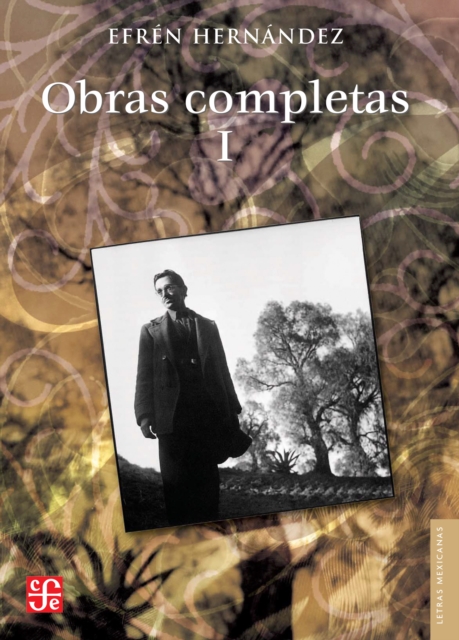
Poesía, cuento y novela -incluidos varios textos inéditos- se reúnen en las páginas de este primer volumen del excéntrico escritor mexicano, quien, como observa el ensayista y crítico Alejandro Toledo, tuvo "un destino marginal, una vocación a la rareza", destino y vocación, hay que añadir, que produjeron una de las escrituras más intrigantes y sugestivas en el panorama literario del siglo XX mexicano, es decir, una obra que con el paso de los años ha ido adquiriendo el adjetivo de insustituible en el gusto y criterio de las nuevas generaciones de lectores y críticos.
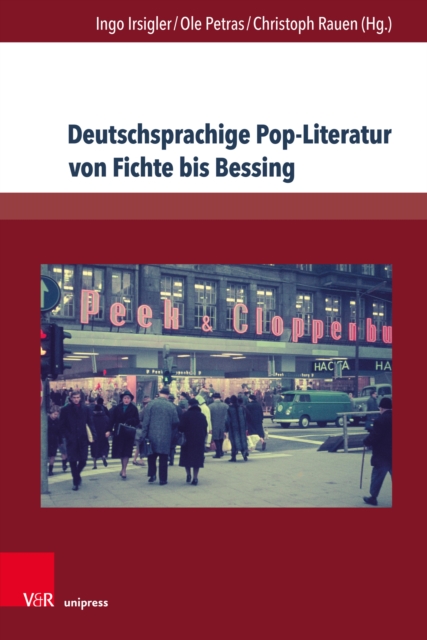
Der vorliegende Band versammelt eine Reihe detaillierter Einzelanalysen exemplarischer und/oder besonders wirkungsmächtiger Werke der deutschsprachigen Pop-Literatur.
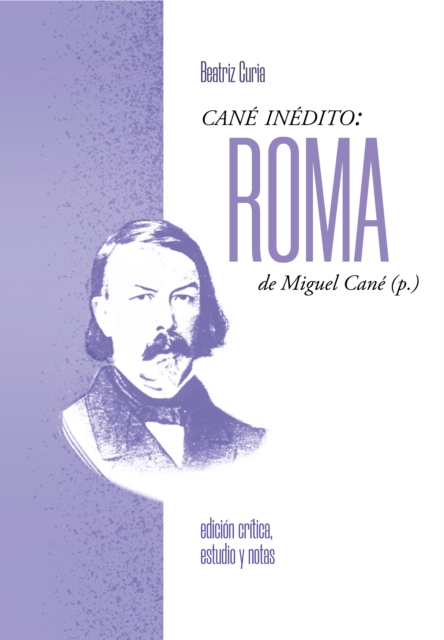
Se trata de la edición crítica, con estudio y notas de Beatriz Curia sobre un manuscrito inédito, referido a un viaje por Roma de Miguel Cané padre, perteneciente a la Generación Romántica argentina del 1837.
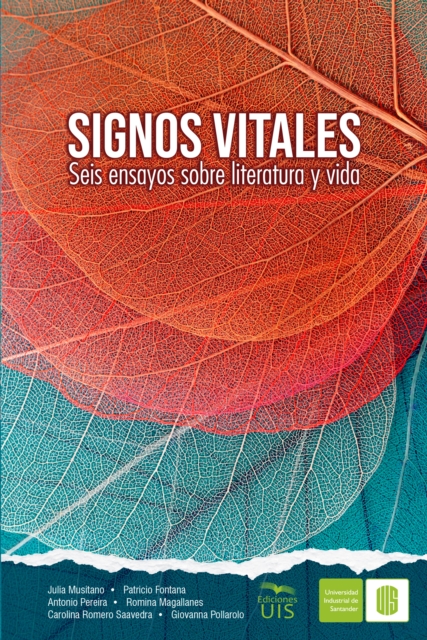
Los seis ensayos que reúne este libro refieren, de una u otra manera, a varias entonaciones de esa "ilusión biográfica" de la que habló, alguna vez, Pierre Bordieu.
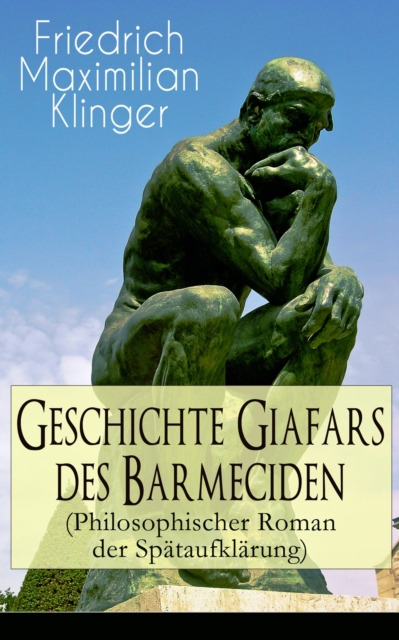
Dieses eBook: "Geschichte Giafars des Barmeciden (Philosophischer Roman der Spätaufklärung)" ist mit einem detaillierten und dynamischen Inhaltsverzeichnis versehen und wurde sorgfältig korrekturgelesen.
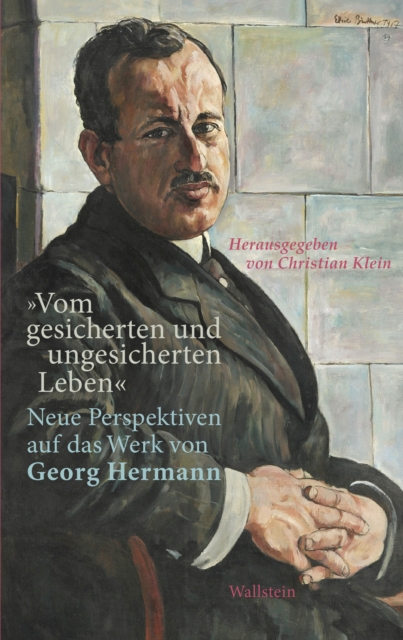
Ein differenzierter Blick auf das herausragende Werk des »jüdischen Fontane«Georg Hermann zählt zu den produktivsten und meistgelesenen deutschen Schriftstellern seiner Zeit.
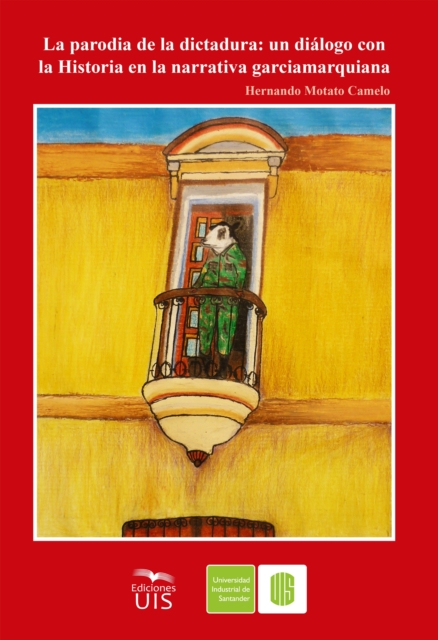
Este libro analiza la obra de Gabriel García Márquez en la relación con la historia de Colombia a partir de las guerras civiles y la consolidación del cacicazgo en el poder.
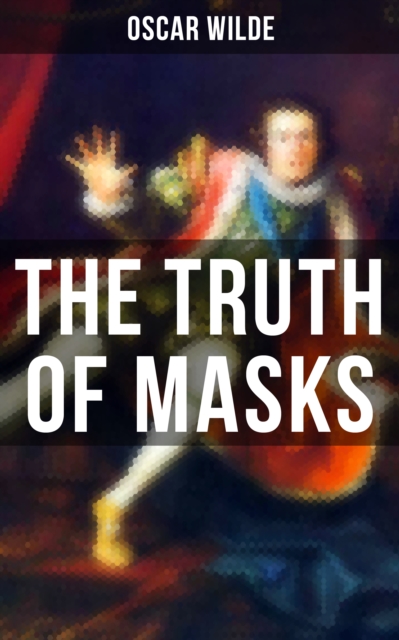
In 'The Truth of Masks' by Oscar Wilde, the author explores the concept of identity and the masks we wear in society through a series of thought-provoking essays.
Filippa Stagnaro, regidora de la villa de Adra y heredera del ingenio azucarero más importante de la región, deberá enfrentar los fantasmas de su pasado y luchar por el legado de su padre, Nicola Stagnaro, un noble emprendedor genovés, en medio de traiciones y la constante amenaza de una competencia perversa.
Reclam Lektüreschlüssel XL – hier findest du alle Informationen, um dich zielsicher und schnell vorzubereiten: auf Klausur, Referat, Abitur oder Matura!
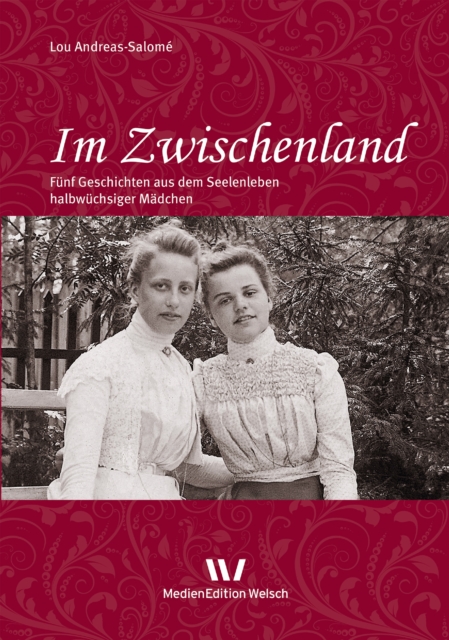
»Im Zwischenland« lautet der programmatische Titel von Lou Andreas-Salomés 1902 erschienenem Novellenband mit »Fünf Geschichten ausdem Seelenleben halbwüchsiger Mädchen«.
Der Altenberger Ökumenische Gesprächskreis setzt sich in einer Stellungnahme dafür ein, dass der »Ketzer« Martin Luther in der katholischen Kirche offiziell als »Zeuge Jesu Christi« anerkannt wird und der Papst in der evangelischen Kirche nicht mehr als »Antichrist«, sondern als »Bruder in Christus« gewürdigt wird.
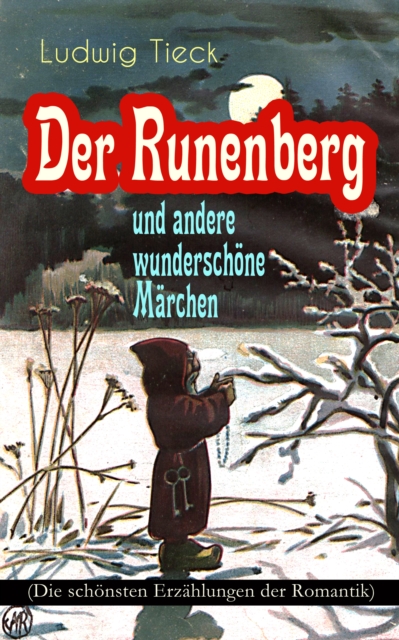
Dieses eBook: "Der Runenberg und andere wunderschöne Märchen (Die schönsten Erzählungen der Romantik)" ist mit einem detaillierten und dynamischen Inhaltsverzeichnis versehen und wurde sorgfältig korrekturgelesen.
Reclam Lektüreschlüssel XL – hier findest du alle Informationen, um dich zielsicher und schnell vorzubereiten: auf Klausur, Referat, Abitur oder Matura!