While the short story has existed in various forms for centuries, it has particularly flourished during the last hundred years, and especially in recent decades.
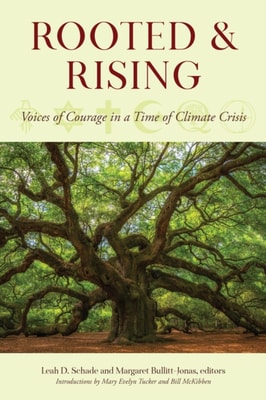
Rooted and Rising is for everyone who worries about the climate crisis and seeks spiritual practices and perspectives to renew their capacity for compassionate, purposeful, and joyful action.
The essays collected here, prepared by a think tank of the Elijah Interfaith Academy, explore the challenges associated with sharing wisdom--learning, teachings, messages for good living.
In a highly-connected global village, the flow of worldviews from East to West (and vice versa) has great potential for good, but also some dangerous pitfalls.
'A smart and highly entertaining portrait of a literary powerhouse'- THE TIMES BOOKS OF THE YEAR'A riveting portrait'- GUARDIAN BOOKS OF THE YEAR***'Worsley's sparkling biography brings a fresh eye to Christie's life and work, firmly busting the myth that she, or her novels, were cosy.
Sometimes called the American Shakespeare, William Faulkner is known for providing poignant and accurate renderings of the human condition, creating a world of colorful characters in his fictional Yoknapatawpha County, and writing in a style that is both distinct and demanding.
With an introduction by comedian and novelist David BaddielA novel in seven volumes, Marcel Proust's In Search of Lost Time is considered a major literary work of the twentieth century.
Woolf on Women is a powerful and thought-provoking collection of Virginia Woolf's most influential essays on women-both real and fictional, historical and contemporary-and the ways in which they navigate the constraints of society.
Hailed as one of the greatest western novelists of all time, French author Gustave Flaubert (1821-1880) first became famous for his debut novel "e;Madame Bovary"e; (1857), a seminal work of literary realism that resulted in Flaubert being put on trail for obscenity.
First published in 1933, Matisse Picasso and Gertrude Stein contains three prose pieces written in the stream-of-consciousness style that Stein was famous for.
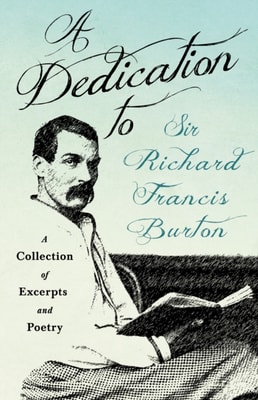
Sir Richard Francis Burton KCMG FRGS (1821-1890) was a British writer, poet, linguist, explorer, translator, geographer, ethnologist, orientalist, Freemason, diplomat, and cartographer best remembered for extensively travelling in and exploring Africa, Asia, and the Americas.
"e;The Study of Imagination"e; is a brand new collection of classic essays written by various authors on the subject of fairy tales, mythology, and folk-Lore.
Revealing the rich inner life of a literary genius, this large collection of Austen's correspondence offers a unique and intimate glimpse into her daily life, relationships, and creative process.
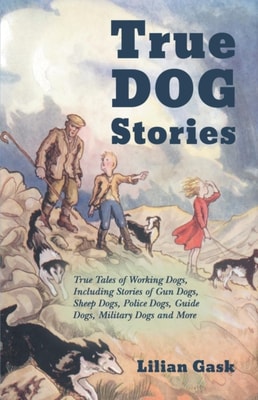
"e;True Dog Stories"e; is a collection of short stories dealing with ordinary dogs and their extraordinary exploits, written for children by the prolific author of dog-based stories, Albert Terhune.
Piya Pal-Lapinski explores the transformation of the Ottoman empire (and its Byzantine ghosts) during the period 1800-1876 in terms of its crucial impact on British and European transnational identities.
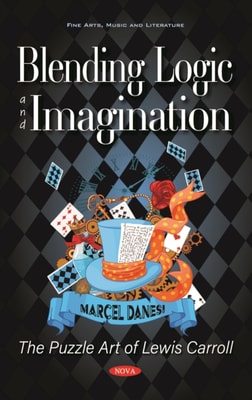
The Dark Side of Alice in Wonderland is the first time anyone has investigated the vast range of darker, more threatening aspects of this famous story and the way Alice has been transformed over the years.