One of the most popular comic strips of the 1950s and the first to reference politics of the day, Walt Kelly's Pogo took on Joe McCarthy before the controversial senator was a blip on Edward R.
American Gothic literature inherited many time-worn tropes from its English Gothic precursor, along with a core preoccupation: anxiety about power and property.
Since the early 2000s, popular culture has experienced a "e;Zombie Renaissance,"e; beginning in film and expanding into books, television, video games, theatre productions, phone apps, collectibles and toys.
Dick Grayson--alter-ego of the original Robin of Batman comics--has gone through various changes in his 75 years as a superhero but has remained the optimistic, humorous character readers first embraced in 1940.
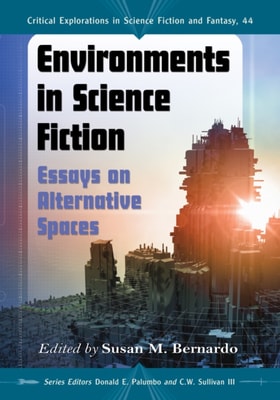
The all-new essays in this book respond to the question, How do spaces in science fiction, both built and unbuilt, help shape the relationships among humans, other animals and their shared environments?
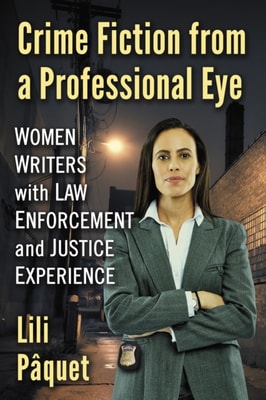
There is a new category of authors blurring the line between fiction and nonfiction: women who work or have worked in criminal justice--lawyers, police officers and forensic investigators--who publish crime fiction with characters that resemble real-life counterparts.
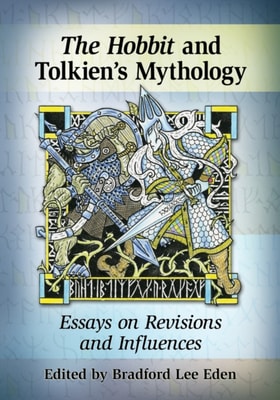
At the 2013 "e;Celebrating The Hobbit"e; conference at Valparaiso University--marking the 75th anniversary of the book's publication and the first installment of Peter Jackson's Hobbit movies--two plenary papers were presented: "e;Anchoring the Myth: The Impact of The Hobbit on Tolkien's Legendarium"e; by John D.
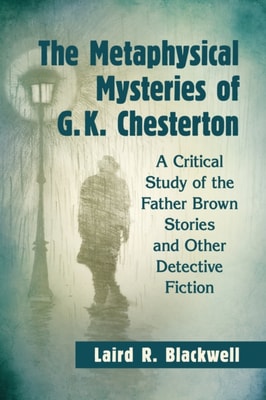
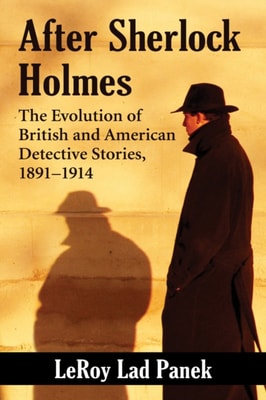
The appearance of Sherlock Holmes in The Strand Magazine in 1891 began a stampede of writers who wanted to emulate, build upon or even satirize Arthur Conan Doyle's work.
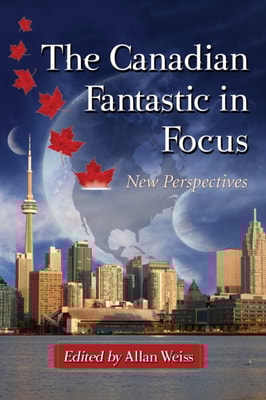
Bringing together papers presented at the Academic Conference on Canadian Science Fiction and Fantasy from 2005 to 2013, this collection of essays includes Veronica Hollinger's keynote address, "e;The Body on the Slab,"e; and Robert Runte's Aurora Award-winning paper, "e;Why I Read Canadian Speculative Fiction,"e; along with 15 other contributions on science fiction and fantasy literature, television and music by Canadian creators.
The rise of YA dystopian literature has seen an explosion of female protagonists who are stirring young people's interest in social and political topics, awakening their civic imagination, and inspiring them to work for change.
In these days of uncivil public discourse--complete with trolling, hater comments, CAPSLOCKING, and generally acting like jerks towards each other--talking graciously about anything is becoming a lost art.
Globally we seem torn between local, exclusive forms of religion, which can cause immense spiritual and physical damage to people, and a bland secularism that confines the religions to safe havens, each offering its own private options for "e;spirituality"e; within a secularized global politic.
In Keeping the Faith in Interfaith Relationships, Stuart Dauermann calls for a reconsideration of the long held assumption that a Jew who believes in Jesus exits from Jewish life.
In Christians and Jews Together, Stuart Dauermann challenges Christians and Jews to discover new ways to partner together in serving what God is up to in the world.
Inscrutable Belongings brings together formalist and contextual modes of critique to consider narrative strategies that emerge in queer Asian North American literature.
The book analyses attempts by Dickens and other nineteenth-century writers to challenge established ways of using the distinction between upper and lower case letters, in the interests of a wider radicalism.
This is the first edited collection of essays which focuses on the incest taboo and its literary and cultural presentation from the 1950s to the present day.
This book looks at how Christians can think about their own theology in a manner that will allow them to not only be more open to interfaith dialogue but also to see that conversation as essential to what it means to be a Christian.
In 2007, Antje Jackelén adopted the motto "e;God is greater"e; from the First Letter of John 3:18-20 for her consecration as the bishop of the Diocese of Lund.
Culture, Religion, and Home-making in and Beyond South Asia explores how the idea of the home is repurposed or re-envisioned in relation to experiences of modernity, urbanization, conflict, migration and displacement.
This collection of essays by experts in Renaissance and Gothic studies tracks the lines of connection between Gothic sensibilities and the discursive network of the Renaissance.