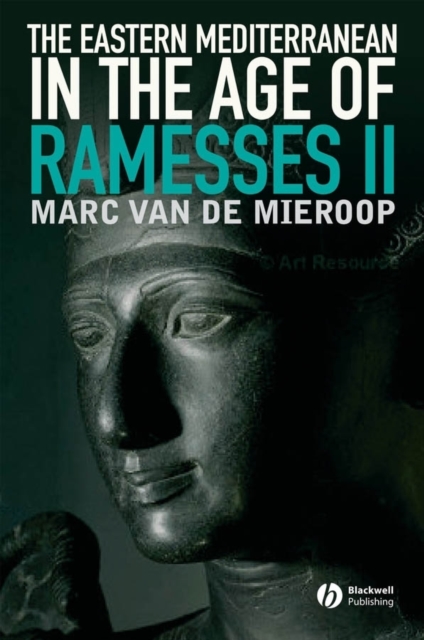
The Eastern Mediterranean in the Age of Ramesses II offers a transnational perspective on the age of King Ramesses II of Egypt during the centuries of 1500 to 1200 BC.
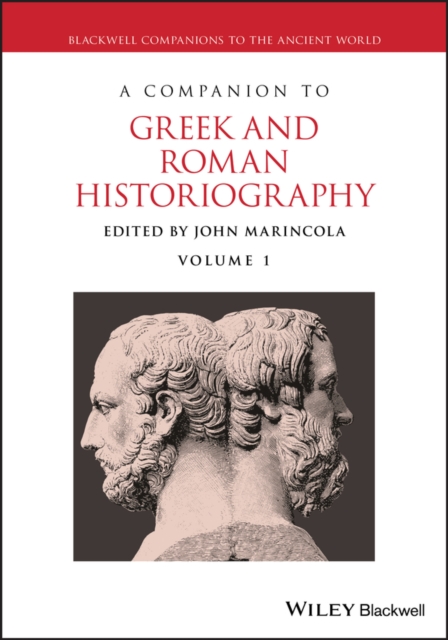
This two-volume Companion to Greek and Roman Historiography reflects the new directions and interpretations that have arisen in the field of ancient historiography in the past few decades.
Examining the profusion of ways in which the arts, culture, and thought of Greece and Rome have been transmitted, interpreted, adapted and used, A Companion to Classical Receptions explores the impact of this phenomenon on both ancient and later societies.
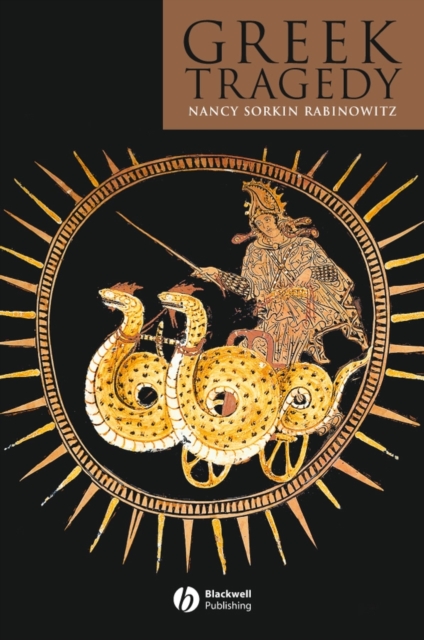
Greek Tragedy sets ancient tragedy into its original theatrical, political and ritual context and applies modern critical approaches to understanding why tragedy continues to interest modern audiences.
This timely introduction to Old English literature focuses on the production and reception of Old English texts, and on their relation to Anglo-Saxon history and culture.
Designed as both a contribution to original research and as a stimulating and accessible text, this volume is a helpful, reliable, responsive and adaptable resource for students of Chaucer at all levels.
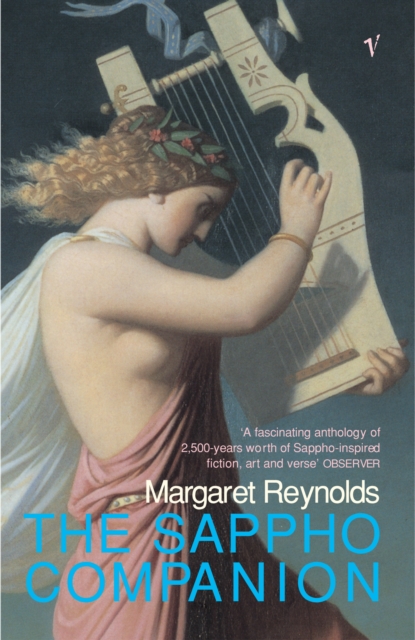
Born around 630BC on the Greek island of Lesbos, Sappho is now regarded as the greatest lyrical poet of ancient Greece, ironic and passionate, capturing the troubled depths of love.
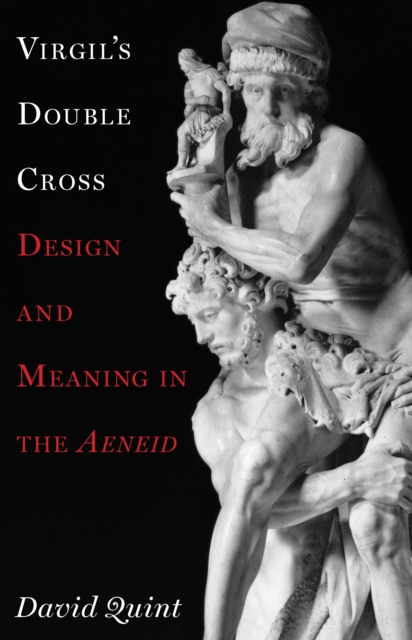
The message of Virgil's Aeneid once seemed straightforward enough: the epic poem returned to Aeneas and the mythical beginnings of Rome in order to celebrate the city's present world power and to praise its new master, Augustus Caesar.
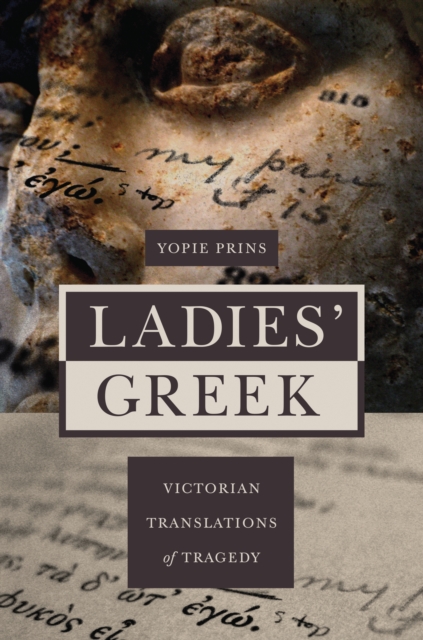
In Ladies' Greek, Yopie Prins illuminates a culture of female classical literacy that emerged in the second half of the nineteenth century, during the formation of women's colleges on both sides of the Atlantic.
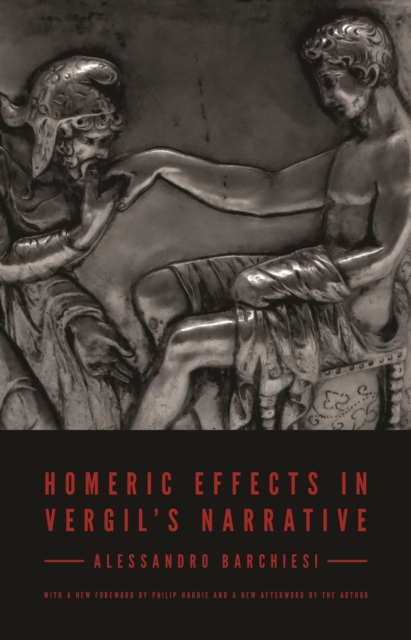
The study of Homeric imitations in Vergil has one of the longest traditions in Western culture, starting from the very moment the Aeneid was circulated.
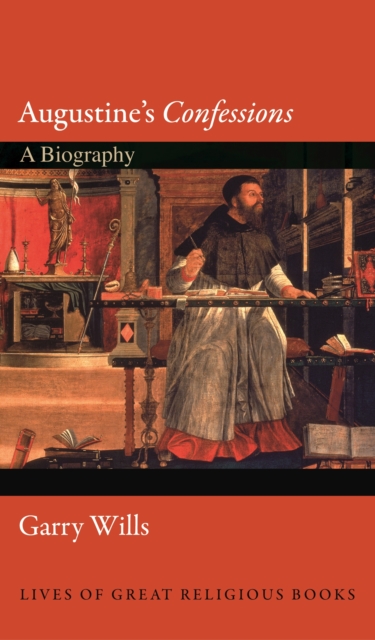
From Pulitzer Prize-winner Garry Wills, the story of Augustine's ConfessionsIn this brief and incisive book, Pulitzer Prize-winning historian Garry Wills tells the story of the Confessions--what motivated Augustine to dictate it, how it asks to be read, and the many ways it has been misread in the one-and-a-half millennia since it was composed.
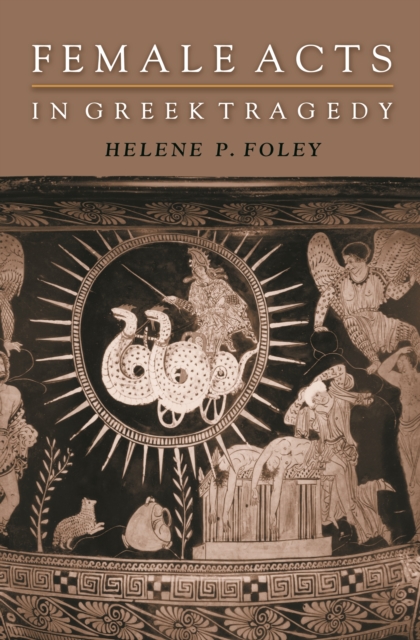
Although Classical Athenian ideology did not permit women to exercise legal, economic, and social autonomy, the tragedies of Aeschylus, Sophocles, and Euripides often represent them as influential social and moral forces in their own right.
By "e;literary criticism"e; we usually mean a self-conscious act involving the technical and aesthetic appraisal, by individuals, of autonomous works of art.
This wide-ranging study of language and cultural change in fourteenth-century England argues that the influence of oral tradition is much more important to the advance of literacy than previously supposed.
As the specter of religious extremism has become a fact of life today, the temptation is great to allow the evil actions and perspectives of a minority to represent an entire tradition.
A unique look at how classical notions of ascent and flight preoccupied early modern British writers and artistsBetween the late sixteenth century and early nineteenth century, the British imagination-poetic, political, intellectual, spiritual and religious-displayed a pronounced fascination with images of ascent and flight to the heavens.
A groundbreaking reinterpretation that draws on cognitive theory to show that belief wasn't absent from-but rather was at the heart of-Roman religionBelief and Cult argues that belief isn't uniquely Christian but was central to ancient Roman religion.
A richly diverse collection of classical Indian terms for expressing the many moods and subtleties of emotional experienceWords for the Heart is a captivating treasury of emotion terms drawn from some of India's earliest classical languages.
From the award-winning biographer of Chaucer, the story of his most popular and scandalous character, from the Middle Ages to #MeTooEver since her triumphant debut in Chaucer's Canterbury Tales, the Wife of Bath, arguably the first ordinary and recognisably real woman in English literature, has obsessed readersfrom Shakespeare to James Joyce, Voltaire to Pasolini, Dryden to Zadie Smith.
A major reinterpretation of Horace's famous literary manualFor two millennia, the Ars Poetica (Art of Poetry), the 476-line literary treatise in verse with which Horace closed his career, has served as a paradigmatic manual for writers.
A groundbreaking biography that recreates the cosmopolitan world in which a wine merchant's son became one of the most celebrated of all English poets More than any other canonical English writer, Geoffrey Chaucer lived and worked at the centre of political life-yet his poems are anything but conventional.
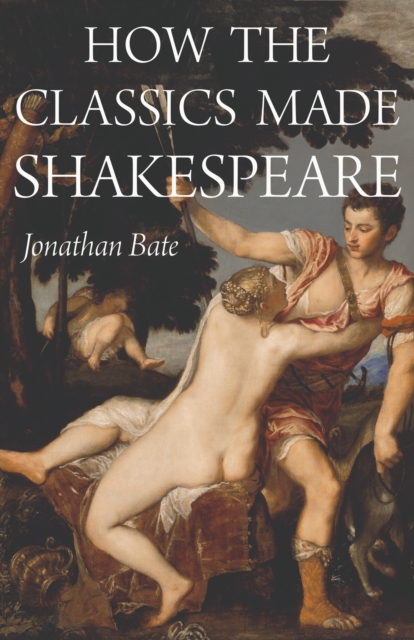
From one of our most eminent and accessible literary critics, a groundbreaking account of how the Greek and Roman classics forged Shakespeare's imaginationBen Jonson famously accused Shakespeare of having "e;small Latin and less Greek.