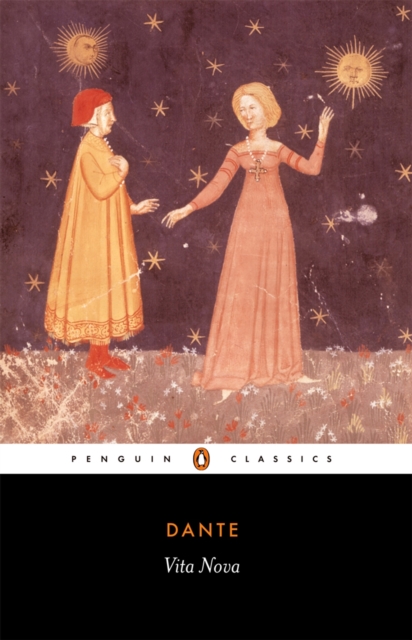
A unique treatise by a poet, written for poets, on the art of poetry, LA VITA NUOVA is elaborately and symbolically patterned, consisting of a selection of Dante's early poems, interspersed with his own prose commentary.
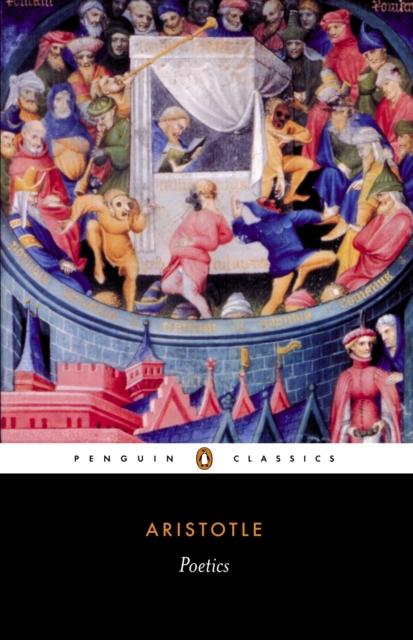
One of the most powerful, perceptive and influential works of criticism in Western literary history In his near-contemporary account of classical Greek tragedy, Aristotle examines the dramatic elements of plot, character, language and spectacle that combine to produce pity and fear in the audience, and asks why we derive pleasure from this apparently painful process.
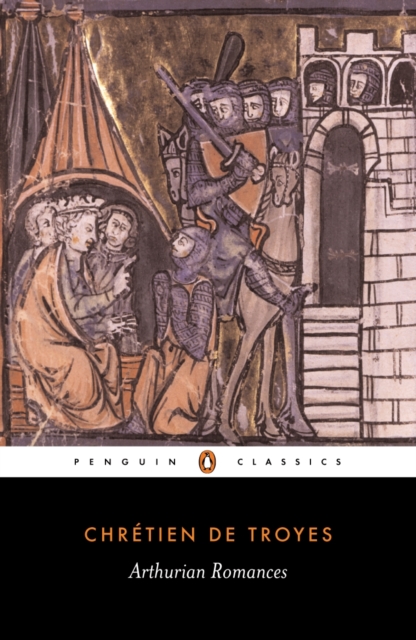
Taking the legends surrounding King Arthur and weaving in new psychological elements of personal desire and courtly manner, Chr tien de Troyes fashioned a new form of medieval Romance.
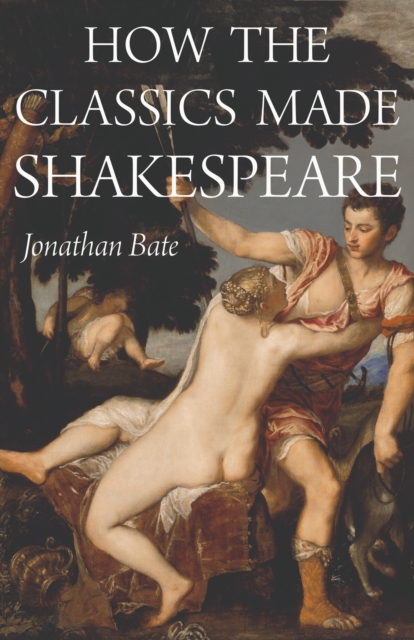
From one of our most eminent and accessible literary critics, a groundbreaking account of how the Greek and Roman classics forged Shakespeare's imaginationBen Jonson famously accused Shakespeare of having "e;small Latin and less Greek.
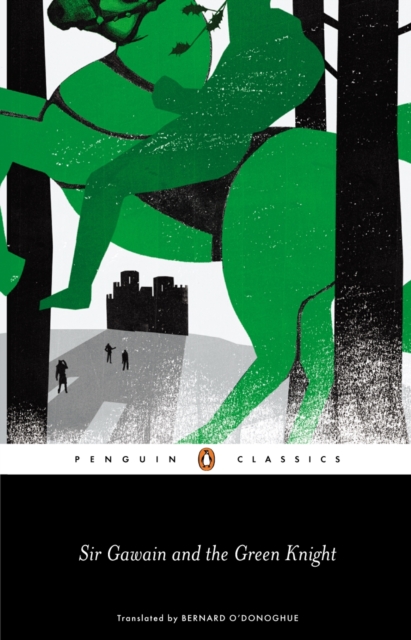
Composed during the fourteenth century in the English Midlands, Sir Gawain and the Green Knight describes the events that follow when a mysterious green-coloured knight rides into King Arthur's Camelot in deep mid-winter.
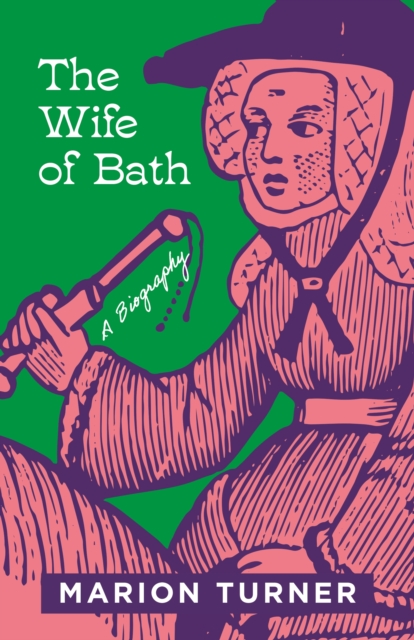
From the award-winning biographer of Chaucer, the story of his most popular and scandalous character, from the Middle Ages to #MeTooEver since her triumphant debut in Chaucer's Canterbury Tales, the Wife of Bath, arguably the first ordinary and recognisably real woman in English literature, has obsessed readersfrom Shakespeare to James Joyce, Voltaire to Pasolini, Dryden to Zadie Smith.
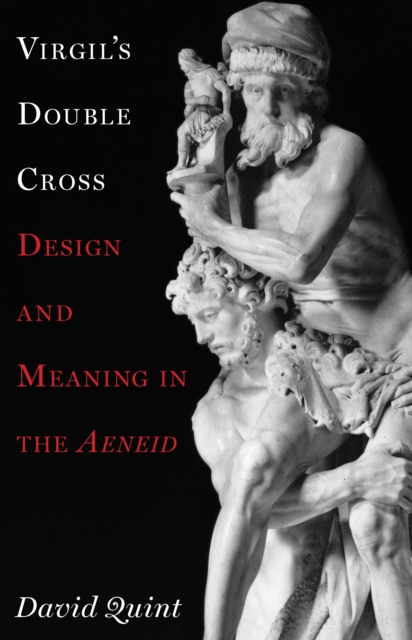
The message of Virgil's Aeneid once seemed straightforward enough: the epic poem returned to Aeneas and the mythical beginnings of Rome in order to celebrate the city's present world power and to praise its new master, Augustus Caesar.
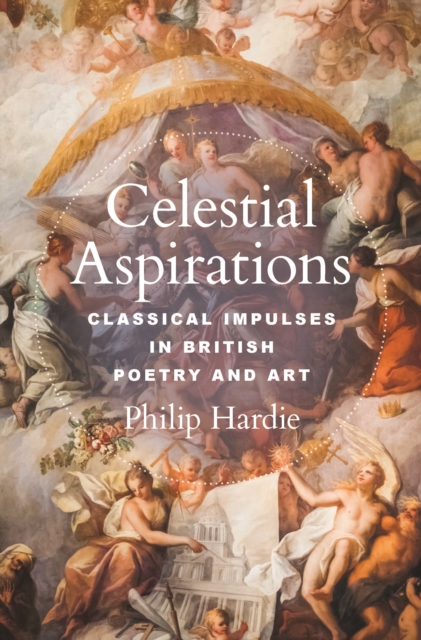
A unique look at how classical notions of ascent and flight preoccupied early modern British writers and artistsBetween the late sixteenth century and early nineteenth century, the British imagination-poetic, political, intellectual, spiritual and religious-displayed a pronounced fascination with images of ascent and flight to the heavens.
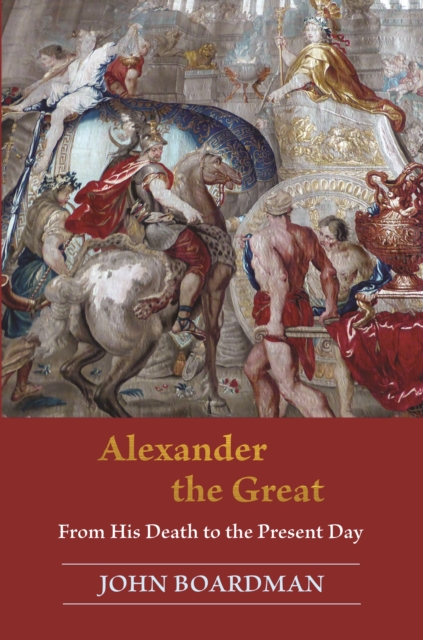
An illustrious scholar presents an elegant, concise, and generously illustrated exploration of Alexander the Great's representations in art and literature through the agesJohn Boardman is one of the world's leading authorities on ancient Greece, and his acclaimed books command a broad readership.
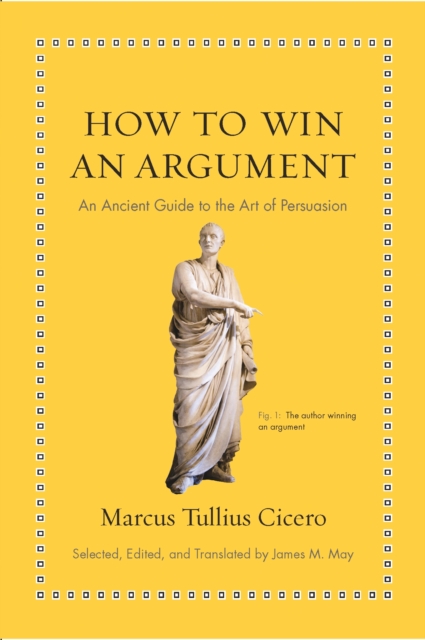
Timeless techniques of effective public speaking from ancient Rome's greatest oratorAll of us are faced countless times with the challenge of persuading others, whether we're trying to win a trivial argument with a friend or convince our coworkers about an important decision.
The study of Homeric imitations in Vergil has one of the longest traditions in Western culture, starting from the very moment the Aeneid was circulated.
Examining the figure of Aesop and the traditions surrounding him, Aesopic Conversations offers a portrait of what Greek popular culture might have looked like in the ancient world.
Unter Aufgabe der strikten Entgegensetzung von 'Personalität' und 'Transpersonalität' von Herrschaft und des Postulats einer vorwiegend personal geprägten vormodernen Herrschaft zeigen die hier vereinten Beiträge an zahlreichen Fallbeispielen aus Asien, Ägypten und Europa das Neben- und Miteinander personaler und transpersonaler Aspekte auf.