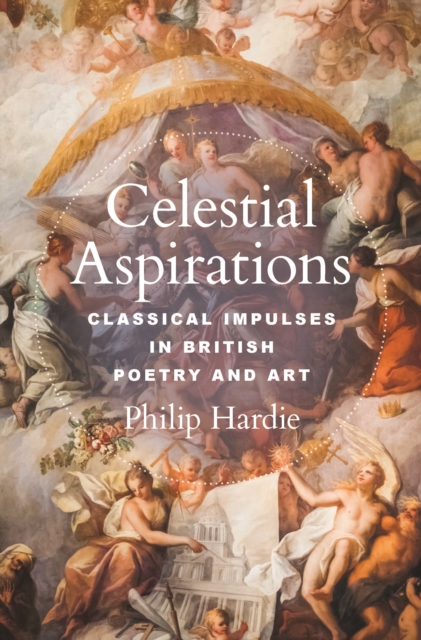
A unique look at how classical notions of ascent and flight preoccupied early modern British writers and artistsBetween the late sixteenth century and early nineteenth century, the British imagination-poetic, political, intellectual, spiritual and religious-displayed a pronounced fascination with images of ascent and flight to the heavens.
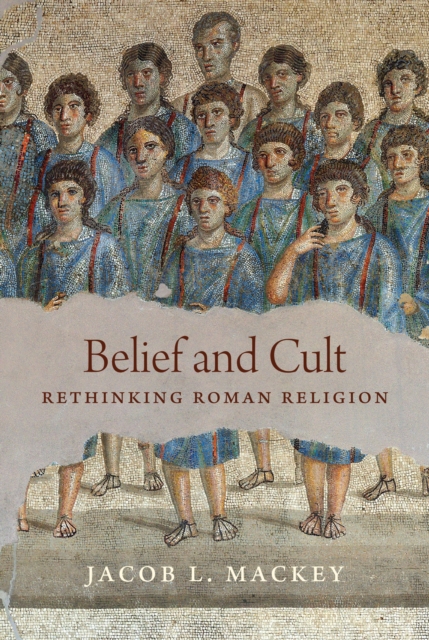
A groundbreaking reinterpretation that draws on cognitive theory to show that belief wasn't absent from-but rather was at the heart of-Roman religionBelief and Cult argues that belief isn't uniquely Christian but was central to ancient Roman religion.
A richly diverse collection of classical Indian terms for expressing the many moods and subtleties of emotional experienceWords for the Heart is a captivating treasury of emotion terms drawn from some of India's earliest classical languages.
From the award-winning biographer of Chaucer, the story of his most popular and scandalous character, from the Middle Ages to #MeTooEver since her triumphant debut in Chaucer's Canterbury Tales, the Wife of Bath, arguably the first ordinary and recognisably real woman in English literature, has obsessed readersfrom Shakespeare to James Joyce, Voltaire to Pasolini, Dryden to Zadie Smith.
A major reinterpretation of Horace's famous literary manualFor two millennia, the Ars Poetica (Art of Poetry), the 476-line literary treatise in verse with which Horace closed his career, has served as a paradigmatic manual for writers.
A groundbreaking biography that recreates the cosmopolitan world in which a wine merchant's son became one of the most celebrated of all English poets More than any other canonical English writer, Geoffrey Chaucer lived and worked at the centre of political life-yet his poems are anything but conventional.
From one of our most eminent and accessible literary critics, a groundbreaking account of how the Greek and Roman classics forged Shakespeare's imaginationBen Jonson famously accused Shakespeare of having "e;small Latin and less Greek.
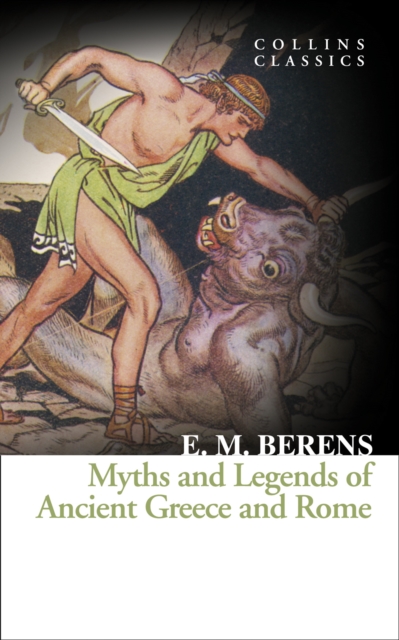
HarperCollins is proud to present our range of timeless literary classics'This was the slaying of the Minotaur, which put an end forever to the shameful tribute of seven youths and seven maidens which was exacted from the Athenians every nine years.
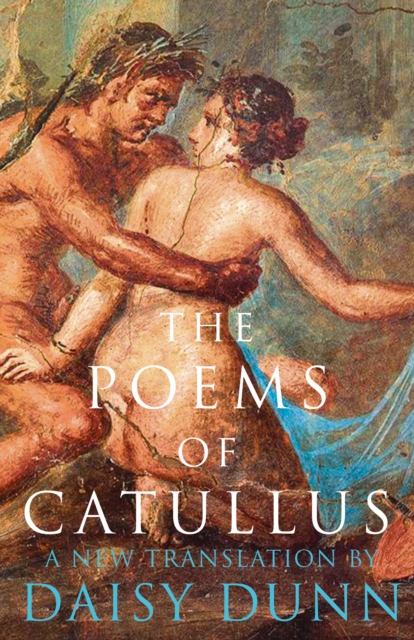
Written in the twilight of the Roman Republic, the poetry of Gaius Valerius Catullus offers a delicious insight into the passions and gossip of high Roman society.
Part of a new series Legends from the Ancient North, Beowulf is one of the classic books that influenced JRR Tolkien's The Hobbit and The Lord of the Rings'So the company of men led a careless life,All was well with them: until One beganTo encompass evil, an enemy from hell.
On the same day that his wife gave birth to twins, Anthony Doerr received the Rome Prize, an award that gave him a year-long stipend and studio in Rome.
An accessible and accurate translation of the Quran that offers a rigorous analysis of its theological, metaphysical, historical, and geographical teachings and backgrounds, and includes extensive study notes, special introductions by experts in the field, and is edited by a top modern Islamic scholar, respected in both the West and the Islamic world.
Professor Tudor Parfitt, a real-life British Indiana Jones, has made the biggest discovery of the last 3,000 years - the secret location of the fabled Ark of the Covenant.
A comprehensive case for a fresh literary approach to the New Testament For at least a half century, scholars have been adopting literary approaches to the New Testament inspired by certain branches of literary criticism and theory.
The story of Mulian rescuing his mothers soul from hell has evolved as a narrative over several centuries in China, especially in the baojuan (precious scrolls) genre.
Forming the Early Chinese Court builds on new directions in comparative studies of royal courts in the ancient world to present a pioneering study of early Chinese court culture.
**Shortlisted for Waterstones Book of the Year**The Penguin Classics Book is a reader's companion to the largest library of classic literature in the world.
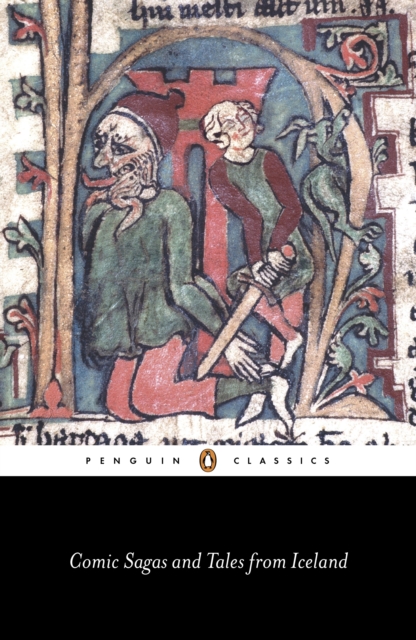
Comic Sagas and Tales brings together the very finest Icelandic stories from the thirteenth to the fifteenth centuries, a time of civil unrest and social upheaval.
In this collection of Greek fiction written between the first and fourth centuries AD, 'Callirhoe' is the stirring tale of star-crossed lovers Chaereas and Callirhoe, torn apart when she is kidnapped and sold as a slave, while 'Daphnis and Chloe' tells of a boy and girl abandoned at birth, who grow up to fall in love and battle pirates.
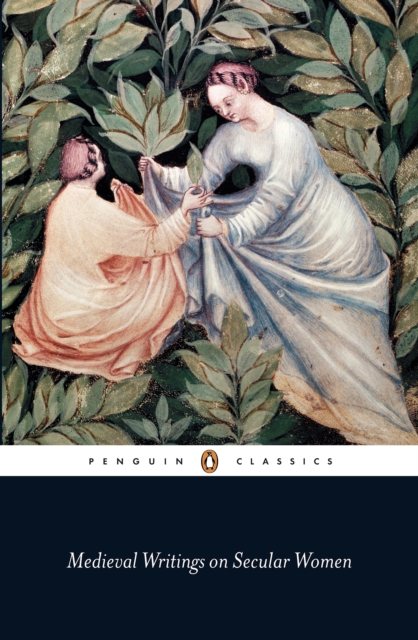
'Woman, who is equal to the moon in the flower of youth,Is equal to a little old ape after the onset of old age'This remarkable collection brings together a host of writings from across different regions and cultures of the Middle Ages, from the ninth to the fifteenth century.