Byzantine Ecocriticism: Women, Nature, and Power in the Medieval Greek Romance applies literary ecocriticism to the imaginative fiction of the Greek world from the twelfth to fifteenth centuries.
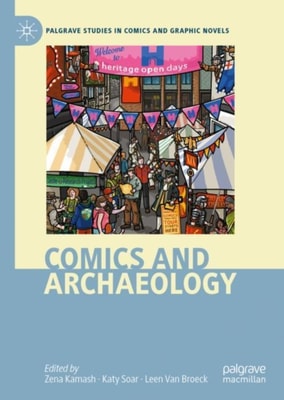
This book adds to the scant academic literature investigating how comics transmit knowledge of the past and how this refraction of the past shapes our understanding of society and politics in sometimes damaging ways.
This study, part of growing interest in the study of nineteenth-century medievalism and Anglo-Saxonism, closely examines the intersections of race, class, and gender in the teaching of Anglo-Saxon in the American women's colleges before World War I, interrogating the ways that the positioning of Anglo-Saxon as the historical core of the collegiate English curriculum also silently perpetuated mythologies about Manifest Destiny, male superiority, and the primacy of northern European ancestry in United States culture at large.
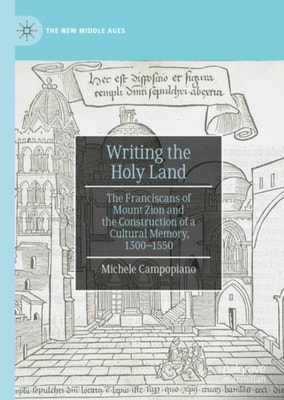
The book shows how the Franciscans in Jerusalem in the fourteenth to sixteenth centuries wrote works which standardized the cultural memory of the Holy Land.
Die drei iranischen Religionen stehen in Wechselwirkung mit der Gesellschaft, die – geschichtlich und gegenwärtig – nicht auf das Staatsgebiet der heutigen Islamischen Republik Iran beschränkt ist.
Since the perception of demons in antiquity depended on particular cultural and religious milieus, the authors in this volume take into view various texts - ranging from amulets, spells, apocalypses, martyrdom literature to hagiography - and focus specifically on literary aspects of the transformation of demons and their contextualization.
This book argues that the traditional relationship between the act of confessing and the act of remembering is manifested through the widespread juxtaposition of confession and memory in Middle English literary texts and, furthermore, that this concept permeates other manifestations of memory as written by authors in a variety of genres.
This book examines how Jewish intellectuals during and after the Second World War reinterpreted Homer's epics, the Iliad and the Odyssey, in light of their own wartime experiences, drawing a parallel between the ancient Greek genocide of the Trojans and the Nazi genocide of the Jews.
Das Handbuchdokumentiert den Stand der Idyllenforschung und zeigt neue Wege auf, um die ‚Idylle‘ und das ‚Idyllische‘ literatur- und kulturwissenschaftlich zu erfassen.
This book critically explores the development of radical criminology through a range of written Ancient Greek works including epic and lyrical poetry, drama and philosophy, across different chapters.
500 Artikel von „Abend“ bis „Zypresse“: Dieses Lexikon versammelt die wichtigsten Symbole der abendländischen Literatur und zeichnet ihre Geschichte an exemplarischen Belegstellen nach.
This volume explores film and television sources in problematic conversation with classical antiquity, to better understand the nature of artistic reception and classical reception in particular.
This book offers a provocative and groundbreaking re-appraisal of the demands of acting ancient tragedy, informed by cutting-edge scholarship in the fields of actor training, theatre history, and classical reception.
This collective volume contains thirty six original studies on various aspects of Ancient Greek language, linguistics and philology written by an international group of leading authorities in the field.
Karan vir Oberoi, a real-estate magnate living in New York has recurrent dreams of someone that looks like an ancient warrior clad in golden armour adorning golden earrings.
William of Tyre's monumental twelfth-century history of the First Crusade and the Latin Kingdom of Jerusalem inspired a rich series of interrelated Old French continuations that proved very popular in the later Middle Ages.
700 years after Dante Alighieri's death, this book intertwines the voice of the great poet with that of an exceptional contemporary, Marco Polo, who was equally curious about the geography of both earthly and celestial worlds.
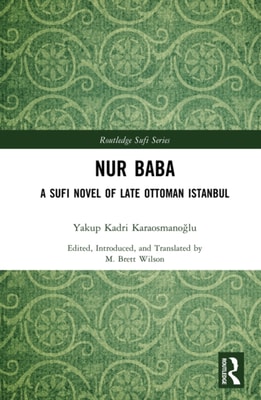
This first-ever English translation of Nur Baba - a classic of modern Turkish literature written by Yakup Kadri Karaosmanoglu - offers a unique window into Sufi lodges, social dilemmas, and intellectual life in early twentieth-century Istanbul.
This first-ever English translation of Nur Baba - a classic of modern Turkish literature written by Yakup Kadri Karaosmanoglu - offers a unique window into Sufi lodges, social dilemmas, and intellectual life in early twentieth-century Istanbul.
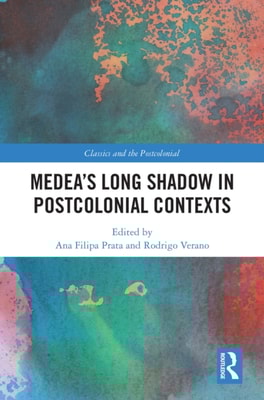
This interdisciplinary volume explores the ancient Greek myth of Medea and its global analogues found in other mythic and folk tales of deadly, exiled women, such as those of La Malinche and La Llorona, examining the connections between these figures and their depictions from antiquity to modernity.
First collective study of the Anglo-Norman prose chronicles, bringing out their essential characteristics, setting them in context, and showing their writers' aims and objectives.