Pestilence in Medieval and Early Modern English Literature examines three diseases--leprosy, bubonic plague, and syphilis--to show how doctors, priests, and literary authors from the Middle Ages through the Renaissance interpreted certain illnesses through a moral filter.
Pestilence in Medieval and Early Modern English Literature examines three diseases--leprosy, bubonic plague, and syphilis--to show how doctors, priests, and literary authors from the Middle Ages through the Renaissance interpreted certain illnesses through a moral filter.
This is the first book on Richard III and the Tower of London, shedding new light on the King's reputation, the Castle's lore, and early modern literature's role in building associations between them.
The hardline, uncompromising theology preached by the English Church in the 16th and 17th Centuries had disturbing effects on the literature of the period.
The hardline, uncompromising theology preached by the English Church in the 16th and 17th Centuries had disturbing effects on the literature of the period.
In this timely new study, Borlik reveals the surprisingly rich potential for the emergent "e;green"e; criticism to yield fresh insights into early modern English literature.
The development of linear perspective in the 15th century represented a radical transformation in the European's sense of the world, the body and the self.
The development of linear perspective in the 15th century represented a radical transformation in the European's sense of the world, the body and the self.
Should we assume that people who lived some time ago were quite similar to us or should we assume that they need to be thought of as alien beings with whom we have little in common?
Should we assume that people who lived some time ago were quite similar to us or should we assume that they need to be thought of as alien beings with whom we have little in common?
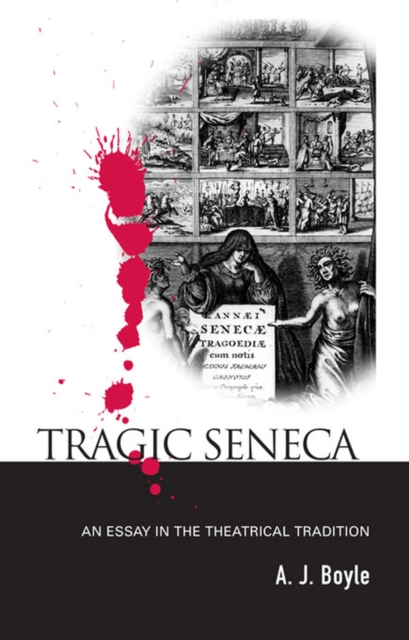
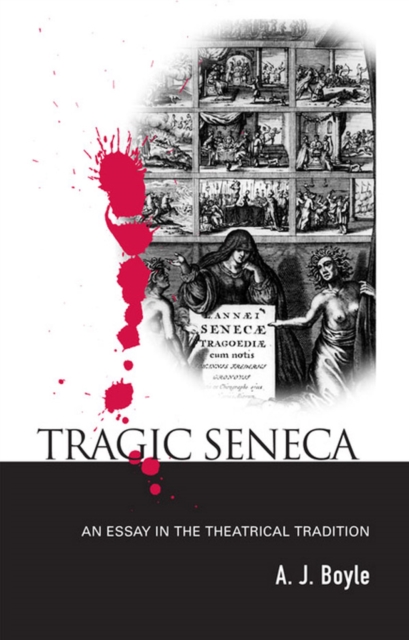
Tragic Seneca undertakes a radical re-evaluation of Seneca's plays, their relationship to Roman imperial culture and their instrumental role in the evolution of the European theatrical tradition.
Tragic Seneca undertakes a radical re-evaluation of Seneca's plays, their relationship to Roman imperial culture and their instrumental role in the evolution of the European theatrical tradition.
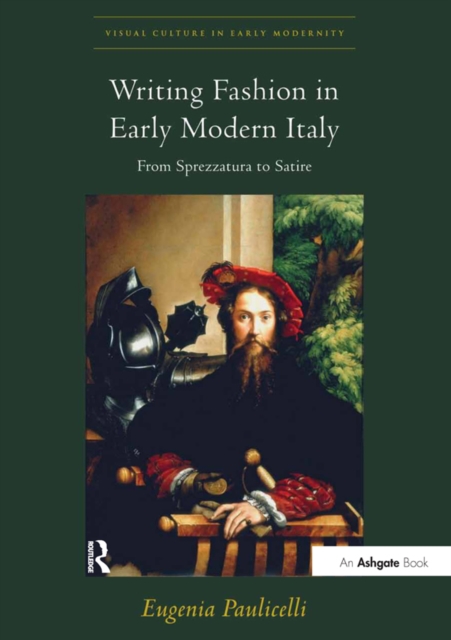
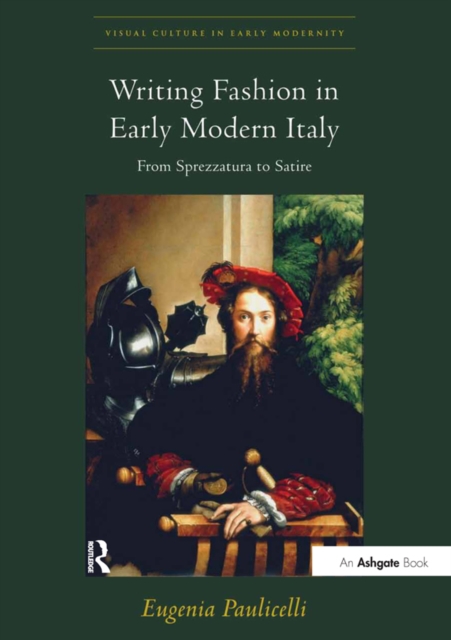
The first comprehensive study on the role of Italian fashion and Italian literature, this book analyzes clothing and fashion as described and represented in literary texts and costume books in the Italy of the 16th and 17th centuries.
The first comprehensive study on the role of Italian fashion and Italian literature, this book analyzes clothing and fashion as described and represented in literary texts and costume books in the Italy of the 16th and 17th centuries.
The fruit of intensive collaboration among leading international specialists on the literature, religion and culture of early modern England, this volume examines the relationship between writing and religion in England from 1558, the year of the Elizabethan Settlement, up until the Act of Toleration of 1689.
The fruit of intensive collaboration among leading international specialists on the literature, religion and culture of early modern England, this volume examines the relationship between writing and religion in England from 1558, the year of the Elizabethan Settlement, up until the Act of Toleration of 1689.
This volume fills a gap in the literature on digital humanities (DH) in the Hispanic context by gathering a heterogeneous group of specialists who, from different standpoints in the humanities, explore Spanish texts as the object of study, DH as the work methodology, and Medieval and Early Modern Times as the historical framework.
Oppositional Voices is a study of six women writers in the late Elizabethan period, who, ignoring Renaissance society's injunction that women should confine themselves to religious compositions, wrote and translated poetry, drama and romantic fiction.
Oppositional Voices is a study of six women writers in the late Elizabethan period, who, ignoring Renaissance society's injunction that women should confine themselves to religious compositions, wrote and translated poetry, drama and romantic fiction.