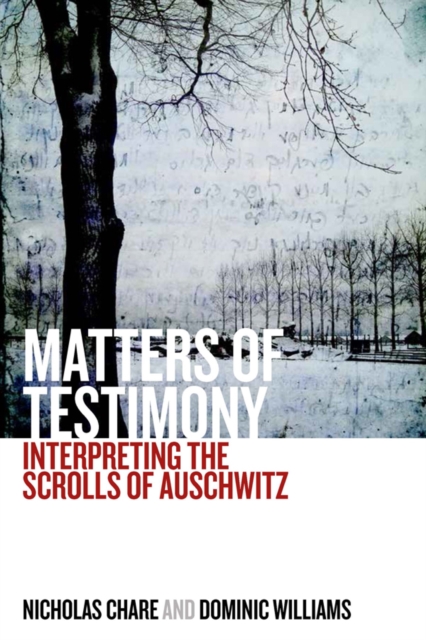
In 1944, members of the Sonderkommando the special squads, composed almost exclusively of Jewish prisoners, who ensured the smooth operation of the gas chambers and had firsthand knowledge of the extermination process buried on the grounds of Auschwitz-Birkenau a series of remarkable eyewitness accounts of Nazi genocide.
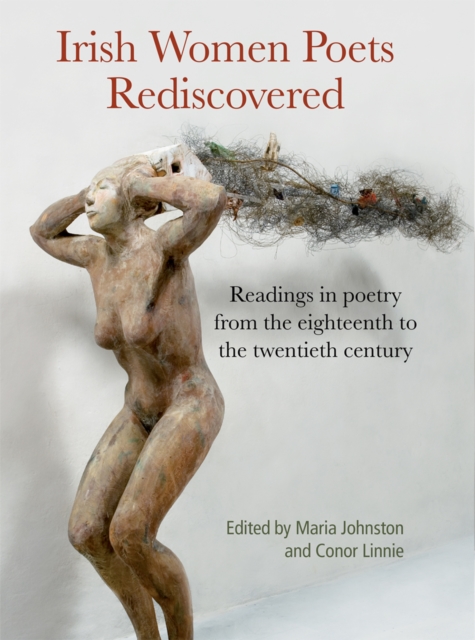
Irish Women Poets Rediscovered is a ground-breaking collection of original essays which brings to new recognition the lives and work of seventeen remarkable Irish women poets spanning the eighteenth to the twentieth century.
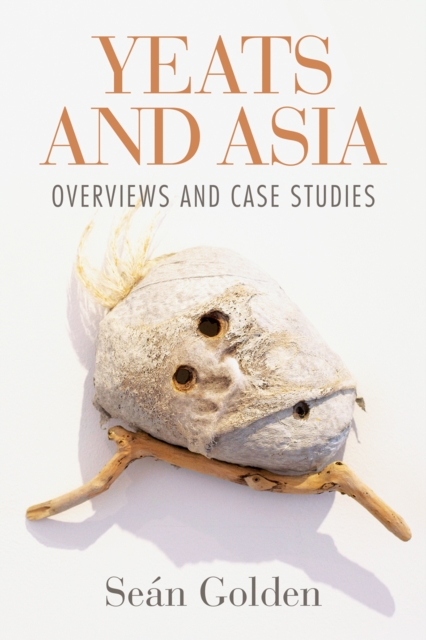
The association of Yeats with Asia suggests references to Byzantium, Theosophy, the influence of Mohini Chatterjee, Occultism, Rabindranath Tagore or the Upanishads, Noh theatre, masks or his fugitive use of Zen koans, and the gyres as a version of Yin and Yang.
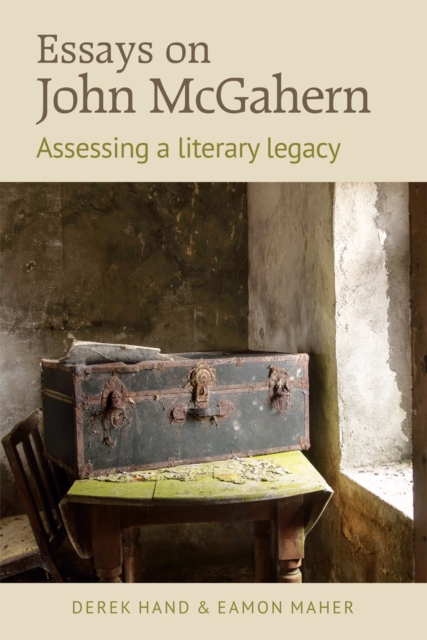
This collection of essays, written by many of the foremost McGahern scholars, provides solid reasons for why the Leitrim writer has assumed canonical status since his premature death in 2006, an event which sparked something akin to a period of national mourning in Ireland.
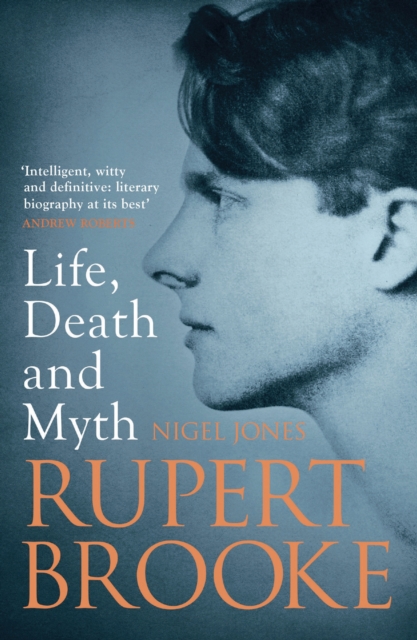
Paragon of youthful beauty, romantic symbol of a lost England, and precociously gifted poet, Rupert Chawner Brooke died in a hospital ship off the Aegean island of Skyros in April 1915, aged just 27.
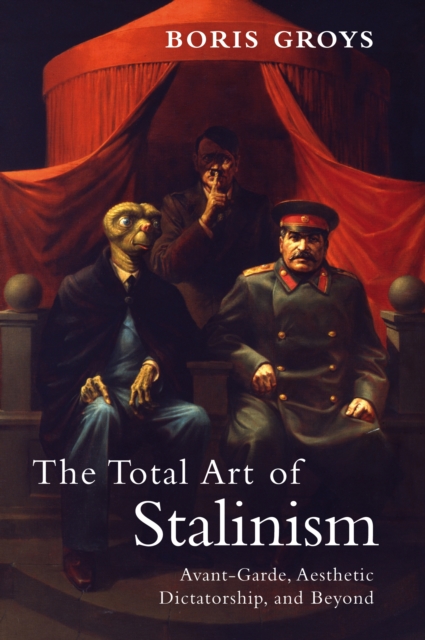
From the ruins of communism, Boris Groys emerges to provoke our interest in the aesthetic goals pursued with such catastrophic consequences by its founders.
A revealing look at the power of speaking out, Writing in an Age of Silence describes Paretski's coming of age in a time of great possibility, during the civil rights movement, the peace movement, and the women's movement.
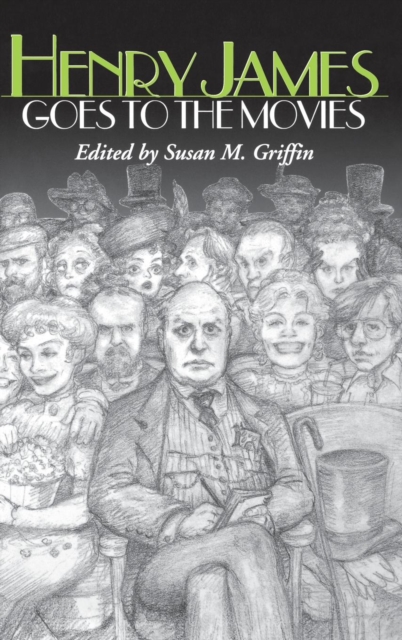
Why has a nineteenth-century author with an elitist reputation proved so popular with directors as varied as William Wyler, Franois Truffaut, and James Ivory?
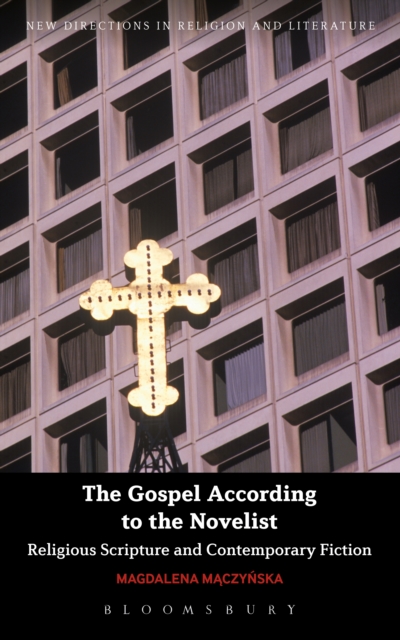
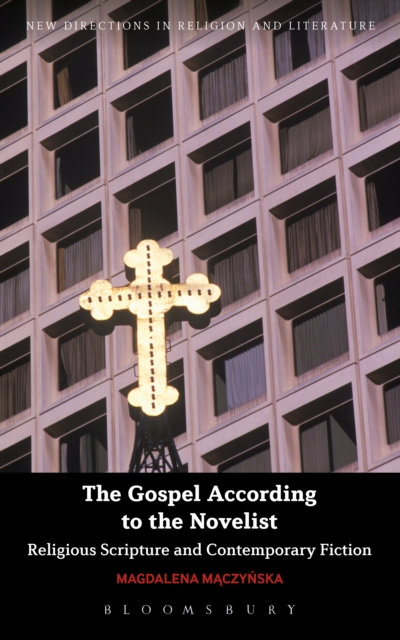
Why have so many prominent literary authors-from Philip Pullman and José Saramago to Michèle Roberts and Colm Tóibím-recently rewritten the canonical story of Jesus Christ?
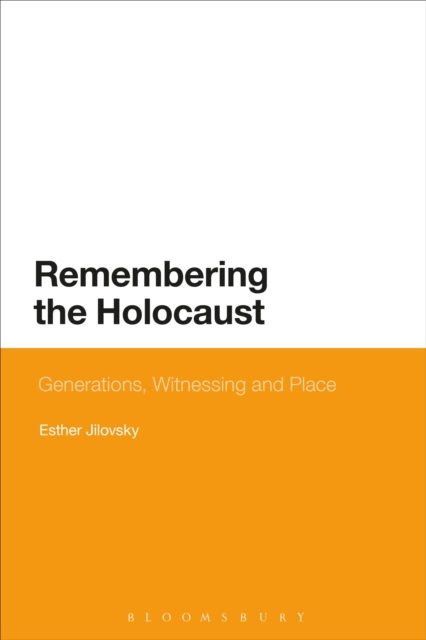
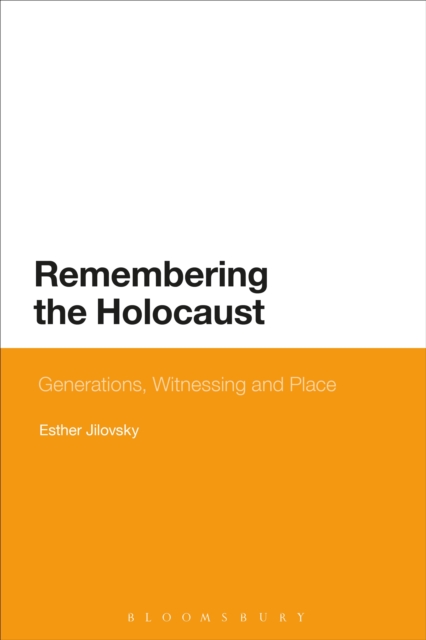
An intriguing analysis of how place constructs memory and how memory constructs place, Remembering the Holocaust shows how visiting sites such as Auschwitz shapes the transfer of Holocaust memory from one generation to the next.
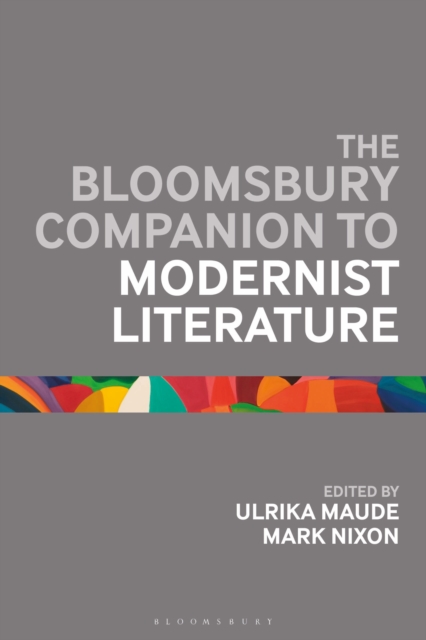
In this book, leading international scholars explore the major ideas and debates that have made the study of modernist literature one of the most vibrant areas of literary studies today.
An intriguing analysis of how place constructs memory and how memory constructs place, Remembering the Holocaust shows how visiting sites such as Auschwitz shapes the transfer of Holocaust memory from one generation to the next.
Why have so many prominent literary authors-from Philip Pullman and José Saramago to Michèle Roberts and Colm Tóibím-recently rewritten the canonical story of Jesus Christ?
In this book, leading international scholars explore the major ideas and debates that have made the study of modernist literature one of the most vibrant areas of literary studies today.
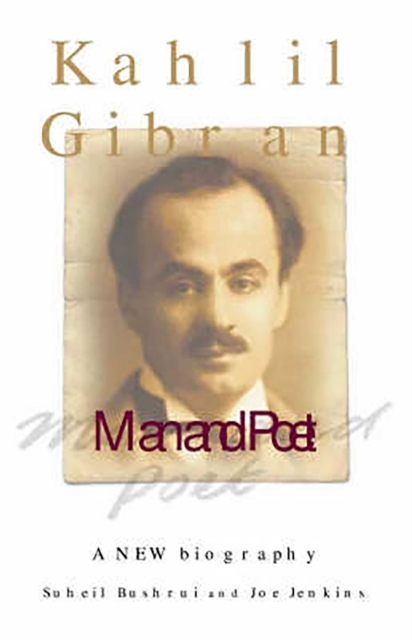
The definitive biography of one of the world's most popular writersBushrui and Jenkins have produces a biography that meticulously explores the complex intricacies of this philosopher-poet.
This is the first critical monograph to explore and delineate the emergent field of witness literature across fiction, nonfiction, memoir, journalism and survivor testimony from the Global South.
In this innovative series of public lectures at Newcastle University, leading contemporary poets speak about the craft and practice of poetry to audiences drawn from both the city and the university.
Writing Grandmothers, Africa Vs Latin America Vol 2 is a continuation of the cross-continental anthologies series, particularly focussing on African and Latin American writers.
Zimbolicious Anthology: An Anthology of Zimbabwean Literature and Arts, Vol 5 is the fifth in this yearly journal of Zimbabwean literature and the arts as it happens.
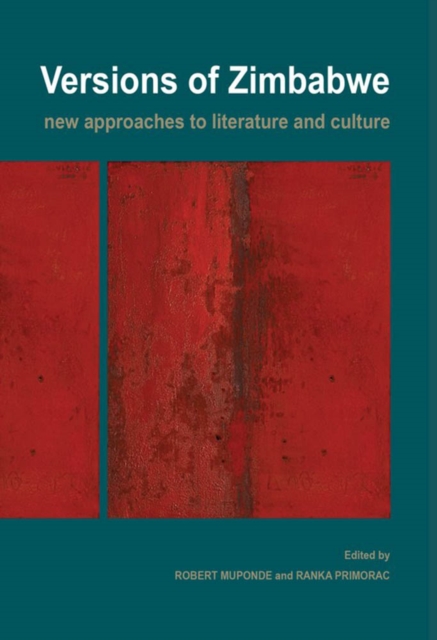
The book is the result of a collaboration of scholars from southern Africa and overseas, whose work emphasises hitherto overshadowed subjects of literature, exposing new and untried approaches to Zimbabwean writing.
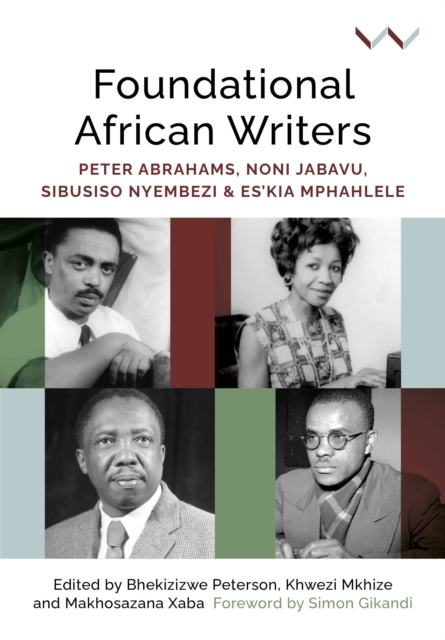
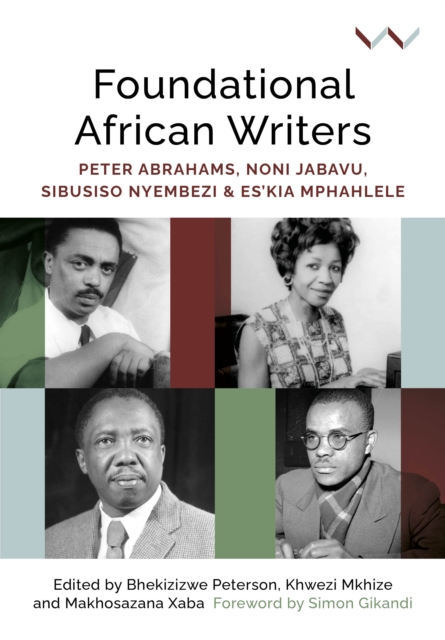
The essays in this collection were crafted in celebration of the centenaries, in 2019, of Peter Abrahams, Noni Jabavu, Sibusiso Cyril Lincoln Nyembezi and Es'kia Mphahlele, all of whom were born in 1919.
The essays in this collection were crafted in celebration of the centenaries, in 2019, of Peter Abrahams, Noni Jabavu, Sibusiso Cyril Lincoln Nyembezi and Es'kia Mphahlele, all of whom were born in 1919.
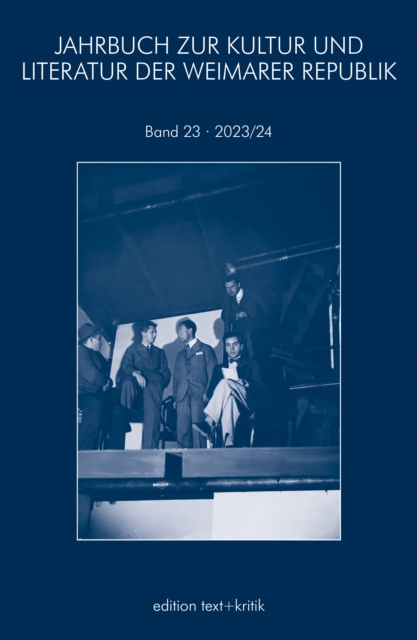
Das Jahrbuch bietet eine interdisziplinär ausgerichtete Plattform für einen offenen Diskurs und wendet sich an all jene, die an literatur-, kunst- und kulturwissenschaftlichen, aber auch historischen Fragestellungen zur Weimarer Republik interessiert sind.
Around the time this book is being written the world is faced with threats of terrorism, random shootings in various public places on a global scale, increased school violence especially in the United States, increased racial, ethnic, and religious tension worldwide as well as global forced displacement of people due to violence and human rights violations.
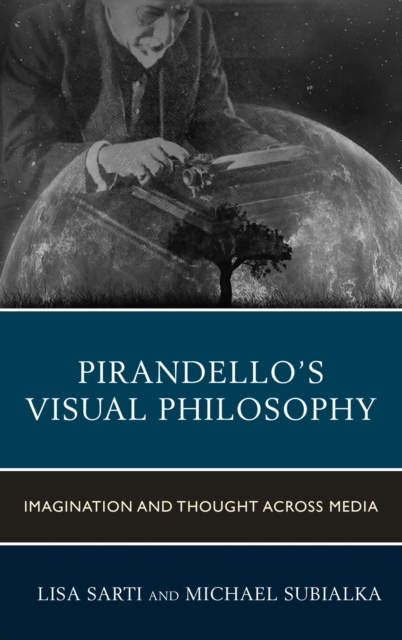
This collection draws on cutting-edge work that crosses traditional disciplinary boundaries to offer new perspectives on the importance of visuality and the imagination in the work of Luigi Pirandello, the great Italian modernist.
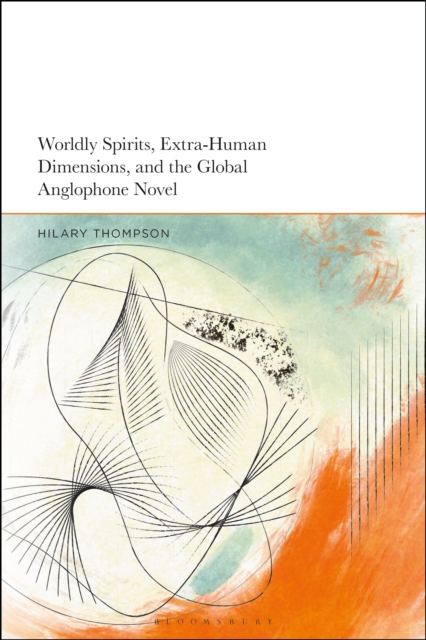
Engaging a diverse range of contemporary anglophone literature from authors of the Asian, Middle Eastern and Caribbean diasporas, this book explores how such works turn to spirit forces, spirit realms and spirit beings - were-animals, mystical birds, and snake goddesses - as positive forces that assert perceptual dimensions beyond those of the human, and present a vision of Earth as agentive and animate.
The most comprehensive collection of postcolonial writing theory and criticism, this third edition has been thoroughly revised and updated to include 125 extracts from key works in the field.
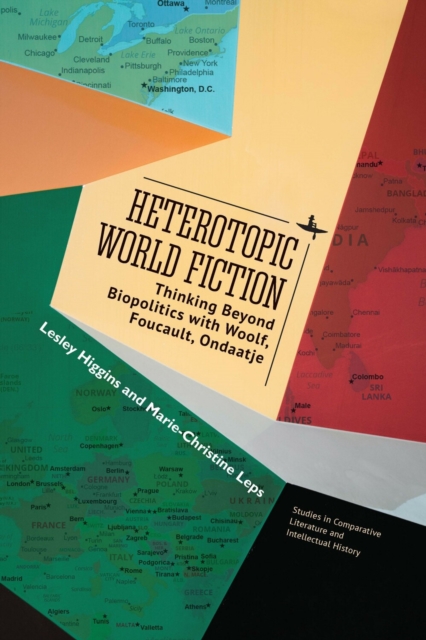
After more than a century of genocides and in the midst of a global pandemic, this book focuses on the critique of biopolitics (the government of life through individuals and the general population) and the counterdevelopment of biopoetics (an aesthetics of life elaborating a self as a practice of freedom) realized in texts by Virginia Woolf, Michel Foucault, and Michael Ondaatje.
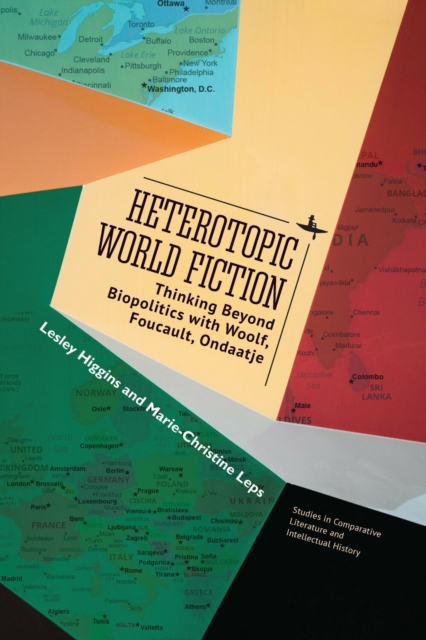
After more than a century of genocides and in the midst of a global pandemic, this book focuses on the critique of biopolitics (the government of life through individuals and the general population) and the counterdevelopment of biopoetics (an aesthetics of life elaborating a self as a practice of freedom) realized in texts by Virginia Woolf, Michel Foucault, and Michael Ondaatje.
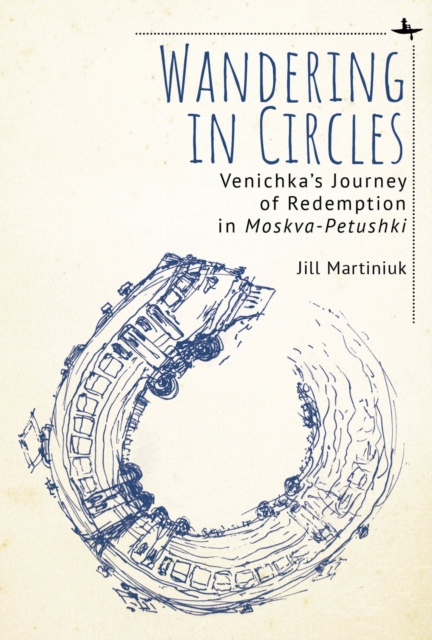
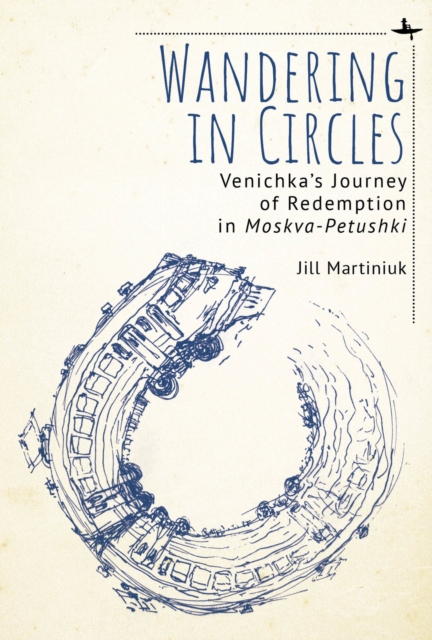
Wandering in Circles: Venichka's Journey of Redemption in "e;Moskva-Petushki"e; examines the definition of redemption in Venedikt Erofeev's Moskva-Petushki.
Wandering in Circles: Venichka's Journey of Redemption in "e;Moskva-Petushki"e; examines the definition of redemption in Venedikt Erofeev's Moskva-Petushki.