With this incisive work, Palmer Rampell reveals the surprising role genre fiction played in redefining the category of the private person in the postwar period.
During the colonial period in India, English historians portrayed the British conquest and domination of India as the realization of a historic destiny, absorbing the particular history of India into the overarching narrative of the Empire.
This comprehensive study of Beckett's art proposes a doubly contextualized reading of his later works: Carla Locatelli reads late Beckett through his previous writings, and relates them to the literary, philosophical, and critical community which surrounds him.
Silvio Gaggi's survey of the vast terrain of twentieth century arts and ideas is unique not only for its scope but also for the clarity and cohesiveness it brings to wide-ranging, seemingly disparate works.
Das Kleist-Jahrbuch 2024 enthält erstmals die Rubrik ›Kleist-Funde‹, in der fünf bislang unbekannte Briefe Heinrich von Kleists an Joseph von Buol-Berenberg aus den Jahren 1809 und 1810 als Faksimile und in Transkription ediert werden.
Longlisted for the Baillie Gifford Prize for Non-FictionLonglisted for the Orwell Prize for Political WritingThe Ministry of Truth charts the life of George Orwell's 1984, one of the most influential books of the twentieth century and a work that is ever more relevant in this tumultuous era of 'fake news' and 'alternative facts'.
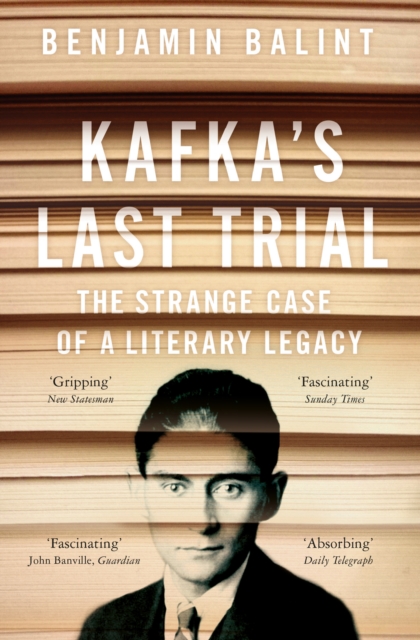
'A highly entertaining story of literary friendship, epic legal battles and cultural politics centred on one of the most enigmatic writers of the 20th century' Financial Times When Franz Kafka died in 1924, his friend Max Brod could not bring himself to fulfil the writer's last instruction: to burn his remaining manuscripts.
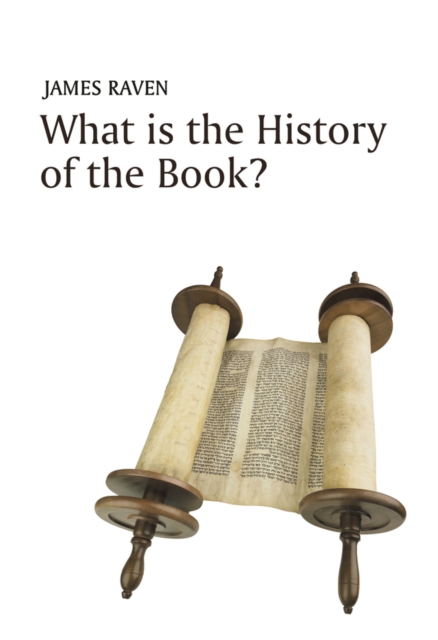
James Raven, a leading historian of the book, offers a fresh and accessible guide to the global study of the production, dissemination and reception of written and printed texts across all societies and in all ages.
Engaging a diverse range of contemporary anglophone literature from authors of the Asian, Middle Eastern and Caribbean diasporas, this book explores how such works turn to spirit forces, spirit realms and spirit beings - were-animals, mystical birds, and snake goddesses - as positive forces that assert perceptual dimensions beyond those of the human, and present a vision of Earth as agentive and animate.
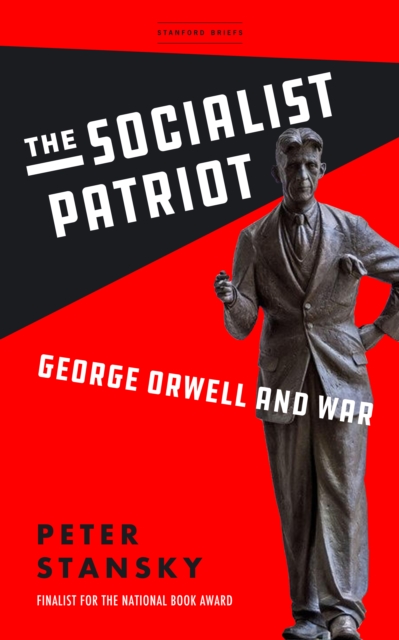
An incisive demonstration of how Orwell's body of work was defined by the four major conflicts that punctuated his life: World War I, the Spanish Civil War, World War II, and the Cold War.
This collection of essays and reviews from the Book-of-the-Month Club offers a unique literary history of American readership in the twentieth century.
An incisive demonstration of how Orwell's body of work was defined by the four major conflicts that punctuated his life: World War I, the Spanish Civil War, World War II, and the Cold War.
With Reading the Obscene, Jordan Carroll reveals new insights about the editors who fought the most famous anti-censorship battles of the twentieth century.
In Mourning Modernity, Seth Moglen argues that American literary modernism is, at its heart, an effort to mourn for the injuries inflicted by modern capitalism.
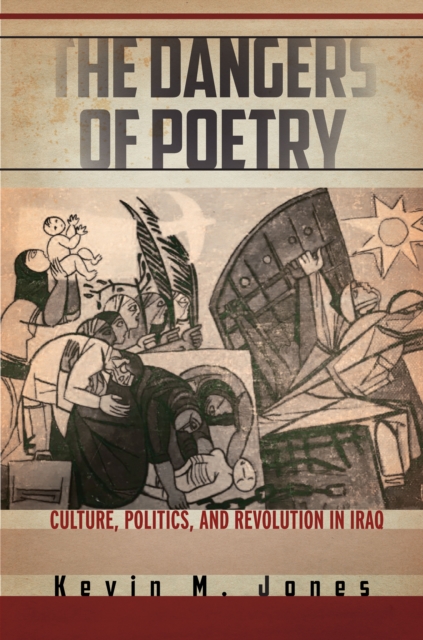
Poetry has long dominated the cultural landscape of modern Iraq, simultaneously representing the literary pinnacle of high culture and giving voice to the popular discourses of mass culture.
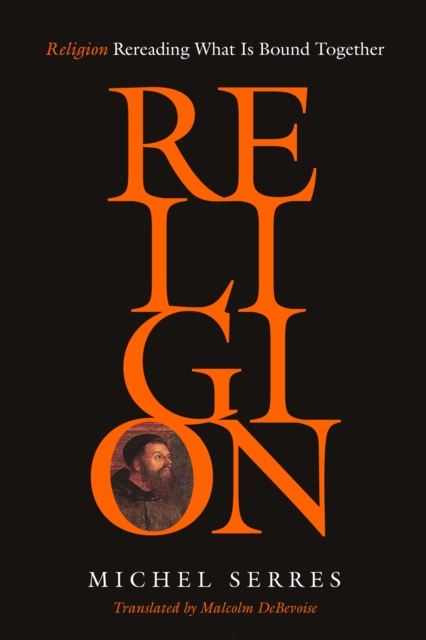
With this profound final work, completed in the days leading up to his death, Michel Serres presents a vivid picture of his thinking about religion-a constant preoccupation since childhood-thereby completing Le Grand Recit, the comprehensive explanation of the world and of humanity to which he devoted the last twenty years of his life.
With this incisive work, Palmer Rampell reveals the surprising role genre fiction played in redefining the category of the private person in the postwar period.
Los Angeles is a city of borders and lines, from the freeways that transect its neighborhoods to streets like Pico Boulevard that slash across the city from the ocean to the heart of downtown, creating both ethnic enclaves and pathways for interracial connection.
Frantz Fanon may be most known for his more obviously political writings, but in the first instance, he was a clinician, a black Caribbean psychiatrist who had the improbable task of treating disturbed and traumatized North African patients during the wars of decolonization.
A novel account of the relationship between postindustrial capitalism and postmodern culture, this book looks at American poetry and art of the last fifty years in light of the massive changes in people's working lives.
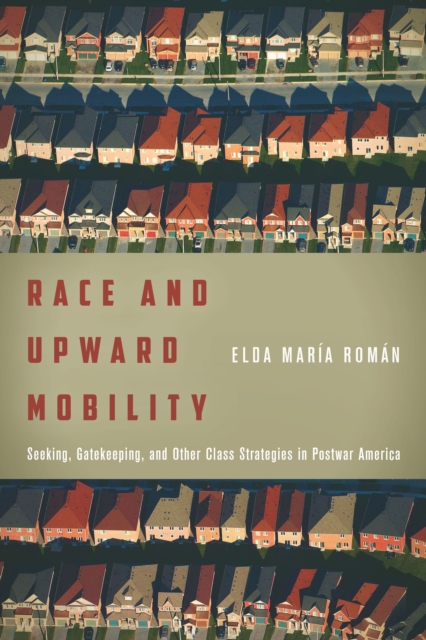
Over the course of the twentieth and twenty-first centuries, Mexican American and African American cultural productions have seen a proliferation of upward mobility narratives: plotlines that describe desires for financial solvency, middle-class status, and social incorporation.
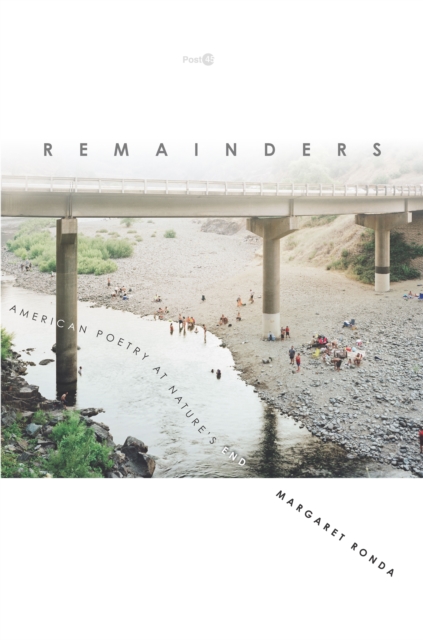
A literary history of the Great Acceleration, Remainders examines an archive of postwar American poetry that reflects on new dimensions of ecological crisis.
Figures of Chance I: Chance in Literature and the Arts (16th21st Centuries) proposes a transhistorical analysis that will serve as a reference work on the evolution of literary and artistic representations of chance and contingency.
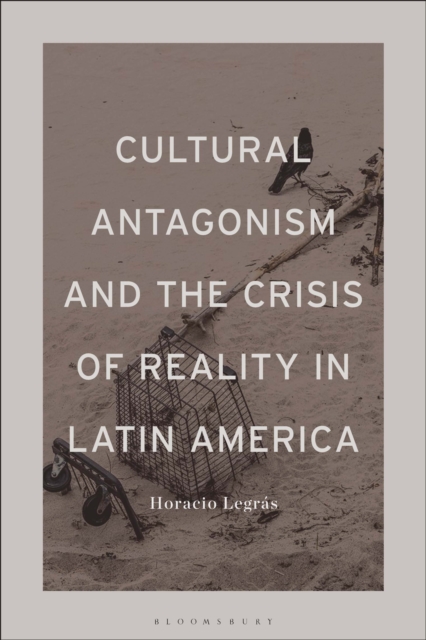
For most of the 20th century, Latin American literature and art have contested political and cultural projects of homogenization of a manifestly diverse continent.
For most of the 20th century, Latin American literature and art have contested political and cultural projects of homogenization of a manifestly diverse continent.
In this first ever monograph on Jacques Derrida's 'Toledo confession' - where he portrayed himself as 'sort of a Marrano of the French Catholic culture' - Agata Bielik-Robson shows Derrida's marranismo to be a literary experiment of auto-fiction.
Authors and the World traces how four core 'modes of authorship' have developed and inflect one another in modern Germany through a series of twenty different case studies, including the work of Thomas Mann, Gunter Grass, Anna Seghers, Walter Hollerer, Felicitas Hoppe and Katja Petrowskaja, and original interview material with contemporary writers Ulrike Draesner, Olga Martynova and Ulrike Almut Sandig.