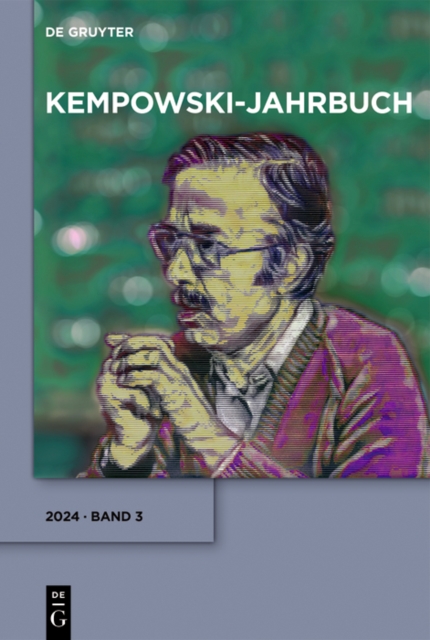
Das Kempowski-Jahrbuch versammelt nicht nur aktuelle Forschungsbeiträge zu jeweils einem bestimmten Thema, sondern informiert auch über aktuelle Publikationen über Kempowski, von denen einige ausgewählte auch ausführlich besprochen werden sollen.
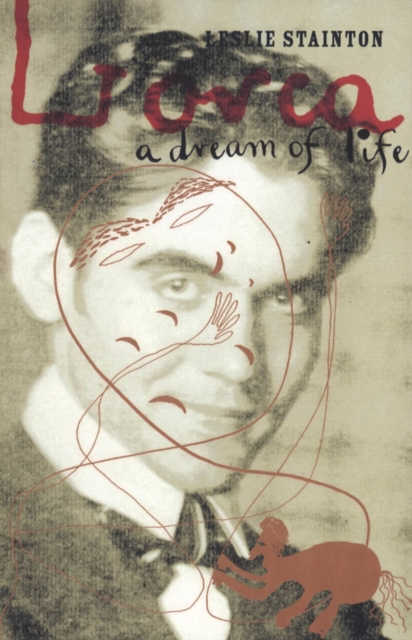
With a rare blend of grace, warmth, and scholarship, Leslie Stainton raises the stakes of our appreciation for the greatest of Spain's modern poets, Federico Garca Lorca.
First published in 1978 Fa ades details the lives of three of the twentieth century's most intriguing literary figures: Edith, Osbert and Sacheverell Sitwell.
From the author of All the Money in the World, now a major motion picture directed by Ridley Scott, comes an account of a phenomenon and a legend in her lifetime, Barbara Cartland.
First published in 1946, following on from Portrait of Elmbury, the second in the series shows an England which now seems almost foreign in its remoteness.
The definitive single-volume edition of the work of the greatest poet of the First World War2018 marks the centenary of the end of the First World War.
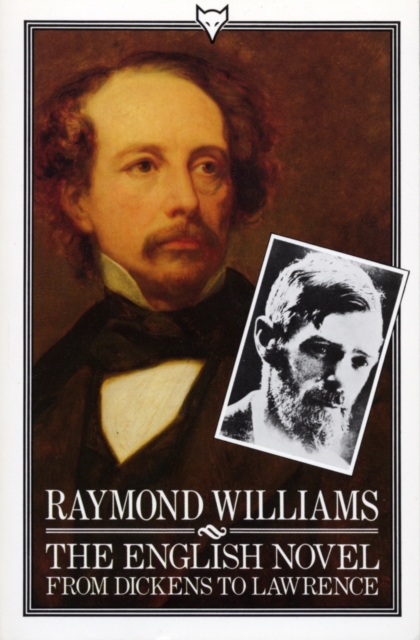
Raymond Williams begins his brilliantly perceptive study of the English novel in the 1840s, a period of rapid social change brought on by the Industrial Revolution, the struggle for democratic reform, and the growth of cities and towns.
Mary Wesley published her first novel at seventy and went on to write a further nine bestsellers, including the legendary The Camomile Lawn, in a style best described as arsenic without the old lace.
Although Isaiah Berlin liked to say that he left philosophy for the history of ideas after the Second World War, there is a decided continuity between his more purely philosophical writings, most of which are collected in this volume, and the more historical work for which he is better known.
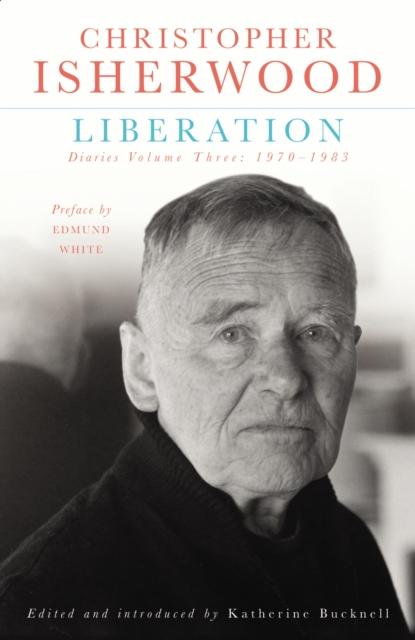
In this final volume of Christopher Isherwood's diaries, capstone of a million-word masterwork, he greets advancing age with poignant humour and an unquenchable appetite for the new.
The Woman in Black, Strange Meeting, I'm the King of the Castle, A Little Bit of Singing and DancingIn Vintage Living Texts, teachers and students will find the essential guide to the works of Susan Hill.
The French Lieutenant's Woman, The Magus, A MaggotIn Vintage Living Texts, teachers and students will find the essential guide to the works of John Fowles.
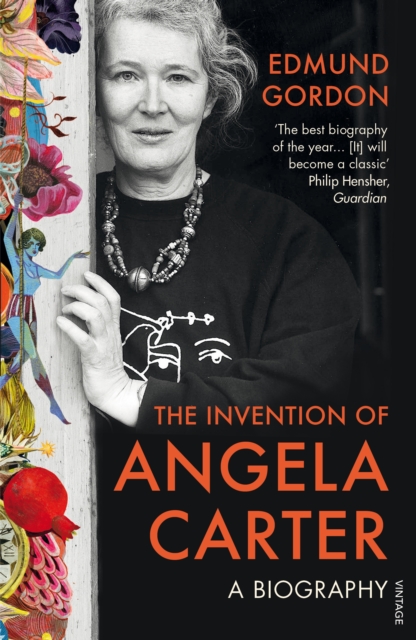
WINNER OF THE SOMERSET MAUGHAM AWARD NBCC AWARD FINALIST WINNER OF THE 2017 SLIGHTLY FOXED BEST FIRST BIOGRAPHY PRIZE Selected as a Book of the Year 2016 in The Sunday Times, Daily Telegraph, Guardian, Financial Times, Spectator and ObserverAngela Carter s life was as unconventional as anything in her fiction.
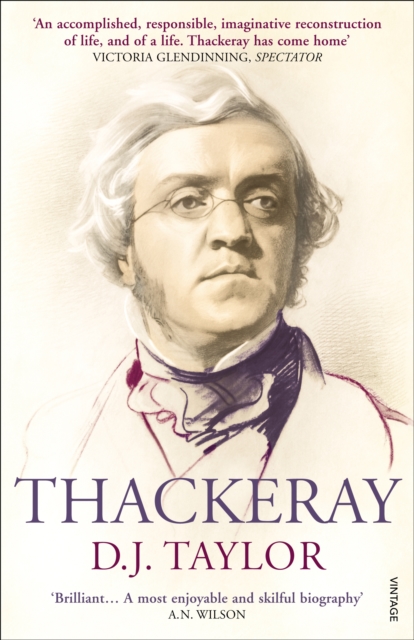
Vanity Fair, published in serial parts in 1847-8, made William Makepeace Thackeray famous 'all but at the top of the tree', he told his mother, 'and having a great fight up there with Dickens'.
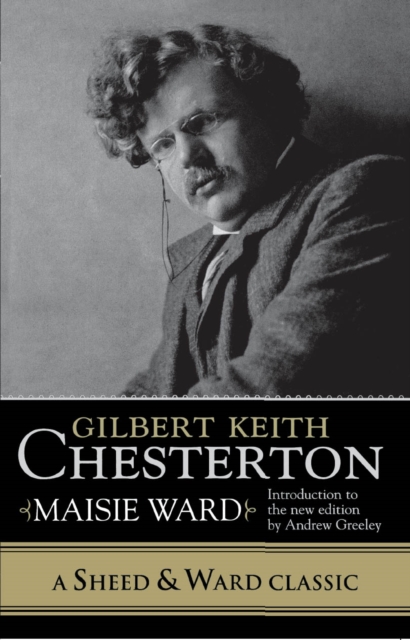
Maisie Ward's biography of Gilbert Keith Chesterton has long been a cornerstone in Chesterton studies, as well as in the publishing house she and her husband, Frank Sheed, founded in 1926.
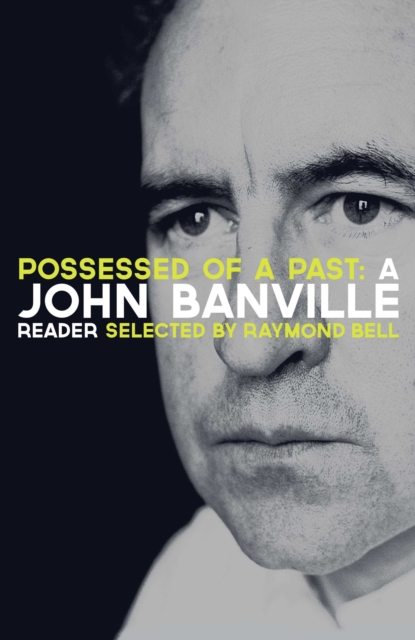
The material collected here is a treasure trove, a fine retrospective and a comprehensive guide to the work of Ireland's greatest living novelist, John Banville.
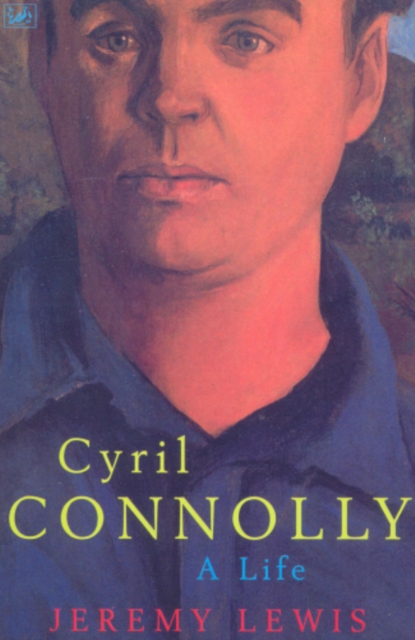
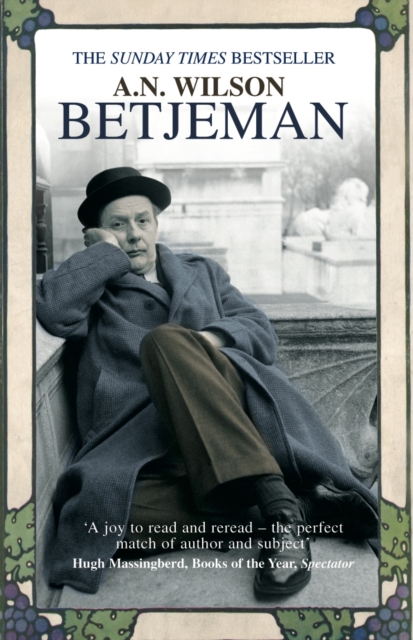
`In one of tje funniest biographies I have ever read, Lewis assembles all the excellently entertaining anecdotes about this deeply loved, much mocked, sometimes reviled figure whose departure has robbed the litarary world of its social smartness and any worthwhile eccentricity .
WITH A NEW INTRODUCTION BY JAMES FENTONSubtitled 'An education in the twenties', this work blends autobiography and fiction to describe the inner life of a writer evolving from precocious public school boy to Cambridge drop-out at large in London s Bohemia.
The poems in this, Alan Jenkin's third collection, speak of the harm done and suffered - most frequently in the name of love - in the course of lives gone adrift among lost causes, chance meetings and missed chances.
Whatever the celebration, whatever the day, whatever the occasion, Helen Steiner Rice possessed the ability to express the appropriate feeling for that particular moment in time.
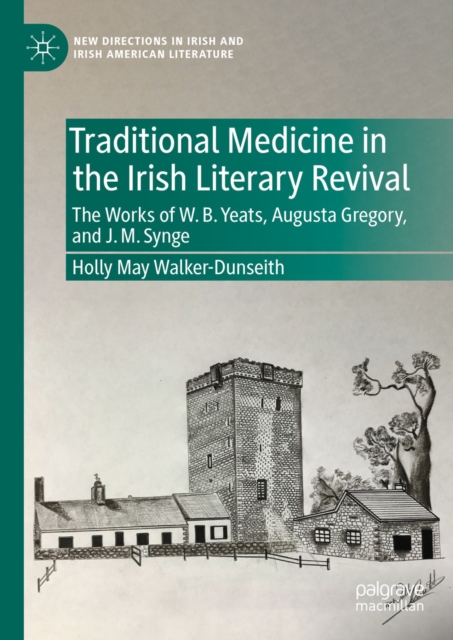
This book explores representations of traditional medicine and healing practices in Irish Revival-era literature spanning from the late nineteenth century to the early twentieth century.
'Tired of walking in the dream I have returned to the country where I was born half a century ago' - The Higgins family is now dispersed; the third son of four brothers is himself the father of three sons in a family also dispersed, and our author 'looking for the quietness that Julian Sorel found in prison.
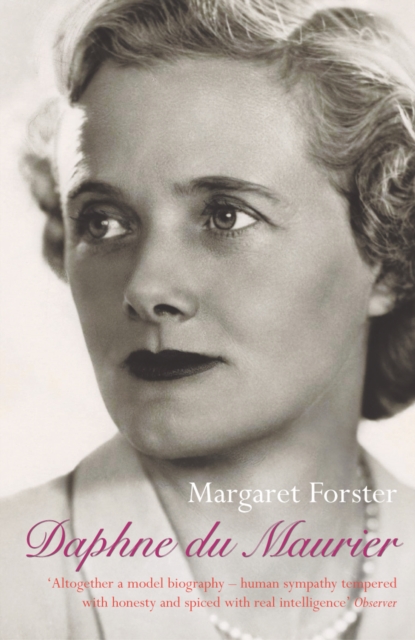
The definitive biography of Daphne Du Maurier, one of history's greatest psychological thriller novelistsRebecca, published in 1938, brought its author instant international acclaim, capturing the popular imagination with its haunting atmosphere of suspense and mystery.
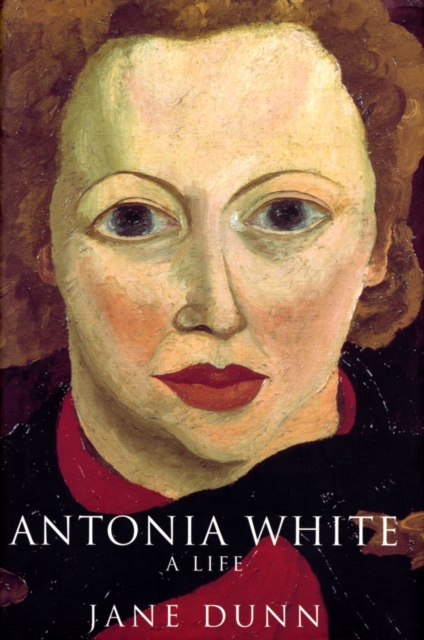
Antonia White is best known for her masterpiece Frost in May, for having come back from Bedlam and madness, and for the public feud between her daughters over the editing of her diaries.
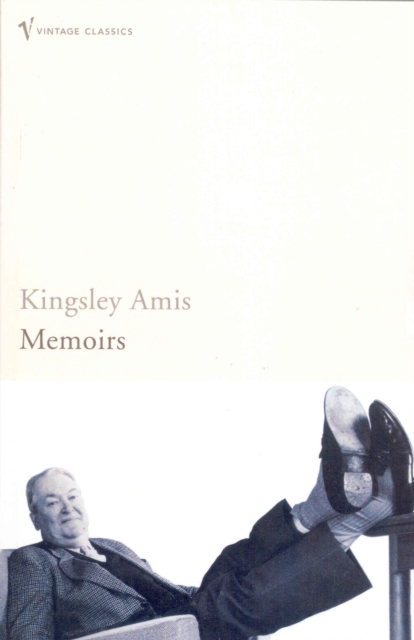
Elegant, provocative and hugely entertaining, Kingsley Amis's memoirs are filled with anecdotes, experiences and portraits of famous friends, family, acquaintances (and a few eminent foes).