In this book, Susan Mandala offers a series of in-depth investigations into how the dialogue of four modern plays 'works' with respect to the pragmatic and discoursal norms postulated for ordinary conversation.
In this book, Susan Mandala offers a series of in-depth investigations into how the dialogue of four modern plays 'works' with respect to the pragmatic and discoursal norms postulated for ordinary conversation.
Presenting a critical history of the philosophy of science in the twentieth century, focusing on the transition from logical positivism in its first half to the "e;new philosophy of science"e; in its second, Stefano Gattei examines the influence of several key figures, but the main focus of the book are Thomas Kuhn and Karl Popper.
Presenting a critical history of the philosophy of science in the twentieth century, focusing on the transition from logical positivism in its first half to the "e;new philosophy of science"e; in its second, Stefano Gattei examines the influence of several key figures, but the main focus of the book are Thomas Kuhn and Karl Popper.
The chapters in this book elucidate the nature of semi-fixed formulaic sequences; how the meaning of formulaic expressions can change over time; how readers interpret formulaic expressions in first and second languages; how modern and postmodern authors use traditional genres and tales to challenging effect; and how formulaic patterns involving particular words can underlie the texture and meanings of entire novels.
The chapters in this book elucidate the nature of semi-fixed formulaic sequences; how the meaning of formulaic expressions can change over time; how readers interpret formulaic expressions in first and second languages; how modern and postmodern authors use traditional genres and tales to challenging effect; and how formulaic patterns involving particular words can underlie the texture and meanings of entire novels.
Taking a fresh look at the state of autobiography as a genre, The Phenomenology of Autobiography: Making it Real takes a deep dive into the experience of the reader.
Taking a fresh look at the state of autobiography as a genre, The Phenomenology of Autobiography: Making it Real takes a deep dive into the experience of the reader.
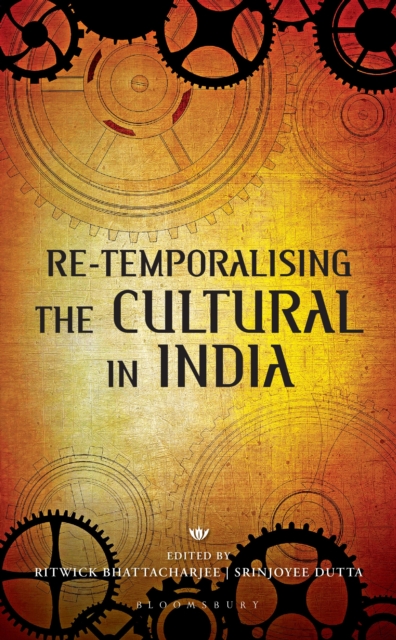
The book looks at the different ways the temporal features in the existential exigencies of the human located within the definitive boundaries of Indianness.
Offering the first systematic overview of modern and contemporary Chinese literature from a translation studies perspective, this handbook provides students, researchers and teachers with a context in which to read and appreciate the effects of linguistic and cultural transfer in Chinese literary works.
An examination of Spanglish, Portunol, and Judeo-Spanish literatures that builds on sociolinguistic understandings of the intersections of language, nation, and identity to develop the theoretical frameworks of "e;linguistic labor"e; and "e;literary doulas.
One of the most influential philosophers of the twentieth century, Ludwig Wittgenstein, and the roots of his monumental Tractatus are explored in this imaginative work.
One of the most influential philosophers of the twentieth century, Ludwig Wittgenstein, and the roots of his monumental Tractatus are explored in this imaginative work.
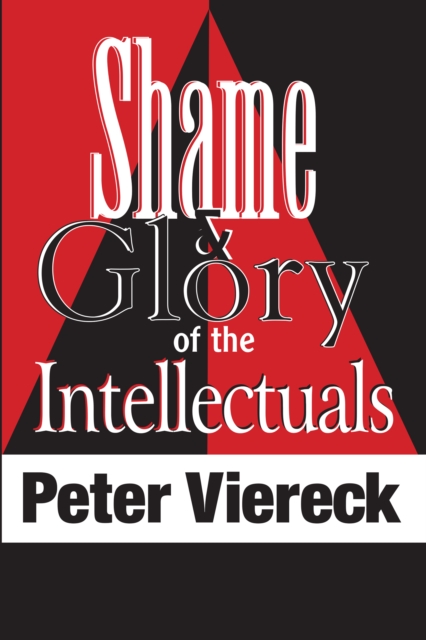
In this classic volume, written at the height of the Cold War, with a new preface of 2006, Peter Viereck, one of the foremost intellectual spokesmen of modern conservatism, examines the differing responses of American and European intellectuals to the twin threats of Nazism and Soviet communism.
In this classic volume, written at the height of the Cold War, with a new preface of 2006, Peter Viereck, one of the foremost intellectual spokesmen of modern conservatism, examines the differing responses of American and European intellectuals to the twin threats of Nazism and Soviet communism.
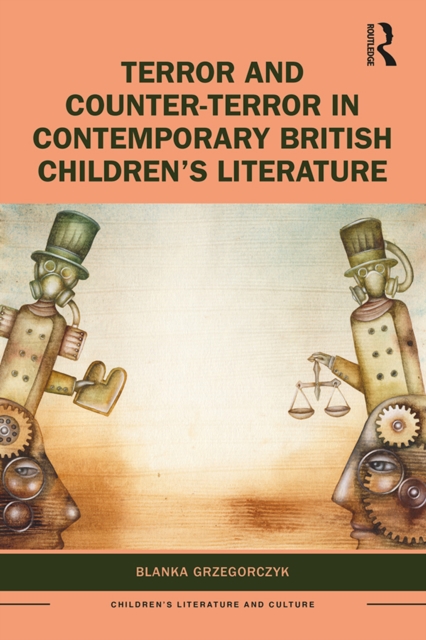
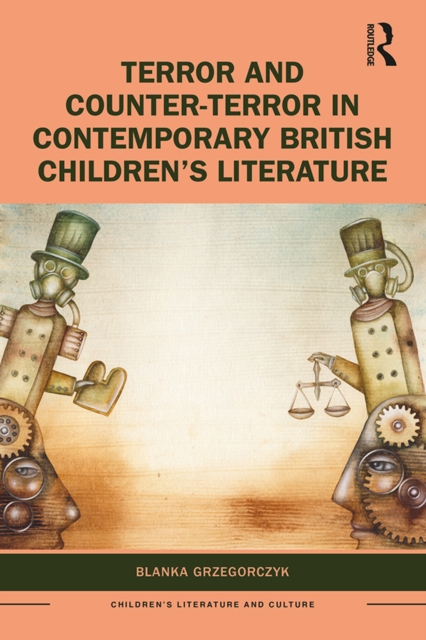
The widespread threat of terrorist and counter-terrorist violence in the twenty-first century has created a globalized context for social interactions, transforming the ways in which young people relate to the world around them and to one another.
The widespread threat of terrorist and counter-terrorist violence in the twenty-first century has created a globalized context for social interactions, transforming the ways in which young people relate to the world around them and to one another.