This book presents the first comparative study of the works of Charlotte Delbo, Noor Inayat Khan, and Germaine Tillion in relation to their vigorous struggles against Nazi aggression during World War II and the Holocaust.
The Palgrave Handbook of Holocaust Literature and Culture reflects current approaches to Holocaust literature that open up future thinking on Holocaust representation.
This book explores the representation of fatherhood in contemporary North American autobiographical comics that depict paternal conduct from the post-war period up to the present.
This timely volume explores the signal contribution George Saunders has made to the development of the short story form in books ranging from CivilWarLand in Bad Decline (1996) to Tenth of December (2013).
Sleep and the Novel is a study of representations of the sleeping body in fiction from 1800 to the present day which traces the ways in which novelists have engaged with this universal, indispensable -- but seemingly nondescript -- region of human experience.
This volume presents key contributions to the study of ecocriticism in Nordic children's and YA literary and cultural texts, in dialogue with international classics.
This book brings the insights of social geographers and cultural historians into a critical dialogue with literary narratives of urban culture and theories of literary cultural production.
This volume addresses the construction and artistic representation of traumatic memories in the contemporary Western world from a variety of inter- and trans-disciplinarity critical approaches and perspectives, ranging from the cultural, political, historical, and ideological to the ethical and aesthetic, and distinguishing between individual, collective, and cultural traumas.
This volume investigates the ways in which Italian women writers, filmmakers, and performers have represented female identity across genres from the immediate post-World War II period to the turn of the twenty-first century.
The essays in this volume broaden previous approaches to Atlantic literature and culture by comparatively studying the politics and textualities of Southern Europe, North America, and Latin America across languages, cultures, and periods.
This book provides a philosophical overview of Umberto Eco's historical and cultural development as a unique, internationally recognized public intellectual who communicates his ideas to both an academic and a popular audience.
Late Capitalist Freud in Literary, Cultural, and Political Theory proposes that late Freudian theory has had an historical influence on the configuration of contemporary life and is central to the construction of twenty-first-century capitalism.
This book takes a fresh look at Tolkien's literary artistry from the points of view of both linguistics and literary history, with the aim of shedding light on the literary techniques used in The Lord of the Rings.
Samuel Beckett's work is littered with ironic self-reflexive comments on presumed audience expectations that it should ultimately make explicable sense.
Drawing on a Marxist concept of world literature, this book is a study of the manipulations of time in contemporary anglophone fiction from Africa and South Asia.
This book discusses the elusive centrality of silence in modern literature and philosophy, focusing on the writing and theory of Jean-Luc Nancy and Roland Barthes, the prose of Samuel Beckett, and the poetry of Wallace Stevens.
This book is about the role of food in the works of Joseph Conrad, analysing the social, political and anthropological context of references to meals, eating, food production and cannibalism.
Contemporary American Literature and Excremental Culture: American Sh*t analyzes post-1960 scatological novels that utilize representations of human waste to address pressing issues, including pollution of waterways, environmental racism, and militarism.
This book offers a comprehensive account of James Joyce and Zurich, one of the four cities (including Dublin, Trieste and Paris) in which he spent significant parts of his life.
This book examines the distinction between literary expatriation and exile through a 'contrapuntal reading' of modern Palestinian and American writing.
This book explores the narratives of girlhood in contemporary YA vampire fiction, bringing into the spotlight the genre's radical, ambivalent, and contradictory visions of young femininity.
This Pivot investigates the impact of the digital on literary culture through the analysis of selected marketing narratives, social media stories, and reading communities.
This book examines Toni Morrison's fiction as a sustained effort to challenge the dominant narratives produced in the white supremacist political imaginary and conceptualize a more inclusive political imaginary in which black bodies are valued.
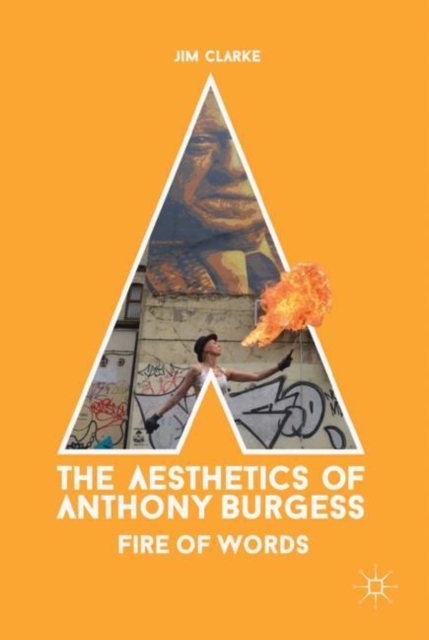
The book is the first full-length text on Anthony Burgess's fiction in a generation, and offers a radical and innovative way of understanding the extensive literary achievements of one of the twentieth century's most innovative authors.
This book examines how the transcultural and transnational migration of people, texts, and ideas has transformed the paradigm of national literature, with Britain and Ireland as case studies.
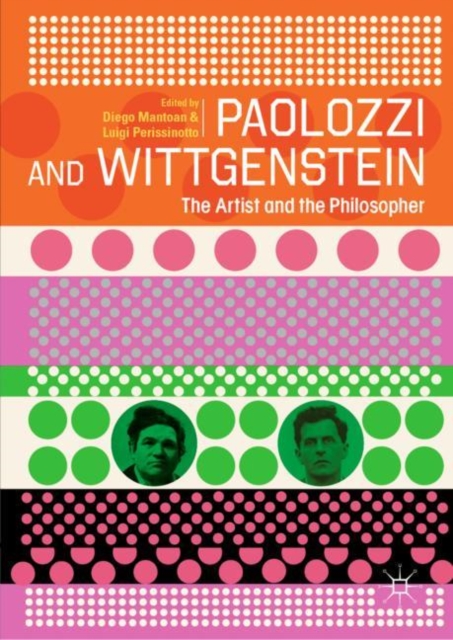
This impressive edited collection investigates the relationship between British Pop Art pioneer Eduardo Paolozzi and the philosopher Ludwig Wittgenstein.
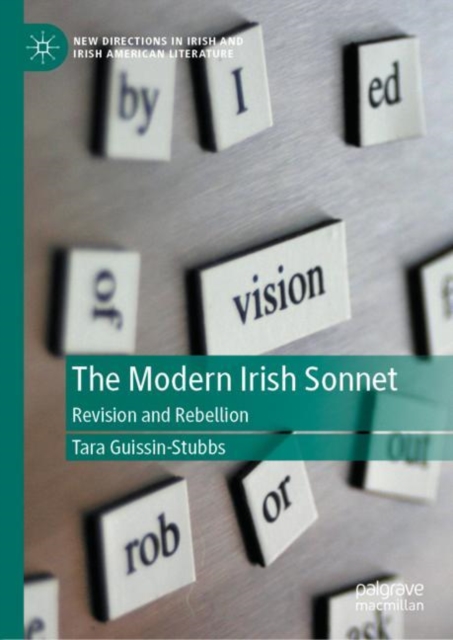
The Modern Irish Sonnet: Revision and Rebellion discusses how and why the sonnet appeals to Irish poets and has grown in popularity over the last century.
This book is about one person's reading and what has been learnt about how the lives of other people, particularly authors, have been written in British literary biographies over the last fifty years.
This book is a study of gender and place in twentieth-century Chicana/o literature and culture, covering the early period of regional writing to contemporary art.
Ian McEwan, Margaret Drabble, Martin Amis, Rita Dove, Andrew Motion and Anthony Thwaite are among the twenty-two distinguished contributors of original essays to this landmark volume on the profound and frequently perplexing bond between writer and mother.
According to the customary literary-historical and theoretical notion, the fact that the first modern novel represents a parody or travesty of the chivalric ideal merits no particular attention.