The first book-length literary analysis of the WPA's Federal Writers' Project (FWP)-a massive New Deal program that put thousands to work documenting the country during the Depression.
Questioning Ayn Rand: Subjectivity, Political Economy, and the Arts offers a sustained academic critique of Ayn Rand's works and her wider Objectivist philosophy.
This book argues that there are recurrent spatiotemporal patterns and structures in six Jane Austen novels which constitute a source of enduring, if unconscious, pleasure.
This book argues that increasingly transnational reading contexts of the twenty-first century place new pressures on fundamental questions about how we read literary fiction.
This collection of essays focuses on the representations of a variety of "e;bad girls"e;-women who challenge, refuse, or transgress the patriarchal limits intended to circumscribe them-in television, popular fiction, and mainstream film from the mid-twentieth century to the present.
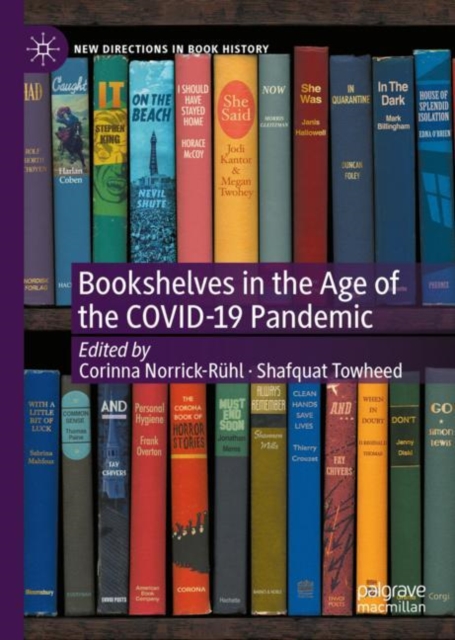
Bookshelves in the Age of the COVID-19 Pandemic provides the first detailed scholarly investigation of the cultural phenomenon of bookshelves (and the social practices around them) since the start of the pandemic in March 2020.
This book presents a cognitive stylistic analysis of the writing of Siegfried Sassoon, a First World War poet who has typically been perceived as a poet of protest and irony, but whose work is in fact multi-faceted and complex in theme and shifted in style considerably throughout his lifetime.
Limits and Languages in Contemporary Irish Women's Poetry examines the transactions between the two main languages of Irish literature, English and Irish, and their formative role in contemporary poetry by Irish women.
Modern Marriage and the Lyric Sequence investigates the ways in which some of our best poets writing in English have used poetic sequences to capture the lived experience of marriage.
This book questions why so many mothers leave their families in twenty-first-century Swedish literature, analyzing literary representations of maternal abandonment in relation to sociopolitical discourses.
Agatha Christie and the Guilty Pleasure of Poison examines Christie's female poisoners in the context of Christie's own experience in pharmacy and of detective fiction.
This book rethinks the concept of community taking Jean-Luc Nancy's influential essay "e;La communaute desoeuvree"e; as its starting point, tracing subsequent scholarship on community and adding new insights on avant-garde aesthetics and politics.
This edited collection explores the conjunction of multiculturalism and the self in literature and culture studies, and brings together essays by prominent researchers interested in literature and culture whose critical perspectives inform discussions of specific examples of multicultural contexts in which individuals and communities strive to maintain their identities.
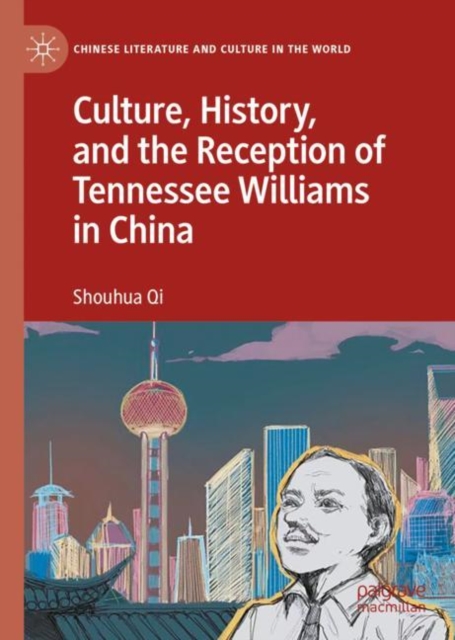
This book is the first comprehensive study of the reception of Tennessee Williams in China, from rejection and/or misgivings to cautious curiosity and to full-throated acceptance, in the context of profound changes in China's socioeconomic and cultural life and mores since the end of the Cultural Revolution.
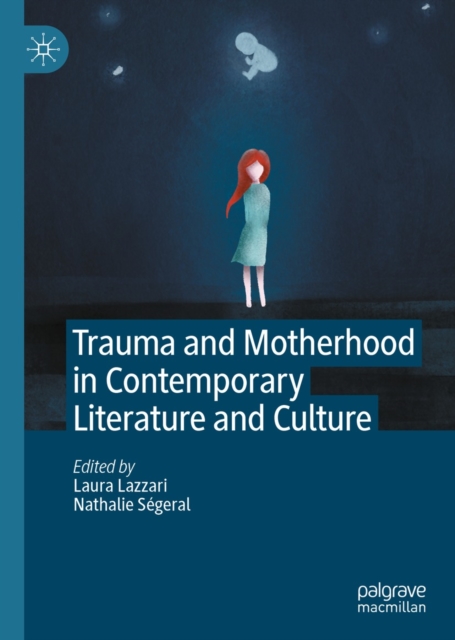
Trauma and Motherhood in Contemporary Literature and Culture repositions motherhood studies through the lens of trauma theory by exploring new challenges surrounding conception, pregnancy, and postpartum experiences.
One of the leading figures in Latin American folk music and art during her lifetime, Violeta Parra was a vital force in the artistic, musical, visual, cultural, and social cultural production of the Chilean 1960s.
This book offers insight into the ways students enrolled in European classrooms in higher education come to understand American experience through its literary fiction, which for decades has been a key component of English department offerings and American Studies curricula across the continent and in Great Britain and Ireland.
Fantasy author Neil Gaiman's 1996 novel Neverwhere is not just a marvelous self-contained novel, but a terrifically useful text for introducing students to fantasy as a genre and issues of adaptation.
This volume examines innovative intersections of life-writing and experimental fiction in the 20th and 21st centuries, bringing together scholars and practicing biographers from several disciplines (Modern Languages, English and Comparative Literature, Creative Writing).
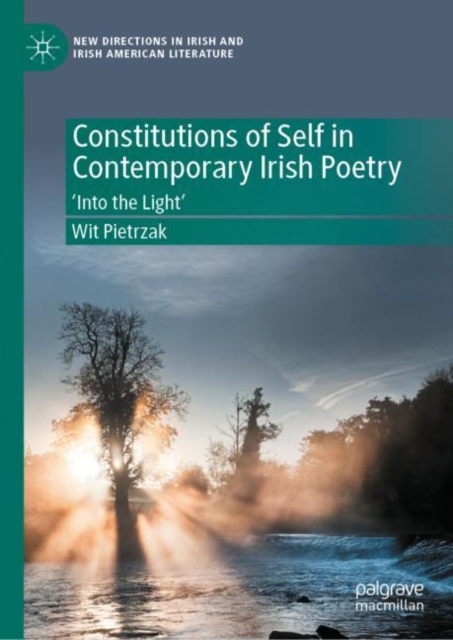
Constitutions of Self in Contemporary Irish Poetry explores the figure of the lyrical self in the work of six contemporary Irish poets: Paul Muldoon, Vona Groarke, Sinead Morrissey, Caitriona O'Reilly, Alan Gillis and Nick Laird.
Performativity of Villainy and Evil in Anglophone Literature and Media studies the performative nature of evil characters, acts and emotions across intersecting genres, disciplines and historical eras.
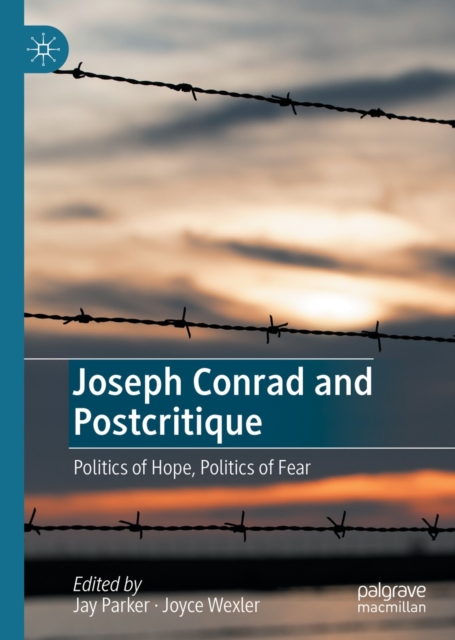
This book takes a postcritical perspective on Joseph Conrad's central texts, including Heart of Darkness, The Secret Agent, Under Western Eyes, and Lord Jim.
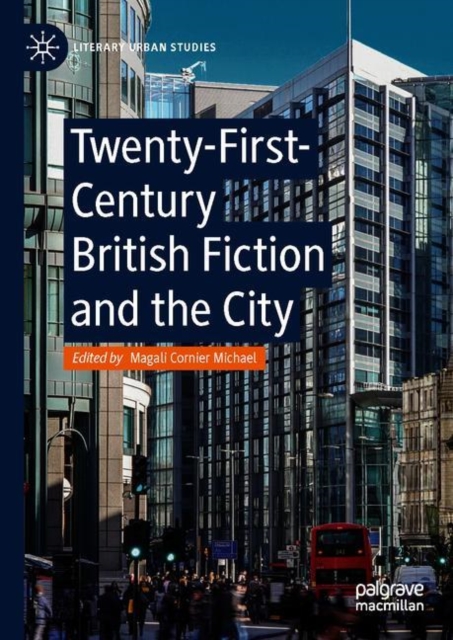
The essays in this edited collection offer incisive and nuanced analyses of and insights into the state of British cities and urban environments in the twenty-first century.
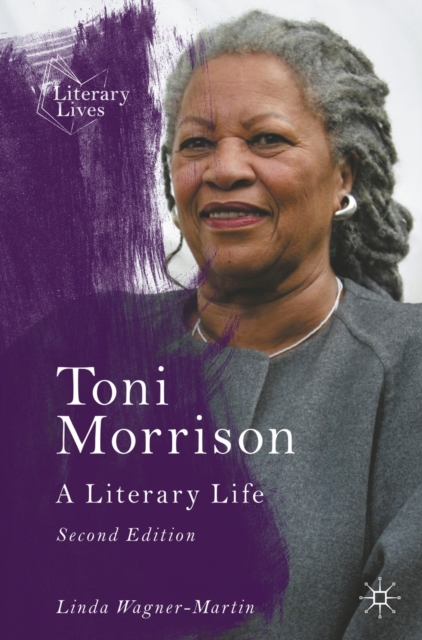
A reading of the oeuvre of Toni Morrison-fiction, non-fiction, and other-drawing extensively from her many interviews as well as her primary texts, Toni Morrison: A Literary Life, second edition provides an overview of Morrison's intellectual growth as an artist.
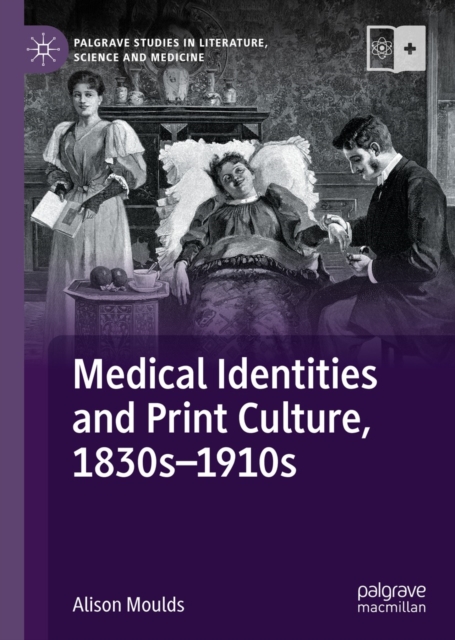
This book examines how the medical profession engaged with print and literary culture to shape its identities between the 1830s and 1910s in Britain and its empire.
Burial Plots in British Detective Fiction offers an overview of the ways in which the past is brought back to the surface and influences the present in British detective fiction written between 1920 and 2020.
The Stuttering Son: A Literary Study of Boys and Their Fathers examines stuttering, a condition which overwhelmingly affects boys, in terms of the complex relationships a number of male authors have had with their fathers.