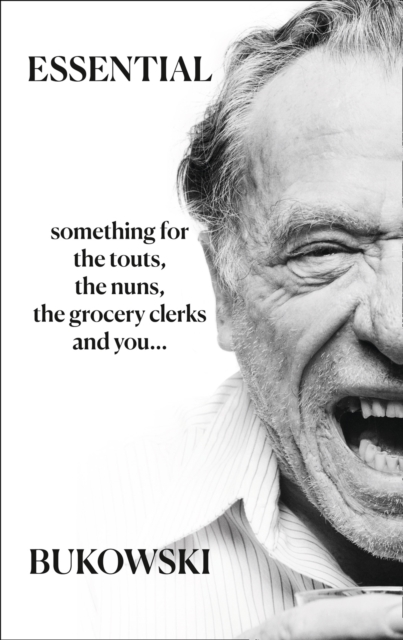
'The best poet in America' Jean Genet'He brought everybody down to earth, even the angels' Leonard CohenThe definitive collection from a writer whose transgressive legacy and raw, funny, acutely observant writing has left an enduring markHere is Bukowski eating walnuts and scratching his back, rolling a cigarette while listening to Brahms, showering with Linda in the mid-afternoon.
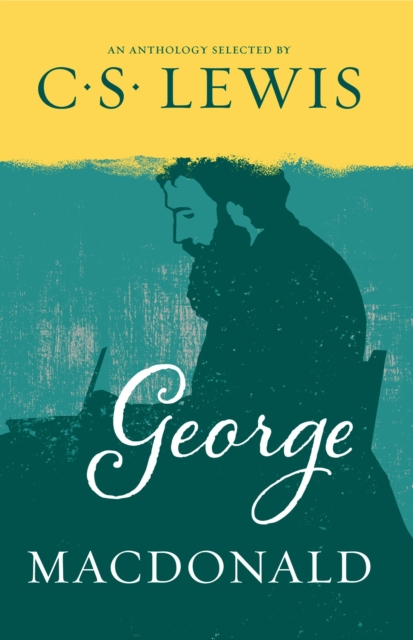
An 365-day anthology of readings from one of the most influential writers of all time, George MacDonald, compiled by CS Lewis himselfMacDonald was a major Christian writer of the late nineteenth, early twentieth centuries.
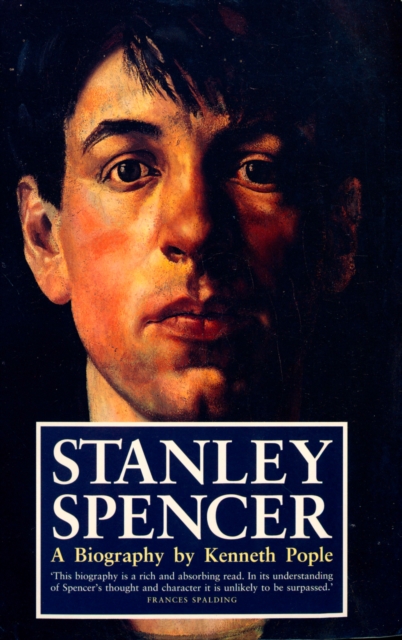
Stanley Spencer (1891 - 1959) has recently been recognised by a wide general public, as well as by art historians, as probably the greatest English painter of the twentieth century.
The compelling love story of two extraordinary individuals - Nancy Mitford and Free French commander Gaston Palewski - living in extraordinary times - immortalised in THE PURSUIT OF LOVE'A delicious mix of drama, melancholy and enchantment' DAILY EXPRESS'Entertainingly caustic' SUNDAY TIMES'Bringing to life the worlds of Nancy Mitford's novels' INDEPENDENT'Oh, the horror of love!
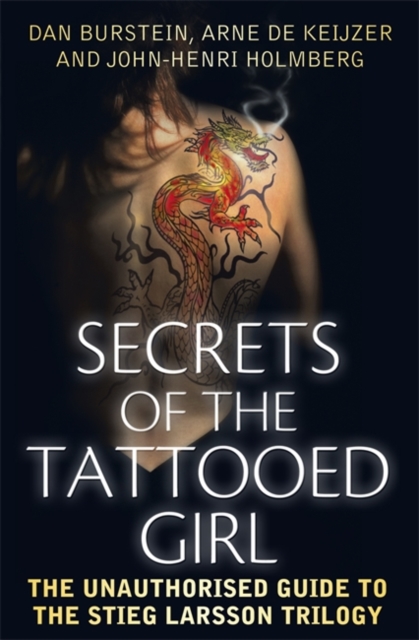
A fascinating companion to Stieg Larsson's bestselling MILLENNIUM series, revealing the secrets behind the phenomenon that has taken the world by storm.
An inspirational and insightful guide for women who want to get it all by doing lessFor women, a glass ceiling at work is not the only barrier to success - it's also the increasingly heavy obligations at home that weigh them down.
From the internationally renowned expert on celiac disease and director of the Celiac Disease Center at Columbia University, here is the definitive book on gluten, uncovering the truth and explaining the science behind the current gluten-free craze.
From the author of the critically-acclaimed Austerlitz and Across the Land and Water comes A Place in the Country, the much anticipated translation of one of W.
The definitive biography of an extraordinary novelist, by acclaimed literary biographer Claire Harman'There was no possibility of taking a walk that day .
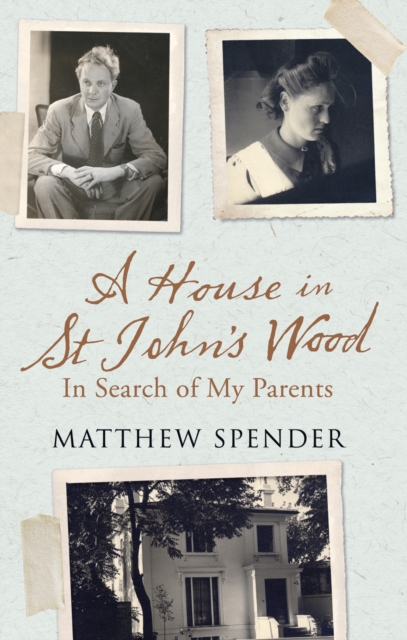
An intimate portrait of Stephen Spender's extraordinary life written by Matthew Spender, shifting between memoir and biography, with new insights drawn from personal recollections and his father's copious unpublished archives.
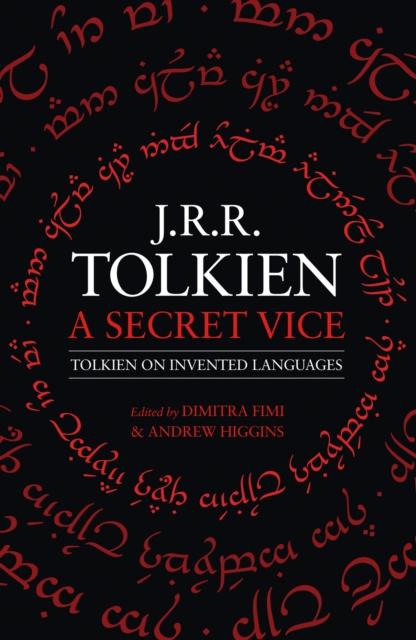
First ever critical study of Tolkien's little-known essay, which reveals how language invention shaped the creation of Middle-earth and beyond, to George R R Martin's Game of Thrones.
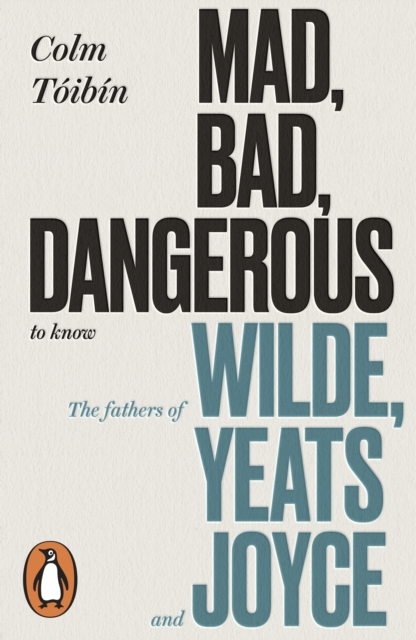
An intimate study of three of Ireland's greatest writers from one of its best-loved contemporary voices, Colm T ib n__________________In Mad, Bad, Dangerous to Know Colm T ib n takes three of Ireland's greatest writers - Oscar Wilde, W.
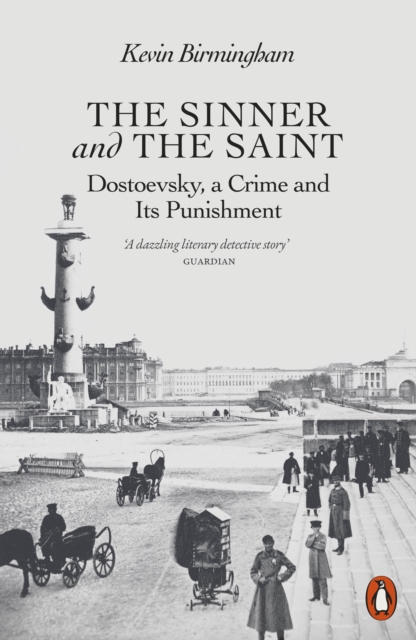
The incredible true story behind the creation of a masterpiece of world literature, Fyodor Dostoevsky's Crime and Punishment'A dazzling literary detective story' GuardianIn the summer of 1865, the former exile Dostoevsky found himself trapped in a cheap hotel in Wiesbaden, unable to leave until he'd paid the bill.
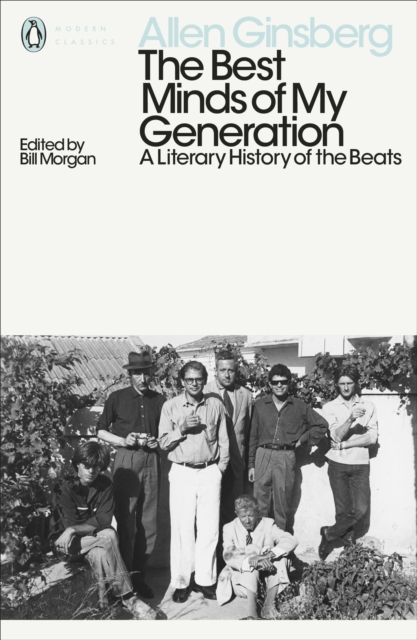
A unique history of the Beats, in the words of the movement's most central member, Allen Ginsberg, based on a seminal series of his lecturesIn 1977, twenty years after the publication of his landmark poem 'Howl' and Jack Kerouac's On the Road, Allen Ginsberg decided it was time to teach a course on the literary history of the Beat Generation.
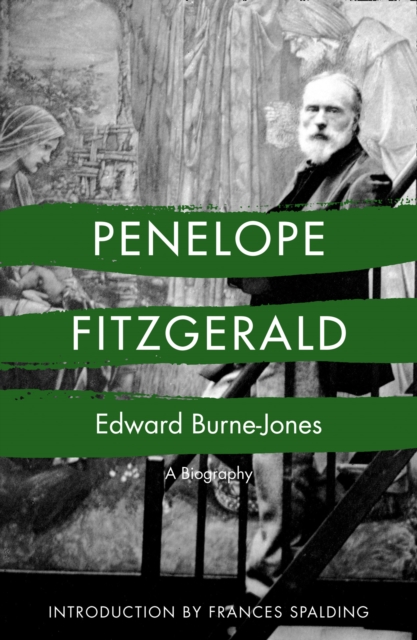
Penelope Fitzgerald, the Booker Prize-winning author of 'Offshore' and 'The Blue Flower', turns her attention to the remarkable life of the Pre-Raphaelite artist Edward Burne-Jones.
Written in the twilight of the Roman Republic, the poetry of Gaius Valerius Catullus offers a delicious insight into the passions and gossip of high Roman society.
The diet that will help you lose up to two inches around your waist in just 2 weeks, devised by the authors of million-copy bestseller 'YOU: The Owner's Manual', Drs Michael F.
By allowing the body to rest and heal itself naturally, fasting not only restores energy and well-being but also treats conditions such as rheumatoid arthritis, psoriasis and eczema.
CUNDILL PRIZE 2018 WINNERSHORTLISTED FOR THE JAMES TAIT BLACK BIOGRAPHY PRIZE 2018'Enlightening, compassionate, superb' John le CarreA visionary life and times of Joseph Conrad, and of our global world, from one of the best historians writing today.
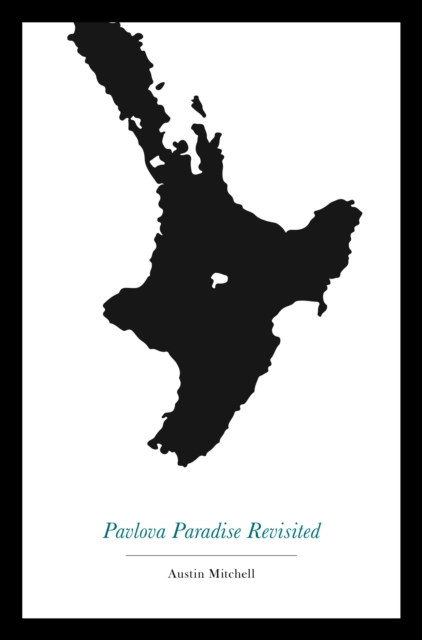
A follow up to Mitchell's first book, THE HALF-GALLON QUARTER-ACRE PAVLOVA PARADISE, this witty, satirical description of life in 1980s New Zealand charts changes in Kiwi culture.