This two-volume Companion to Greek and Roman Historiography reflects the new directions and interpretations that have arisen in the field of ancient historiography in the past few decades.
Focusing on major and emerging playwrights, institutions, and various theatre practices this Concise Companion examines the key issues in British and Irish theatre since 1979.
A COMPANION TO THE HISTORY OF THE BOOK A COMPANION TOTHE HISTORY OF THE BOOK Edited by Simon Eliot and Jonathan Rose As a stimulating overview of the multidimensional present state of the field, the Companion has no peer.
In this engaging book David Clark guides the reader through the theology of CS Lewis and illuminates the use and understanding of scripture in the works of this popular author.
Tragedy: A Short Introduction reinvigorates the genre for readers who are eager to embrace it, but who often find the traditional masterpieces too distant from their own language and world.
A BRONT ENCYCLOPEDIA This lively, absorbing, meticulously researched compendium is a rich resource both for the general reader and for the specialist Bront scholar.
From slave narratives to the Civil War, and from country music to Southern sport, this Companion is the definitive guide to the literature and culture of the American South.
This magnificent volume provides a complete history of the literature of France from its origins to the present day, taking us beyond traditional definitions of 'literature' into the world of the best-seller and, beyond words, to graphic fiction and cinema.
Examining the profusion of ways in which the arts, culture, and thought of Greece and Rome have been transmitted, interpreted, adapted and used, A Companion to Classical Receptions explores the impact of this phenomenon on both ancient and later societies.
A COMPANION TO LATIN AMERICAN LITERATURE AND CULTURE The work contains a wealth of information that must surely provide the basic material for a number of study modules.
An authoritative guide to American literature, this Companion examines the experimental forms, socio-cultural changes, literary movements, and major authors of the early 20th century.
Greek Tragedy sets ancient tragedy into its original theatrical, political and ritual context and applies modern critical approaches to understanding why tragedy continues to interest modern audiences.
In this compelling first volume in the Blackwell Introductions to Literature series, Roy Flannagan, editor of The Milton Quarterly, provides a readable and uncluttered critical account of a complicated and sophisticated author, and his poetry and prose.
This timely introduction to Old English literature focuses on the production and reception of Old English texts, and on their relation to Anglo-Saxon history and culture.
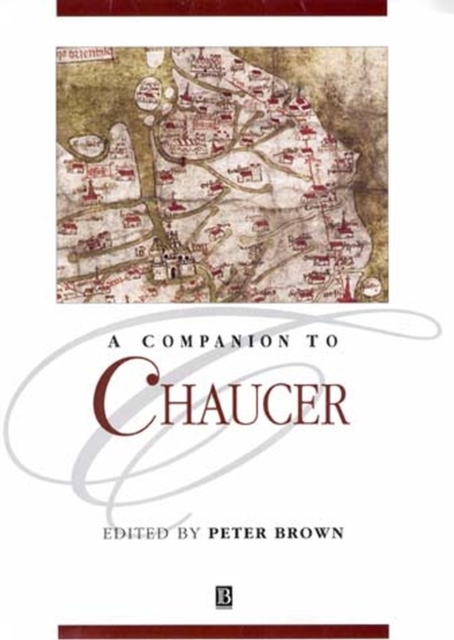
Designed as both a contribution to original research and as a stimulating and accessible text, this volume is a helpful, reliable, responsive and adaptable resource for students of Chaucer at all levels.
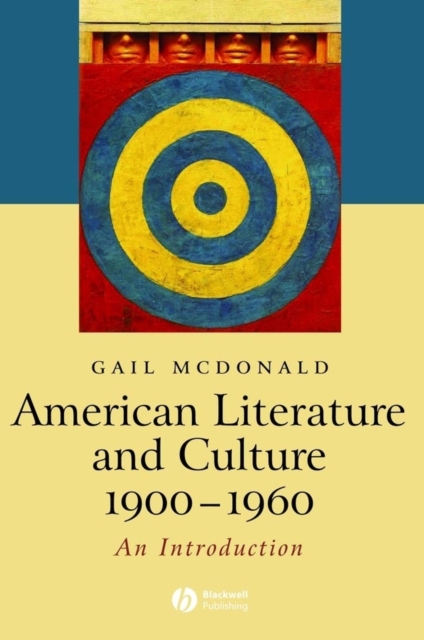
This introduction to American literature and culture from 1900 to 1960 is organized around four major ideas about America: that is it "e;big"e;, "e;new"e;, "e;rich"e;, and "e;free"e;.
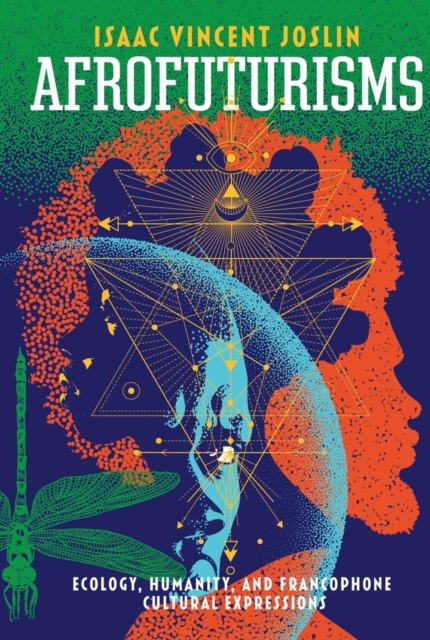
An exploration of Francophone African literary imaginations and expressions through the lens of Afrofuturism Generally attributed to the Western imagination, science fiction is a literary genre that has expressed projected technological progress since the Industrial Revolution.
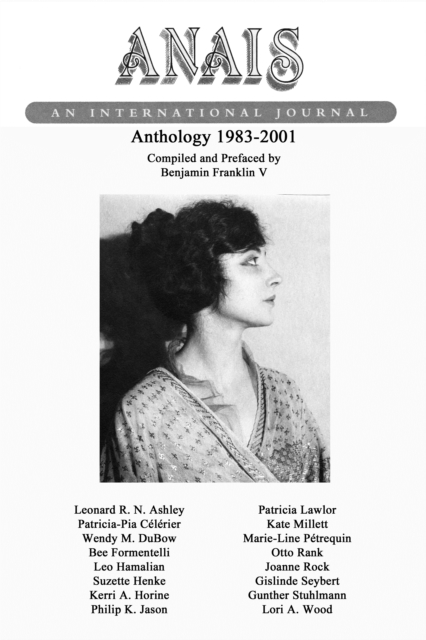
An anthology of ANAIS: An International Journal, the premier literary journal devoted to diarist/novelist Anais Nin (1903-1977), edited by Gunther Stuhlmann
Antecedida por títulos tan famosos como La dama duende y Casa con dos puertas, mala es de guardar, ésta es una comedia de capa y espada perteneciente a la época más fértil de Calderón en torno a la práctica de este género en la década de 1630.
Sin traicionar el rigor del historiador profesional, pero con la sensibilidad del ensayista literario, Jordi Canal le da la vuelta a la famosa frase de Balzac, quien dijo que la novela cuenta la historia íntima de los pueblos.
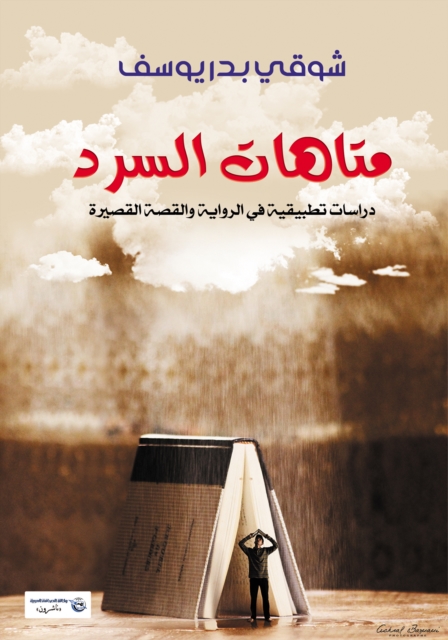
Narratives have their own ever-expanding labyrinths of narrative and narrative creativity, and have their own governing circles that determine paths and mechanisms for expressing the manifestations of the arts of storytelling and storytelling.