* * * SHORTLISTED FOR THE 2014 COSTA FIRST NOVEL AWARD * * * Outrageously funny and completely original, Chop Chop by Simon Wroe is the story of a hapless young chef in the crazed world of the professional kitchen, featuring lust, revenge, neurosis and haute cuisine.
In der kulturphilosophischen Verschränkung von Pragmatismus, Hermeneutik und Rezeptionsästhetik will diese Studie zeigen, dass gerade der ästhetische Erfahrungsgegenstand durch die Aufkündigung starrer Gegenstands- und Verweisdichotomien die Rezipierenden wesentlich dazwischen sein lässt.
Die Frage nach der Dialektik der Säkularisierung und nach den Formen des Fortlebens des Religiösen in der Moderne ist im Zuge des aktuellen ›religious turn‹ virulenter denn je.
In Ladies' Greek, Yopie Prins illuminates a culture of female classical literacy that emerged in the second half of the nineteenth century, during the formation of women's colleges on both sides of the Atlantic.
**Shortlisted for Waterstones Book of the Year**The Penguin Classics Book is a reader's companion to the largest library of classic literature in the world.
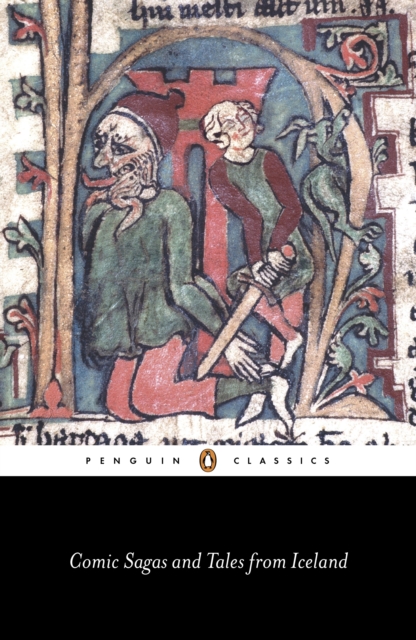
Comic Sagas and Tales brings together the very finest Icelandic stories from the thirteenth to the fifteenth centuries, a time of civil unrest and social upheaval.
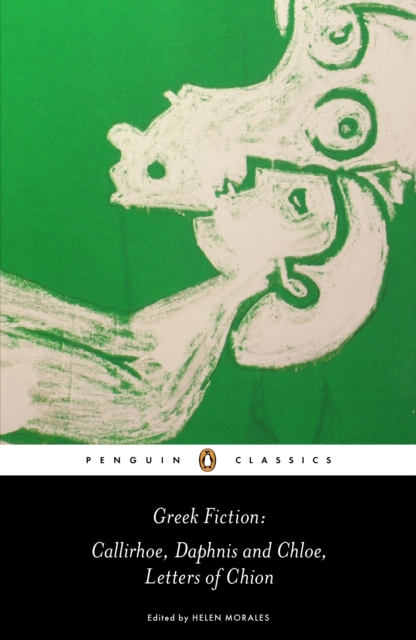
In this collection of Greek fiction written between the first and fourth centuries AD, 'Callirhoe' is the stirring tale of star-crossed lovers Chaereas and Callirhoe, torn apart when she is kidnapped and sold as a slave, while 'Daphnis and Chloe' tells of a boy and girl abandoned at birth, who grow up to fall in love and battle pirates.
'Woman, who is equal to the moon in the flower of youth,Is equal to a little old ape after the onset of old age'This remarkable collection brings together a host of writings from across different regions and cultures of the Middle Ages, from the ninth to the fifteenth century.
Steven Levitt, the original rogue economist, and Stephen Dubner have spent four years uncovering the hidden side of even more controversial subjects, from terrorism to shark attacks, cable TV to hurricanes.
Short narrative poems, religious and secular lyrics, and moral, political, and comic verses are all included in this comprehensive collection of works from the thirteenth and fourteenth centuries.
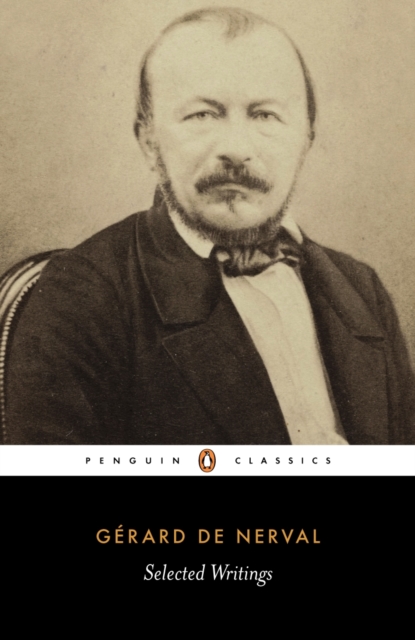
Poet, visionary, short-story writer and autobiographer, G rard de Nerval (1808-1855) explored the uncertain borderlines between dream and reality, irony and madness, autobiography and fiction with his groundbreaking writings.
A rapturous appreciation of pork crackling, a touching description of hungry London chimney sweeps, a discussion of the strange pleasure of eating pineapple and a meditation on the delights of Christmas feasting are just some of the subjects of these personal, playful writings from early nineteenth-century essayist Charles Lamb.
'Both unputdownable and utterly engaging' Jonathan Raban, The Times Literary Supplement'I started reading Theroux's Sir Vidia's Shadow, the story of his friendship with V.
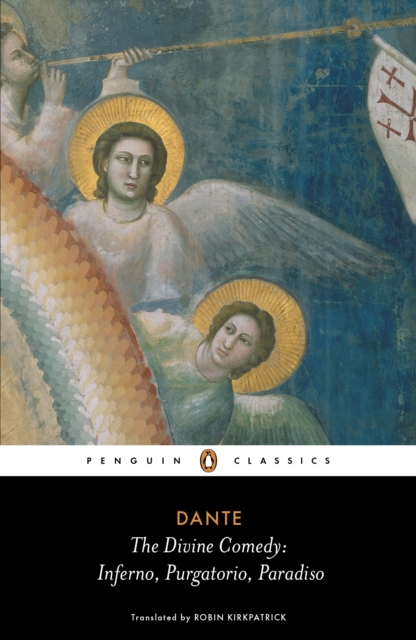
Robin Kirkpatrick's masterful verse translation of The Divine Comedy, published in a single volume, is the ideal edition for students as well as the general reader coming to this great masterpiece of Italian literature for the first timeThe Divine Comedy describes Dante's descent into Hell with Virgil as a guide; his ascent of Mount Purgatory and encounter with his dead love, Beatrice; and finally, his arrival in Heaven.
Written around the thirteenth century AD by Icelandic monks, the seven tales collected here offer a combination of pagan elements tightly woven into the pattern of Christian ethics.
Reality Hunger is a manifesto for a burgeoning group of interrelated but unconnected artists who, living in an unbearably artificial world, are breaking ever larger chunks of 'reality' into their work.
Coloured by poverty and horrifying brutality, Gorky's childhood equipped him to understand - in a way denied to a Tolstoy or a Turgenev - the life of the ordinary Russian.
Giacomo Leopardi was the greatest Italian poet of the nineteenth century and was recognized by readers from Nietzsche to Beckett as one of the towering literary figures in Italian history.
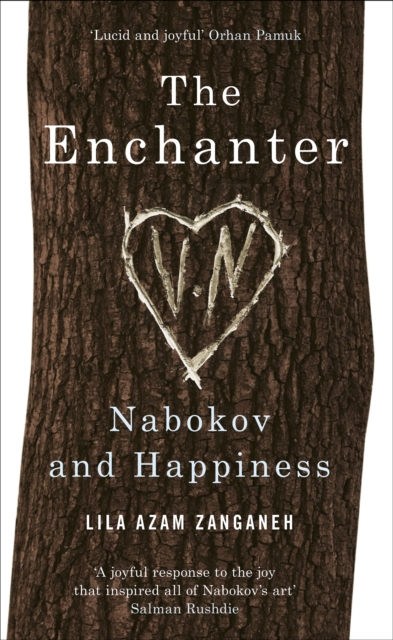
With sly sophistication and ebullient charm, Lila Azam Zanganeh shares the intoxication of delirious joy to be found in reading - in particular, in reading the masterpieces of 'the great writer of happiness' Vladimir Nabokov.
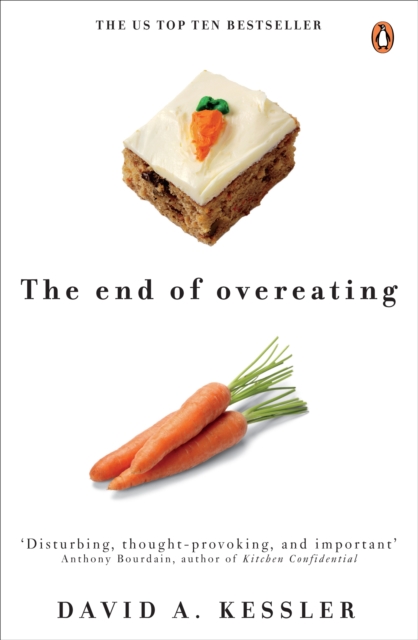
Uncover the truth behind our food addiction - and learn how to break the cycle Many of us find ourselves powerless in front of a bag of crisps, a packet of biscuits, the last slice of pizza.
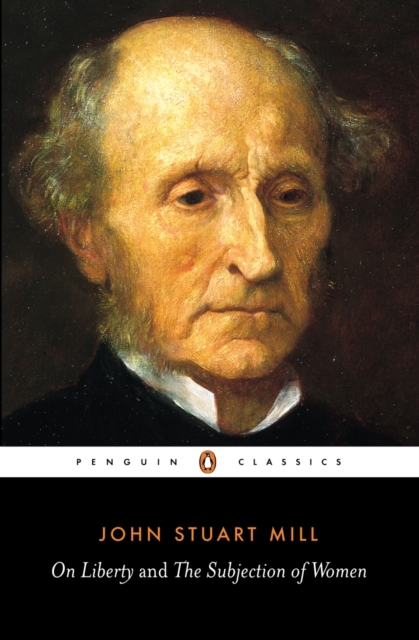
A prodigiously brilliant thinker who sharply challenged the beliefs of his age, the political and social radical John Stuart Mill was the most influential English-speaking philosopher of the nineteenth century.
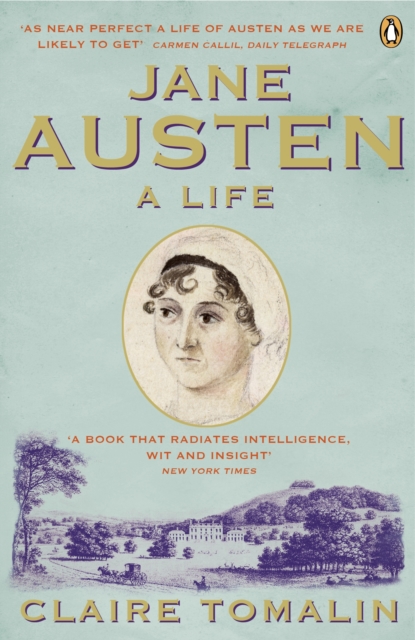
Jane Austen is the definitive biography of one of Britain's best-loved novelists, from the acclaimed author of Samuel Pepys: The Unequalled Self, Charles Dickens: A Life and The Invisible Woman'As near perfect a life of Austen as we are likely to get: intelligent, feeling, suggestive' Carmen Callil, Daily Telegraph'Tomalin has written a biography that reflects Austen's own exacting standards, a book that radiates intelligence, wit and insight' Michiko Kakutani, The New York Times'Of all the Austen biographies, this is the best .
Kormak's Saga, The Saga of Hallfred Troublesome-Poet, The Saga of Gunnlaug Serpent-Tongue, The Saga of Bjorn, Champion of the Hitardal People, Viglund's Saga Set in the farmsteads of Viking age Iceland at a time when the old ethos of honour and heroic adventure merged with new ideas of romantic infatuation, each of these sagas features poet heroes, complex love triangles, and travels to foreign lands.
Discover the fascinating autobiography of Dick Francis, one of the greatest jockeys and thriller writers of all timeDick Francis was one of the most successful post-war National Hunt jockeys.
A vital resource for scholars, students and actors, this book contains glosses and quotes for over 14,000 words that could be misunderstood by or are unknown to a modern audience.
Aurora Leigh (1856), Elizabeth Barrett Browning's epic novel in blank verse, tells the story of the making of a woman poet, exploring 'the woman question', art and its relation to politics and social oppression.
Nietzsche's first published book, The Birth of Tragedy is a compelling argument for the necessity of art in lifeThis landmark work of criticism is fuelled by Nietzsche's enthusiasms for Greek tragedy, the philosophy of Schopenhauer and the music of Wagner, to whom the book was dedicated.
Kathleen Parkinson places this brilliant and bitter satire on the moral failure of the Jazz Age firmly in the context of Scott Fitzgerald's life and times.
This compilation, in the tradition of the Victorian miscellany, gathers together essential facts and fascinating insights into the plays and poems, the man behind them (insofar as this is known), and the context in which he worked.
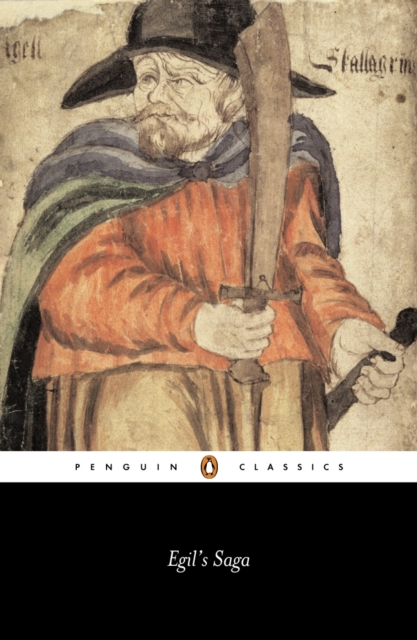
Egil's Saga tells the story of the long and brutal life of tenth-century warrior-poet and farmer Egil Skallagrimsson: a morally ambiguous character who was at once the composer of intricately beautiful poetry, and a physical grotesque capable of staggering brutality.
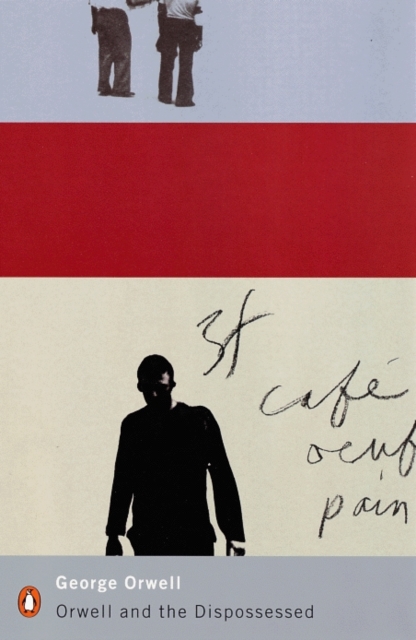
Including Down and Out in Paris and London'Orwell was the great moral force of his age' SpectatorThe powerful writings collected together in this volume chronicle George Orwell's first-hand experiences of life among the underclass of the 'two nations' of rich and poor.