An accessible and authoritative new history of French literature, written by a highly distinguished transatlantic group of scholarsThis book provides an engaging, accessible, and exciting new history of French literature from the Renaissance through the twentieth century, from Rabelais and Marguerite de Navarre to Samuel Beckett and Assia Djebar.
Site Reading offers a new method of literary and cultural interpretation and a new theory of narrative setting by examining five sites-supermarkets, dumps, roads, ruins, and asylums-that have been crucial to American literature and visual art since the mid-twentieth century.
"e;We have many poets of the First Book,"e; the poet and critic Louis Simpson remarked in 1957, describing a sense that the debut poetry collection not only launched the contemporary poetic career but also had come to define it.
The study of Homeric imitations in Vergil has one of the longest traditions in Western culture, starting from the very moment the Aeneid was circulated.
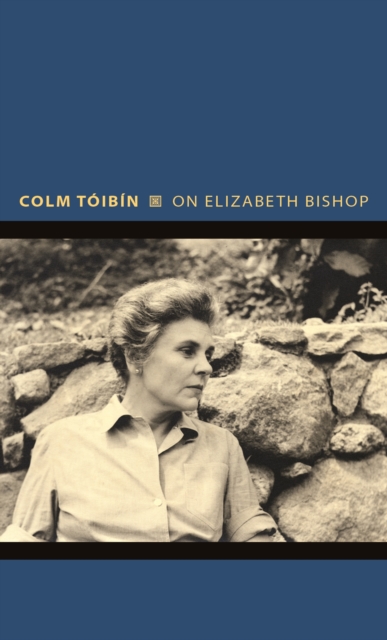
A compelling portrait of a beloved poet from one of today's most acclaimed novelistsIn this book, novelist Colm Toibin offers a deeply personal introduction to the work and life of one of his most important literary influencesthe American poet Elizabeth Bishop.
Poker Nation is a travelogue to the quirky world of competitive poker, an exploration of poker obsession and addiction (not necessarily the same thing) and a primer on mathematics, poker lingo and technique.
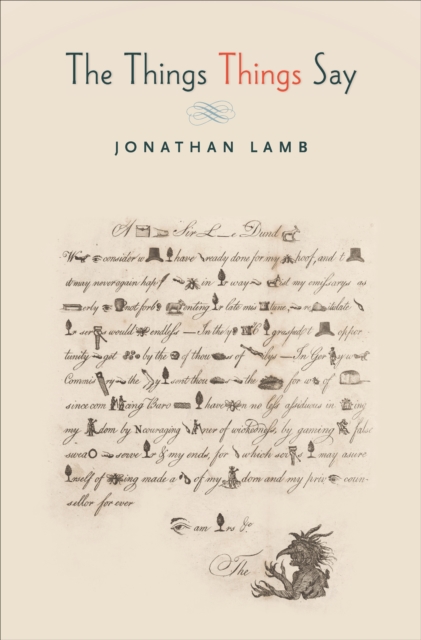
One of the new forms of prose fiction that emerged in the eighteenth century was the first-person narrative told by things such as coins, coaches, clothes, animals, or insects.
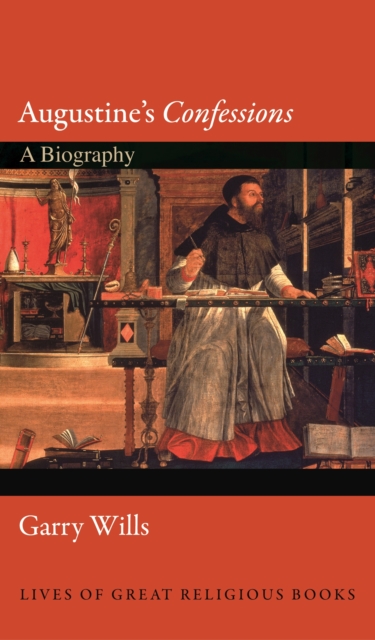
From Pulitzer Prize-winner Garry Wills, the story of Augustine's ConfessionsIn this brief and incisive book, Pulitzer Prize-winning historian Garry Wills tells the story of the Confessions--what motivated Augustine to dictate it, how it asks to be read, and the many ways it has been misread in the one-and-a-half millennia since it was composed.
Although Classical Athenian ideology did not permit women to exercise legal, economic, and social autonomy, the tragedies of Aeschylus, Sophocles, and Euripides often represent them as influential social and moral forces in their own right.
By "e;literary criticism"e; we usually mean a self-conscious act involving the technical and aesthetic appraisal, by individuals, of autonomous works of art.
This wide-ranging study of language and cultural change in fourteenth-century England argues that the influence of oral tradition is much more important to the advance of literacy than previously supposed.
Whether were buying a pair of jeans, ordering a cup of coffee, selecting a long-distance carrier, applying to college, choosing a doctor, or setting up a 401(k), everyday decisionsboth big and smallhave become increasingly complex due to the overwhelming abundance of choice with which we are presented.
As the specter of religious extremism has become a fact of life today, the temptation is great to allow the evil actions and perspectives of a minority to represent an entire tradition.
Wedding the American oral storytelling tradition with progressive music journalism, Mitch Myers' The Boy Who Cried Freebird is a treatise on the popular music culture of the twentieth century.
The definitive oral history of the iconic and beloved TV show The Wire, as told by the actors, writers, directors, and others involved in its creationSince its final episode aired 10 years ago, the acclaimed crime drama The Wire has only become more popular and influential.
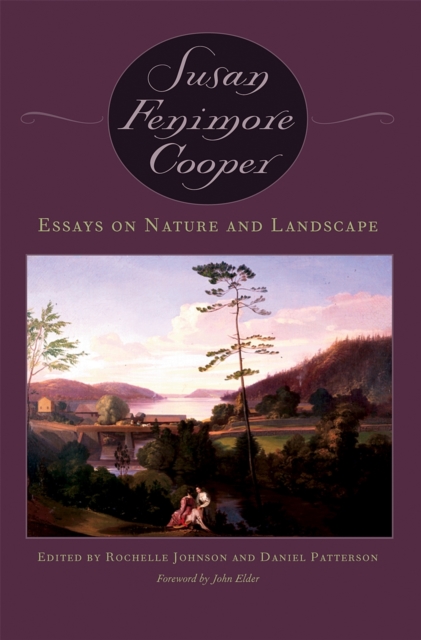
Susan Fenimore Cooper (1813-1894), though often overshadowed by her celebrity father, James Fenimore Cooper, has recently become recognized as both a pioneer of American nature writing and an early advocate for ecological sustainability.
A photography book that is a vital accompaniment to the many fans of Hilary Mantel's bestselling Wolf Hall Trilogy, now a major TV series'At the very beginning of the twentieth century, Zola said, 'In my view you cannot claim to have really seen something till you have photographed it.
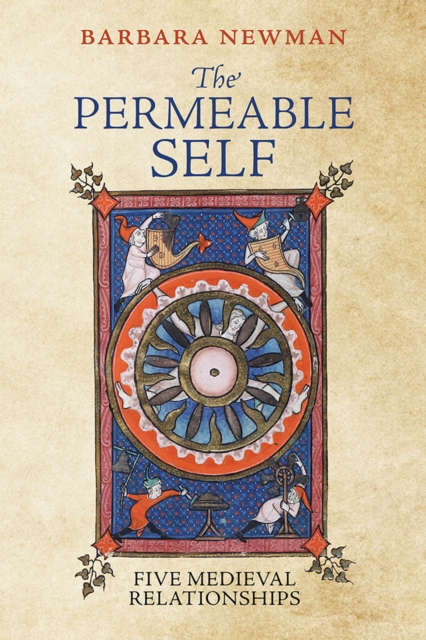
How, Barbara Newman asks, did the myth of the separable heart take such a firm hold in the Middle Ages, from lovers exchanging hearts with one another to mystics exchanging hearts with Jesus?
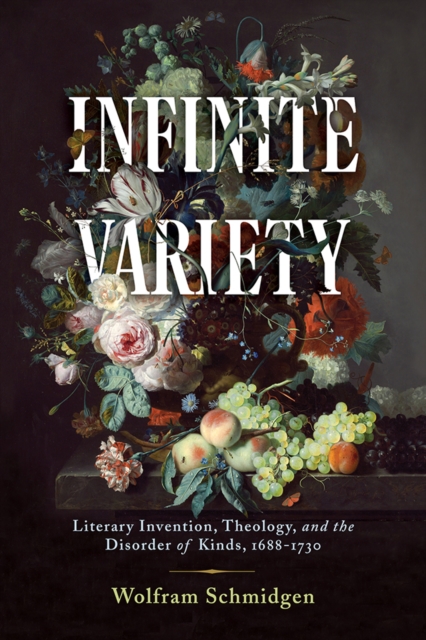
Unnerved by the upheavals of the seventeenth century, English writers including Thomas Hobbes, Richard Blackmore, John Locke, Jonathan Swift, and Daniel Defoe came to accept that disorder, rather than order, was the natural state of things.
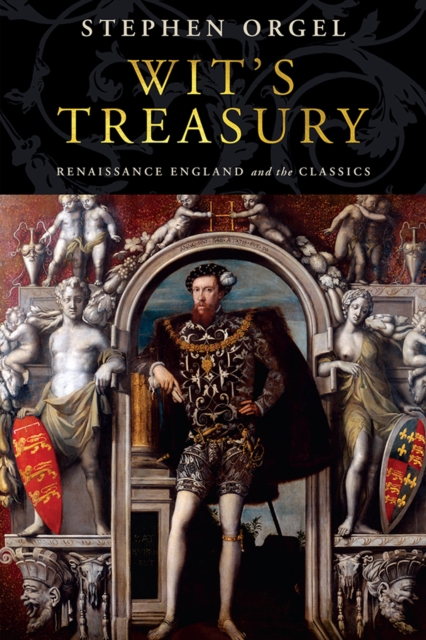
As England entered the Renaissance and as humanism, with its focus on classical literature and philosophy, informed the educational system, English intellectuals engaged in a concerted effort to remake the culture, language, mannersindeed, the whole national stylethrough adapting the classics.
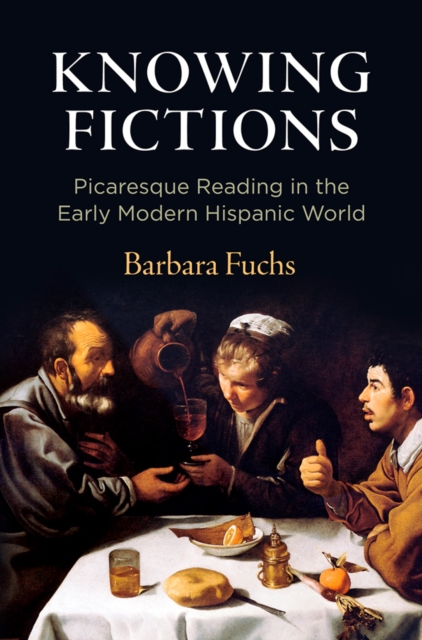
European exploration and conquest expanded exponentially in the late fifteenth and sixteenth centuries, and as the horizons of imperial experience grew more distant, strategies designed to convey the act of witnessing came to be a key source of textual authority.
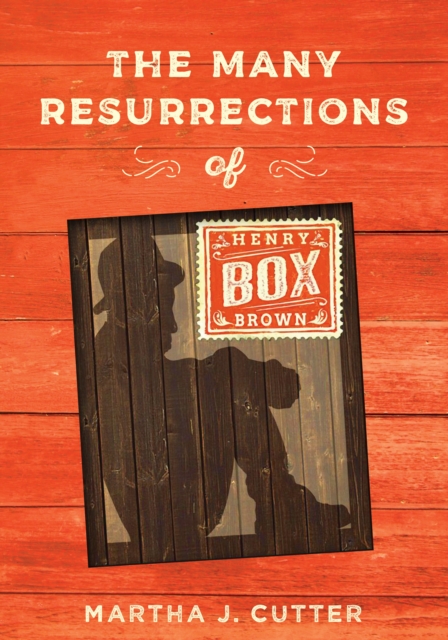
On March 23, 1849, Henry Brown climbed into a large wooden postal crate and was mailed from slavery in Richmond, Virginia, to freedom in Philadelphia, Pennsylvania.
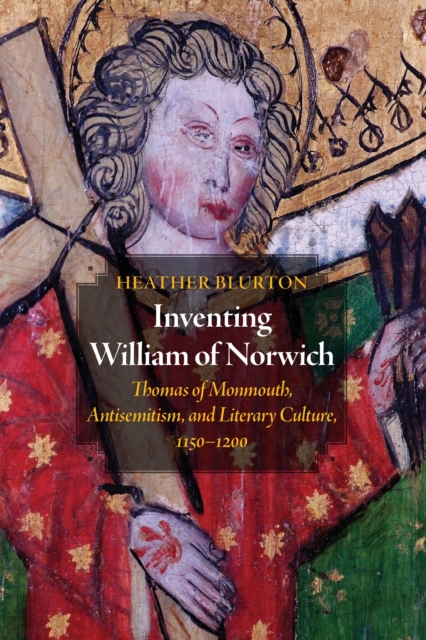
William of Norwich is the name of a young boy purported to have been killed by Jews in or about 1144, thus becoming the victim of the first recorded case of such a ritual murder in Western Europe and a seminal figure in the long history of antisemitism.
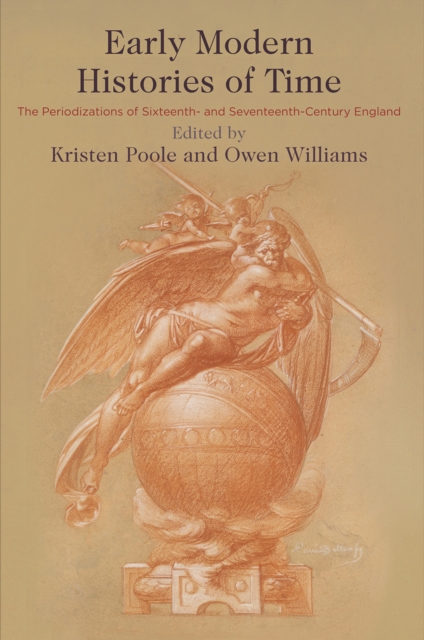
Early Modern Histories of Time examines how a range of chronological modes intrinsic to the sixteenth and seventeenth centuries shaped the thought-worlds of those living during this time and explores how these temporally indigenous models can productively influence our own working concepts of historical period.
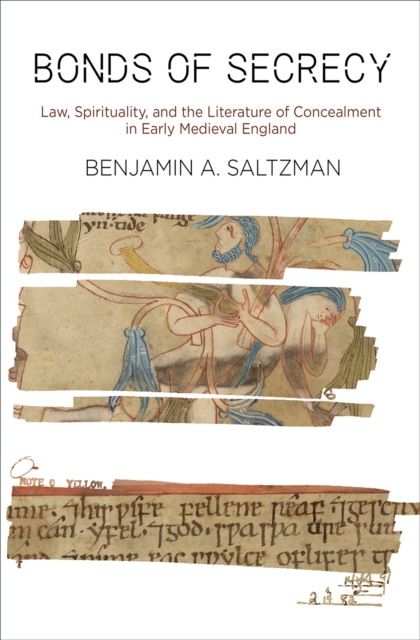
How beliefs about human and divine secrets informed medieval ideas about the mind and shaped the practices of literary interpretationsWhat did it mean to keep a secret in early medieval England?
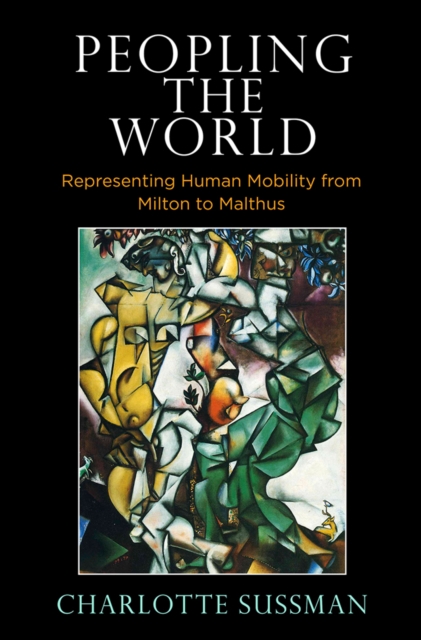
A compelling study of views about population and demographic mobility in the British long eighteenth centuryIn John Milton's Paradise Lost of 1667, Adam and Eve are promised they will produce a "e;race to fill the world,"e; a thought that consoles them even after the trauma of the fall.
If material bodies have inherent, animating powersor virtues, in the premodern sensethen those bodies typically and most insistently associated in the premodern period with matternamely, womencannot be inert and therefore incapable of ethical action, Holly Crocker contends.
A Monster with a Thousand Hands makes visible a figure that has been largely overlooked in early modern scholarship on theater and audiences: the discursive spectator, an entity distinct from the actual bodies attending early modern English playhouses.