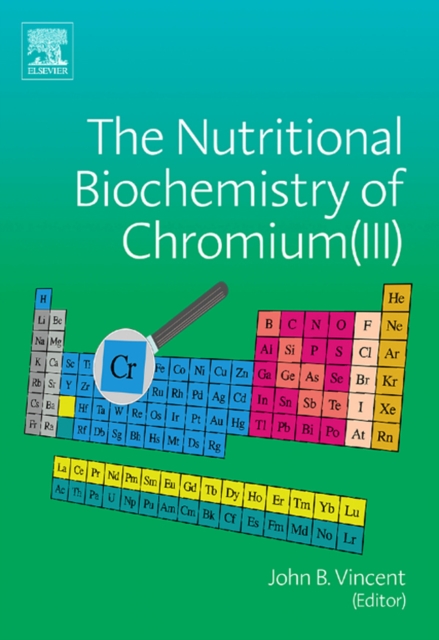
Chromium nutritional supplements are the second best selling mineral supplements after calcium as chromium is found in pills, sports drinks, chewing gums, smoothies, and numerous other products.
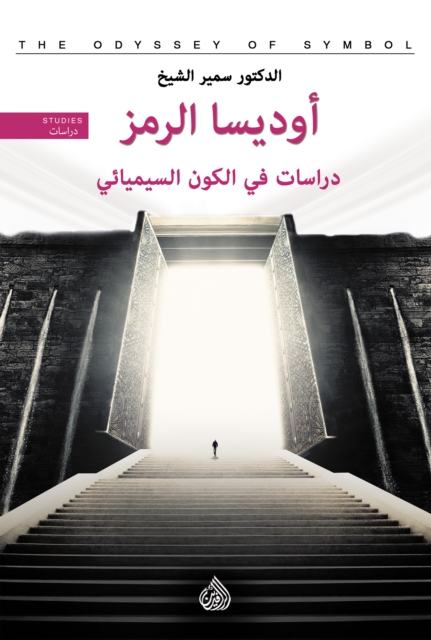
If semiotics is the study of meaning or the philosophy of meaning and the way in which the representation of meanings is created through signs, whether language or image, and if translation is the transmission of transient cultures through symbols, then semiotic criticism is concerned with interpreting discourse and illuminating its cultural value through symbol systems.
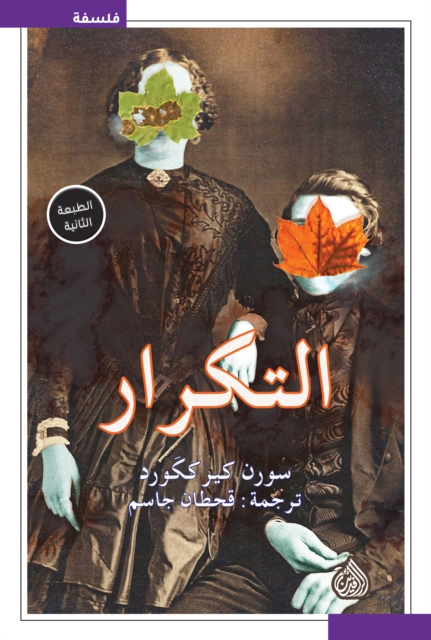
The book Repetition by the Danish philosopher Søren Kierkekoard was published in 1843 on the same day as another book, Tremor and Fear, and the main theme in both books was loss and loss, then the intimate and eager quest to regain that loss.
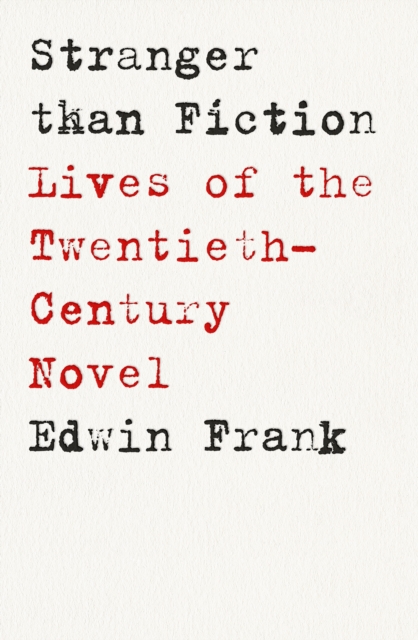
AN ECONOMIST BOOK OF THE YEAR 2024'A masterclass in masterpieces' SUNDAY TELEGRAPH'Epic, personal, smart, wise, witty' JOSHUA COHEN'Sizzles with passion' TOM McCARTHYFor more than two decades, Edwin Frank has introduced readers to forgotten or overlooked texts as director of the acclaimed publisher New York Review Books.
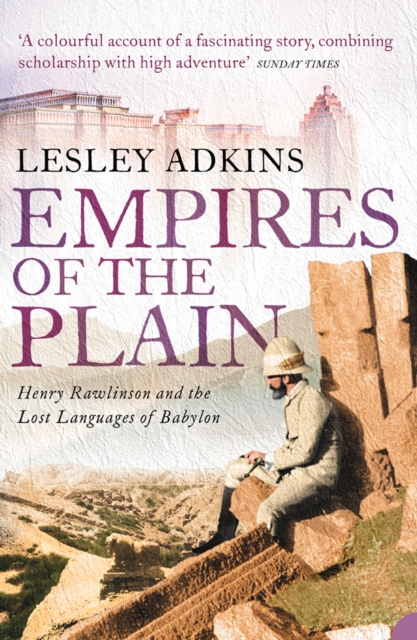
How 19th-century soldier, adventurer and scholar Henry Rawlinson deciphered cuneiform, the world's earliest writing, and rediscovered Iraq's ancient civilisations.
In Keywords for Southern Studies, editors Scott Romine and Jennifer Rae Greeson have compiled an eclectic collection of new essays that address the fluidity of southern studies by adopting a transnational, interdisciplinary focus.
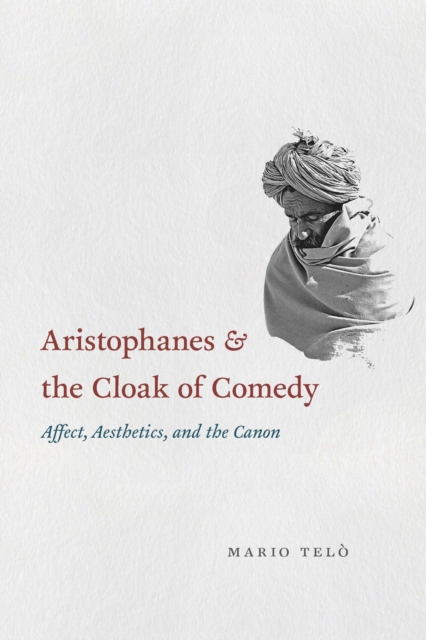
The Greek playwright Aristophanes (active 427-386 BCE) is often portrayed as the poet who brought stability, discipline, and sophistication to the rowdy theatrical genre of Old Comedy.
Though underexplored in contemporary scholarship, the Victorian attempts to turn aesthetics into a science remain one of the most fascinating aspects of that era.
The modern era in the theatre is remarkable for the extraordinary role and influence of theoretical practitioners, whose writings have shaped our sense of the possibilities and objectives of performance.
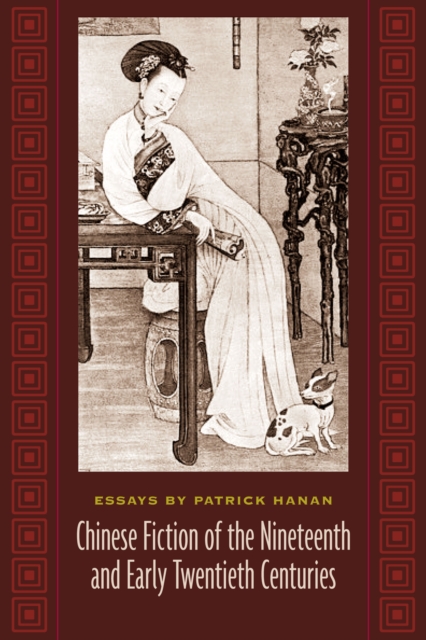
It has often been said that the nineteenth century was a relatively stagnant period for Chinese fiction, but preeminent scholar Patrick Hanan shows that the opposite is true: the finest novels of the nineteenth century show a constant experimentation and evolution.
In this fascinating and erudite book, Bryan Cheyette throws new light on a wide range of modern and contemporary writers—some at the heart of the canon, others more marginal—to explore the power and limitations of the diasporic imagination after the Second World War.
In this characteristically concise, witty, and lucid book, Terry Eagleton turns his attention to the questions we should ask about literature, but rarely do.
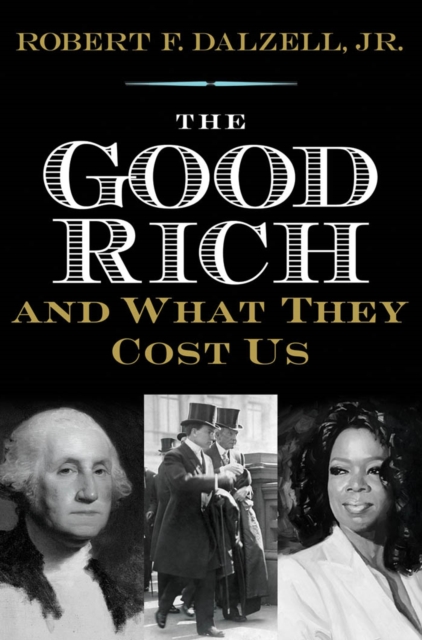
This timely book holds up for scrutiny a great paradox at the core of the American Dream: a passionate belief in the principle of democracy combined with an equally passionate celebration of the creation of wealth.
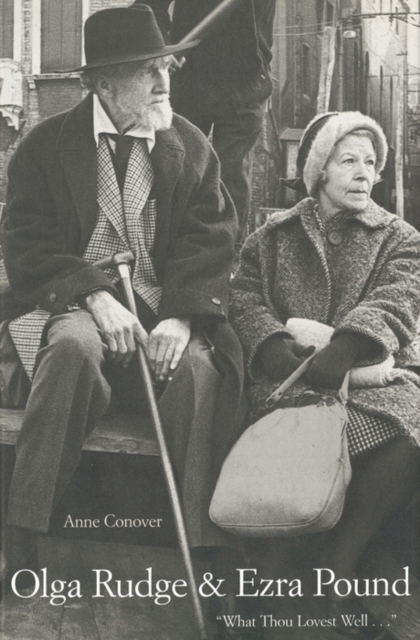
A loving and admiring companion for half a century to literary titan Ezra Pound, concert violinist Olga Rudge was the muse who inspired the poet to complete his epic poem, The Cantos, and the mother of his only daughter, Mary.
Beginning with an analysis of Shakespeare's The Tempest and building to a new reading of Milton's Paradise Lost, author Seth Lobis charts a profound change in the cultural meaning of sympathy during the seventeenth century.
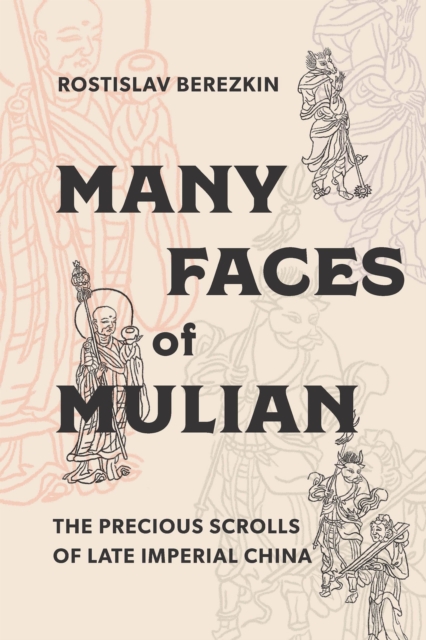
The story of Mulian rescuing his mothers soul from hell has evolved as a narrative over several centuries in China, especially in the baojuan (precious scrolls) genre.
How we build our invisible libraries Erich Auerbach wrote his classic work Mimesis, a history of narrative from Homer to Proust, based largely on his memory of past reading.
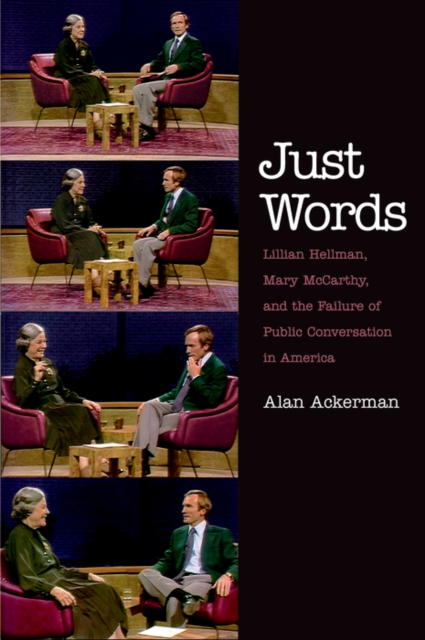
In an appearance on The Dick Cavett Show in 1980, the critic Mary McCarthy glibly remarked that every word author Lillian Hellman wrote was a lie, "e;including 'and' and 'the.
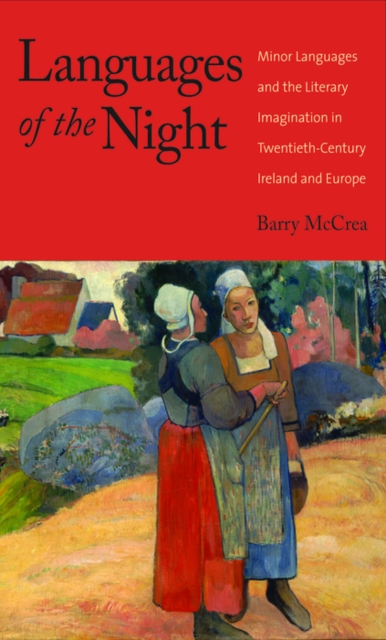
In the first decades of the twentieth century, rural populations throughout Europe changed the language they used in everyday life, abandoning their traditional vernaculars—such as French patois, local Italian dialects, and the Irish language—in favor of major metropolitan languages such as French, Italian, and English.
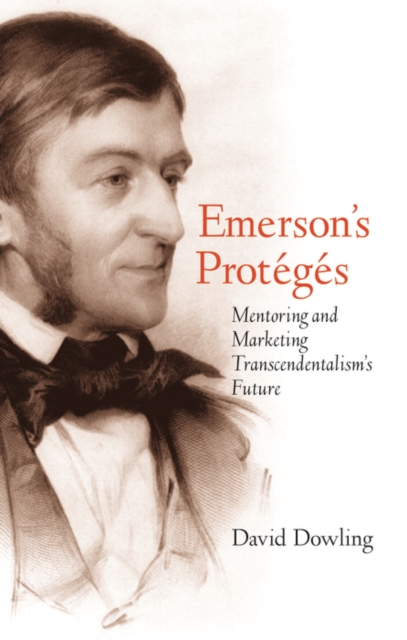
In the late 1830s, Ralph Waldo Emerson, American essayist, poet, lecturer, and leader of the Transcendentalist movement, publicly called for a radical nationwide vocational reinvention, and an idealistic group of collegians eagerly responded.
From the recipient of the National Jewish Book Award for Lifetime Achievement, a "e;hugely entertaining and irreverent"e; (Adam Gopnik, New Yorker) account of the art of translating the Hebrew Bible into EnglishIn this brief book, award-winning biblical translator and acclaimed literary critic Robert Alter offers a personal and passionate account of what he learned about the art of Bible translation over the two decades he spent completing his own English version of the Hebrew Bible.
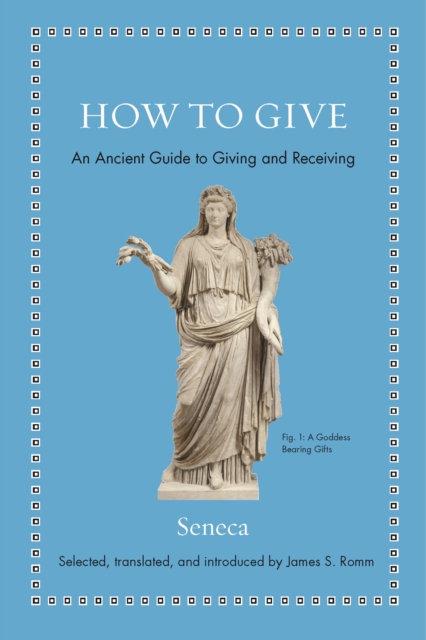
Timeless wisdom on generosity and gratitude from the great Stoic philosopher SenecaTo give and receive well may be the most human thing you can do-but it is also the closest you can come to divinity.
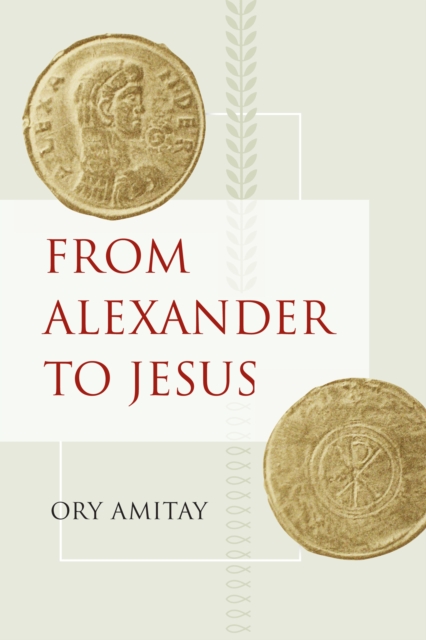
Scholars have long recognized the relevance to Christianity of the many stories surrounding the life of Alexander the Great, who claimed to be the son of Zeus.
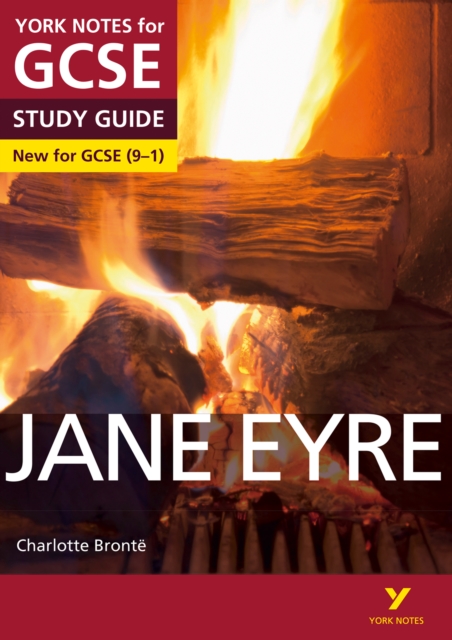
Use the new Jane Eyre York Notes for GCSE English Literature (Grades 9-1) to gain an in-depth knowledge of key aspects of the novel including its historical context, Bronte's use of language, key themes, characters and plot.
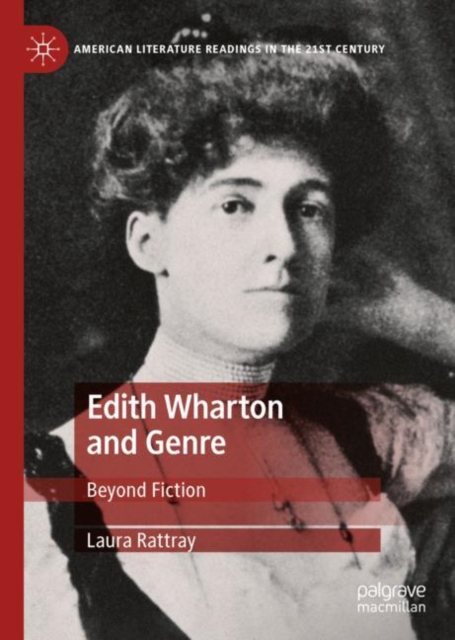
Based on extensive new archival research, Edith Wharton and Genre: BeyondFiction offers the first study of Wharton's full engagement with original writing ingenres outside those with which she has been most closely identified.
The entertaining story of four utopian writers-Edward Bellamy, William Morris, Edward Carpenter, and Charlotte Perkins Gilman-and their continuing influence todayFor readers reared on the dystopian visions of Nineteen Eighty-Four and The Handmaid's Tale, the idea of a perfect society may sound more sinister than enticing.
Comparable in importance to Mikhail Bakhtin, Lydia Ginzburg distinguished herself among Soviet literary critics through her investigation of the social and historical elements that relate verbal art to life in a particular culture.