In Modern Tragedy, Williams bridges the gap between literary and socio-economic study, tracing the notion of tragedy from its philosophical and dramatic origins with Aristotle.
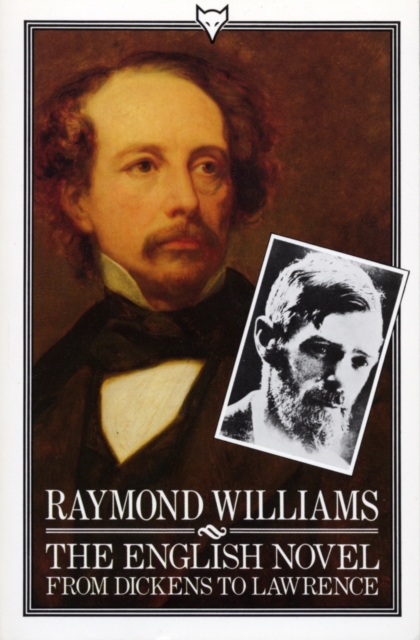
Raymond Williams begins his brilliantly perceptive study of the English novel in the 1840s, a period of rapid social change brought on by the Industrial Revolution, the struggle for democratic reform, and the growth of cities and towns.
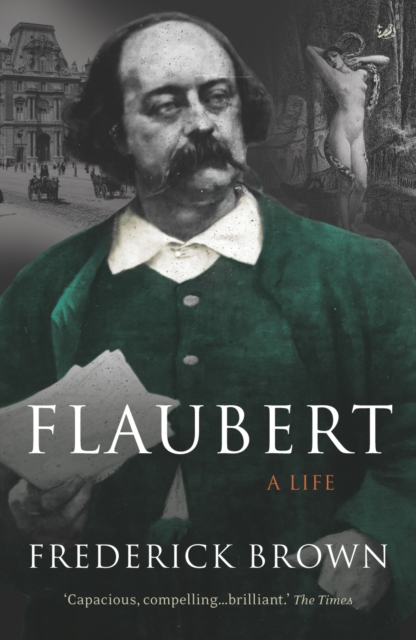
Gustave Flaubert, whose Madame Bovary outraged France's right-thinking bourgeoisie when it was first published in 1857, is brought to life in Frederick Brown's new biography in all his singularity and brilliance.
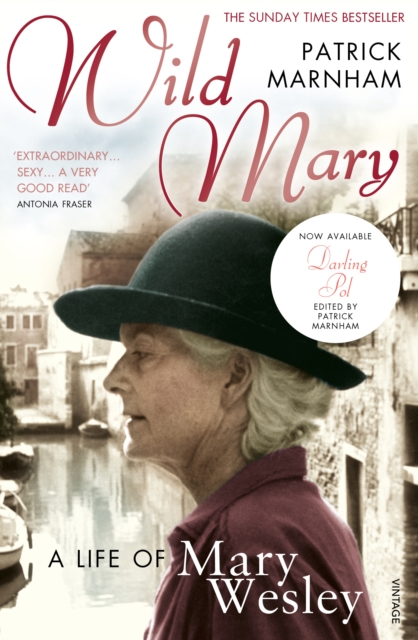
Mary Wesley published her first novel at seventy and went on to write a further nine bestsellers, including the legendary The Camomile Lawn, in a style best described as arsenic without the old lace.
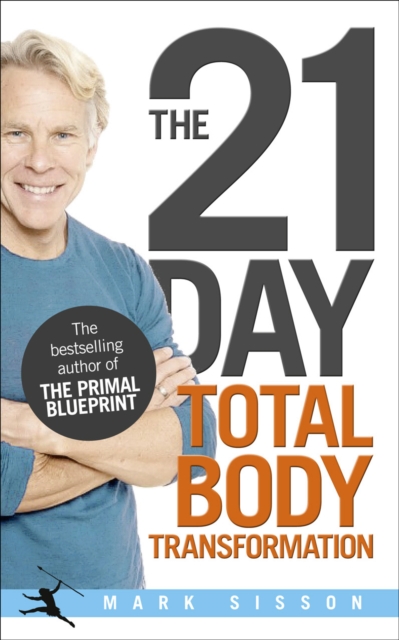
'Regardless of your starting point, past failures, or bad luck with familial genes, you can turn things around quickly - starting with your next meal and next workout.
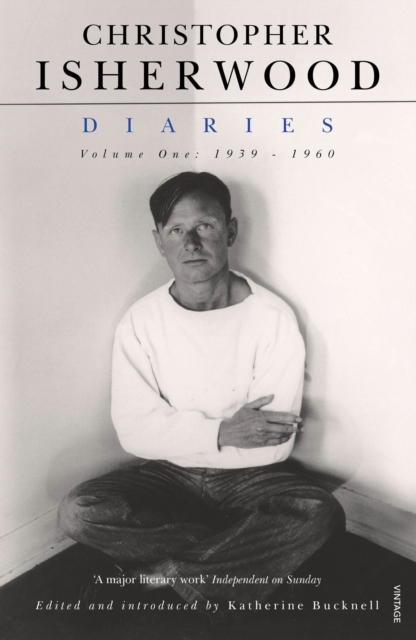
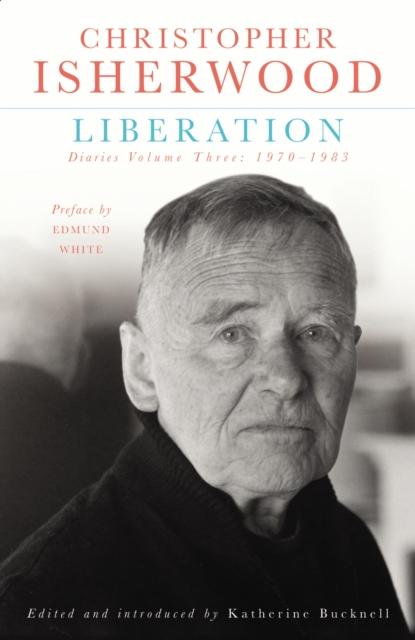
In this final volume of Christopher Isherwood's diaries, capstone of a million-word masterwork, he greets advancing age with poignant humour and an unquenchable appetite for the new.
The Woman in Black, Strange Meeting, I'm the King of the Castle, A Little Bit of Singing and DancingIn Vintage Living Texts, teachers and students will find the essential guide to the works of Susan Hill.
The French Lieutenant's Woman, The Magus, A MaggotIn Vintage Living Texts, teachers and students will find the essential guide to the works of John Fowles.
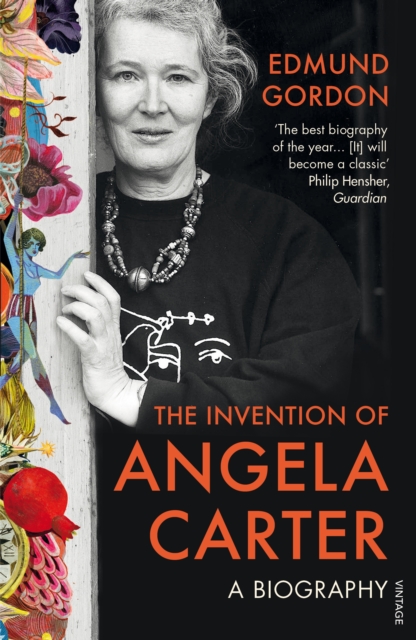
WINNER OF THE SOMERSET MAUGHAM AWARD NBCC AWARD FINALIST WINNER OF THE 2017 SLIGHTLY FOXED BEST FIRST BIOGRAPHY PRIZE Selected as a Book of the Year 2016 in The Sunday Times, Daily Telegraph, Guardian, Financial Times, Spectator and ObserverAngela Carter s life was as unconventional as anything in her fiction.
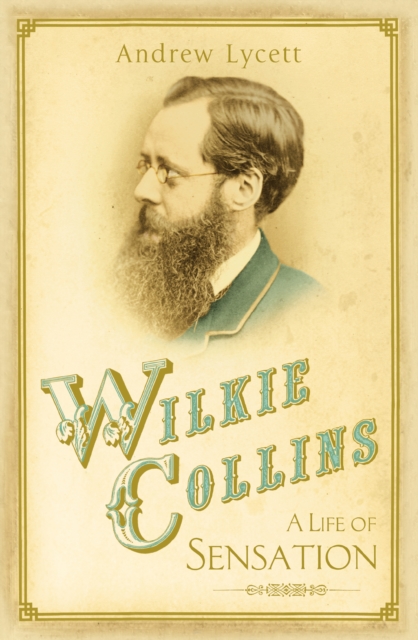
The definitive biography of Wilkie Collins: the Victorian novelist, playwright, author of The Moonstone and The Woman in White, who lived a life of sensation.
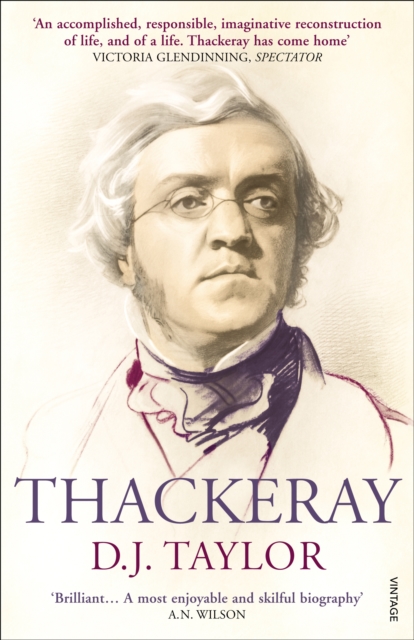
Vanity Fair, published in serial parts in 1847-8, made William Makepeace Thackeray famous 'all but at the top of the tree', he told his mother, 'and having a great fight up there with Dickens'.
As a young English teacher keen to make a difference in the world, Michelle Kuo took a job at a tough school in the Mississippi Delta, sharing books and poetry with a young African-American teenager named Patrick and his classmates.
The material collected here is a treasure trove, a fine retrospective and a comprehensive guide to the work of Ireland's greatest living novelist, John Banville.
The most important critical work for decades' Bryan Appleyard, Sunday Times In the brilliantly engaging style that characterised The Genius of Shakespeare, Jonathan Bate has written a series of compelling pieces on the link between literature and the environment and why poetry matters in the new millennium.
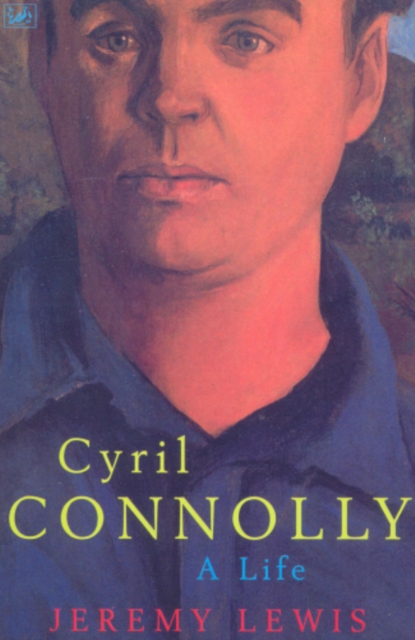
`In one of tje funniest biographies I have ever read, Lewis assembles all the excellently entertaining anecdotes about this deeply loved, much mocked, sometimes reviled figure whose departure has robbed the litarary world of its social smartness and any worthwhile eccentricity .
'If men could see us as we really are, they would be amazed', wrote Charlotte Bront , the outwardly conventional parson's daughter who had rarely met any men beyond those of the church or classroom by the time Jane Eyre was published in 1847.
WITH A NEW INTRODUCTION BY JAMES FENTONSubtitled 'An education in the twenties', this work blends autobiography and fiction to describe the inner life of a writer evolving from precocious public school boy to Cambridge drop-out at large in London s Bohemia.
Medieval gardens; cookshops; spices; ale, beer, wine and spirits; the food of peasants, labourers, townspeople, the wealthy, the poor and the country gentleman; fish, meat and game; the feeding of infants, children; dairy products; vitamins, proteins, fat and fibre; the adulteration of food; the four bottle man; bread; poaching; tea, coffee and chocolate; food in schools and institutions; sugar and sweetmeats; root crops; the agricultural revolution; the importance of 'white meats', the vegetarian diet; menus and recipes.