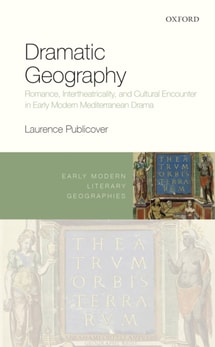
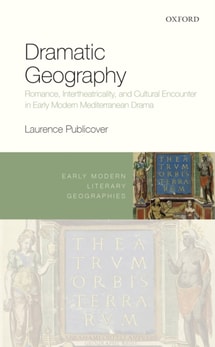
Focusing on early modern plays which stage encounters between peoples of different cultures, this book asks how a sense of geographical location was created in early modern theatres that featured minimal scenery.
Focusing on early modern plays which stage encounters between peoples of different cultures, this book asks how a sense of geographical location was created in early modern theatres that featured minimal scenery.
This companion volume to The New Oxford Shakespeare: The Complete Works concentrates on the issues of canon and chronology--currently the most active and controversial debates in the field of Shakespeare editing.
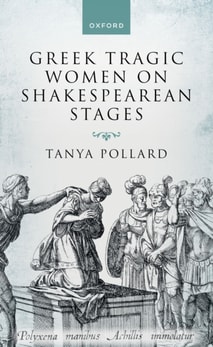
Greek Tragic Women on Shakespearean Stages argues that ancient Greek plays exerted a powerful and uncharted influence on early modern England's dramatic landscape.
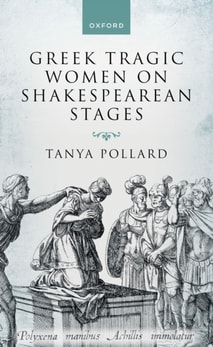
Greek Tragic Women on Shakespearean Stages argues that ancient Greek plays exerted a powerful and uncharted influence on early modern England's dramatic landscape.
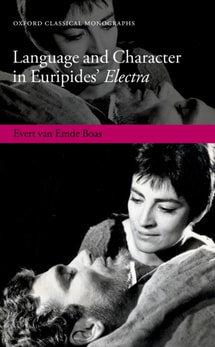
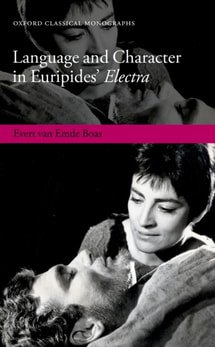
This study of Euripides' Electra approaches the text through the lens of modern linguistics, marrying it with traditional literary criticism in order to provide new and informative means of analysing and interpreting what is considered to be one of the playwright's most controversial works.
This study of Euripides' Electra approaches the text through the lens of modern linguistics, marrying it with traditional literary criticism in order to provide new and informative means of analysing and interpreting what is considered to be one of the playwright's most controversial works.
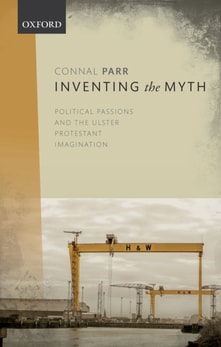
This book approaches Ulster Protestantism through its theatrical and cultural intersection with politics, re-establishing a forgotten history and engaging with contemporary debates.
This book approaches Ulster Protestantism through its theatrical and cultural intersection with politics, re-establishing a forgotten history and engaging with contemporary debates.
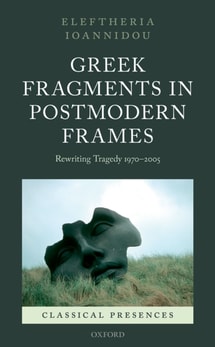
Greek Fragments in Postmodern Frames takes as its subject adaptation of Greek tragedy in the last decades, arguing that rewritings of Greek tragic texts in this period can be used as a tool to uncover a significant dialogue with postmodernism.
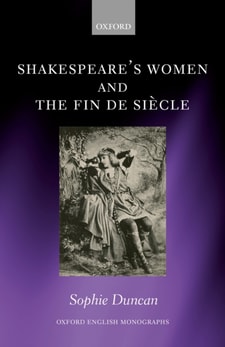
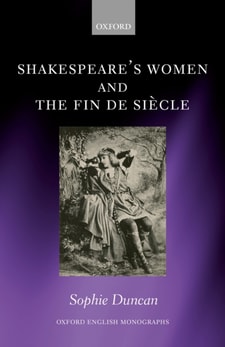
Shakespeare's Women and the Fin de Siecle illuminates the most iconoclastic performances of Shakespeare's heroines in late Victorian theatre, through the celebrity, commentary, and wider careers of the actresses who played them.
Shakespeare's Women and the Fin de Siecle illuminates the most iconoclastic performances of Shakespeare's heroines in late Victorian theatre, through the celebrity, commentary, and wider careers of the actresses who played them.
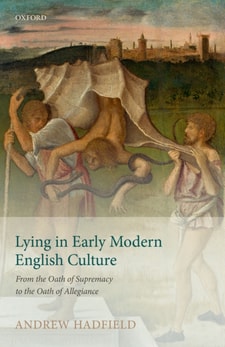
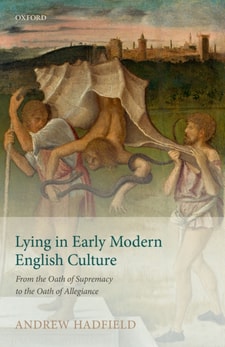
Lying in Early Modern English Culture is a major study of ideas of truth and falsehood in early modern England from the advent of the Reformation to the aftermath of the failed Gunpowder Plot.
Lying in Early Modern English Culture is a major study of ideas of truth and falsehood in early modern England from the advent of the Reformation to the aftermath of the failed Gunpowder Plot.
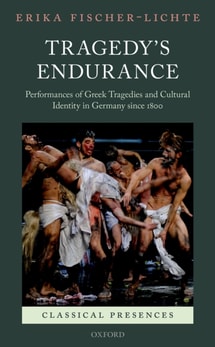
This volume sets out a novel approach to theatre historiography, presenting the history of performances of Greek tragedies in Germany since 1800 as the history of the evolving cultural identity of the educated middle class throughout that period.
Shakespeare and the English-speaking Cinema is a lively, authoritative, and innovative overview of the ways in which Shakespeare's plays have been adapted for cinema.
Despite the widespread popular sense that the Bible and the works of Shakespeare are the two great pillars of English culture, and despite the long-standing critical recognition that the Bible was a major source of Shakespeare's allusions and references, there has never been a full-length, critical study of the Bible in Shakespeare's plays.
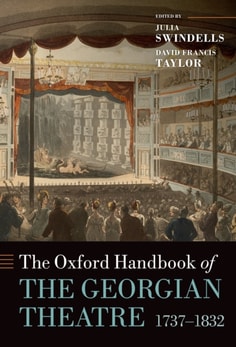
The Oxford Handbook of the Georgian Theatre 1737-1832 provides an essential guide to theatre in Britain between the passing of the Stage Licensing Act in 1737 and the Reform Act of 1832 -- a period of drama long neglected but now receiving significant scholarly attention.
The Oxford Handbook of the Georgian Theatre 1737-1832 provides an essential guide to theatre in Britain between the passing of the Stage Licensing Act in 1737 and the Reform Act of 1832 -- a period of drama long neglected but now receiving significant scholarly attention.
Born in Belfast during World War II, raised in a working-class Protestant family, and educated on scholarship at Queen's University, writer Stewart Parker's story is in many ways the story of his generation.
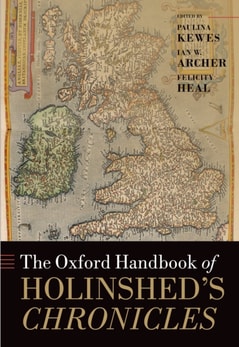
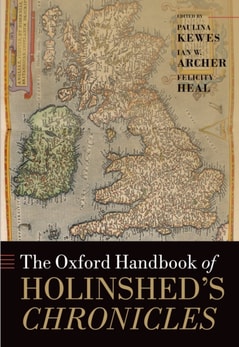
The Chronicles of England, Scotland and Ireland (1577, 1587), issued under the name of Raphael Holinshed, was the crowning achievement of Tudor historiography, and became the principal source for the historical writings of Spenser, Daniel and, above all, Shakespeare.
The Chronicles of England, Scotland and Ireland (1577, 1587), issued under the name of Raphael Holinshed, was the crowning achievement of Tudor historiography, and became the principal source for the historical writings of Spenser, Daniel and, above all, Shakespeare.
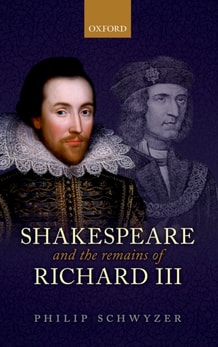
This book explores how recollections and traces of the reign of Richard III survived a century and more to influence the world and work of William Shakespeare.
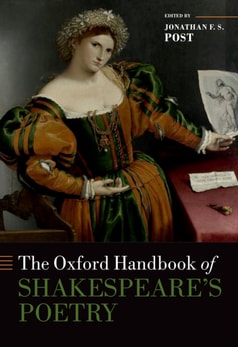
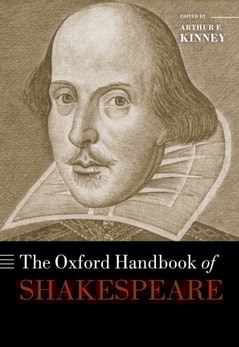
Situated within the Oxford Handbooks to Literature series, the group of Oxford Handbooks to Shakespeare are designed to record past and present investigations and renewed and revised judgments by both familiar and younger Shakespearean specialists.
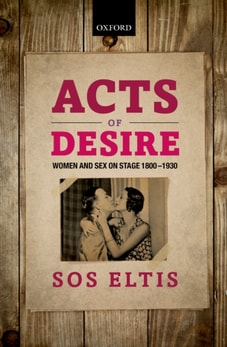
From seduced maidens to adulterous wives, bigamists, courtesans, kept women and streetwalkers, the so-called 'fallen woman' was a ubiquitous and enduring figure on the Victorian and Edwardian stage.
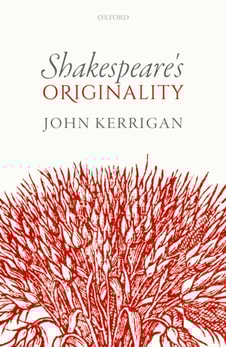
Shakespeare's characters are thought to be his greatest achievement--imaginatively autonomous, possessed of depth and individuality, while his plots are said to be second-hand and careless of details of time and place.