Though representations of alien languages on the early modern stage have usually been read as mocking, xenophobic, or at the very least extremely anxious, listening closely to these languages in the drama of Shakespeare and his contemporaries, Marianne Montgomery discerns a more complex reality.
A study of common and exotic food in Shakespeare's plays, this is the first book to explore early modern English dietary literature to understand better the significance of food in Shakespearean drama.
A study of common and exotic food in Shakespeare's plays, this is the first book to explore early modern English dietary literature to understand better the significance of food in Shakespearean drama.
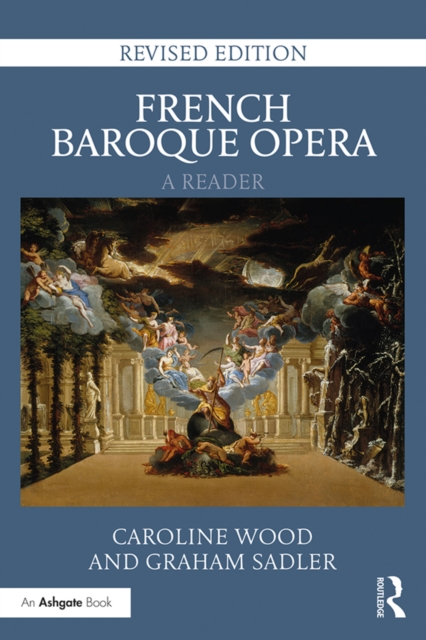
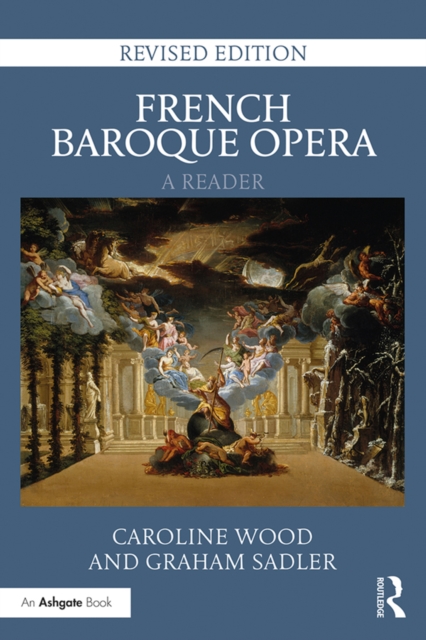
From the outset, French opera generated an enormous diversity of literature, familiarity with which greatly enhances our understanding of this unique art form.
From the outset, French opera generated an enormous diversity of literature, familiarity with which greatly enhances our understanding of this unique art form.
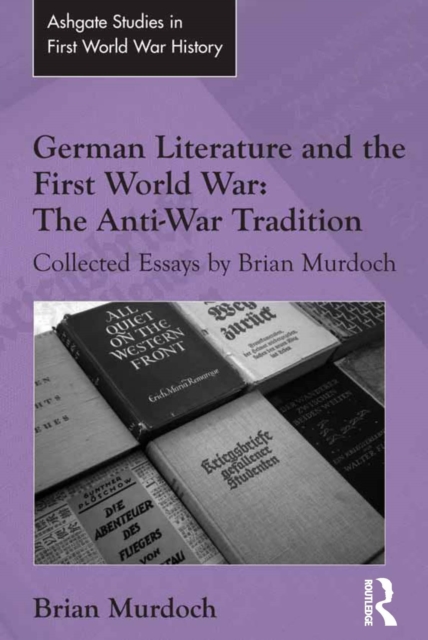
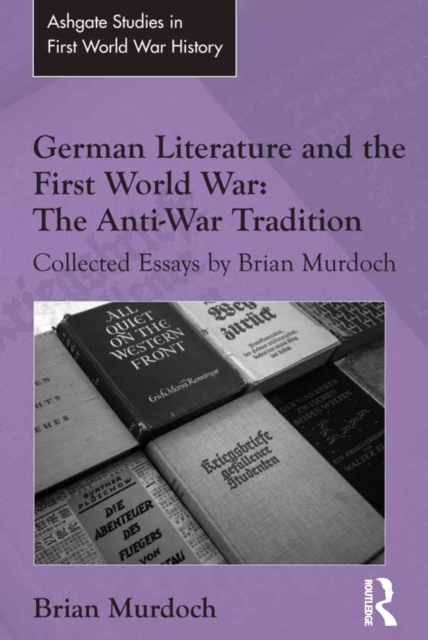
The period immediately following the end of the First World War witnessed an outpouring of artistic and literary creativity, as those that had lived through the war years sought to communicate their experiences and opinions.
The period immediately following the end of the First World War witnessed an outpouring of artistic and literary creativity, as those that had lived through the war years sought to communicate their experiences and opinions.
Impressive Shakespeare reassesses Shakespeare's relationship with "e;print culture"e; in light of his plays' engagement with the language and material culture of three interrelated "e;impressing technologies"e;: wax sealing, coining, and typographic printing.
Impressive Shakespeare reassesses Shakespeare's relationship with "e;print culture"e; in light of his plays' engagement with the language and material culture of three interrelated "e;impressing technologies"e;: wax sealing, coining, and typographic printing.
Reading God's will and a man's Last Will as ideas that reinforce one another, this study shows the relevance of England's early modern crisis, regarding faith in the will of God, to current debates by legal academics on the theory of property and its succession.
Reading God's will and a man's Last Will as ideas that reinforce one another, this study shows the relevance of England's early modern crisis, regarding faith in the will of God, to current debates by legal academics on the theory of property and its succession.
Investigating the interrelationships between orality and writing in elite and popular textual culture in early modern Italy, this volume shows how the spoken or sung word on the one hand, and manuscript or print on the other hand, could have interdependent or complementary roles to play in the creation and circulation of texts.
Investigating the interrelationships between orality and writing in elite and popular textual culture in early modern Italy, this volume shows how the spoken or sung word on the one hand, and manuscript or print on the other hand, could have interdependent or complementary roles to play in the creation and circulation of texts.
James Shirley was the last great dramatist of the English Renaissance, shining out among other luminaries such as John Ford, Ben Jonson, or Richard Brome.
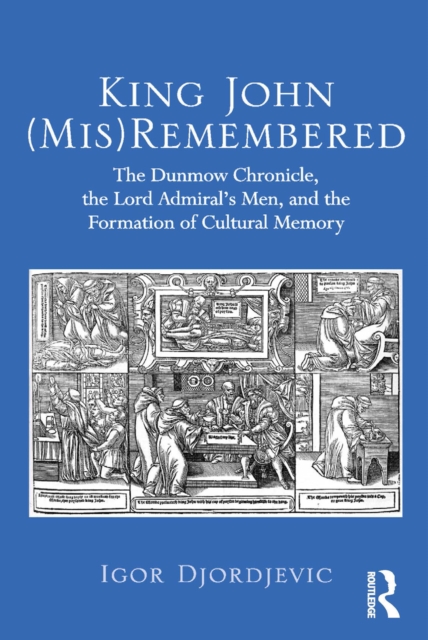
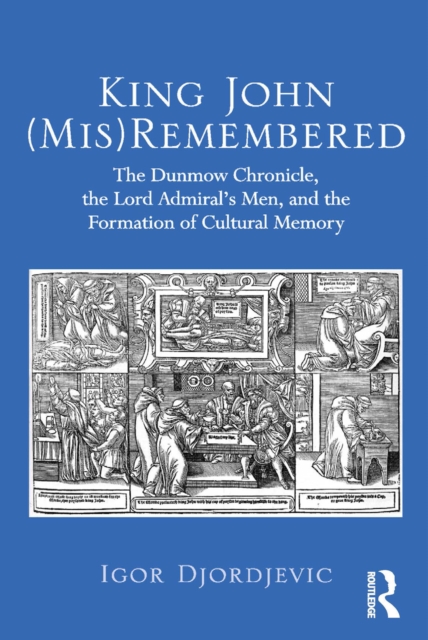
King John's evil reputation has outlasted and proved more enduring than that of Richard III, whose notoriety seemed ensured thanks to Shakespeare's portrayal of him.
King John's evil reputation has outlasted and proved more enduring than that of Richard III, whose notoriety seemed ensured thanks to Shakespeare's portrayal of him.
Even for scholars who have devoted their careers to the early modern theatre, the name John Lowin may not instantly evoke recognition-until now, the actor's life and contribution to the theatre of the period has never been the subject of a full-length publication.
Even for scholars who have devoted their careers to the early modern theatre, the name John Lowin may not instantly evoke recognition-until now, the actor's life and contribution to the theatre of the period has never been the subject of a full-length publication.
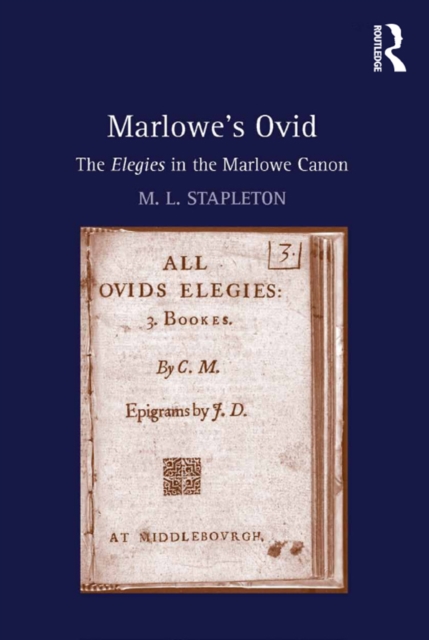
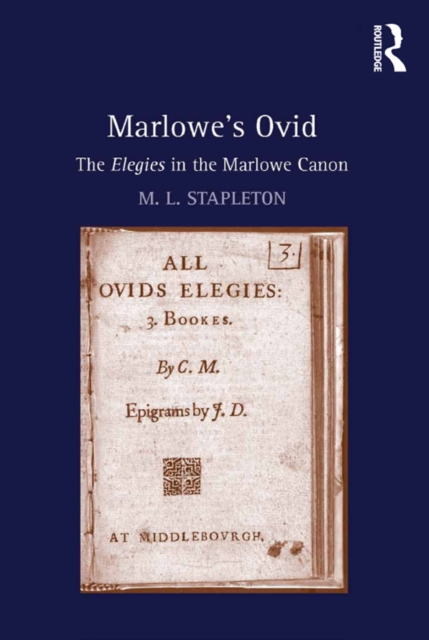
The first book of its kind, Marlowe's Ovid explores and analyzes in depth the relationship between the Elegies-Marlowe's translation of Ovid's Amores-and Marlowe's own dramatic and poetic works.
Marriage, Performance, and Politics at the Jacobean Court constitutes the first full-length study of Jacobean nuptial performance, a hitherto unexplored branch of early modern theater consisting of masques and entertainments performed for high-profile weddings.
Marriage, Performance, and Politics at the Jacobean Court constitutes the first full-length study of Jacobean nuptial performance, a hitherto unexplored branch of early modern theater consisting of masques and entertainments performed for high-profile weddings.
Masculinity and Marian Efficacy in Shakespeare's England offers a new approach to evaluating the psychological 'loss' of the Virgin Mary in post-Reformation England by illustrating how, in the wake of Mary's demotion, re-inscriptions of her roles and meanings only proliferated, seizing hold of national imagination and resulting in new configurations of masculinity.
Masculinity and Marian Efficacy in Shakespeare's England offers a new approach to evaluating the psychological 'loss' of the Virgin Mary in post-Reformation England by illustrating how, in the wake of Mary's demotion, re-inscriptions of her roles and meanings only proliferated, seizing hold of national imagination and resulting in new configurations of masculinity.
Though recent scholarship has focused both on motherhood and on romance literature in early modern England, until now, no full length volume has addressed the notable intersections between the two topics.
Though recent scholarship has focused both on motherhood and on romance literature in early modern England, until now, no full length volume has addressed the notable intersections between the two topics.
Bringing together the previously disparate fields of historical witchcraft, reception history, poetics, and psychoanalysis, this innovative study shows how the glamour of the historical witch, a spell that she cast, was set on a course, over a span of three hundred years from the sixteenth to the eighteenth centuries, to become a generally broadcast glamour of appearance.
Bringing together the previously disparate fields of historical witchcraft, reception history, poetics, and psychoanalysis, this innovative study shows how the glamour of the historical witch, a spell that she cast, was set on a course, over a span of three hundred years from the sixteenth to the eighteenth centuries, to become a generally broadcast glamour of appearance.
The first book-length study devoted to this topic, Mendacity and the Figure of the Liar in Seventeenth-Century French Comedy offers an important contribution to scholarship on the theatre as well as on early modern attitudes in France, specifically on the subject of lying and deception.
The first book-length study devoted to this topic, Mendacity and the Figure of the Liar in Seventeenth-Century French Comedy offers an important contribution to scholarship on the theatre as well as on early modern attitudes in France, specifically on the subject of lying and deception.
Taking into consideration the political and literary issues hanging upon the circulation of Machiavelli's works in England, this volume highlights how topics and ideas stemming from Machiavelli's books - including but not limited to the Prince - strongly influenced the contemporary political debate.
Taking into consideration the political and literary issues hanging upon the circulation of Machiavelli's works in England, this volume highlights how topics and ideas stemming from Machiavelli's books - including but not limited to the Prince - strongly influenced the contemporary political debate.
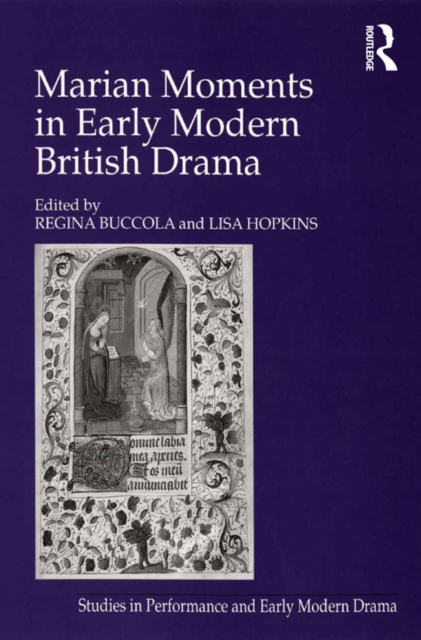
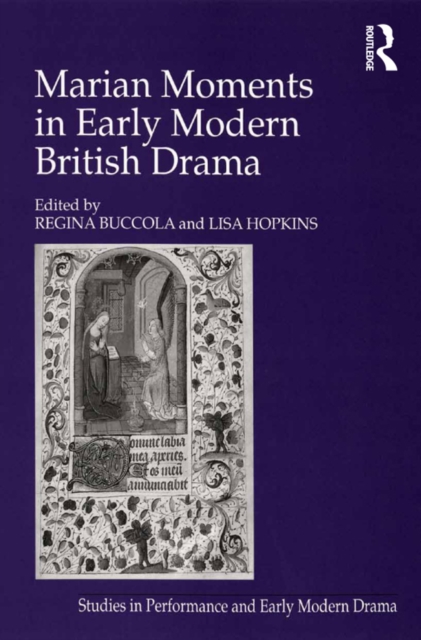
Concerning itself with the complex interplay between iconoclasm against images of the Virgin Mary in post-Reformation England and stage representations that evoke various 'Marian moments' from the medieval, Catholic past, this collection answers the call for further investigation of the complex relationship between the fraught religio-political culture of the early modern period and the theater that it spawned.
Concerning itself with the complex interplay between iconoclasm against images of the Virgin Mary in post-Reformation England and stage representations that evoke various 'Marian moments' from the medieval, Catholic past, this collection answers the call for further investigation of the complex relationship between the fraught religio-political culture of the early modern period and the theater that it spawned.
The first book of its kind, Marlowe's Ovid explores and analyzes in depth the relationship between the Elegies-Marlowe's translation of Ovid's Amores-and Marlowe's own dramatic and poetic works.
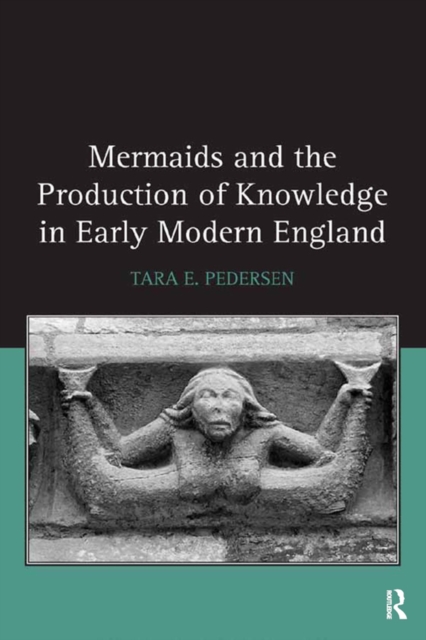
We no longer ascribe the term 'mermaid' to those we deem sexually or economically threatening; we do not ubiquitously use the mermaid's image in political propaganda or feature her within our houses of worship; perhaps most notably, we do not entertain the possibility of the mermaid's existence.
In early modern Spain, theater reached the height of its popularity during the same decades in which Spanish monarchs were striving to consolidate their power.
In early modern Spain, theater reached the height of its popularity during the same decades in which Spanish monarchs were striving to consolidate their power.