Witchcraft and magical beliefs have captivated historians and artists for millennia, and stimulated an extraordinary amount of research among scholars in a wide range of disciplines.
Witchcraft and magical beliefs have captivated historians and artists for millennia, and stimulated an extraordinary amount of research among scholars in a wide range of disciplines.
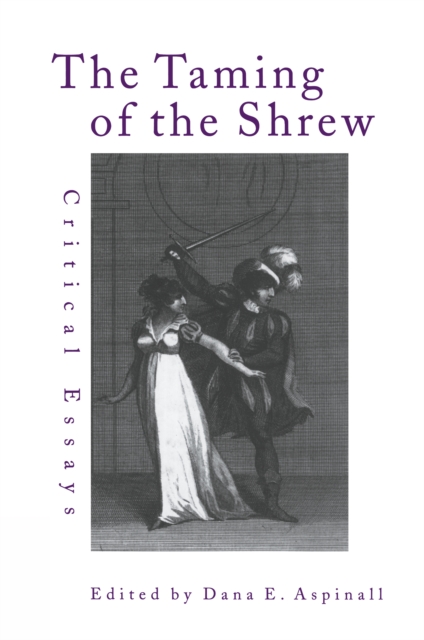
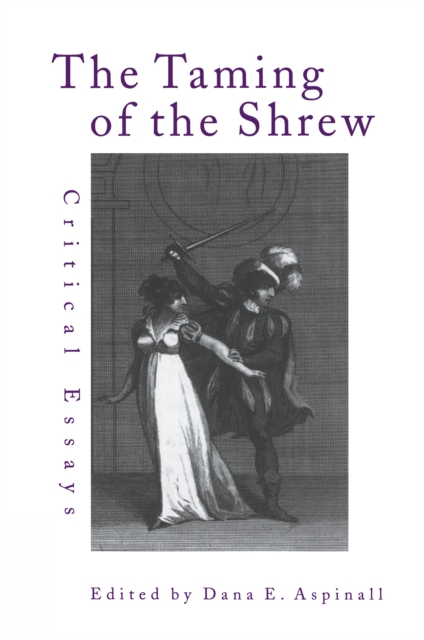
This volume is a comprehensive collection of critical essays on The Taming of the Shrew, and includes extensive discussions of the play's various printed versions and its theatrical productions.
This volume is a comprehensive collection of critical essays on The Taming of the Shrew, and includes extensive discussions of the play's various printed versions and its theatrical productions.
This Guide includes the primary and secondary works and summaries of plays of 15 prominent African American women playwrights including Lorraine Hansberry, Ntozake Shange, Adrienne Kennedy, Alice Childress, Zora Neale Hurston, Georgia Douglas Johnson.
This Guide includes the primary and secondary works and summaries of plays of 15 prominent African American women playwrights including Lorraine Hansberry, Ntozake Shange, Adrienne Kennedy, Alice Childress, Zora Neale Hurston, Georgia Douglas Johnson.
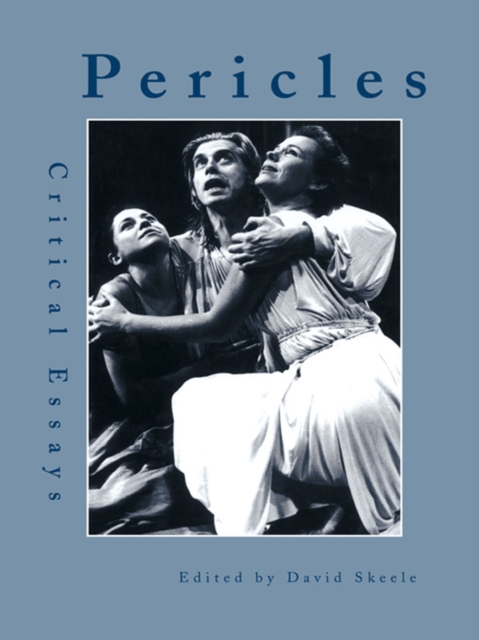
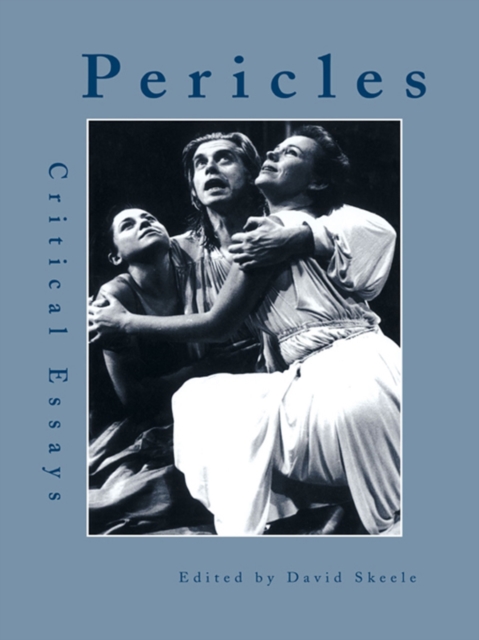
Pericles: Critical Essays brings together the most essential critical essays and theatrical reviews of Shakespeare's play from the late 17th century to the present, providing a representative gathering of critical opinion of Pericles over the centuries.
Pericles: Critical Essays brings together the most essential critical essays and theatrical reviews of Shakespeare's play from the late 17th century to the present, providing a representative gathering of critical opinion of Pericles over the centuries.
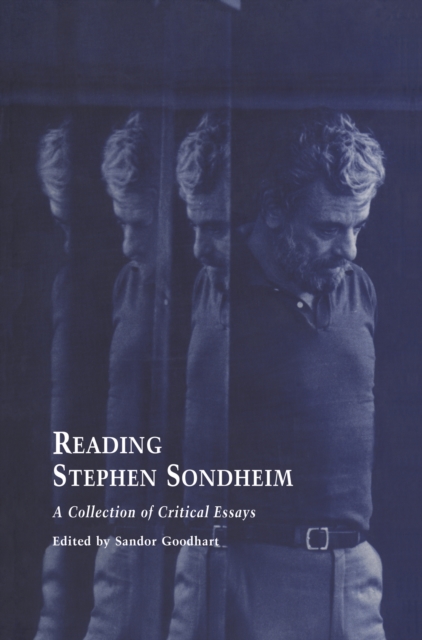
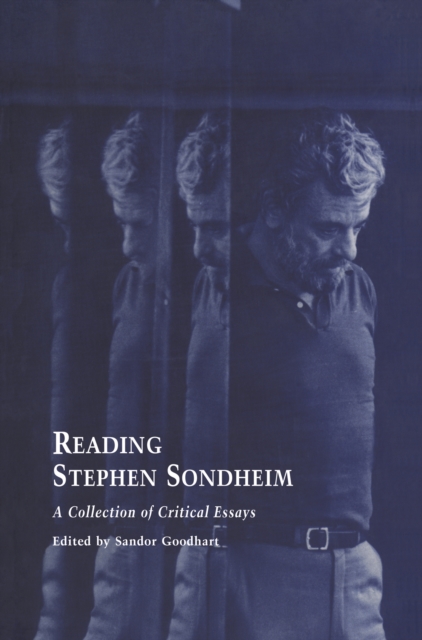
Stephen Sondheim is arguably the most important writer for the American musical stage today, the equivalent in his field of Miller, Albee, O'Neill, and Williams.
Stephen Sondheim is arguably the most important writer for the American musical stage today, the equivalent in his field of Miller, Albee, O'Neill, and Williams.
This comprehensive collection gathers critical essays on the major works of the foremost American and British playwrights of the 20th century, written by leading figures in drama/performance studies.
This comprehensive collection gathers critical essays on the major works of the foremost American and British playwrights of the 20th century, written by leading figures in drama/performance studies.
This book offers a theoretical rationale for the emerging presentist movement in Shakespeare studies and goes on to show, in a series of close readings, that a presentist Shakespeare is not an anachronism.
This book offers a theoretical rationale for the emerging presentist movement in Shakespeare studies and goes on to show, in a series of close readings, that a presentist Shakespeare is not an anachronism.
In this book, McMahon considers Early Modern revenge plays from a political science perspective, paying particular attention to the construction of family and state institutions.
In this book, McMahon considers Early Modern revenge plays from a political science perspective, paying particular attention to the construction of family and state institutions.
This collection documents and examines political and protest theatre produced between the 9/11 attacks in 2001 and Obama's election in 2008 by British and American artists responding to their own governments' actions and policies during this time.
This collection documents and examines political and protest theatre produced between the 9/11 attacks in 2001 and Obama's election in 2008 by British and American artists responding to their own governments' actions and policies during this time.
Upon initial publication in 1956, this book was an attempt to re-state certain problems concerning the aesthetics and ethics of the tragic form; to examine these in relation to contemporary work in psychology and anthropology; to enquire into the significance of 'the fact or experience called tragedy' in the modern world; and to suggest a synthesis in terms of the Christian tradition.
Upon initial publication in 1956, this book was an attempt to re-state certain problems concerning the aesthetics and ethics of the tragic form; to examine these in relation to contemporary work in psychology and anthropology; to enquire into the significance of 'the fact or experience called tragedy' in the modern world; and to suggest a synthesis in terms of the Christian tradition.
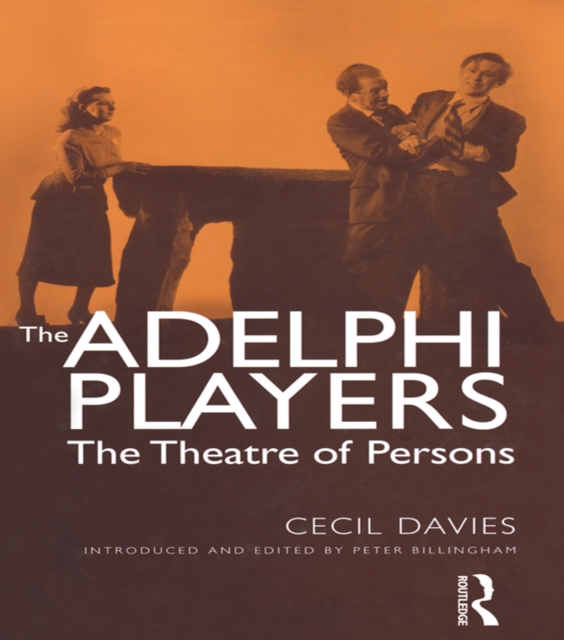
Cecil Davies' The Adelphi Players: The Theatre of Persons represents a uniquely interesting contribution to our understanding of touring British theatre in the mid-twentieth-century, post-war period.
Cecil Davies' The Adelphi Players: The Theatre of Persons represents a uniquely interesting contribution to our understanding of touring British theatre in the mid-twentieth-century, post-war period.