This book critically analyzes the body of English language translations Moliere's work for the stage, demonstrating the importance of rhyme and verse forms, the creative work of the translator, and the changing relationship with source texts in these translations and their reception.
This book critically analyzes the body of English language translations Moliere's work for the stage, demonstrating the importance of rhyme and verse forms, the creative work of the translator, and the changing relationship with source texts in these translations and their reception.
For its eighteenth volume, The Shakespearean International Yearbook surveys the present state of Shakespeare studies, addressing issues that are fundamental to our interpretive encounter with Shakespeare's work and his time, across the whole spectrum of his literary output.
Household Servants in Early Modern Domestic Tragedy considerably advances existing scholarship on the institution of service in early modern culture and as represented on the early modern stage.
For its eighteenth volume, The Shakespearean International Yearbook surveys the present state of Shakespeare studies, addressing issues that are fundamental to our interpretive encounter with Shakespeare's work and his time, across the whole spectrum of his literary output.
Household Servants in Early Modern Domestic Tragedy considerably advances existing scholarship on the institution of service in early modern culture and as represented on the early modern stage.
Four hundred years after William Shakespeare's death, his works continue to not only fill playhouses around the world, but also be adapted in various forms for consumption in popular culture, including in film, television, comics and graphic novels, and digital media.
Four hundred years after William Shakespeare's death, his works continue to not only fill playhouses around the world, but also be adapted in various forms for consumption in popular culture, including in film, television, comics and graphic novels, and digital media.
Women Writing and Directing in the USA: A Stage of Our Own features interviews with some of the most successful theatre artists currently working on and off Broadway and beyond.
Women Writing and Directing in the USA: A Stage of Our Own features interviews with some of the most successful theatre artists currently working on and off Broadway and beyond.
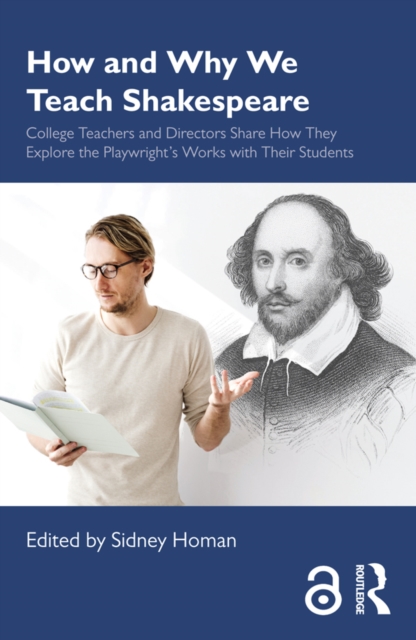
In How and Why We Teach Shakespeare, 19 distinguished college teachers and directors draw from their personal experiences and share their methods and the reasons why they teach Shakespeare.
Unspeakable: Literature and Terrorism from the Gunpowder Plot to 9/11 explores the representation of terrorism in plays, novels, and films across the centuries.
Unspeakable: Literature and Terrorism from the Gunpowder Plot to 9/11 explores the representation of terrorism in plays, novels, and films across the centuries.
This carefully crafted ebook: "e;Fyodor Dostoyevsky: Memoirs, Letters and Autobiographical Works"e; is formatted for your eReader with a functional and detailed table of contents.
Within the last generation, Canadian drama, like other literary forms, has seen the emergence of works by women that re-vision the role of women in history.
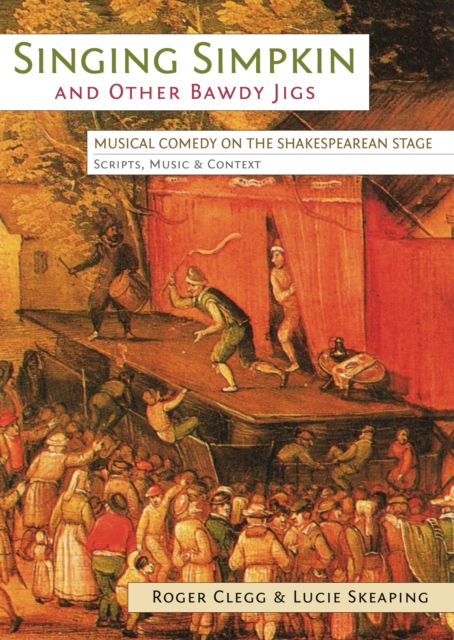
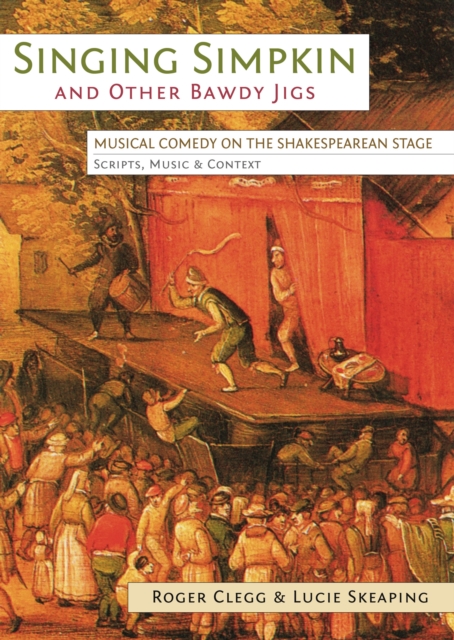
A popular crowd-pleaser in the late 16th and mid-17th century, the dramatic jig was a short, comic, bawdy musical-drama which included elements of dance, slapstick and disguise.
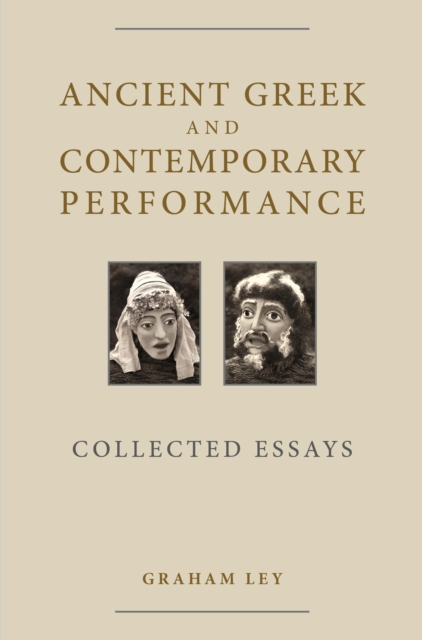
This collection of published and unpublished essays connects antiquity with the present by debating the current prohibiting conceptions of performance theory and the insistence on a limited version of 'the contemporary'.
This collection of published and unpublished essays connects antiquity with the present by debating the current prohibiting conceptions of performance theory and the insistence on a limited version of 'the contemporary'.
A popular crowd-pleaser in the late 16th and mid-17th century, the dramatic jig was a short, comic, bawdy musical-drama which included elements of dance, slapstick and disguise.
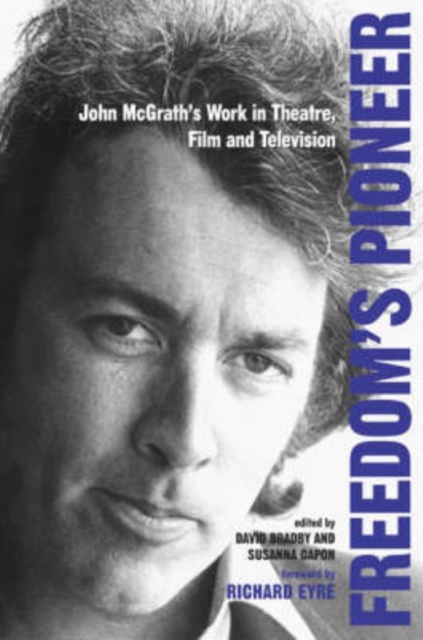
John McGrath's plays are compulsory reading and viewing for students of drama, film and television courses in many University and Further Education departments and yet despite recognition of the central importance of McGrath's work, very little has been written about him.
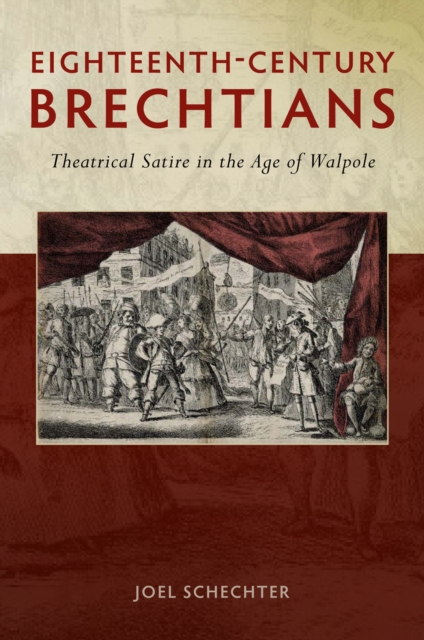
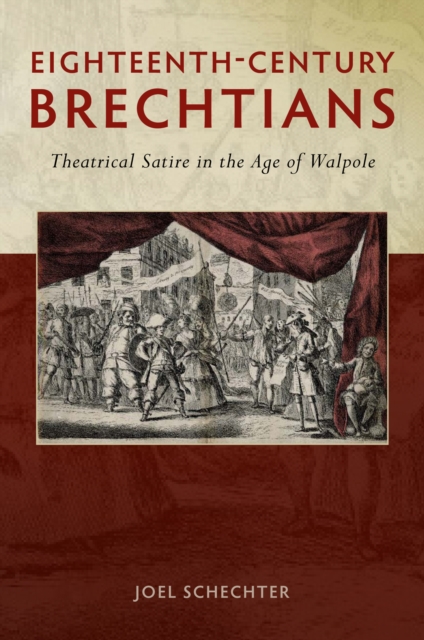
Discussing the actor mutiny of 1733, theatre censorship, controversial plays and Fielding's forgery of an actor's biography, the book contends that some subversive Augustan and Georgian artists were early Brechtians.
Discussing the actor mutiny of 1733, theatre censorship, controversial plays and Fielding's forgery of an actor's biography, the book contends that some subversive Augustan and Georgian artists were early Brechtians.
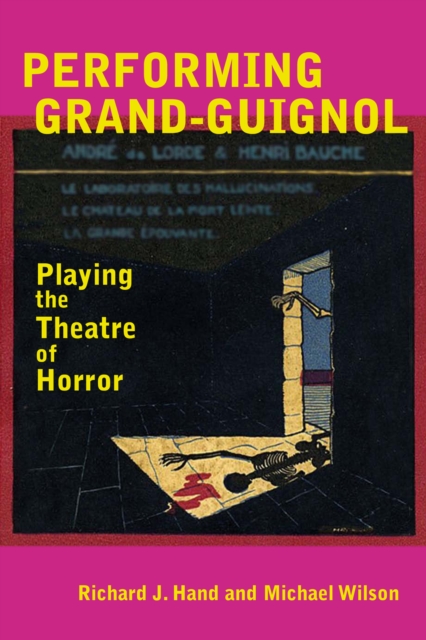
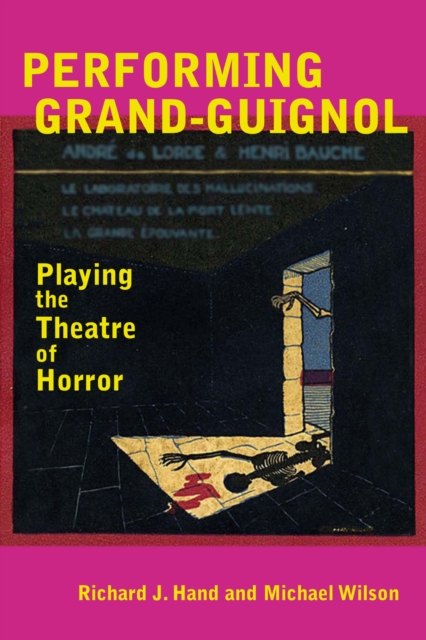
From the authors of the successful Grand-Guignol and London's Grand Guignol - also published by UEP this book includes translations of a further eleven plays, adding significantly to the repertoire of Grand-Guignol plays available in the English language.
From the authors of the successful Grand-Guignol and London's Grand Guignol - also published by UEP this book includes translations of a further eleven plays, adding significantly to the repertoire of Grand-Guignol plays available in the English language.
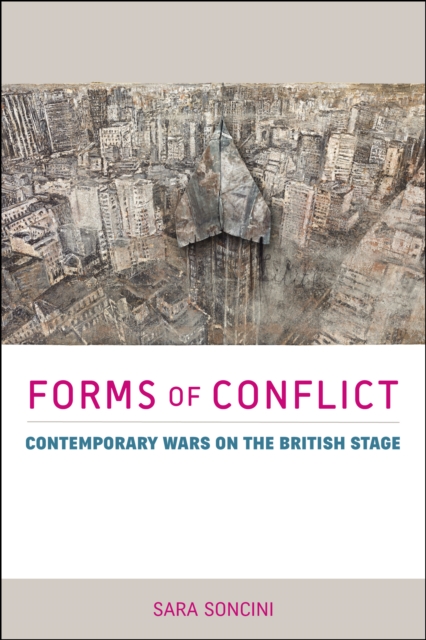
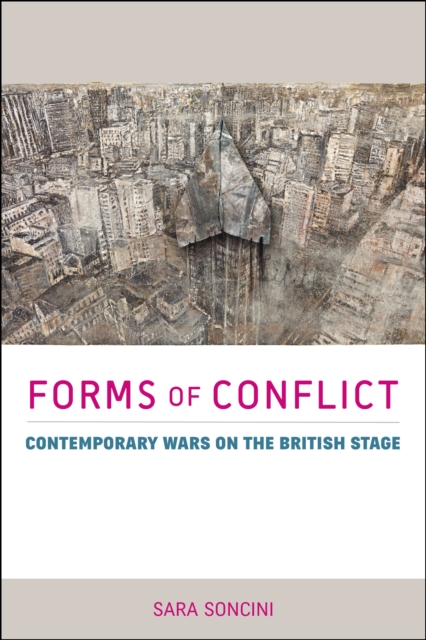
Forms of Conflict is a full-length study of the representation of contemporary warfare on the British stage and investigates the strategies deployed by theatre practitioners in Britain as they meet the representational challenges posed by the 'new wars' of the global era.
Forms of Conflict is a full-length study of the representation of contemporary warfare on the British stage and investigates the strategies deployed by theatre practitioners in Britain as they meet the representational challenges posed by the 'new wars' of the global era.
"The evil that men do" has been chronicled for thousands of years on the European stage, and perhaps nowhere else is human fear of our own evil more detailed than in its personifications in theater.
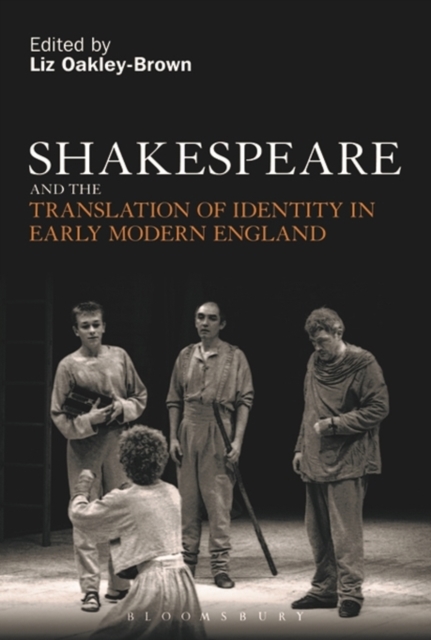
Featuring contributions by established and upcoming scholars, Shakespeare and the Translation of Identity in Early Modern England explores the ways in which Shakespearean texts engage in the social and cultural politics of sixteenth- and early seventeenth-century translation practices.