This new volume in the Shakespeare: The Critical Tradition increases our knowledge of how Twelfth Night was received and understood by critics, editors and general readers.
First published in 1974, European Drama of the Early Middle Ages stresses the distinctive variety of the dramatic traditions, both secular and religious, and shows that throughout the period the popular and profane was a constant and lively source of enrichment to the mainstream of charge drama.
This six-volume anthology documents the history of women's drama throughout the 18th century, starting with the emergence in 1695-6 of the second generation of women dramatists to Aphra Benn.
This book offers a captivating exploration of the evolving dynamics of language, dialogue and identity in modern theatre, highlighting the pioneering contributions of European playwrights Martin Crimp, Jon Fosse, Sarah Kane, Elfriede Jelinek and Roland Schimmelpfennig.
This six-volume anthology documents the history of women's drama throughout the 18th century, starting with the emergence in 1695-6 of the second generation of women dramatists to Aphra Benn.
First published in 1975, The Psychology of Tragic Drama offers an interpretation of some of the themes of both ancient and modern tragic drama through an investigation of the plays in the light of psychoanalytical ideas.
The authoritative guide to teaching Shakespeare's A Midsummer Night's Dream, The Folger Guide to Teaching A Midsummer Night's Dream is an invaluable resource for teachers, students, and Shakespeare fans alike.
A Student Edition of Lucy Prebble's acclaimed 2012 play, which looks at two people on a clinical drugs trial and investigates questions around sanity, neurology, physical attraction and the possibilities of medicine.
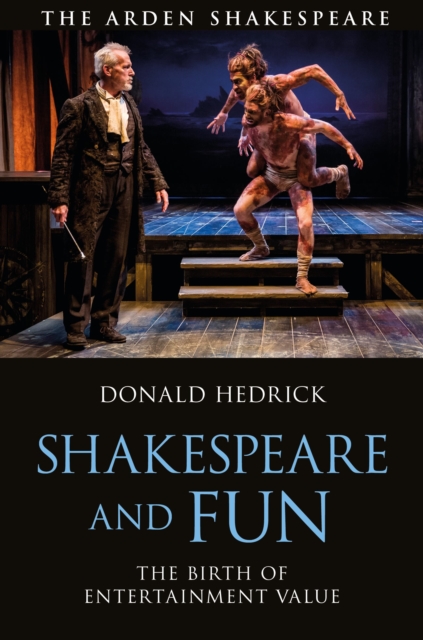
In this bold, original study Hedrick proposes an early modern 'entertainment value' revolution, to which Shakespeare contributed and in which he played a competitive role.
In the wake of both Joycean and Dantean celebrations, this volume aims to investigate the fecund influence of Italian culture on Samuel Beckett's work, with a specific focus on the twentieth century.
Gegenstand der Untersuchung sind die umfangreichen Anmerkungsapparate des barocken Dichters Daniel Casper von Lohenstein (1635–1638) zu seinen Trauerspielen.
This book presents an overview of the literature of Brunei, surveying literary traditions, innovations, and new approaches as well as historical and contemporary issues and challenges.
This book provides readers with the tools to unravel the complexities of one of the most difficult sonnet sequences, introducing them to the literary tradition, themes, stylistic features and cultural contexts of the genre and the collection, and offering close readings of more than 100 sonnets.
This six-volume anthology documents the history of women's drama throughout the 18th century, starting with the emergence in 1695-6 of the second generation of women dramatists to Aphra Benn.
This six-volume anthology documents the history of women's drama throughout the 18th century, starting with the emergence in 1695-6 of the second generation of women dramatists to Aphra Benn.
Shakespeare's Shrews: Italian Traditions of Paradoxes and the Woman's Debate investigates the echoes of two early modern discourses-paradoxical writing and the woman's question or querelle des femmes-in the representation of the "e;Shakespearean shrew"e; in The Taming of the Shrew, Much Ado About Nothing, and Othello.
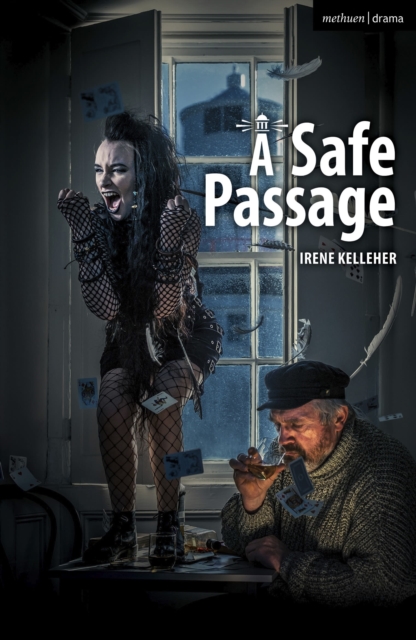
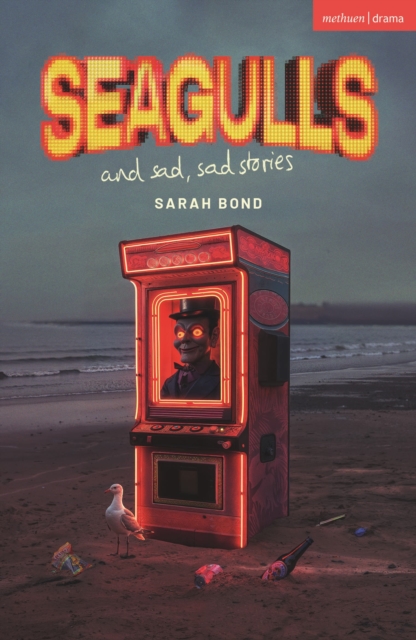
Nominated for The Stage Debut Award for Best Writer 2025And in the Muppets, right, there's this bit where the one with nee eyes and the one that looks like a pink dildo with fur on top go to Scrooge and they're like 'here man it's Christmas, give us some money for poor people', and Scrooge is like 'nar because I pay tax for prisons and workhouses ya mug.
Shakespeare's plays are poetical masterpieces that not only mesmerize us with their lyrical beauty but also convey sage messages critically important to humanity.
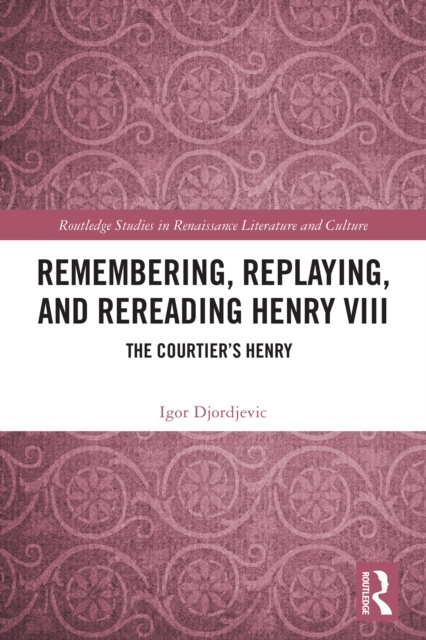
This book begins by asking about the memorial issues involved in the replaying of an old history play, Shakespeare and Fletcher's Henry VIII, at the Globe on 29 July 1628, but it is not primarily concerned with the memory of a single individual, George Villiers, 1st Duke of Buckingham who paid for the production, nor even of a single day, when he seemed to try to evoke the memories of a small group of people gathered at the theatre for a singular purpose.