French Drama of the Revolutionary Years (1990) examines the years following the Revolution which saw an explosion both in the number of theatres and in the number of dramatic representations written and performed.
French Drama of the Revolutionary Years (1990) examines the years following the Revolution which saw an explosion both in the number of theatres and in the number of dramatic representations written and performed.
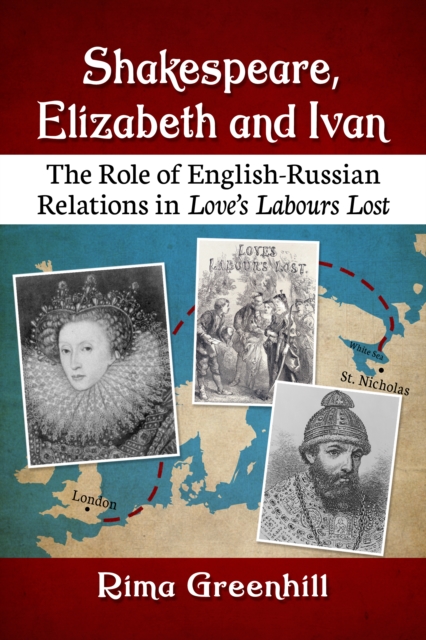
Shakespeare's comedy Love's Labour's Lost has perplexed scholars and theatergoers for over 400 years due to its linguistic complexity, obscure topical allusions and decidedly non-comedic ending.
This anthology examines maternity in contemporary performance at the intersection of a wide range of topics from nationhood to mental health, queer parenting, embodied dramaturgy, cultural practice, and immigration.
This anthology examines maternity in contemporary performance at the intersection of a wide range of topics from nationhood to mental health, queer parenting, embodied dramaturgy, cultural practice, and immigration.
The chapters in this book constitute a timely response to an important moment for early modern cultural studies: the academy has been called to attend to questions of social justice.
The chapters in this book constitute a timely response to an important moment for early modern cultural studies: the academy has been called to attend to questions of social justice.
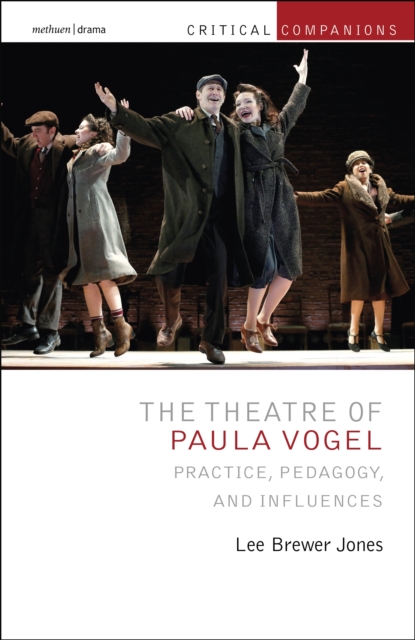
In this volume, Lee Brewer Jones examines Paula Vogel as both a playwright and renowned teacher, analyzing texts and early reviews of Vogel's major plays-including Indecent, Desdemona, How I Learned to Drive, and The Baltimore Waltz-before turning attention to her influence upon other major American playwrights, including Sarah Ruhl, Lynn Nottage, and Quiara Alegr a Hudes.
In this volume, Lee Brewer Jones examines Paula Vogel as both a playwright and renowned teacher, analyzing texts and early reviews of Vogel's major plays-including Indecent, Desdemona, How I Learned to Drive, and The Baltimore Waltz-before turning attention to her influence upon other major American playwrights, including Sarah Ruhl, Lynn Nottage, and Quiara Alegr a Hudes.
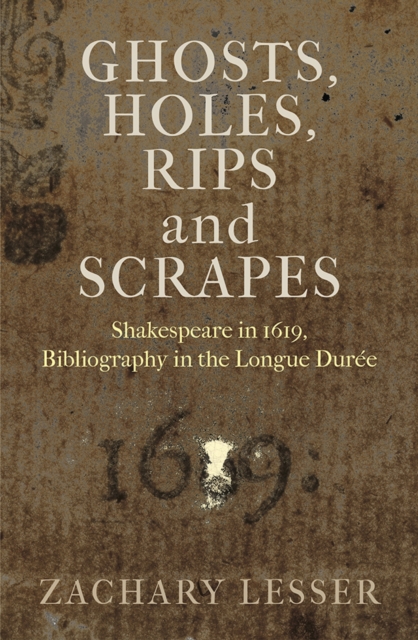
Four years before the publication of the First Folio, a group of London printers and booksellers attempted to produce a "e;collected works"e; of William Shakespeare, not in an imposingly large format but as a series of more humble quarto pamphlets.
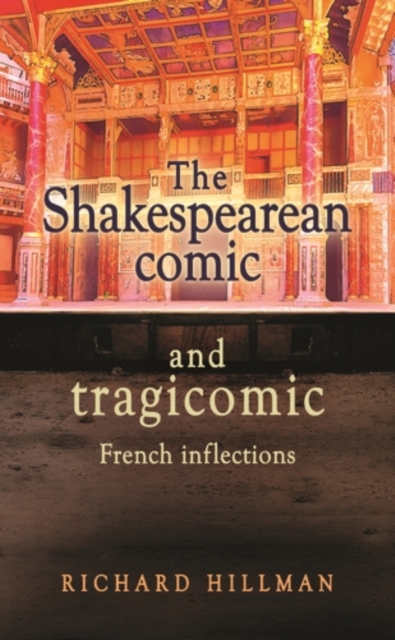
In exploring links between the early modern English theatre and France, Richard Hillman focuses on Shakespeare's deployment of genres whose dominant Italian models and affinities might seem to leave little scope for French ones.
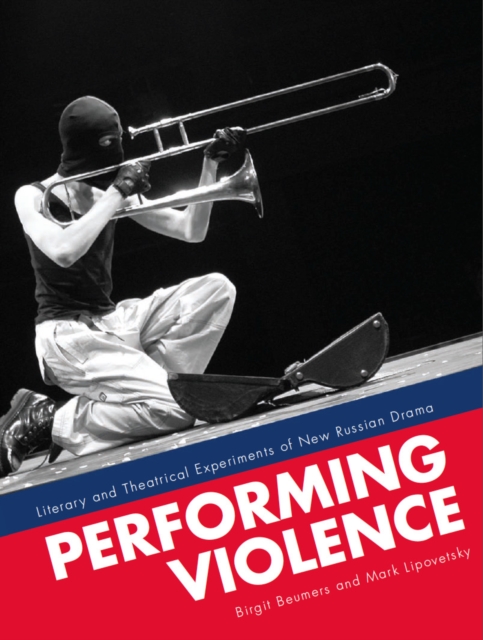
New Russian Drama began its rise at the end of the twentieth century, following a decline in dramatic writing in Russia that stemmed back to the 1980s.
A lively and engaging guide to vital habits of mind that can help you think more deeply, write more effectively, and learn more joyfullyHow to Think like Shakespeare is a brilliantly fun exploration of the craft of thoughtone that demonstrates what we've lost in education today, and how we might begin to recover it.
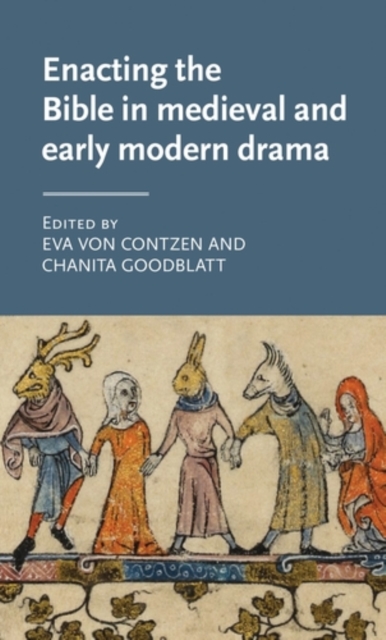
The thirteen chapters in this collection open up new horizons for the study of biblical drama by putting special emphasis on multitemporality, the intersections of biblical narrative and performance, and the strategies employed by playwrights to rework and adapt the biblical source material in Catholic, Protestant and Jewish culture.