The commentary at the centre of this groundbreaking introduction alerts the reader to what happens on stage during a performance by showing what the text requires from actors and the choices they are offered.
This guide provides a survey of the wide range of responses to Macbeth, as well as the key debates and developments from the 17th century to the present day.
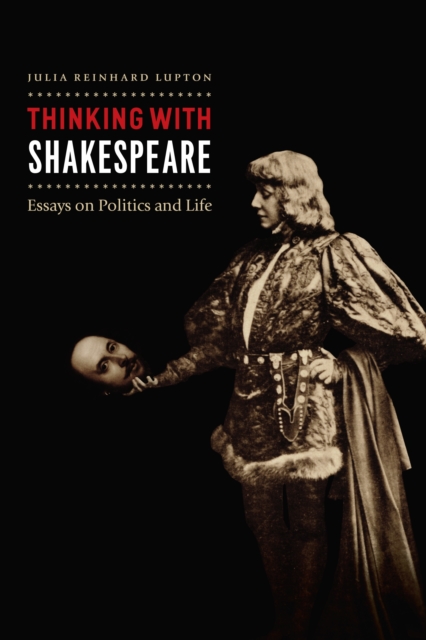
In the study of Shakespeare since the eighteenth century, four key concepts have served to situate Shakespeare in history: chronology, periodization, secularization, and anachronism.
This introduction to the performance potential of one of Shakespeare's most theatrically exciting plays provides extensive commentary that explores the challenges faced by actors and directors and encourages readers to engage imaginatively with Shakespeare's words.
An illuminating account of how Shakespeare worked through the tensions of Queen Elizabeth’s England in two canon-defining plays Conspiracies and revolts simmered beneath the surface of Queen Elizabeth’s reign.
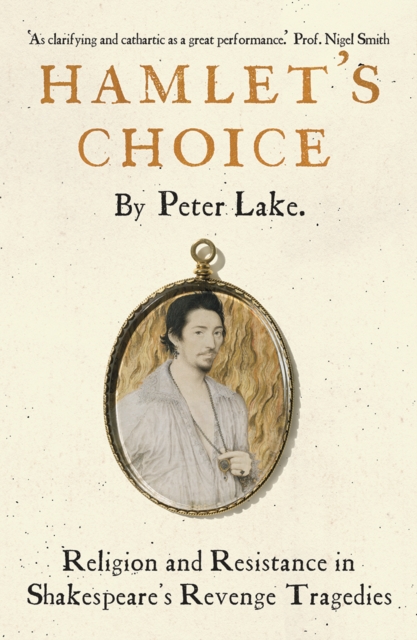
Readers of Shakespeare’s greatest tragedies have long noted the absence of readily explainable motivations for some of Shakespeare’s greatest characters: why does Hamlet delay his revenge for so long?
An original and provocative analysis of Eugene O'Neill's unfinished cycle play project From 1935 to 1939, Eugene O'Neill worked on a series of plays that would trace the history of an American family through several generations.
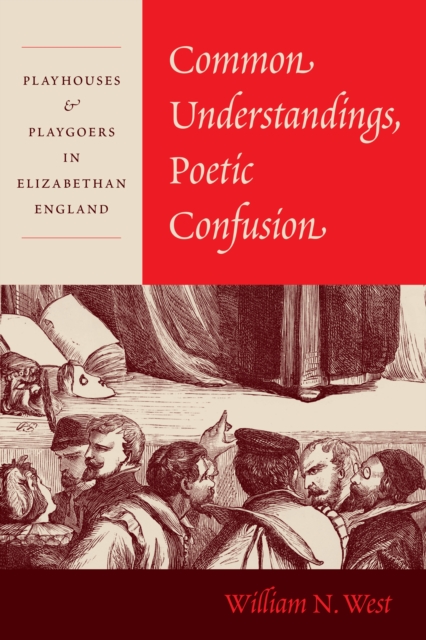
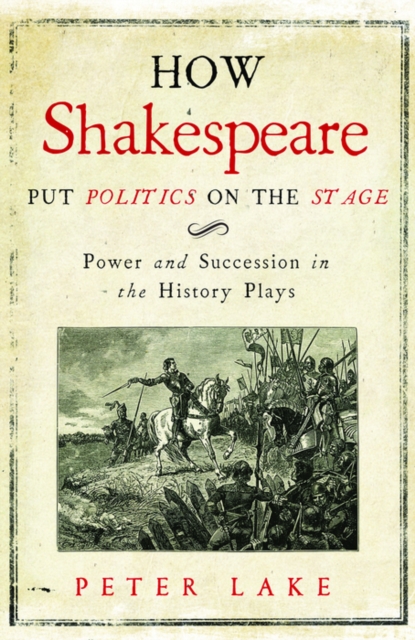
A masterful, highly engaging analysis of how Shakespeare’s plays intersected with the politics and culture of Elizabethan England With an ageing, childless monarch, lingering divisions due to the Reformation, and the threat of foreign enemies, Shakespeare’s England was fraught with unparalleled anxiety and complicated problems.
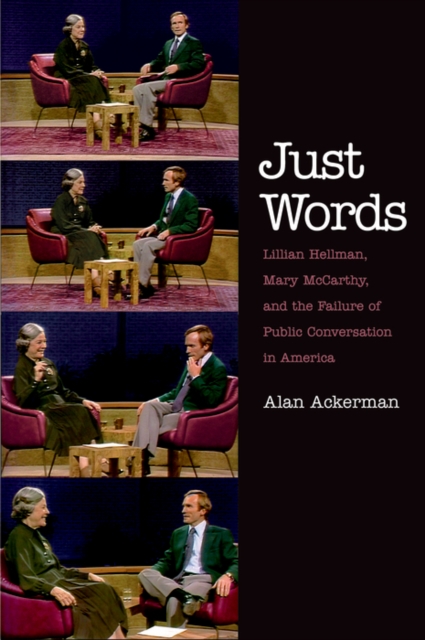
In an appearance on The Dick Cavett Show in 1980, the critic Mary McCarthy glibly remarked that every word author Lillian Hellman wrote was a lie, "e;including 'and' and 'the.
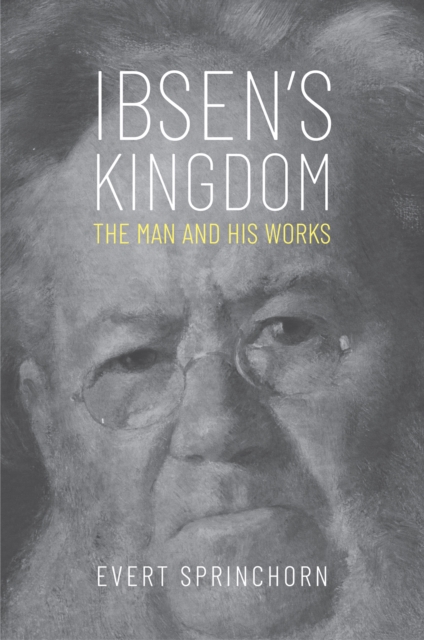
A major biography of one of the most important figures in modern drama, evoked through a biographical reading of his plays Norwegian playwright Henrik Ibsen achieved unparalleled success in his lifetime and remains one of the most important figures in modern drama.
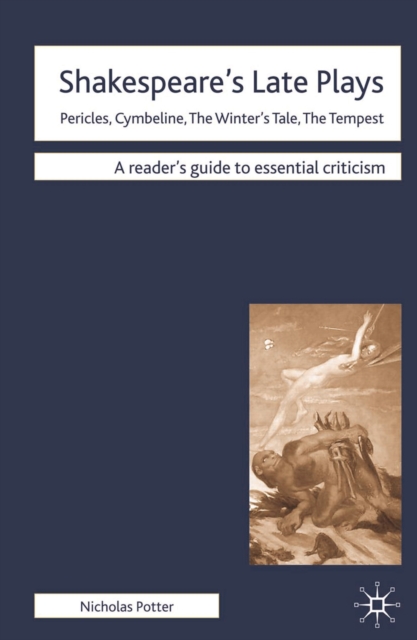
Shakespeare's late plays are a 'mixed bag' with a common theme: from the fiendishly jealous Leontes to the saintly Pericles; from the ineffectual Cymbeline to the omnipotent Propspero; from the 'sprites and goblins' of The Tempest to the famous bear of The Winter's Tale, the characters have excited wonder and contempt while the range of incident is almost irresponsibly extravagant.
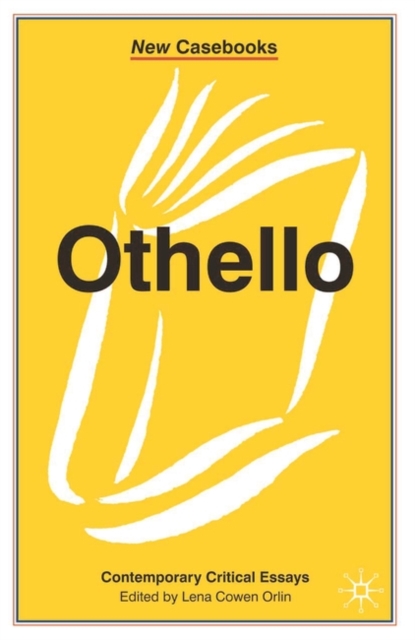
With its focus on gender, power, race, sexuality, and violence, Othello is an important site for new critical approaches to the study of Shakespeare's works.
This introductory guide to one of Marlowe's most widely-studied plays offers a scene-by-scene theatrically aware commentary, a brief history of the text and first performances, case studies of key performances and productions, a survey of screen adaptations, and a wide sampling of critical opinion and further reading.
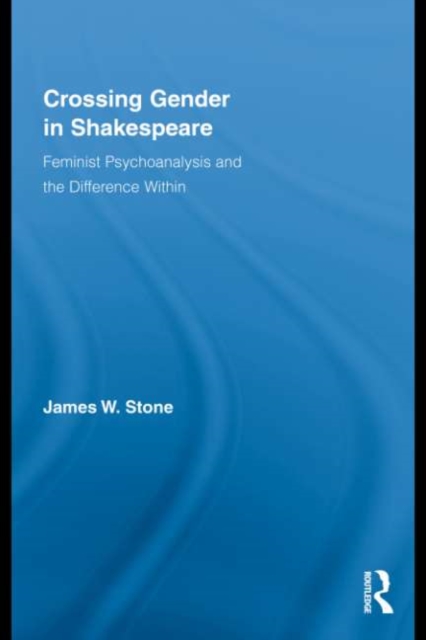
In this book, Stone effects a return to gender, after many years of neglect by Twenty-First-Century critics, via a methodology of close reading that foregrounds moments of sexual decentering and disequilibrium within the text and in the interstices of the dialogue between Shakespeare and his critics.
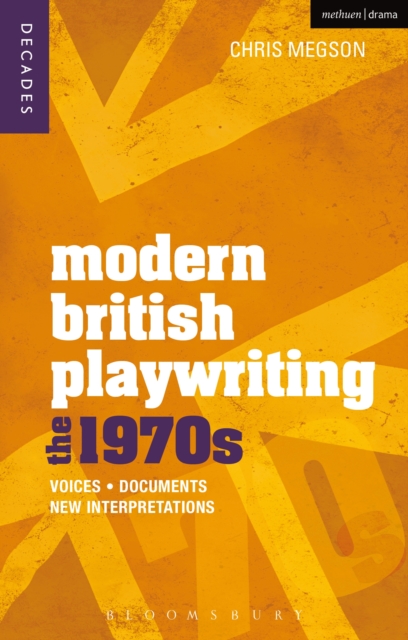
Essential for students of Theatre Studies, this series of six decadal volumes provides a critical survey and reassessment of the theatre produced in each decade from the 1950s to the present.
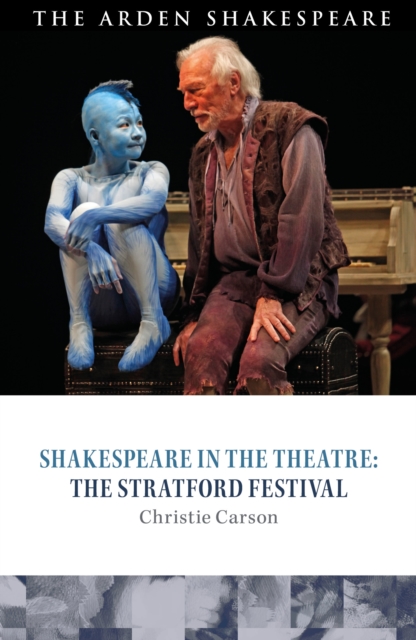
This analysis of the Stratford Festival examines the full history of one of the largest and oldest dedicated centres for the performance of Shakespeare in North America.
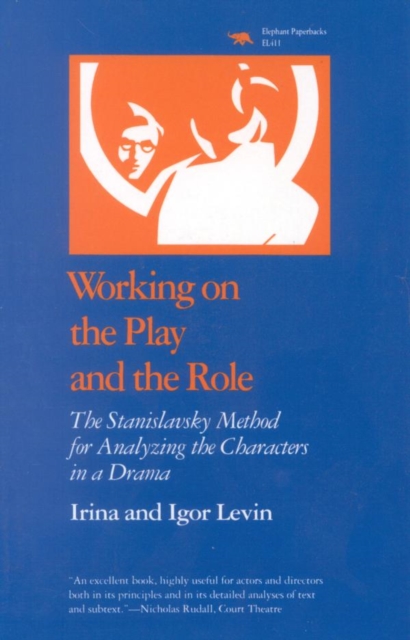
The Stanislavsky method for analyzing the characters in a drama, systematized for the first time and clearly explained, using the complete text of The Cherry Orchard as illustration.
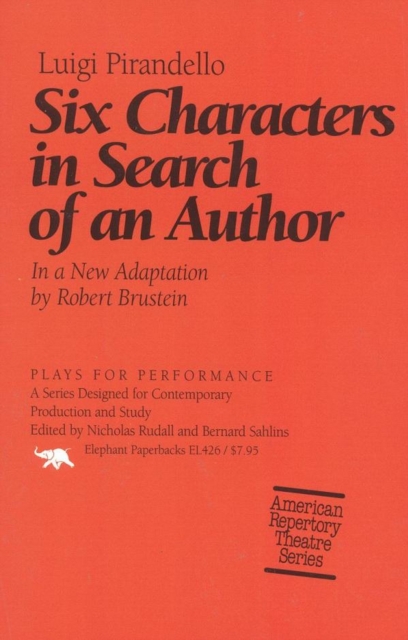
Robert Brustein's highly acclaimed adaptation of Pirandello's masterpiece, a study in illusion and reality which follows a group of characters who try to fashion their life stories into acceptable drama.
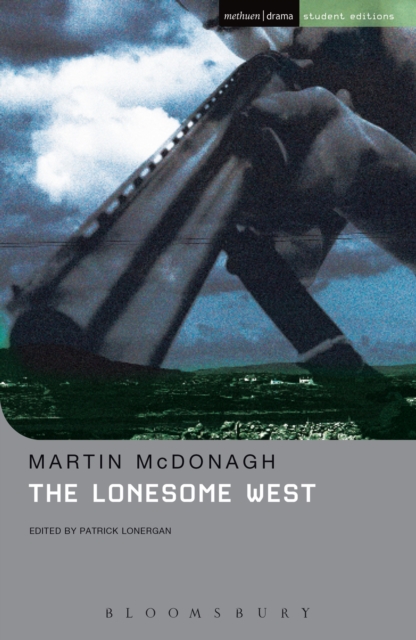
This Student Edition features expert and helpful annotation, including a scene-by-scene summary, a detailed commentary on the dramatic, social and political context, and on the themes, characters, language and structure of the play, as well a list of suggested reading and questions for further study and a review of performance history.
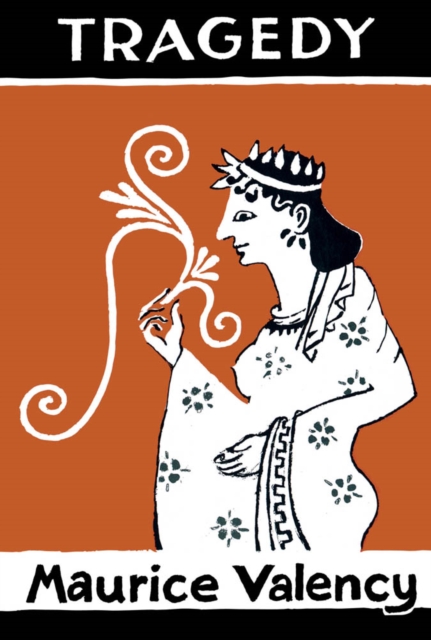
This introduction to Greek tragedy, the origin of much of our modern drama, is the work of a remarkable scholar who is also a practical man of theater.
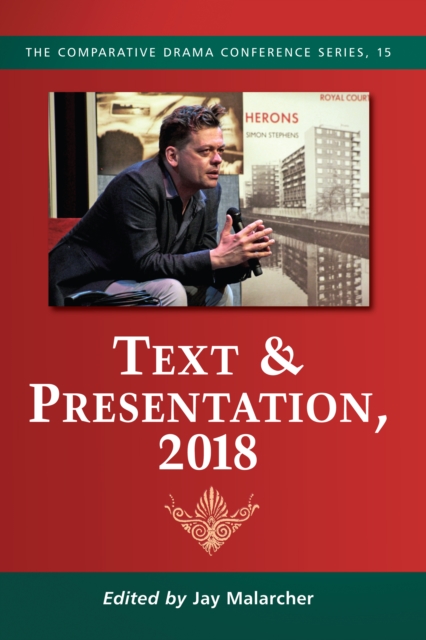
The 15th in a series drawn from scholarship presented at the annual Comparative Drama Conference at Rollins College in Winter Park, Florida, this collection provides insights into texts and practices currently at the forefront of theatrical discussion.
This volume is the sixteenth in a series dedicated to presenting the latest findings in the fields of comparative drama, performance, and dramatic textual analysis.
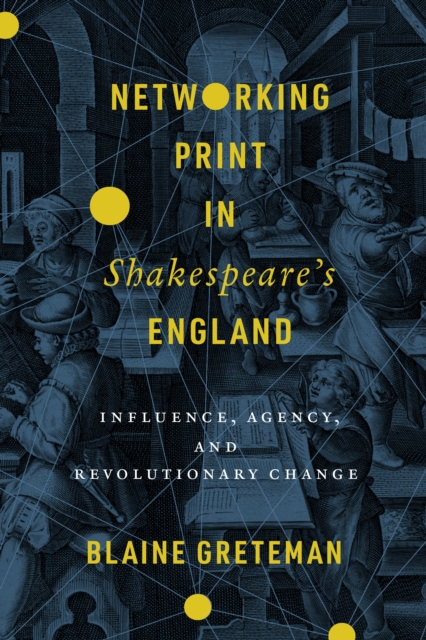
In Networking Print in Shakespeare's England, Blaine Greteman uses new analytical tools to examine early English print networks and the systemic changes that reshaped early modern literature, thought, and politics.
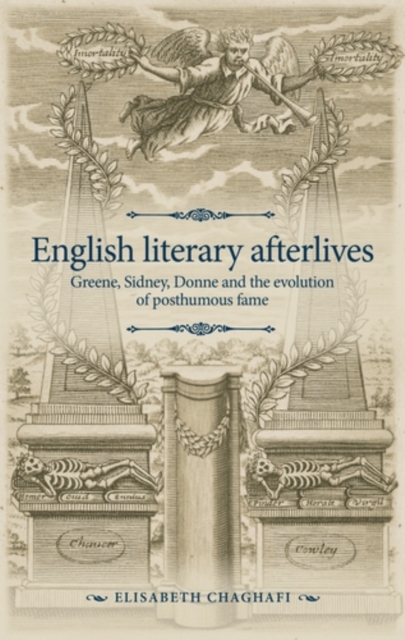
English Literary Afterlives traces life narratives of early modern authors created for them after their deaths by readers or publishers, who retrospectively tried to make sense of the author's life and works.
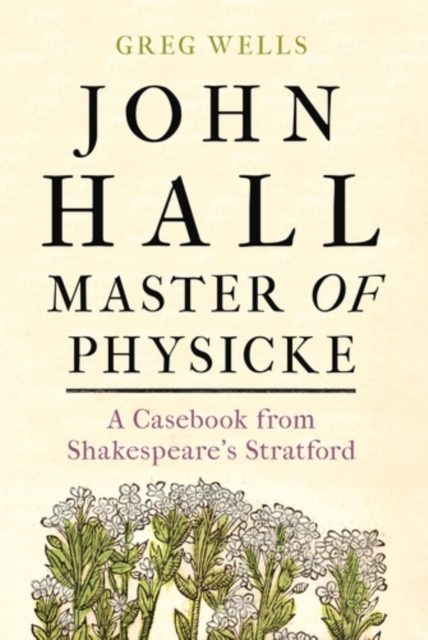
This is the first complete edition and English translation of John Hall's Little Book of Cures, a fascinating medical casebook composed in Latin around 1634-5.