Extrait : "SALÉMÈNE, seul : Il est coupable envers la reine, mais il est son époux ; il est coupable envers ma sœur, mais il est mon frère ; il est coupable envers son peuple, mais il est encore son souverain, et je dois rester à la fois son ami et son sujet.
Extrait : "Je n'ai point le mérite d'être auteur ; le temps et les talents m'ont également manqué pour le devenir : mais il y a environ huit ans que je m'amusai à jeter sur le papier quelques idées sur le drame sérieux ou intermédiaire entre la tragédie héroïque et la comédie plaisante.
Extrait : "Ce ne serait pas remplir le but que je me propose, et ce serait laisser croire peut-être que je n'ai pas bien compris tout l'intérêt qui s'attache à ces documents, si je n'en donnais que le texte.
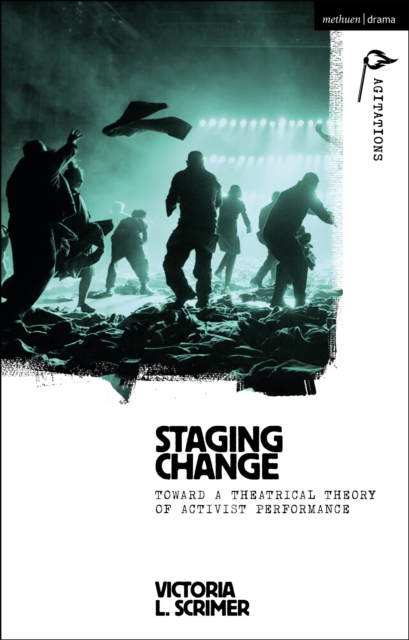
Exploring a wide variety of examples of activist performances, such as David Buckel's self-immolation, and the January 6th capitol insurrection, this book analyses activist performance through the lens of postdramatic theatre theory.
Jack Gelber: Consider This explores the works of American playwright Jack Gelber (1932-2003), whose groundbreaking, immersive play The Connection (produced by The Living Theatre in 1959) served as the link between the Art Theatre/Beat Generation and the Off-Off-Broadway movement.
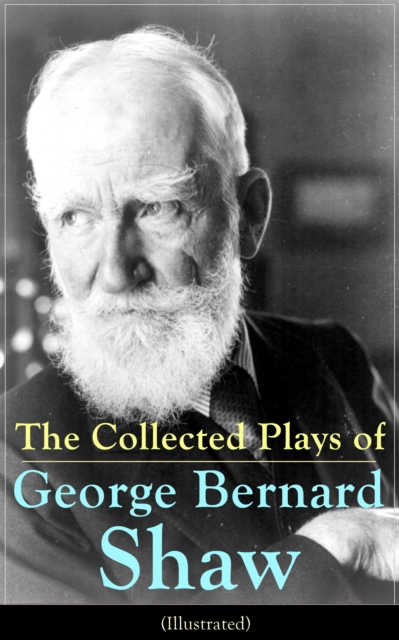
This carefully crafted ebook: "e;The Collected Plays of George Bernard Shaw (Illustrated)"e; is formatted for your eReader with a functional and detailed table of contents.
Loves Labors Lost: The 30-Minute Shakespeare plays three action-packed scenes from this tale of King Navarre and his three lords, who have vowed to retire from women for three years.
Drawing on his eighteen years of experience as a teaching artist for Folger Shakespeare Library, Nick Newlin offers eighteen scenes to get young actors on their feet performing Shakespeare with confidence, understanding, and fun!
Includes the plays The Wrong Side of the Park, Come as You Are and Edwin This second volume of Oberon's new edition of John Mortimer's Collected Plays contains two full-length works, The Wrong Side of the Park and Edwin, and four short plays known collectively as Come As You Are and individually named after parts of London.
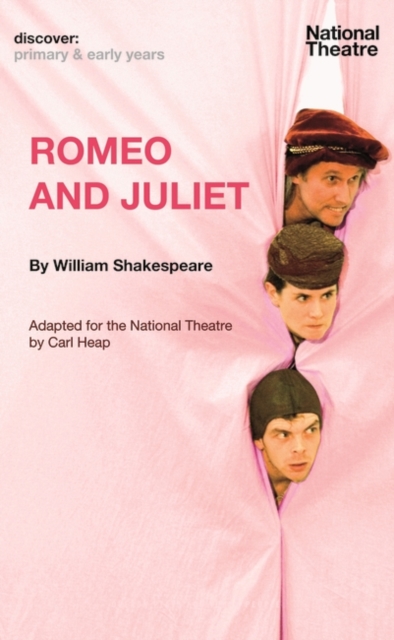
Adapted for The National Theatre by Carl Heap'The day is hot, the capulets abroad, And, if we meet, we shall not scape a brawl; For now, these hot days, is the mad blood stirring.
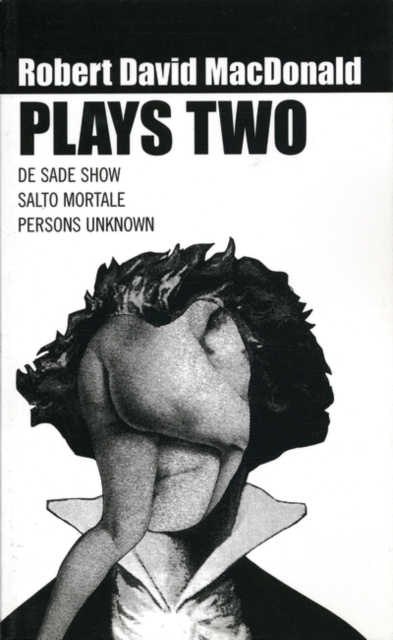
Includes the plays De Sade Show, Persons Unknown and Salto MoltaleA second series of plays, originally written for and performed by the Glasgow Citizens' Theatre.
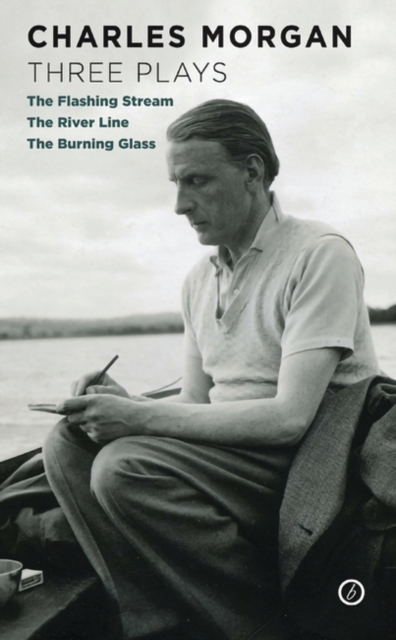
Includes the plays The River Line, The Flashing Stream and The Burning GlassCharles Morgan was a distinguished novelist before he moved onto stage drama, with his reputation as a major dramatist established by his first play, The Flashing Stream.
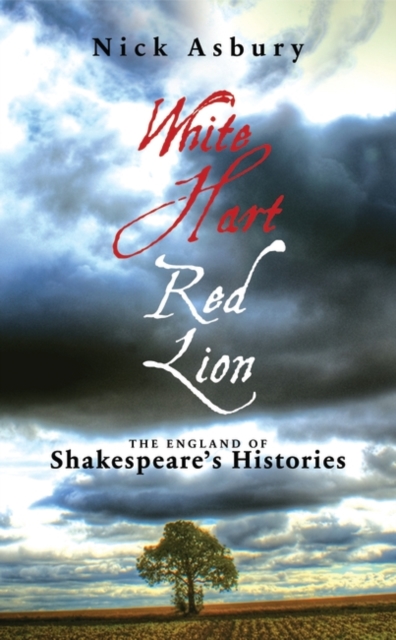
To this day The White Hart and The Red Lion are two of the most popular names for a public house in England both talismans that served as the insignia for Richard II and the banished Henry Bolingbroke, Duke of Lancaster, who usurped the throne in 1399.