One of Shakespeare s most original and eloquent plays, A Midsummer Night s Dream brilliantly interweaves four contrasting groups of characters to present a many-sided view of love in all its aspects: its joys and sadness, its idealism and selfishness, its physical and spiritual elements.
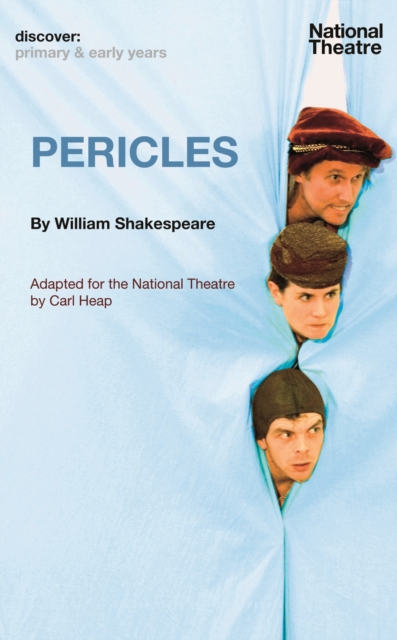
Adapted for The National Theatre by Carl Heap'The world to me is like a lasting storm'An exciting tale of shipwrecks and magic, villains and heroes, and a child's fight for survival in a foreign land.
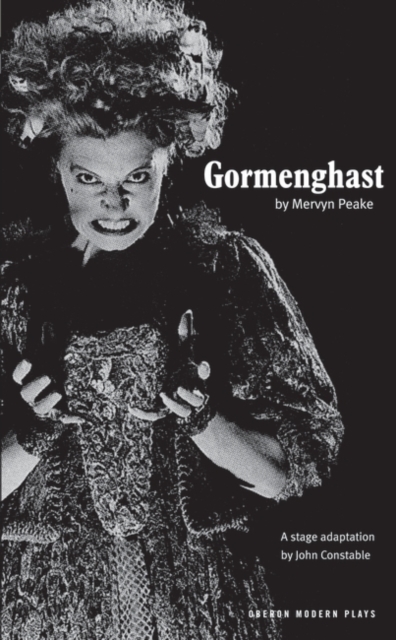
In a world bound by iron laws and dead rituals, two young men are struggling to make their way: Steerpike, the renegade kitchen-boy who seduces and murders his way up the social ladder, and Titus Groan, heir to Gormenghast, who comes to threaten its very existence.
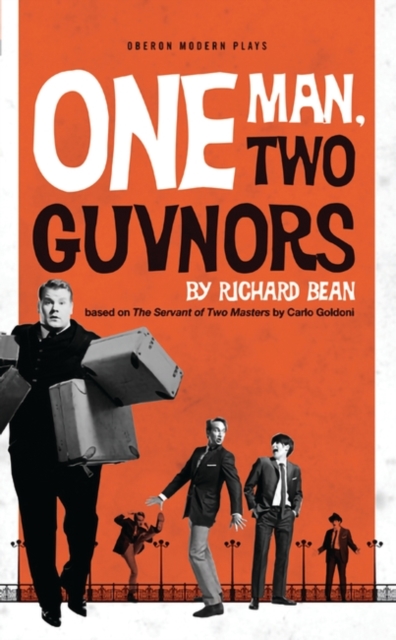
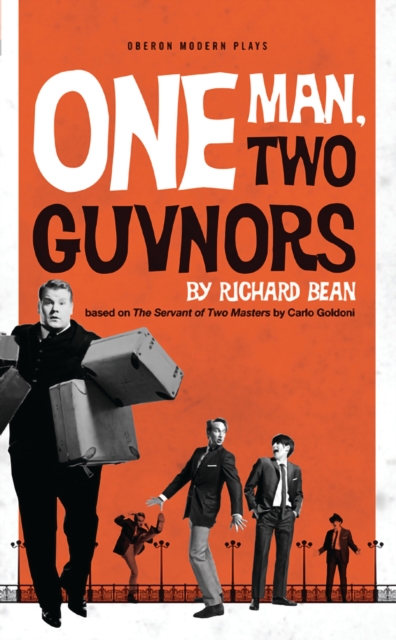
Fired from his skiffle band, Francis Henshall becomes minder to Roscoe Crabbe, a small time East End hood, now in Brighton to collect 6,000 from his fiancee's dad.
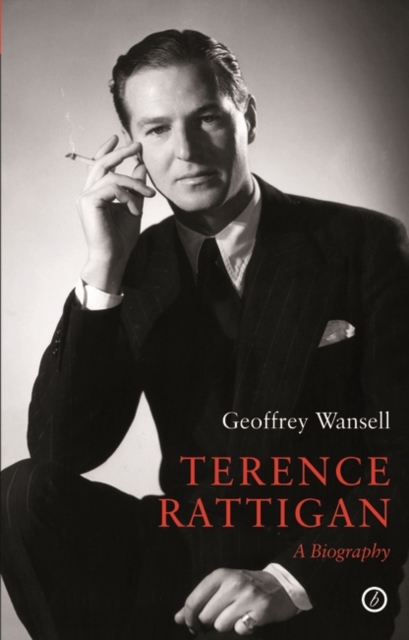
The greatest plays of Terence Rattigan (1911-77) - including The Browning Version, The Deep Blue Sea, Separate Tables and The Winslow Boy - are now established classics.
Fired from his skiffle band, Francis Henshall becomes minder to Roscoe Crabbe, a small time East End hood, now in Brighton to collect 6,000 from his fiancee's dad.
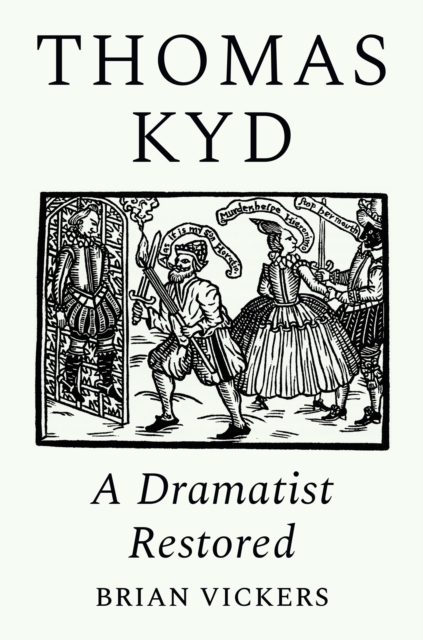
A groundbreaking new account of the author of The Spanish Tragedy that establishes him as a major Elizabethan dramatistThomas Kyd (15581594) was a highly regarded dramatist and the author of The Spanish Tragedy, the first revenge tragedy and the most influential Elizabethan play.
This study traces the response to "e;A Midsummer Night's Dream"e; from Shakespeare's day to the present, including critics from Britain, Europe and America.
Most scholarly attention on Shakespeare's vocabulary has been directed towards his enrichment of the language through borrowing words from other languages and has thus concentrated on the more learned aspects of his vocabulary.
Volumes in this series trace the course of Shakespeare criticism, play-by-play, from the earliest items of recorded criticism to the beginnings of the modern period.
More than just a book of definitions, the dictionary provides a comprehensive account of Shakespeare's portrayal of military life, tactics, and technology.
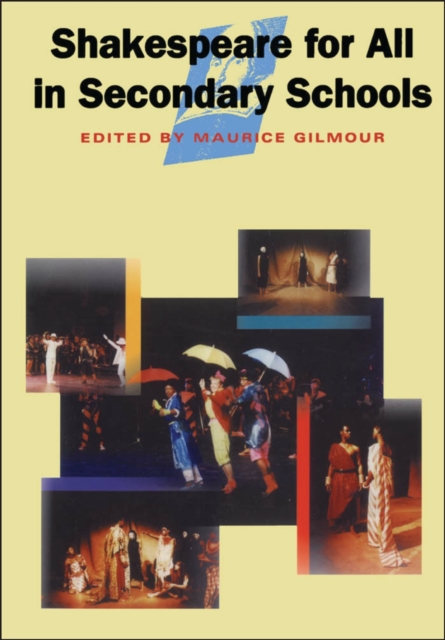
An account of the RSA Shakespeare in Schools project, which demonstrates that Shakespeare can be made accessible to students of all abilities from the age of 5 upwards.
In this critical evaluation of the classic, the discussion focuses on the nature of the major characters, the morality of their behavior, the conclusion of the play, and the genre of a play that was listed in the First Folio as a comedy.
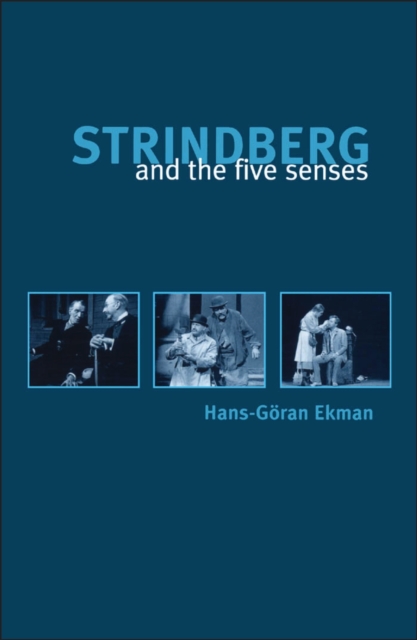
In this book, Dr Ekman considers Strindberg's four "e;Chamber plays"e; of 1907: "e;Thunder in the Air"e;, "e;The Burned Site"e;,"e; The Ghost Sonata"e; and "e;The Pelican"e;.
Shakespeare's use of sexual language, imagery and erotic themes is extensive, varied, and although this is necessarily hard to establish, probably innovative at times.
Musical references, allusions to music, and music stage directions abound in Shakespeare, ranging from simple trumpet flourishes to sophisticated, philosophical allegory.
From Neil MacGregor, the acclaimed creator of A History of the World in 100 Objects and the Director of the British Museum, comes a unique, enthralling exploration of the age of William Shakespeare to accompany a new BBC Radio 4 series.
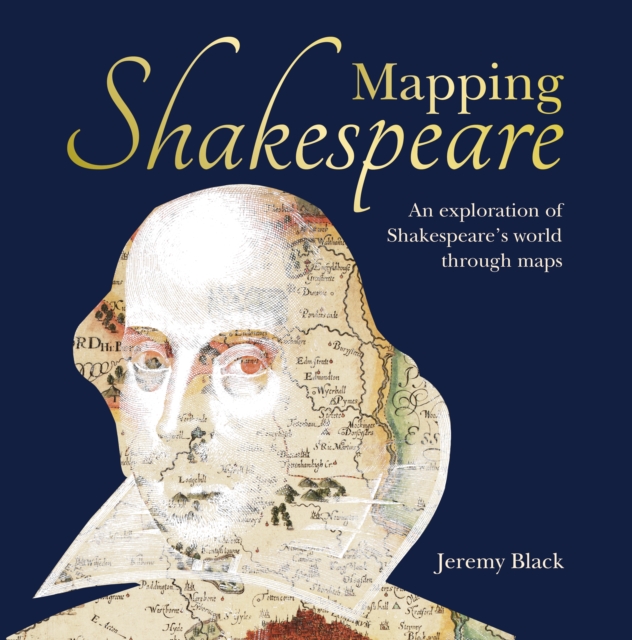
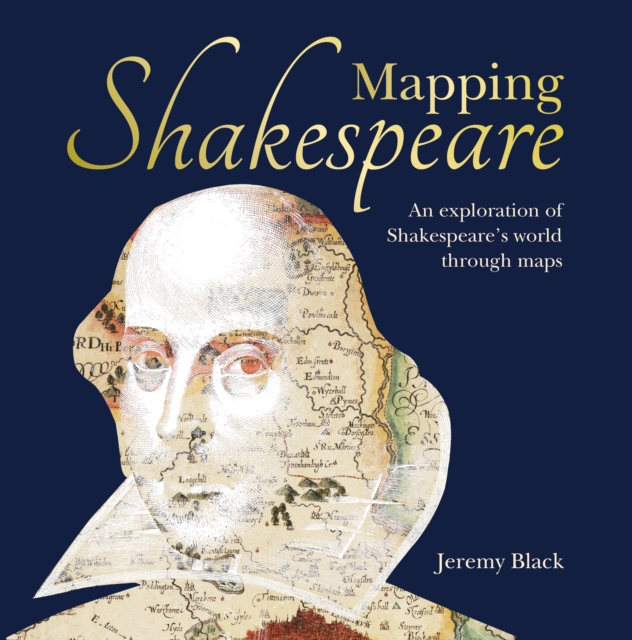
William Shakespeare's lifetime (1564 1616) spanned the reigns of the last of the Tudors, Elizabeth I and the first of the Stuart kings, James I and the changing times and political mores of the time were reflected through his plays.
William Shakespeare's lifetime (1564 1616) spanned the reigns of the last of the Tudors, Elizabeth I and the first of the Stuart kings, James I and the changing times and political mores of the time were reflected through his plays.
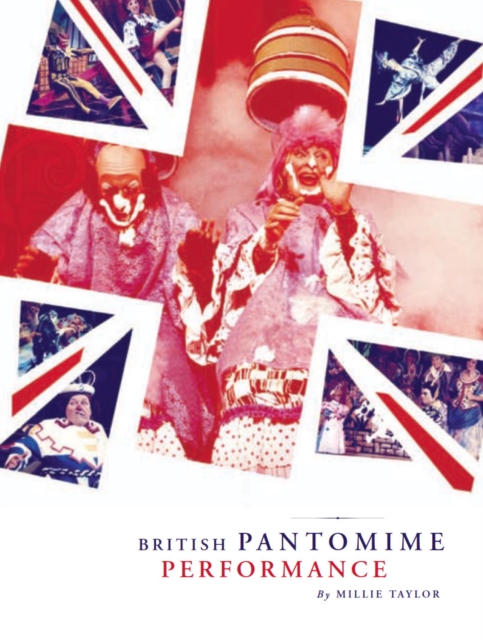
This original analysis of contemporary British pantomime addresses the question of how pantomime creates a unique interactive relationship with, and potentially transformative experience for, its audiences.
The standard analytical approach to teaching Shakespeare does not tend to help students understand the theatricality of the Bard's plays and can leave them with an overly dry, disconnected view of Shakespeare.