This study explores the structure of psychological, social and political exchanges that were negotiated between audiences and plays in Elizabethan public theatres in a period ostensibly dominated by Shakespeare, but strongly rooted in Marlowe.
Global Literatures and Cultures of Modernity: Critical Perspectives from India brings together essays written by academicians and scholars from India to scrutinize how global modernities have been shaped since World War II, from the Indian perspective.
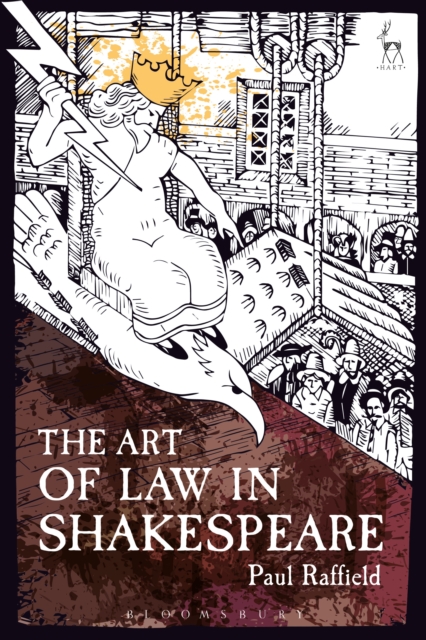
Through an examination of five plays by Shakespeare, Paul Raffield analyses the contiguous development of common law and poetic drama during the first decade of Jacobean rule.
Through an examination of five plays by Shakespeare, Paul Raffield analyses the contiguous development of common law and poetic drama during the first decade of Jacobean rule.
South Asian Disability and Deaf Theatres investigates translocal intimacies in relation to twenty-first-century transnational South Asian disability theatres in order to lay out new possibilities for accessible theatres.
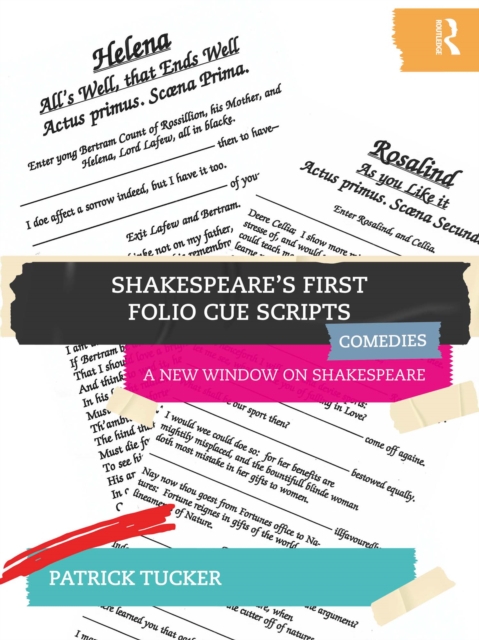
Opening up a new window to see Shakespeare's words in a different light and gathering his intentions in a simple, clear way, this book presents the Cue Scripts from the Comedies in Shakespeare's First Folio.
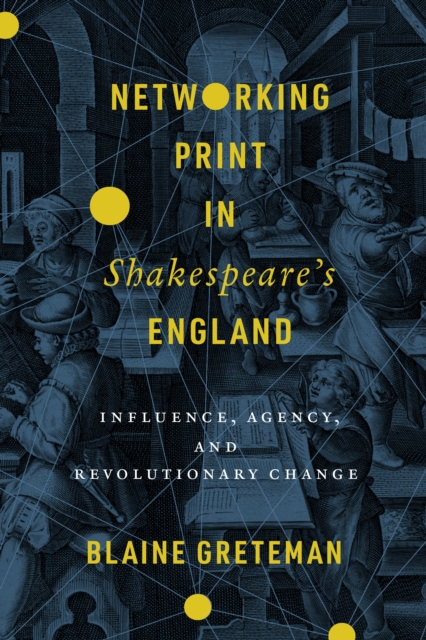
In Networking Print in Shakespeare's England, Blaine Greteman uses new analytical tools to examine early English print networks and the systemic changes that reshaped early modern literature, thought, and politics.
This timely and expansive biography of Wole Soyinka, the Nigerian writer, Nobel laureate, and social activist, shows how the author's early years influence his life's work and how his writing, in turn, informs his political engagement.
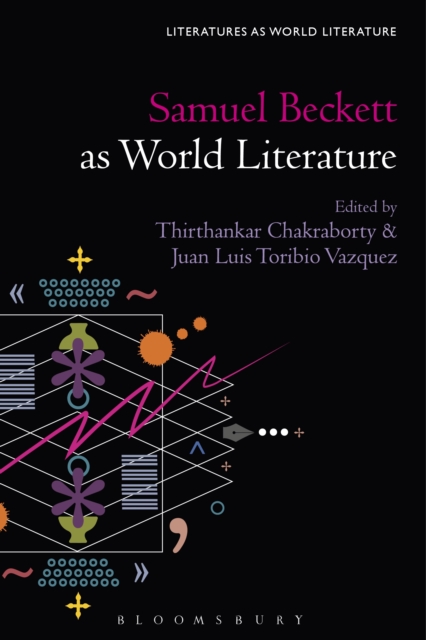
The essays in this collection provide in-depth analyses of Samuel Beckett's major works in the context of his international presence and circulation, particularly the translation, adaptation, appropriation and cultural reciprocation of his oeuvre.
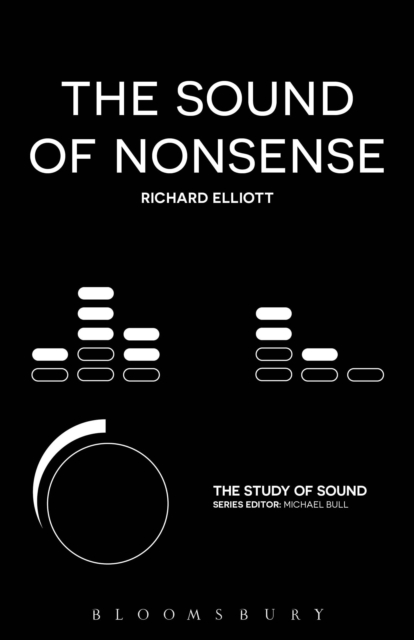
In The Sound of Nonsense, Richard Elliott highlights the importance of sound in understanding the 'nonsense' of writers such as Lewis Carroll, Edward Lear, James Joyce and Mervyn Peake, before connecting this noisy writing to works which engage more directly with sound, including sound poetry, experimental music and pop.
Here is a book to hearten playgoers, stimulate young actors, lead theatrical executives to reconsider methods of management, and encourage benefactors to open their wallets.
Shakespeare's Hamlet, regarded by many as the world's most famous play by the world's most famous writer, is one of the most complex, demanding, discussed, and influential literary texts in English.
The dramatic traditions and conventions available to Shakespeare at the time he wrote King Lear were so rich and varied as to constitute an extremely resonant and complex vocabulary, one that Shakespeare fully utilized to shape his audience's response and to create the unique world of this play.
Not much remained to be said about Racine as a dramatic artist, but as one brought up to consider Shakespeare as the model of tragedy, the author brings a fresh approach to a dramatist who has been to a great extent a Gallic monopoly.
The idea that the world is a theatre in which each individual human being plays out the part assigned to him by God, who is both the playwright and the producer of the drama of life, was one of the great commonplaces of the Renaissance and one to which Shakespeare alluded frequently.
"e;I am talking about Milton because I enjoy talking about Milton,"e; This statement made by Northrop Frye at the beginning of The Return of Eden sets the tone for the entire book.
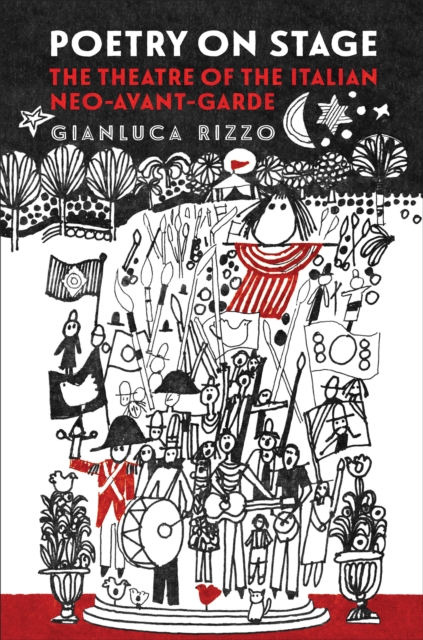
Poetry on Stage focuses on exchanges between the writers of the Italian neo-avant-garde with the actors, directors, and playwrights of the Nuovo Teatro.
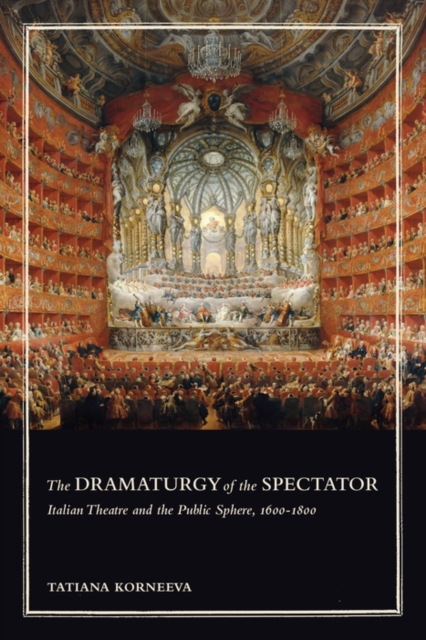
The Dramaturgy of the Spectator explores how Italian theatre consciously adjusted to the emergence of a new kind of spectator who became central to society, politics, and culture in the mid-seventeenth and eighteenth centuries.