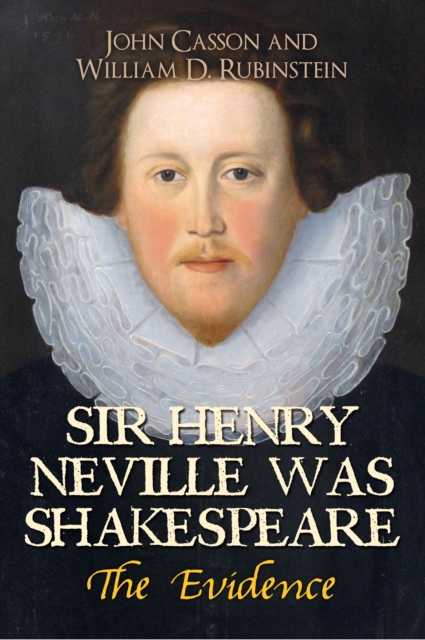
A major interpretative account of Shakespeare's play, this is a close scrutiny which will engage readers directly with the text and perfomance of the work.
The volume reveals an astonishing richness in the theatrical approaches to Ibsen across the world: it considers political theatre, institutional 'high art', theatre for development, queer and transgender theatre, Brechtian techniques, puppetry, post-dramatic theatre, rural village performance and avant-garde touring companies.
Prometheus Bound is a play beloved of revolutionaries, romantics and rebels, with a fierce optimism tempered by an acute awareness of the compromises, dangers and obsessions of political action.
Prometheus Bound is a play beloved of revolutionaries, romantics and rebels, with a fierce optimism tempered by an acute awareness of the compromises, dangers and obsessions of political action.
It is a commonplace of Shakespeare criticism that he invented few of the plots of his plays and the sources he drew upon have been often and rewardingly studied.
This volume in the long-running and acclaimed Shakespeare Dictionary series is a detailed, critical reference work examining all aspects of magic, good and evil, across Shakespeare's works.
In the countless works about Shakespeare, no other book than this one has pinpointed in the play Hamlet everything shocking, amusing, or momentous in the reigns of Henry VIII and Elizabeth I as well as the major events in the life of Edward de Vere.
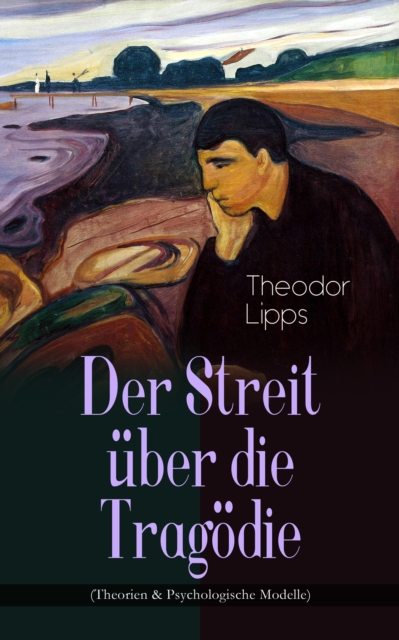
Dieses eBook: "Der Streit über die Tragödie (Theorien & Psychologische Modelle)" ist mit einem detaillierten und dynamischen Inhaltsverzeichnis versehen und wurde sorgfältig korrekturgelesen.
The idea of toxic masculinity might feel like a very modern, even twenty-first century notion, but similar concerns about male behaviour, also often characterised in terms of poisons and poisoning, can be identified in the literature of 400 hundred years ago, not only in Shakespeare's Othello and The Winter's Tale but also lesser-known plays that were popular on the London stage in the 1600s.
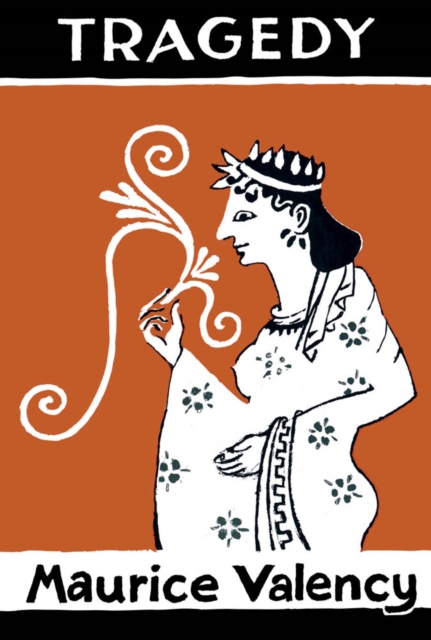
This introduction to Greek tragedy, the origin of much of our modern drama, is the work of a remarkable scholar who is also a practical man of theater.
In a new edition of this now-classic work, Robert Brustein argues that the roots of the modern theatre may be found in the soil of rebellion cultivated by eight outstanding playwrights: Ibsen, Strindberg, Chekhov, Shaw, Brecht, Pirandello, O'Neill, and Genet.
The Stanislavsky method for analyzing the characters in a drama, systematized for the first time and clearly explained, using the complete text of The Cherry Orchard as illustration.
Robert Brustein's highly acclaimed adaptation of Pirandello's masterpiece, a study in illusion and reality which follows a group of characters who try to fashion their life stories into acceptable drama.
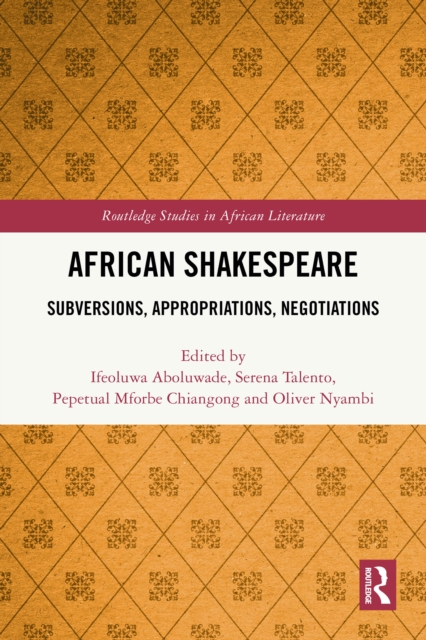
African Shakespeare: Subversions, Appropriations, Negotiations uncovers the multidimensional inventions, synergies, and experimentations that have emerged from performative, political, literary, and conceptual encounters with Shakespeare and his oeuvre in African contexts.
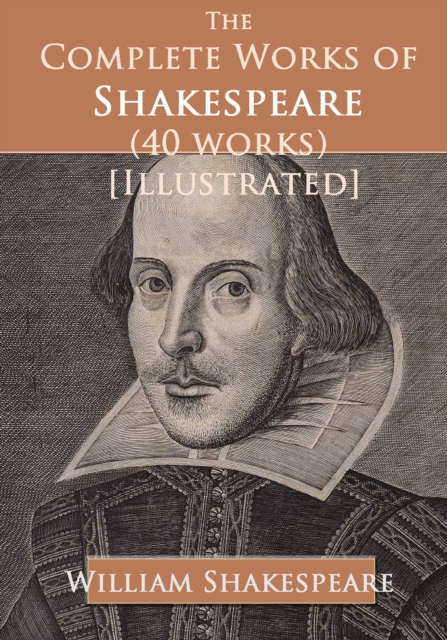
40 of William Shakespeares major works in one collection with active table of contents:Alls Well That Ends WellAntony and CleopatraThe Comedy of ErrorsThe Tragedie of CoriolanusCymbelineThe Tragedie of HamletThe First Part of Henry the FourthThe Second Part of Henry the FourthThe Life of Henry the FiftThe first Part of Henry the SixtThe second Part of Henry the SixtThe third Part of Henry the SixtJulius CaesarThe Life of Henry VIIIKing JohnThe Tragedy of King LearThe Tragedy of King Richard IIThe Life and Death of King Richard IIIA Lovers ComplaintLoves Labours LostMacbethMeasure for MeasureThe Merchant of VeniceThe Merry Wives of WindsorA Midsummer Nights DreamMuch Ado About NothingOthello, the Moor of VeniceThe Passionate PilgrimThe Rape of LucreceRomeo and JulietShakespeares SonnetsThe Taming of the ShrewThe TempestThe Life of Timon of AthensThe Tragedie of Titus AndronicusThe History of Troilus and CressidaTwelfth NightThe Two Gentlemen of VeronaVENUS AND ADONISThe Winters Tale Illustrated with 10 unique illustrations.
A couple in Washington, DC, is torn apart when a friend is accused of treasonJane and David Graham live upper-middle-class lives in mid-century Washington, DC.
The Growth and Structure of Elizabethan Comedy is a rich exploration of the evolution, dynamics, and cultural underpinnings of comedy during the Elizabethan and Jacobean periods.
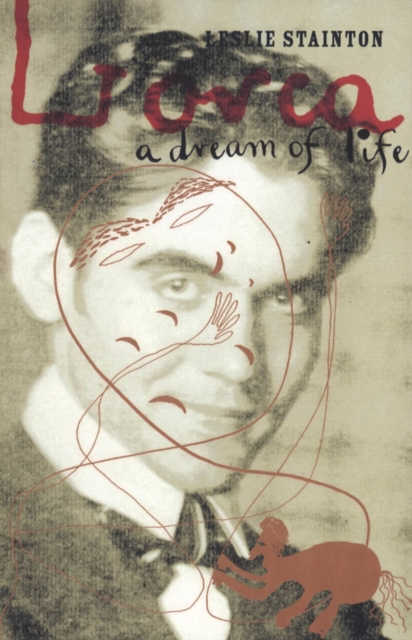
With a rare blend of grace, warmth, and scholarship, Leslie Stainton raises the stakes of our appreciation for the greatest of Spain's modern poets, Federico Garca Lorca.
Unless it's a football match maybe then or 'em at the supermarket food and football, eh, the Englishman common ground Neutral territory for the masses.
Stephen Greenblatt's Will in the World is widely recognised to be the fullest and most brilliant account ever written of Shakespeare's life, his work and his age.