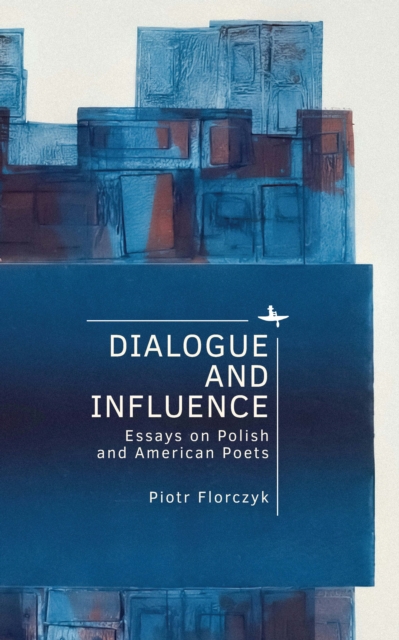
Dialogue and Influence weds a commitment to translation studies to historical and conceptual questions about translation, literary influence, and global literary networks by highlighting the fantastically generative dialogue that Polish and American poets have engaged in since the 1960s.
New analyses on the insightful ways in which Beckett's work actively engages with contested notions of Nature and the natural, developing a radical version of modernism's main questions and insights.
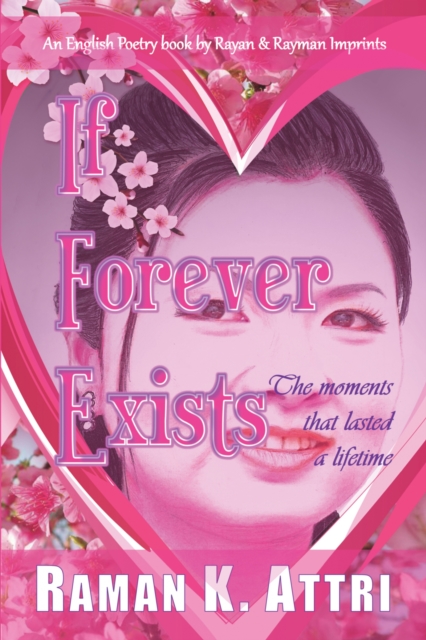
The book is a collection of 89 soulful poems that reflect on how any ordinary individual feels, processes and expresses the complex emotions while reacting to the successes and failures of relationships.
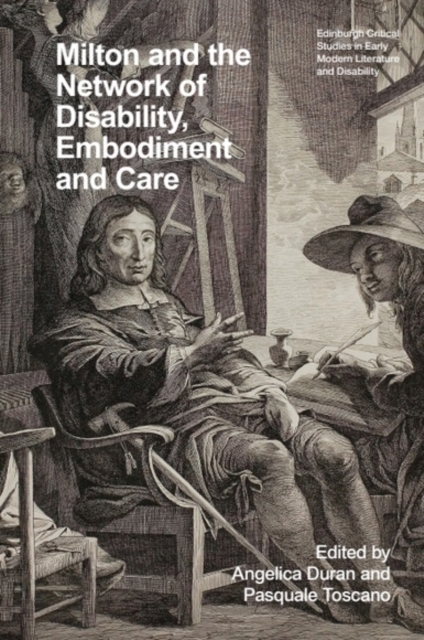
The governing questions of Milton and the Network of Disability, Embodiment and Care are threefold: What does reading Milton’s texts – and literature generally – through the theoretical lens of disability, embodiment and care studies (DEC) reveal that was illegible before?
The governing questions of Milton and the Network of Disability, Embodiment and Care are threefold: What does reading Milton’s texts – and literature generally – through the theoretical lens of disability, embodiment and care studies (DEC) reveal that was illegible before?
This volume in the 21st Century Oxford Authors series presents a substantial selection of Pope's writings, arranged in chronological order to give a sense of the development of his literary career.
The Ilias Latina, the title coined by Emil Baehrens in his 1881 edition, is a condensed version of Homer's Iliad spanning 1,070 verses of Latin hexameter.
The function of the poet, and other essays presents a thoughtful examination of the role of poetry and the enduring significance of the poet within society, emphasizing the balance between imagination and understanding as essential to meaningful expression.
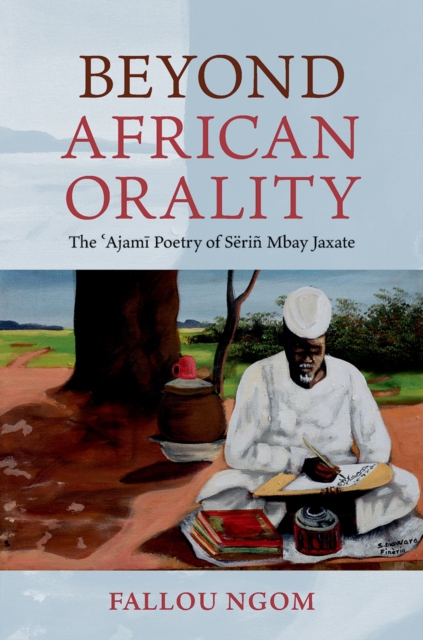
Beyond African Orality offers the first English translation and interpretation of sixty Wolof Ajami poems (Wolof written with an enriched form of the Arabic script) by Serin Mbay Jaxate (c.
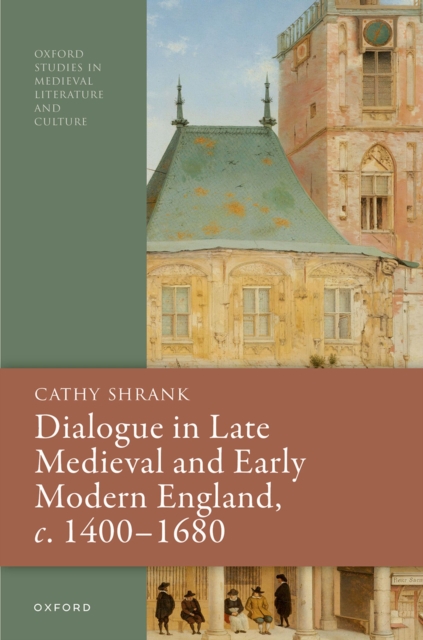
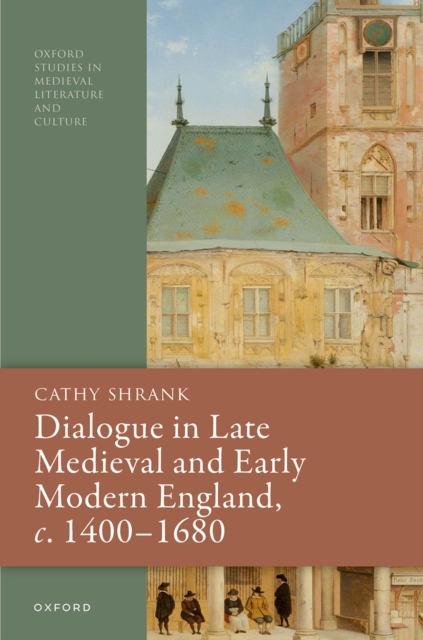
This book is the first major study of dialogue in England from the fifteenth to the late seventeenth century: a 'golden age' of dialogue, and a crucial period for its development.
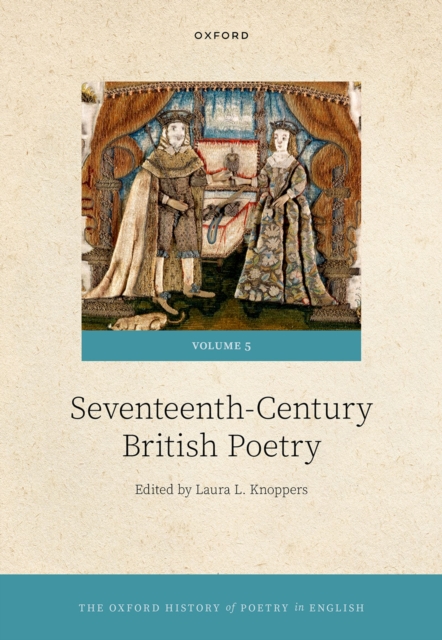
The Oxford History of Poetry in English (OHOPE) is designed to offer a fresh, multi-voiced, and comprehensive analysis of 'poetry': from Anglo-Saxon culture through contemporary British, Irish, American, and Global culture, including English, Scottish, and Welsh poetry, Anglo-American colonial and post-colonial poetry, and poetry in Canada, Australia, New Zealand, the Caribbean, India, Africa, Asia, and other international locales.
The Oxford History of Poetry in English (OHOPE) is designed to offer a fresh, multi-voiced, and comprehensive analysis of 'poetry': from Anglo-Saxon culture through contemporary British, Irish, American, and Global culture, including English, Scottish, and Welsh poetry, Anglo-American colonial and post-colonial poetry, and poetry in Canada, Australia, New Zealand, the Caribbean, India, Africa, Asia, and other international locales.
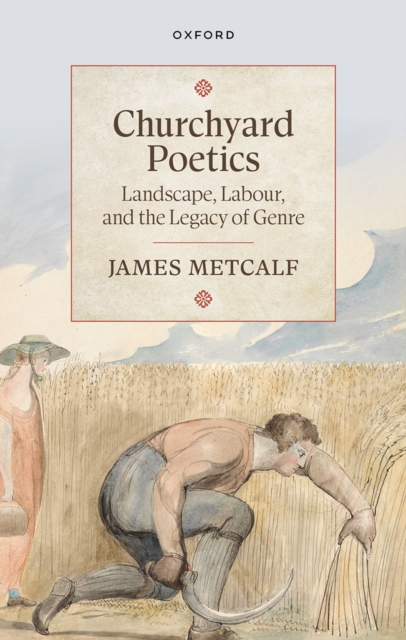
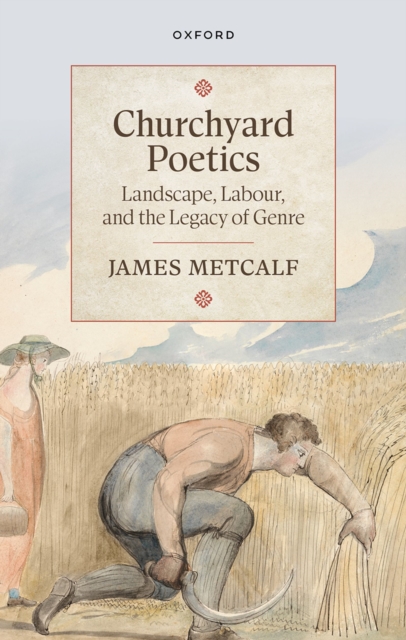
The familiar literary-critical category of 'graveyard poetry' has made the eighteenth-century churchyard a commonplace in the period's cultural imaginary: a location in which melancholy, religious poets get lost in imaginative reveries or didactic visions of the afterlife.
The familiar literary-critical category of 'graveyard poetry' has made the eighteenth-century churchyard a commonplace in the period's cultural imaginary: a location in which melancholy, religious poets get lost in imaginative reveries or didactic visions of the afterlife.
This book is the first major study of dialogue in England from the fifteenth to the late seventeenth century: a 'golden age' of dialogue, and a crucial period for its development.
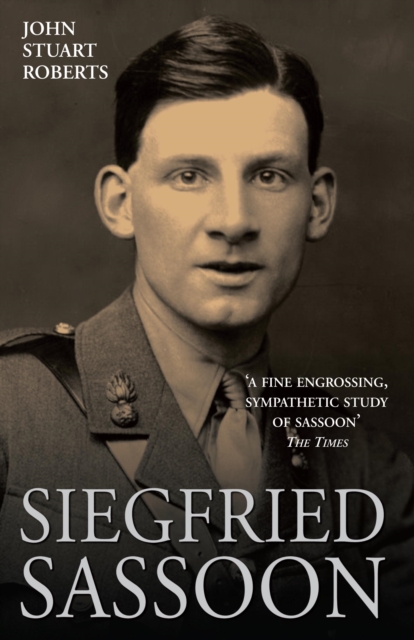
'A FINE ENGROSSING, SYMPATHETIC STUDY OF SASSOON' - THE TIMESWith two collections of his verse written during the First World War, Siegfried Sassoon established himself as among the greatest of the war poets.
Despite his discreet personality, private “vices”, and literary idiosyncrasies, Tolkien was in fact a deeply collaborative figure, both as a scholar and, above all, as a writer.
Despite his discreet personality, private “vices”, and literary idiosyncrasies, Tolkien was in fact a deeply collaborative figure, both as a scholar and, above all, as a writer.
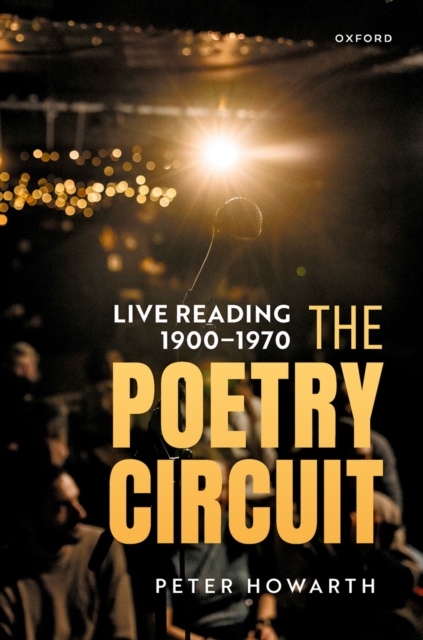
Live performance has changed poetry more than anything else in the last hundred years: it has given poets new audiences and a new economy, and it has generated new styles, from Imagism, to confessional, to contemporary Spoken Word.
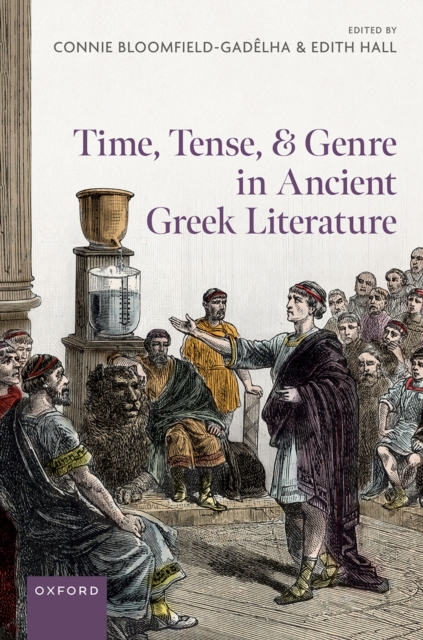
The 24 essays collected in this book address the complex interactions between concepts of time, grammatical tense, and type of genre of prose or poetry in ancient Greek literature.
Live performance has changed poetry more than anything else in the last hundred years: it has given poets new audiences and a new economy, and it has generated new styles, from Imagism, to confessional, to contemporary Spoken Word.
The 24 essays collected in this book address the complex interactions between concepts of time, grammatical tense, and type of genre of prose or poetry in ancient Greek literature.
Beyond African Orality offers the first English translation and interpretation of sixty Wolof Ajami poems (Wolof written with an enriched form of the Arabic script) by Serin Mbay Jaxate (c.
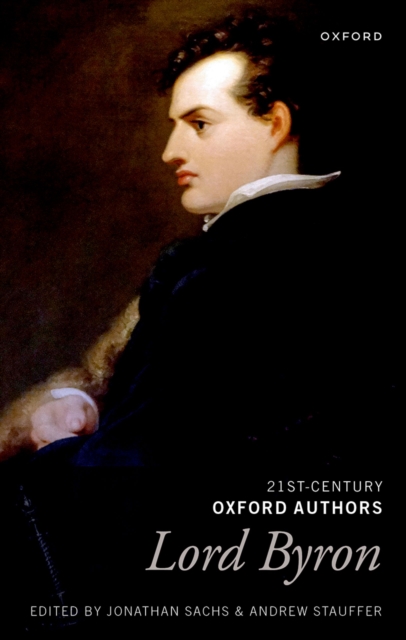
This volume in the 21st Century Oxford Authors series offers readers a generous selection of the poetry upon which Byron's fame depended and his reputation now rests.
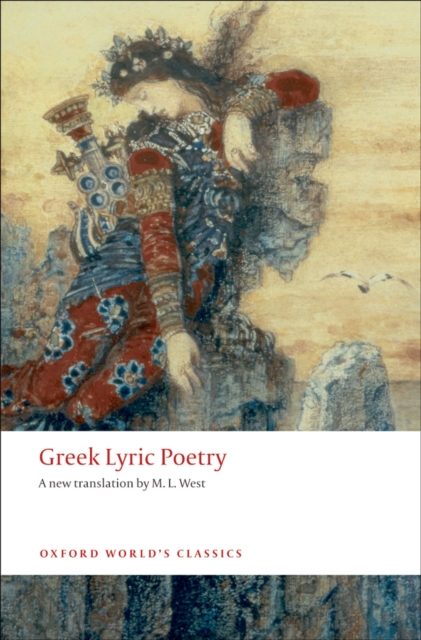
The Greek lyric, elegiac, and iambic poets of the two centuries from 650 to 450 BC - Archilochus and Alcman, Sappho and Mimnermus, Anacreon, Simonides, and the rest - produced some of the finest poetry of antiquity, perfect in form, spontaneous in expression, reflecting all the joys and anxieties of their personal lives and of the societies in which they lived.
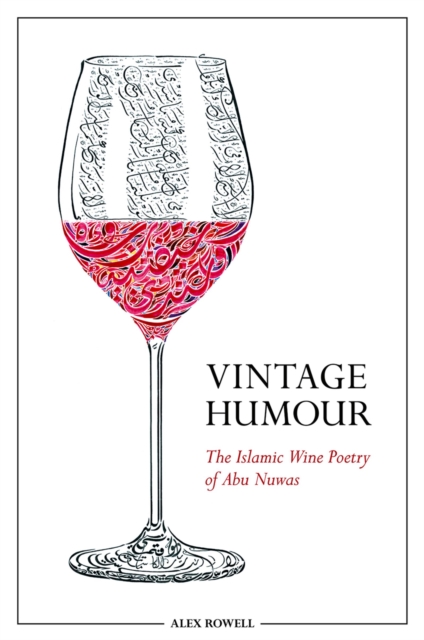
Abu Nuwas, the pre-eminent bacchic bard of the classical Arabic canon, was loved and reviled in equal measure for his lyrical celebration of Abbasid Baghdad's dissolute nightlife, his cutting satires of religion and the clergy, and the extraordinary range and virtuosity of his literary talent.
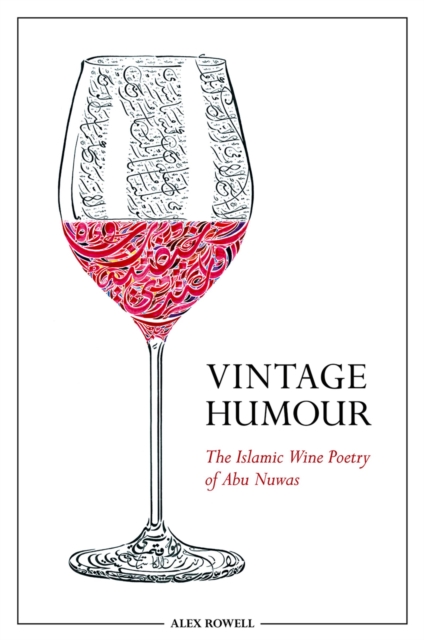
Abu Nuwas, the pre-eminent bacchic bard of the classical Arabic canon, was loved and reviled in equal measure for his lyrical celebration of Abbasid Baghdad's dissolute nightlife, his cutting satires of religion and the clergy, and the extraordinary range and virtuosity of his literary talent.
Despite its small size, epigram attracted some of the best poetic talents of antiquity, exerting a strong influence on Latin literature and continuing to inspire poetic creativity until today.