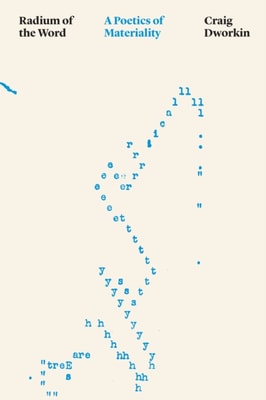
With fresh insight and contemporary relevance, Radium of the Word argues that a study of the form of language yields meanings otherwise inaccessible through ordinary reading strategies.
The poet Charles Baudelaire (1821-1867) has been labeled the very icon of modernity, the scribe of the modern city, and an observer of an emerging capitalist culture.
Federico Garcia Lorca (1898-1936) had enormous impact on the generation of American poets who came of age during the cold war, from Robert Duncan and Allen Ginsberg to Robert Creeley and Jerome Rothenberg.
Modern scholars often find it difficult to account for the profound eccentricities in the work of William Blake, dismissing them as either ahistorical or simply meaningless.
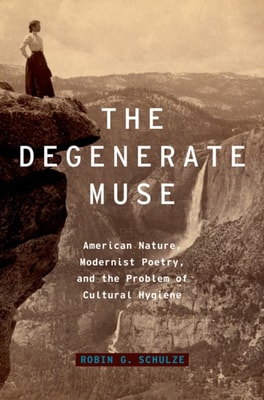
At the close of the Second World War, modernist poets found themselves in an increasingly scientific world, where natural and social sciences claimed exclusive rights to knowledge of both matter and mind.
One Kind of Everything elucidates the uses of autobiography and constructions of personhood in American poetry since World War II, with helpful reference to American literature in general since Emerson.
Literary scholars often avoid the category of the aesthetic in discussions of ethics, believing that purely aesthetic judgments can vitiate analyses of a literary work's sociopolitical heft and meaning.
When it was first published, Lyrical Ballads enraged the critics of the day: Wordsworth and Coleridge had given poetry a voice, one decidedly different to that which had been voiced before.
With the weakening moral authority of the Catholic Church, the boom ushered in by the Celtic Tiger, and the slow but steady diminishment of the Troubles in the North, Ireland has finally stepped out from the shadows of colonial oppression onto the world stage as a major cosmopolitan country.
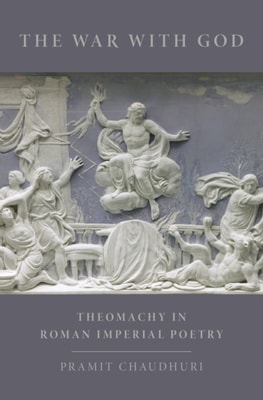
Epic and tragedy, from Homer's Achilles and Euripides' Pentheus to Marlowe's Tamburlaine and Milton's Satan, are filled with characters challenging and warring against the gods.
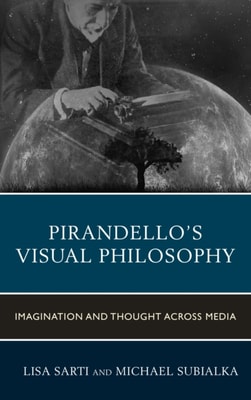
This collection draws on cutting-edge work that crosses traditional disciplinary boundaries to offer new perspectives on the importance of visuality and the imagination in the work of Luigi Pirandello, the great Italian modernist.
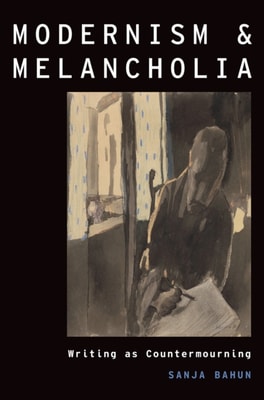
Modernism and melancholia share an intellectual fate: being at once categories, conditions, discourses, modes of expression, and social projects, they feed on their own ambiguity.
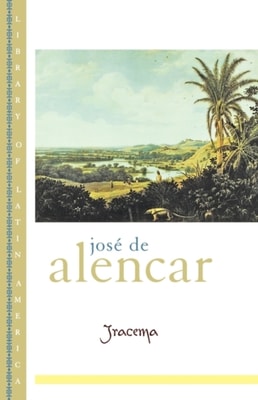
Jose de Alencar's prose-poem Iracema, first published in 1865, is a classic of Brazilian literature--perhaps the most widely-known piece of fiction within Brazil, and the most widely-read of Alencar;s many works.
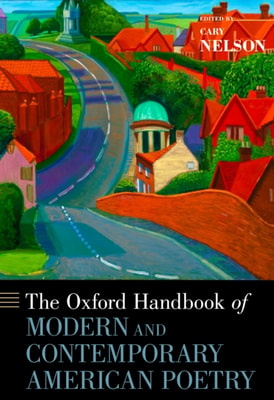
The Oxford Handbook of Modern and Contemporary American Poetry gives readers a cutting-edge introduction to the kaleidoscopic world of American poetry over the last century.
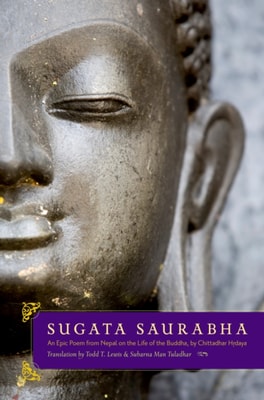
This rendering of the Sugata Saurabha, in a long line of accounts of the Buddha's life dating back almost 2,000 years, may be the last ever to be produced that conforms to the traditions of Indic classic poetry.