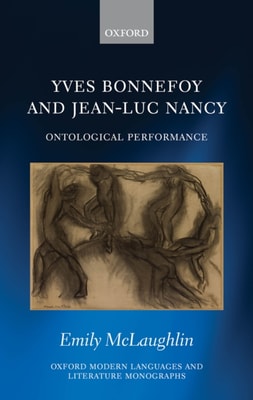
This volume explores how poets use different kinds of formal experimentation to change the way we think, and to allow us to try out new ways of perceiving existence and positioning ourselves within the world.
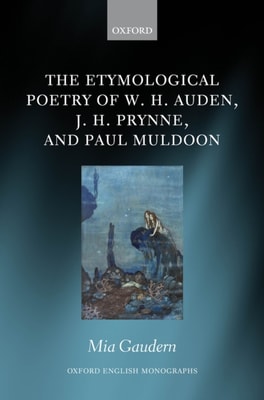
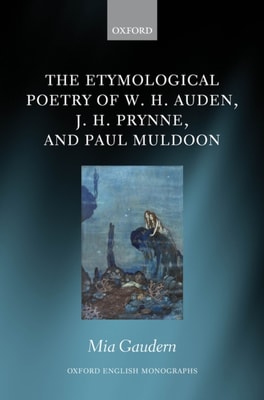
This book defines, analyses, and theorises a late modern 'etymological poetry' that is alive to the past lives of its words, and probes the possible significance of them both explicitly and implicitly.
This book defines, analyses, and theorises a late modern 'etymological poetry' that is alive to the past lives of its words, and probes the possible significance of them both explicitly and implicitly.
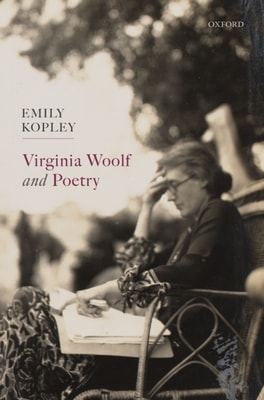
Virginia Woolf's career was shaped by her impression of the conflict between poetry and the novel, a conflict she often figured as one between masculine and feminine, old and new, bound and free.
Virginia Woolf's career was shaped by her impression of the conflict between poetry and the novel, a conflict she often figured as one between masculine and feminine, old and new, bound and free.
John Heywood was an important literary and theatrical pioneer in his own right, but he is also a revealing lens through which to view the wider tumultuous history of the sixteenth century.
John Heywood was an important literary and theatrical pioneer in his own right, but he is also a revealing lens through which to view the wider tumultuous history of the sixteenth century.
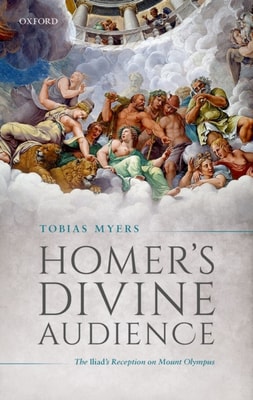
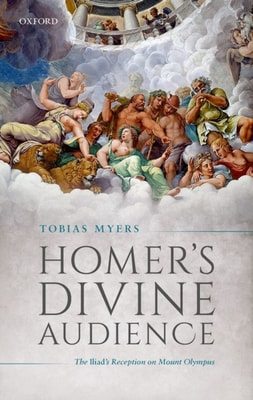
The polar dichotomy between man and god, and the insurmountable gulf between them, are considered a fundamental principle of archaic and classical Greek religion.
The polar dichotomy between man and god, and the insurmountable gulf between them, are considered a fundamental principle of archaic and classical Greek religion.
The Author's Effects: On the Writer's House Museum is the first book to describe how the writer's house museum came into being as a widespread cultural phenomenon across Britain, Europe, and North America.
The Author's Effects: On the Writer's House Museum is the first book to describe how the writer's house museum came into being as a widespread cultural phenomenon across Britain, Europe, and North America.
Performing Epic or Telling Tales takes the new millennium as a starting point for an exploration of the turn to narrative in twenty-first-century theatre, which is often also a turn to Graeco-Roman epic.
Performing Epic or Telling Tales takes the new millennium as a starting point for an exploration of the turn to narrative in twenty-first-century theatre, which is often also a turn to Graeco-Roman epic.
This volume reassesses working-class poetry and poetics in Victorian Britain, using Scotland as a focus and with particular attention to the role of the popular press in fostering and disseminating working-class verse cultures.
This volume reassesses working-class poetry and poetics in Victorian Britain, using Scotland as a focus and with particular attention to the role of the popular press in fostering and disseminating working-class verse cultures.
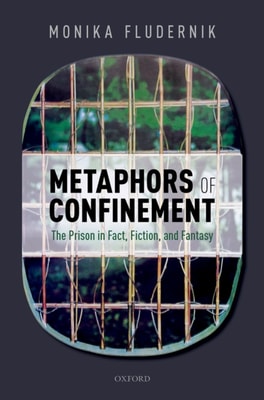
Metaphors of Confinement: The Prison in Fact, Fiction, and Fantasy offers a historical survey of imaginings of the prison as expressed in carceral metaphors in a range of texts about imprisonment from Antiquity to the present as well as non-penal situations described as confining or restrictive.
Thomas Owens explores some of the exultant visions inspired by Wordsworth's and Coleridge's close scrutiny of the night sky, the natural world, and the domains of science.
Thomas Owens explores some of the exultant visions inspired by Wordsworth's and Coleridge's close scrutiny of the night sky, the natural world, and the domains of science.
Metaphors of Confinement: The Prison in Fact, Fiction, and Fantasy offers a historical survey of imaginings of the prison as expressed in carceral metaphors in a range of texts about imprisonment from Antiquity to the present as well as non-penal situations described as confining or restrictive.
Through attuned close readings, this volume brings out the imaginative and formal brilliance of Percy Bysshe Shelley's writing as it explores his involvement in processes of dialogue and influence.
Through attuned close readings, this volume brings out the imaginative and formal brilliance of Percy Bysshe Shelley's writing as it explores his involvement in processes of dialogue and influence.
In Whitman, Melville, Crane, and the Labors of American Poetry, Peter Riley confronts our enduring and problematic investment in poetic vocation--a myth, he argues, that continues to inform how all our multifarious labors are understood, valued, and exploited.
In Whitman, Melville, Crane, and the Labors of American Poetry, Peter Riley confronts our enduring and problematic investment in poetic vocation--a myth, he argues, that continues to inform how all our multifarious labors are understood, valued, and exploited.
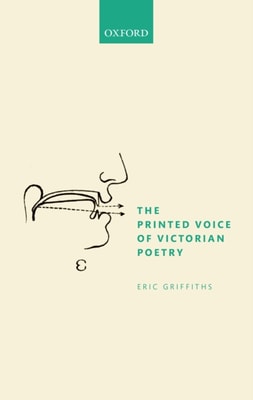
When poetry was printed, poets and their publishers could no longer take for granted that readers would have the necessary knowledge and skill to read it well.
When poetry was printed, poets and their publishers could no longer take for granted that readers would have the necessary knowledge and skill to read it well.
Written texts of the Iliad and the Odyssey achieved an unprecedented degree of standardization after 150 BCE, but what about Homeric texts prior to the emergence of standardized written texts?
Written texts of the Iliad and the Odyssey achieved an unprecedented degree of standardization after 150 BCE, but what about Homeric texts prior to the emergence of standardized written texts?