In the most comprehensive and up-to-date overview of the poetry published in Britain between the Restoration and the end of the eighteenth century, forty-four authorities from six countries survey the poetry of the age in all its richness and diversity--serious and satirical, public and private, by men and women, nobles and peasants, whether published in deluxe editions or sung on the streets.
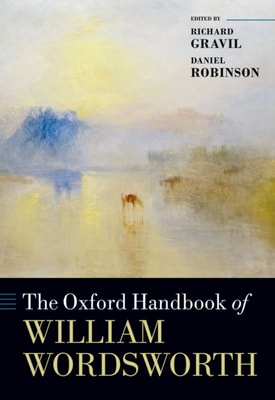
The Oxford Handbook of William Wordsworth deploys its forty-seven original essays to present a stimulating account of Wordsworth's life and achievement and to map new directions in criticism.
The Oxford Handbook of William Wordsworth deploys its forty-seven original essays to present a stimulating account of Wordsworth's life and achievement and to map new directions in criticism.
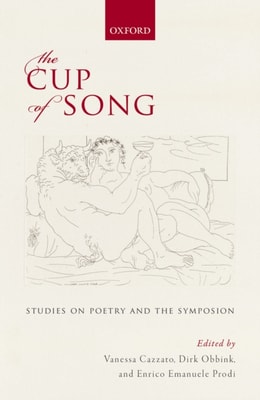
The symposion is arguably the most significant and well-documented context for the performance, transmission, and criticism of archaic and classical Greek poetry, a distinction attested by its continued hold on the poetic imagination even after its demise as a performance setting.
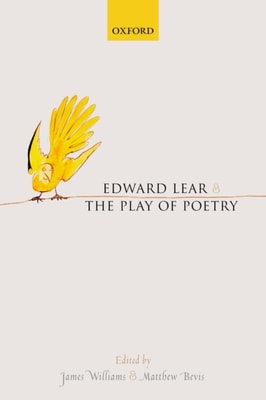
Of all the Victorian poets, Edward Lear has a good claim to the widest audience: admired and championed by critics and poets from John Ruskin to John Ashbery, he has also been read, heard, and loved by generations of children.
Poetry and Radical Politics in fin de siecle France explores the relations between poetry and politics in France in the last decade of the nineteenth century.
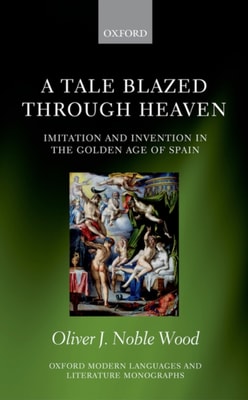
A Tale Blazed Through Heaven examines developments in the representation of the classical tale of Mars, Venus, and Vulcan in the literature and painting of the Golden Age of Spain (c.
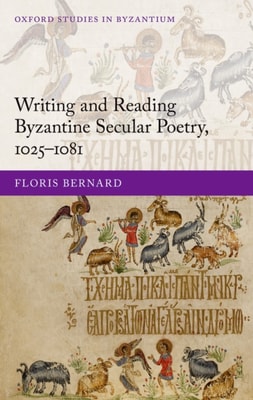
In the mid-eleventh century, secular Byzantine poetry attained a hitherto unseen degree of wit, vividness, and personal involvement, chiefly exemplified in the poetry of Christophoros Mitylenaios, Ioannes Mauropous, and Michael Psellos.
The Work of Form: Poetics and Materiality in Early Modern Culture explores the resurgent interest in literary form and aesthetics in early modern english studies.
This volume explores the development of literary culture in sixteenth-century England as a whole and seeks to explain the relationship between the Reformation and the literary renaissance of the Elizabethan period.
Interviewed in 1966, Geoffrey Hill said, 'Language contains everything you want - history, sociology, economics: it is a kind of drama of human destiny'.
This lively, accessible book is the first to explore Victorian literature through scent and perfume, presenting an extensive range of well-known and unfamiliar texts in intriguing and imaginative new ways that make us re-think literature's relation with the senses.
This lively, accessible book is the first to explore Victorian literature through scent and perfume, presenting an extensive range of well-known and unfamiliar texts in intriguing and imaginative new ways that make us re-think literature's relation with the senses.
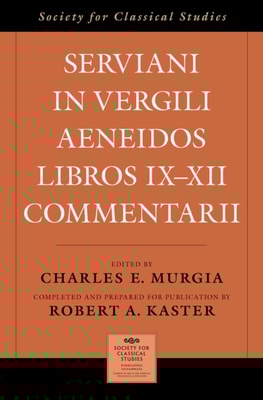
The Servian commentaries on Vergil are doubly distinguished: they are among the very few ancient commentaries on classical Latin texts to survive essentially intact; and they exist in two radically different forms-the original commentary created by the grammarian Servius early in the fifth century, emphasizing grammar and syntax, and an augmented version produced in the seventh century when a reader blended his Servius with much other recherche ancient lore.
The Servian commentaries on Vergil are doubly distinguished: they are among the very few ancient commentaries on classical Latin texts to survive essentially intact; and they exist in two radically different forms-the original commentary created by the grammarian Servius early in the fifth century, emphasizing grammar and syntax, and an augmented version produced in the seventh century when a reader blended his Servius with much other recherche ancient lore.
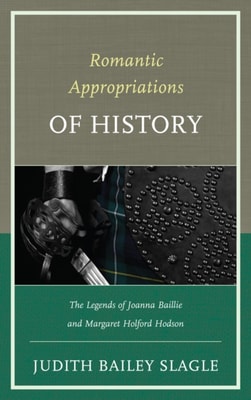
Romantic Appropriations of History: The Legends of Joanna Baillie and Margaret Holford Hodson focuses on Joanna Baillie's Metrical Legends of Exalted Characters (1821) and on various historical tales, either written or translated, by one of her very close friends, Margaret Holford Hodson.
From Feydeau to Fitzgerald, from Hugo to Hemingway, the Paris locations that have influenced modern literatureA photographic stroll around the bookshops, famous literary restaurants and storied streets of Europe's favourite tourist destinationLiterary Landscapes: Paris takes this major European city and with picture perfect photography, compiles an album of memorable views linked to the words of Parisian authors, or writers who made Paris their home.
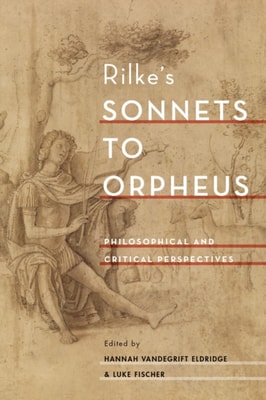
Written in three weeks of creative inspiration, Rainer Maria Rilke's Sonnets to Orpheus (1923) is well known for its enigmatic power and lyrical intensity.
Written in three weeks of creative inspiration, Rainer Maria Rilke's Sonnets to Orpheus (1923) is well known for its enigmatic power and lyrical intensity.
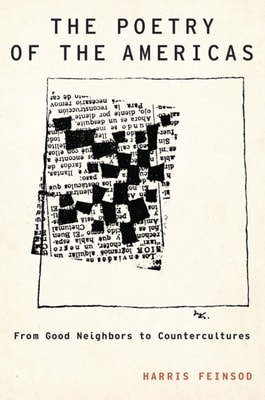
The Poetry of the Americas offers a lively and detailed history of relations among poets in the US and Latin America, spanning three decades from the Good Neighbor diplomacy of World War II through the Cold War cultural policies of the late 1960s.
The Poetry of the Americas offers a lively and detailed history of relations among poets in the US and Latin America, spanning three decades from the Good Neighbor diplomacy of World War II through the Cold War cultural policies of the late 1960s.
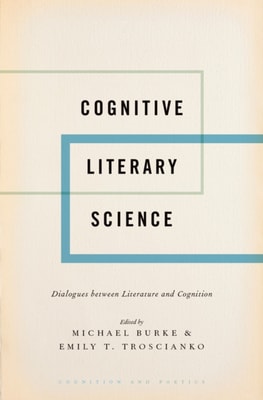
This book brings together researchers with cognitive-scientific and literary backgrounds to present innovative research in all three variations on the possible interactions between literary studies and cognitive science.
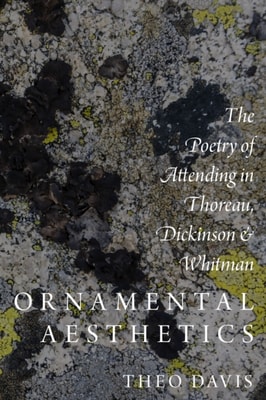
Ornamental Aesthetics offers a theory of ornamentation as a manner of marking out objects for notice, attention, praise, and a means of exploring qualities of mental engagement other than interpretation and representation.