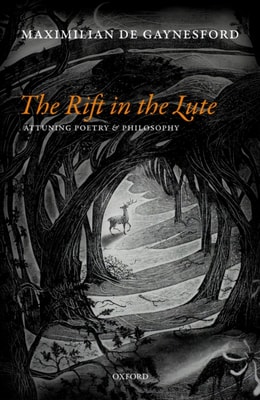
Every major poet or philosopher develops their own distinctive semantic field around those terms which matter most to them, or which contribute most profoundly to the imagined world of a particular work.
Every major poet or philosopher develops their own distinctive semantic field around those terms which matter most to them, or which contribute most profoundly to the imagined world of a particular work.
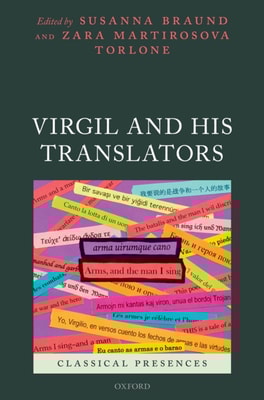
This is the first volume to offer a critical overview of the long and complicated history of translations of Virgil from the early modern period to the present day, transcending traditional studies of single translations or particular national traditions in isolation to offer an insightful comparative perspective.
This is the first volume to offer a critical overview of the long and complicated history of translations of Virgil from the early modern period to the present day, transcending traditional studies of single translations or particular national traditions in isolation to offer an insightful comparative perspective.
Sacrifice and Modern War Literature is the first book to explore how writers from the early nineteenth century to the present have addressed the intimacy of sacrifice and war.
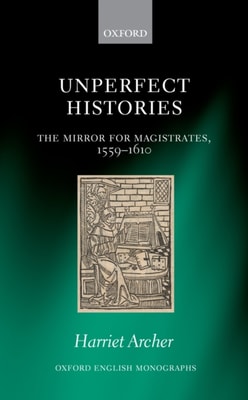
The Mirror for Magistrates, the collection of de casibus complaint poems in the voices of medieval rulers and rebels compiled by William Baldwin in the 1550s, was central to the development of imaginative literature in the sixteenth and early seventeenth centuries.
The Mirror for Magistrates, the collection of de casibus complaint poems in the voices of medieval rulers and rebels compiled by William Baldwin in the 1550s, was central to the development of imaginative literature in the sixteenth and early seventeenth centuries.
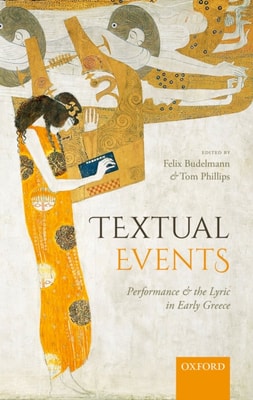
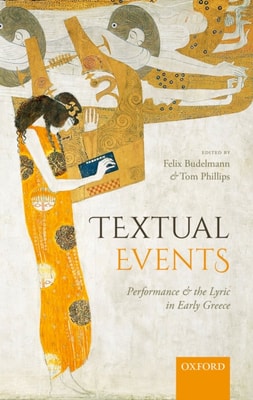
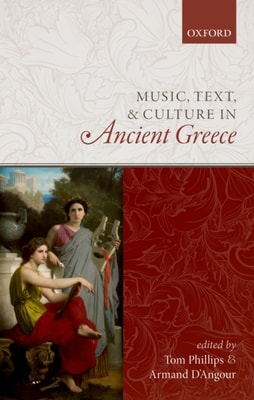
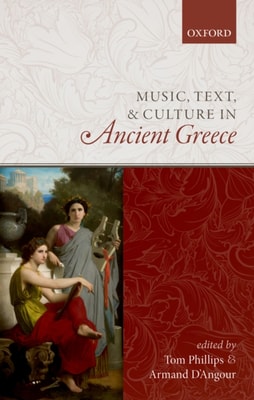
Recent decades have seen a major expansion in our understanding of how early Greek lyric functioned in its social, political, and ritual contexts, and the fundamental role song played in the day-to-day lives of communities, groups, and individuals has been the object of intense study.
Recent decades have seen a major expansion in our understanding of how early Greek lyric functioned in its social, political, and ritual contexts, and the fundamental role song played in the day-to-day lives of communities, groups, and individuals has been the object of intense study.
Seamus Heaney, the great Irish poet, made a significant contribution to classical reception in modern poetry; though occasional essays have appeared in the past, this volume is the first to be wholly dedicated to this perspective on his work.
Seamus Heaney, the great Irish poet, made a significant contribution to classical reception in modern poetry; though occasional essays have appeared in the past, this volume is the first to be wholly dedicated to this perspective on his work.
'To see a World in a Grain of Sand'And a Heaven in a Wild FlowerHold Infinity in the palm of your handAnd Eternity in an hour'William Blake wrote some of the most moving and memorable verse in the English language.
'To see a World in a Grain of Sand'And a Heaven in a Wild FlowerHold Infinity in the palm of your handAnd Eternity in an hour'William Blake wrote some of the most moving and memorable verse in the English language.
The Homeric Simile in Comparative Perspectives: Oral Traditions from Saudi Arabia to Indonesia investigates both the construction of the Homeric simile and the performance of Homeric poetry from neglected comparative perspectives, offering a revealing exploration of what made the epics such powerful examples of verbal artistry.
The Homeric Simile in Comparative Perspectives: Oral Traditions from Saudi Arabia to Indonesia investigates both the construction of the Homeric simile and the performance of Homeric poetry from neglected comparative perspectives, offering a revealing exploration of what made the epics such powerful examples of verbal artistry.
This volume offers a strikingly innovative account of Propertius' relationship with Virgil, positing a keen rivalry between two of the greatest poets of Latin literature, contemporaries within the circle of Maecenas.
This volume offers a strikingly innovative account of Propertius' relationship with Virgil, positing a keen rivalry between two of the greatest poets of Latin literature, contemporaries within the circle of Maecenas.
This volume takes as its subject one of the most important Greek poems of the Hellenistic period: the Alexandra attributed to Lykophron, probably written in about 190 BC.
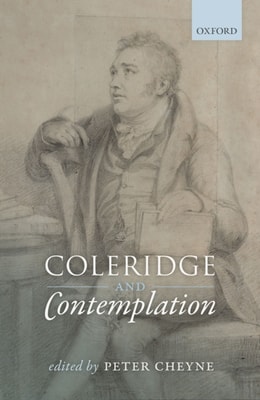
Coleridge and Contemplation is a multi-disciplinary volume on Samuel Taylor Coleridge, founding poet of British Romanticism, critic, and author of philosophical, political, and theological works.
Coleridge and Contemplation is a multi-disciplinary volume on Samuel Taylor Coleridge, founding poet of British Romanticism, critic, and author of philosophical, political, and theological works.
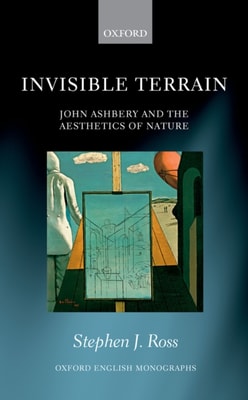
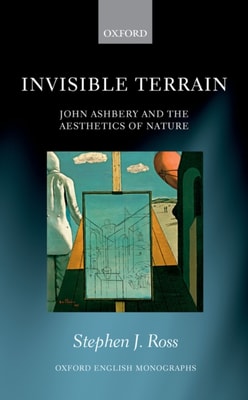
In his debut collection, Some Trees (1956), the American poet John Ashbery poses a question that resonates across his oeuvre and much of modern art: 'How could he explain to them his prayer / that nature, not art, might usurp the canvas?
In his debut collection, Some Trees (1956), the American poet John Ashbery poses a question that resonates across his oeuvre and much of modern art: 'How could he explain to them his prayer / that nature, not art, might usurp the canvas?
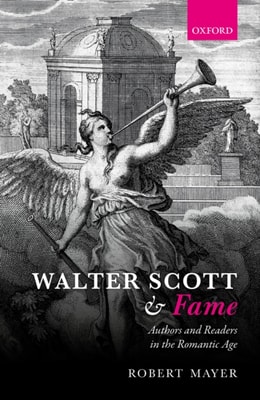
Walter Scott and Fame is a study of correspondences between Scott and socially and culturally diverse readers of his work in the English-speaking world in the early nineteenth century.
Walter Scott and Fame is a study of correspondences between Scott and socially and culturally diverse readers of his work in the English-speaking world in the early nineteenth century.
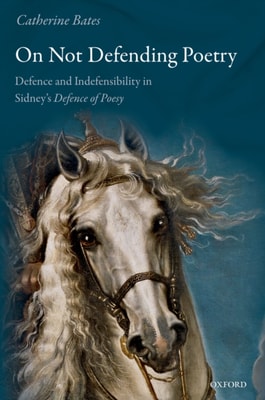
Sidney's Defence of Poesy--the foundational text of English poetics--is generally taken to present a model of poetry as ideal: the poet depicts ideals of human conduct and readers are inspired to imitate them.
Sidney's Defence of Poesy--the foundational text of English poetics--is generally taken to present a model of poetry as ideal: the poet depicts ideals of human conduct and readers are inspired to imitate them.
This book brings together, in a novel and exciting combination, three authors who have written movingly about mourning: two medieval Italian poets, Dante Alighieri and Francesco Petrarca, and one early twentieth-century French novelist, Marcel Proust.
This book brings together, in a novel and exciting combination, three authors who have written movingly about mourning: two medieval Italian poets, Dante Alighieri and Francesco Petrarca, and one early twentieth-century French novelist, Marcel Proust.