This book explores Roman love elegy from postcolonial perspectives, arguing that the tropes, conventions, and discourses of the Augustan genre serve to reinforce the imperial identity of its elite, metropolitan audience.
Symposium of the Whole traces a discourse on poetry and culture that has profoundly influenced the art of our time, with precedents going back two centuries and more.
A bilingual volume that reveals an intriguing world of courtly love and satire in medieval Portugal and SpainThe rich tradition of troubadour poetry in western Iberia had all but vanished from history until the discovery of several ancient cancioneiros, or songbooks, in the nineteenth century.
Part of the ALL-NEW LADYBIRD EXPERT SERIES'This accessible illustrated guide is a great introduction to the story, its origins and its enduring legacy' BBC HISTORY- Which is more terrifying - a monster or its mother?
In the twentieth century more people spoke English and more people wrote poetry than in the whole of previous history, and this Companion strives to make sense of this crowded poetical era.
Written by a leading authority on William Carlos Williams, this book provides a wide-ranging and stimulating guide to twentieth-century American poetry.
Providing a close examination of Milton's wide-ranging prose and poetry at each stage of his life, Barbara Lewalski reveals a rather different Milton from that in earlier accounts.
A COMPANION TO THE HISTORY OF THE BOOK A COMPANION TOTHE HISTORY OF THE BOOK Edited by Simon Eliot and Jonathan Rose As a stimulating overview of the multidimensional present state of the field, the Companion has no peer.
In this compelling first volume in the Blackwell Introductions to Literature series, Roy Flannagan, editor of The Milton Quarterly, provides a readable and uncluttered critical account of a complicated and sophisticated author, and his poetry and prose.
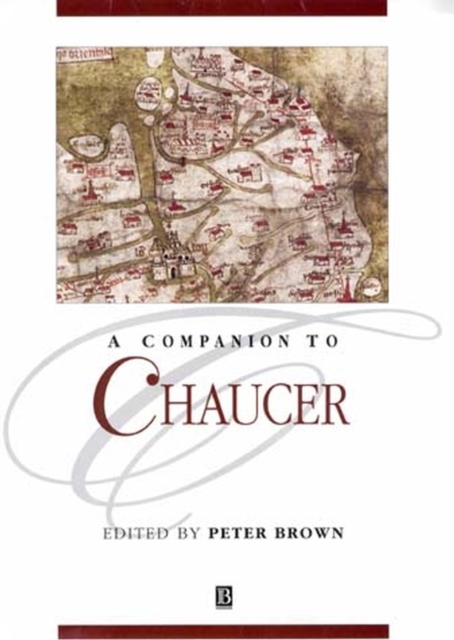
Designed as both a contribution to original research and as a stimulating and accessible text, this volume is a helpful, reliable, responsive and adaptable resource for students of Chaucer at all levels.
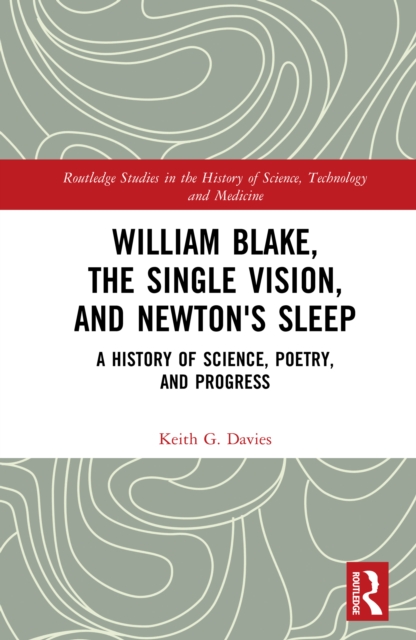
The history and philosophy of scientific ideas and the role poiesis and imagination play in our understanding of science and progress are widely explored in this book.
The Pictorial Third: An Essay into Intermedial Criticism examines the extent to which poetry intertwines with painting and the visual at large, and studies the singular relationship established between language and image, observesing the modalities and workings of what is termed 'intermedial transposition'.
The Pictorial Third: An Essay into Intermedial Criticism examines the extent to which poetry intertwines with painting and the visual at large, and studies the singular relationship established between language and image, observesing the modalities and workings of what is termed 'intermedial transposition'.
The First World War was a transformative experience for women, facilitating their entry into new spaces and alternative spheres of activity, both on the home front and on the edges of danger zones in Europe and beyond.
The First World War was a transformative experience for women, facilitating their entry into new spaces and alternative spheres of activity, both on the home front and on the edges of danger zones in Europe and beyond.
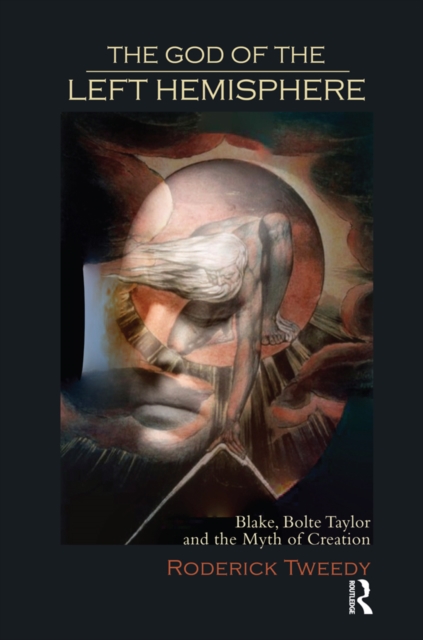
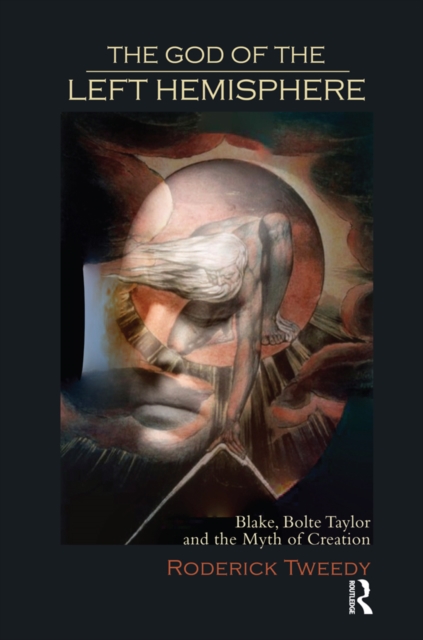
The God of the Left Hemisphere explores the remarkable connections between the activities and functions of the human brain that writer William Blake termed 'Urizen' and the powerful complex of rationalising and ordering processes which modern neuroscience identifies as 'left hemisphere' brain activity.
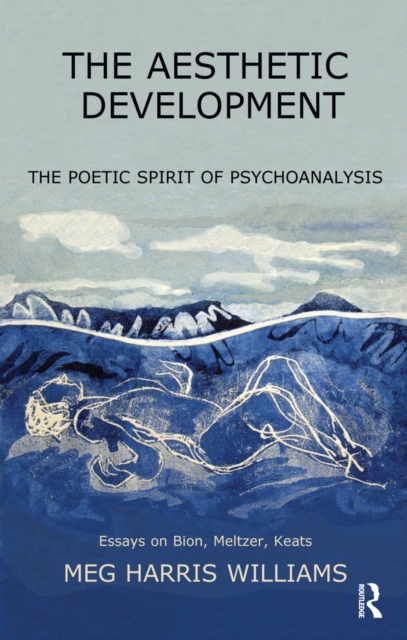
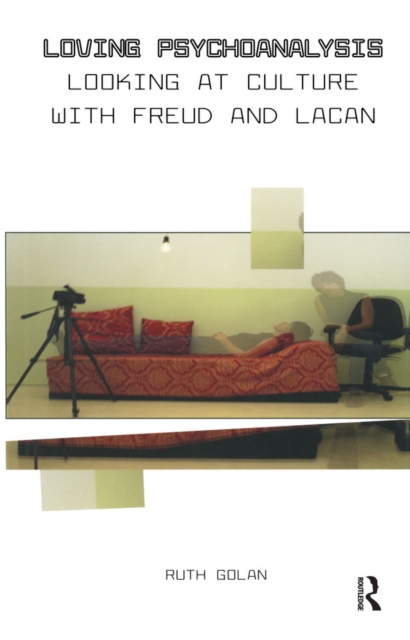
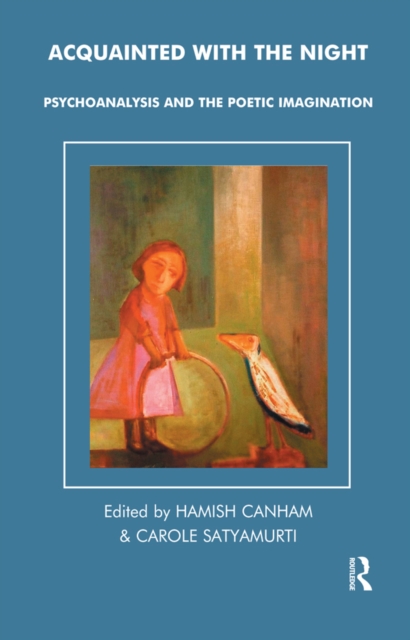
This book is a small anthology: each chapter a kind of meditation-on poetry and psychoanalysis; on a poem, sometimes two; on poetry in general; on thought itself.
The God of the Left Hemisphere explores the remarkable connections between the activities and functions of the human brain that writer William Blake termed 'Urizen' and the powerful complex of rationalising and ordering processes which modern neuroscience identifies as 'left hemisphere' brain activity.
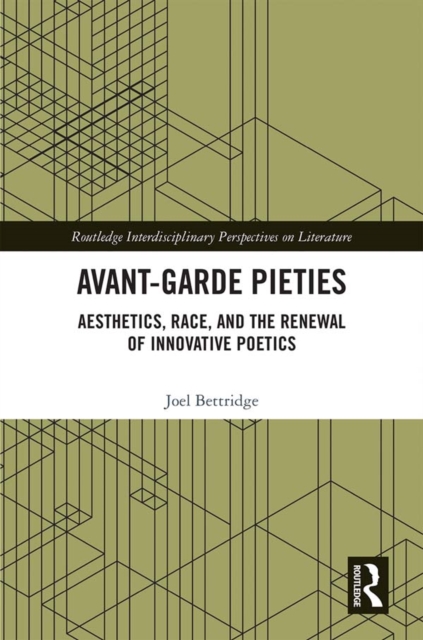
Avant-Garde Pieties tells a new story about innovative poetry; it argues that the avant-garde-now more than a century old-persists in its ability to nurture interesting, provocative, meaningful, and moving poems, despite its profound cultural failings and its self-devouring theoretical compulsions.
Avant-Garde Pieties tells a new story about innovative poetry; it argues that the avant-garde-now more than a century old-persists in its ability to nurture interesting, provocative, meaningful, and moving poems, despite its profound cultural failings and its self-devouring theoretical compulsions.